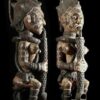
History and heritage
Abakiliki: The Ancient Town that Became the Capital

Abakiliki is an ancient Igbo town that grew into the modern capital of Ebonyi State. This article traces its history, geography, people, markets, culture, leaders, foods, landmarks, and the challenges and opportunities that shape its future. Read an engaging, easy to follow guide to Abakiliki.

Long before Abakiliki became the bustling capital of Ebonyi State, it was a quiet network of ancient Igbo villages, surrounded by farmlands, red earth, and sacred groves. Traders once followed dusty paths to its markets, carrying yams, palm oil, and stories from distant towns.
Today, those same paths have turned into paved roads linking a fast-growing city of commerce, culture, and government. Yet, beneath the hum of motorbikes and the rhythm of new development, Abakiliki still beats with the heart of its ancestors.
What makes this once modest settlement rise to become the political and economic centre of Ebonyi State? How has it managed to balance modern ambition with deep-rooted tradition?
In exploring Abakiliki, the ancient town that became the capital, we uncover a fascinating story of transformation, resilience, and identity that continues to shape the future of southeastern Nigeria.
A Brief History of Abakiliki
Abakiliki traces its origins to a cluster of ancient Igbo settlements that thrived long before the colonial era. The town emerged as a meeting point for neighbouring villages known for farming, trading, and craftsmanship. Its people were mainly farmers who cultivated yams, rice, cassava, and palm produce, while others engaged in local mining of lead, zinc, and limestone found in the surrounding hills.
During the precolonial period, the town served as a regional market hub where traders from different Igbo communities gathered to exchange goods. This strategic position attracted both economic and cultural interactions that shaped the town’s early identity.
When the British colonial administration arrived in the early 20th century, they recognized town’s central location and developed it as an administrative centre to oversee nearby districts. Roads and markets expanded, and the town became known for its agricultural produce and mineral resources.
Following Nigeria’s independence in 1960, Abakiliki continued to grow as part of the old Eastern Region and later under Anambra and Enugu States.
In 1996, the Nigerian government created Ebonyi State to bring governance closer to the people of the area, and Abakiliki was chosen as its capital. This marked a turning point, transforming the once modest rural town into a fast-developing urban centre filled with modern institutions, industries, and infrastructure.
Today, Abakiliki stands as both a symbol of the resilience of its people and a reflection of how history, geography, and community spirit can shape the destiny of a place.
Location and Geography
Abakiliki is situated within the southeastern Nigeria, serving as the administrative and commercial centre of Ebonyi State. It occupies a strategic position between Enugu to the northwest and Afikpo to the south, linking major routes that connect several parts of the region. The surrounding landscape is made up of gentle hills, valleys, and fertile plains that support both farming and settlement.
Abakiliki experiences a tropical climate with two distinct seasons. The rainy season usually begins around April and lasts until October, while the dry season runs from November to March. These weather patterns favour the cultivation of staple crops such as yam, rice, cassava, and maize which are the backbone of local agriculture.
The location of Abakiliki also gives it access to natural resources like limestone, lead, and zinc found in nearby communities. Rivers and streams flow through the surrounding areas, providing water for farming and domestic use.
Its central position within Ebonyi State makes it not only a government hub but also an important link between the rural hinterlands and the rest of southeastern Nigeria.
Villages and Communities that Make Up Abakiliki
Abakiliki grew from a collection of small villages and clans that have lived in the area for centuries. These communities are part of the larger Izzi sub-group of the Igbo people known for their strong agricultural traditions and community spirit.
Each village has its own customs, leadership structures, and age-grade systems that guide social life and preserve local heritage.
Some of the notable communities around the urban centre include Nkaliki, Izzi Unuhu, Agbaja, Igbeagu, Ezza Inyimegu, and Amachi. Many of these areas have now become integrated into the expanding city.
Yet, they still maintain their ancestral roots and cultural practices. Older village squares and traditional meeting grounds can still be found within the newer neighbourhoods, serving as reminders of the town’s rural beginnings.
Over time, as population and development increased, these villages merged to form a larger, more organized settlement that functions as the heart of Ebonyi State.
Despite modernization, the sense of belonging to one’s original village remains strong, and family ties continue to play an important role in community life.
Leadership and Traditional Authority
In the capital city and surrounding region, formal State institutions and traditional leadership operate side by side. At the administrative centre of Abakiliki sits the government machinery of Ebonyi State, including ministries, courts, and local government offices. Alongside these modern structures, local governance and cultural authority rest in the hands of traditional rulers, chiefs and village elders.
For example, in the autonomous community of Oferekpe Agbaja (in the Izzi Local Government Area of the State), the traditional ruler is Eze Ezekiel Nwifuru Nwankpu who was coronated as the monarch of that community in 2024.
Traditional rulers in the region perform many functions among which are presiding over customary courts, overseeing land and communal matters, leading cultural ceremonies, and acting as custodians of traditions and customs. They also serve as intermediaries between the people and the State government.
Meanwhile, town unions, age-grade groups and community councils support civic life by working alongside both traditional and formal structures.
Because of this dual-structure of authority, leadership in and around Abakiliki means navigating both elected officials and time-honoured customs. This blend ensures that while modern governance is in place, the voice of local heritage and community identity remains strong.
Economy and Resources
The economy of Abakiliki is largely driven by agriculture, trade, and natural resources. For generations, the people have depended on farming as their main source of livelihood. The fertile soil supports the cultivation of rice, yam, cassava, maize, and vegetables.
The town is particularly famous for rice production, with the Abakiliki Rice Mill being one of the largest local rice processing centres in southeastern Nigeria. Farmers from neighbouring villages bring their harvests to the city for processing and sale, making it a busy hub for agricultural trade.
In addition to farming, the area is rich in mineral resources such as lead, zinc, and limestone. These minerals have attracted both local and small-scale industrial activities, especially quarrying and mining. The nearby Nkalagu area, known for its limestone deposits, supports the cement industry and contributes to regional construction projects.
Commerce also plays a major role in the local economy. The presence of several markets and modern trading facilities has boosted small and medium-sized enterprises, while transport services, artisanship, and food processing provide employment for many residents.
As the capital of Ebonyi State, the town benefits from government institutions that stimulate growth through infrastructure projects, education, and healthcare services.
Although challenges such as poor road networks, limited access to finance, and environmental degradation still affect economic expansion, the town continues to progress steadily. With better investment in infrastructure, technology, and resource management, Abakiliki has the potential to become one of the leading economic centres in southeastern Nigeria.
Major Markets in Abakiliki
Markets play a central role in the daily life and economy of Abakiliki. They serve as meeting points for farmers, traders, and buyers from different parts of Ebonyi State and neighbouring regions. The most prominent among them is the Ebonyi International Market, a large trading complex developed to replace the old Abakpa Market.
It accommodates hundreds of stalls and shops where food items, clothing, electronics, and household goods are sold. The market operates every day but becomes particularly lively on traditional market days when rural farmers bring fresh produce to town.
Another important trading centre is the Kpirikpiri Market known for its variety of agricultural products and livestock. Smaller neighbourhood markets such as Margaret Umahi International Market and Meat Market also contribute to the city’s commercial activity, offering spaces for local traders to earn a living and for residents to buy affordable goods.
These markets not only provide food and commodities but also support social interaction and cultural exchange among different communities. They are vital to the local economy, ensuring that agricultural produce from the surrounding villages reaches consumers efficiently.
Notwithstanding occasional challenges such as congestion and poor waste management, the market system remains a pillar of economic life in Abakiliki and continues to evolve with ongoing development projects by the State government.
Deities, Totems, Traditional Beliefs and Religion
Abakiliki people, like most Igbo communities, have a deep spiritual heritage rooted in traditional religion. Before the spread of Christianity, the inhabitants revered several local deities believed to protect the land, ensure fertility, and maintain peace within the community.
Each village had its own sacred grove or shrine where rituals and sacrifices were performed to honour ancestral spirits and seek blessings. Among the divinities once venerated in the area were the earth goddess, Ala, associated with morality and fertility, and smaller guardian spirits that watched over families and farmlands.
Totems and taboos also played important roles in shaping moral and social behavior. Certain animals such as the python or tortoise were regarded as sacred in some communities and were not to be killed. Breaking such taboos was believed to bring misfortune, and offenders were required to perform cleansing rites to restore nomalcy.
With the coming of Christian missionaries in the early 20th century, many residents embraced Christianity, leading to the establishment of churches and mission schools. Today, Abakiliki is home to various Christian denominations including Catholic, Anglican, and Pentecostal congregations. However, elements of traditional belief still coexist with Christian faith, particularly in form of cultural festivals, naming ceremonies, and respect for ancestral values.
This blend of traditional spirituality and modern religion gives Abakiliki a unique cultural balance where the past and present continue to interact in daily life.
Festivals and Cultural Life
Festivals in Abakiliki reflect the rhythm of traditional Igbo life and the enduring value of community celebration. The most prominent among them is the New Yam Festival which officially marks the end of the farming season and the beginning of harvest.
It is a time of thanksgiving, feasting, and renewal. Families come together to offer the first yams to God and the ancestors before sharing them with neighbours and guests. Traditional dances, masquerade displays, and music fill the air, reminding everyone of their shared heritage.
Masquerade festivals also hold a special place in the town’s cultural identity. These events bring colour, excitement, and spiritual meaning to community life. Masquerades, known as mmanwu, represent ancestral spirits and are performed with elaborate costumes, drumming, and chants. They appear during festivals, burials of titled men, and other major celebrations, adding mystery and joy to the season.
Other cultural events such as coronations, marriage ceremonies, and age-grade gatherings strengthen social ties and preserve long-standing customs. Through storytelling, folk songs, and traditional dances, the people pass down moral lessons and community values from one generation to the next.
Even with the growth of modern entertainment, these local festivals continue to draw large crowds, including visitors from other parts of Nigeria. They serve not only as moments of joy but also as vital expressions of identity and continuity in Abakiliki’s evolving cultural landscape.
Town Unions and Community Organization
Town unions play a vital role in the governance and social development of Abakiliki. They serve as bridges between the people, their traditional leaders, and the government. Each village or community within the town has its own union made up of men, women, and youth groups who work together to promote peace, unity, and progress.
These unions often meet regularly to discuss community affairs, settle disputes, and plan development projects such as road construction, school renovation, and market improvement.
Through collective effort, town unions have contributed significantly to the town’s growth. They organize cultural festivals, raise funds for community needs, and provide assistance to members during difficult times.
Many of them also have branches in major cities across Nigeria where indigenes of Abakiliki live and work. These branches help maintain ties with home, ensuring that community members in urban areas continue to support local initiatives.
In addition to the unions, age-grade associations and women’s groups play complementary roles in promoting social welfare and cultural preservation. They participate in traditional ceremonies, environmental sanitation and public awareness campaigns. The strong spirit of volunteerism and self-help found in these organizations reflects the communal values that have long defined the people.
Together, these town unions and community bodies form the backbone of grassroots governance in Abakiliki.
Local Dishes and Cuisine
The food culture of Abakiliki is rich, flavourful, and deeply connected to the town’s agricultural heritage. The people take pride in preparing meals that reflect their farming lifestyle and the abundance of crops grown in the region.
One of the most popular staples is pounded yam, often served with a variety of soups such as ofe onugbu, ofe nsala, ofe egusi and ofe akwu. These dishes are commonly accompanied by assorted meats, fish, and local spices that give them a distinct taste.
Rice is another major part of the local cuisine, and Abakiliki rice is famous across Nigeria for its natural aroma and unpolished texture. It is typically served with vegetable stews, tomato sauces, or beans, making it a favourite meal for both residents and visitors. Cassava-based meals such as garri, fufu, and abacha are also common, enjoyed during family gatherings and festive occasions.
Street food adds to the culinary charm of the town. Snacks like roasted yam, plantain, akara, and moi moi are sold in markets and along busy roadsides. Palm wine, freshly tapped from raffia or oil palm trees remains a traditional drink enjoyed during social events and celebrations.
Through food, Abakiliki people express hospitality, culture, and community. Every meal tells a story of the land’s fertility, the people’s creativity, and their enduring connection to tradition.
Prominent Sons and Daughters
Abakiliki has produced several individuals who have made significant contributions across various fields, namely, politics, education, and the arts. Here are a few of those distinguished figures:
- Igwe Aja‑Nwachukwu: A former Nigerian Minister of Education; born on March 31, 1952; served in that national role from July 2007 to December 2008.
- Sylvester Ogbaga: Born July 7, 1961, he represented the Abakaliki/Izzi federal constituency in Nigeria’s House of Representatives, focusing on infrastructure, education and health issues.
- Humblesmith (real name Ekene Ijemba): A recording artist born May 14, 1991 in Abakiliki; rose to fame with his hit single “Osinachi” and is one of the popular entertainers from the area.
These individuals help illustrate the depth of talent and leadership that emerge from Abakiliki and its surrounding communities.
Landmarks and Tourist Attractions

Abakiliki boasts a range of landmarks and attractions that reflect both its natural beauty and cultural heritage. One of the most notable sites is the Abakaliki Green Lake located within the Government House area.
This serene water body surrounded by lush vegetation is a popular relaxation spot for visitors and residents. Another key attraction is the Abakaliki Rice Mill, one of the largest in West Africa, symbolizing the city’s agricultural strength and its long history as a hub for rice production.
Tourists also frequent the Abakaliki Golf Course which offers a calm environment for recreation, and the Ebonyi State International Market renowned for its modern facilities and bustling commercial activities.
For history and culture enthusiasts, the Salt Lakes of Okposi and Uburu located not far from the city, provide fascinating insights into the ancient salt-making traditions of the region. These landmarks collectively make Abakiliki a city that blends economic vitality with rich cultural and natural attractions.
Challenges and a Positive Outlook
Just like many rapidly developing urban centres, Abakiliki faces several challenges as it continues to expand. Issues such as inadequate infrastructure in some areas, traffic congestion, youth unemployment, and environmental degradation from quarrying activities remain areas of concern. The city’s fast-paced growth has also created pressure on housing, sanitation, and public utilities.
However, Abakiliki’s story is one of resilience and progress. The government and local communities have continued to invest in urban renewal projects, road construction, and waste management improvements. Efforts to diversify the economy beyond agriculture and quarrying are gradually paying off, as small-scale industries and service-based businesses continue to grow.
There is also a renewed focus on education, technology, and healthcare aimed at equipping residents for a more prosperous future. With its dynamic population, abundant natural resources, and strong cultural heritage, Abakiliki stands poised to become one of southeastern Nigeria’s most progressive and livable cities in the coming years.
In Conclusion…
Abakiliki is a place where ancient village life and modern statehood meet. Its markets, foods and journey from an ancient settlement to a thriving State capital tells a story of determination, growth, and cultural pride. It has evolved from a quiet agricultural community into a vibrant city that continues to attract people from across Nigeria and beyond. Challenges that come with development, notwithstanding, Abakiliki remains a symbol of progress that blends tradition with modern aspirations.
Its people, known for their warmth, industry, and resilience, continue to shape the city’s destiny through hard work and innovation. From its bustling markets and rich farmlands to its emerging skyline and cultural festivals, Abakiliki represents the spirit of a people who refuse to be left behind.
As the city grows and transforms, one thing remains constant: Abakiliki emits promise, making it not just a capital of Ebonyi State, but a beacon of hope and heritage in southeastern Nigeria.
References
- https://en.wikipedia.org/wiki/Abakaliki
- https://www.britannica.com/place/Abakaliki
- https://ebonyistate.gov.ng/page/towns-and-villages
- https://ebonyistate.gov.ng/page/ebonyi-state-profile
You might want to check this out…