



History and heritage
Abiriba Town: The Small London of Igboland

Abiriba is a historic Igbo town in Ohafia LGA of Abia State often called the Small London. Discover the history, geography, villages, leadership, and so many other things about this ancient town.

Tucked away in the rolling hills of Abia State is Abiriba, the fascinating town often called “Small London”. Known for its breathtaking mansions, deep-rooted culture and proud entrepreneurial spirit, Abiriba stands out as one of the most remarkable communities in southeastern Nigeria. This town is not just another dot on the map, it is a living story of wealth, wisdom, tradition and transformation.
From its ancient beginnings as a blacksmithing hub to its modern reputation as a centre of trade and craftsmanship, Abiriba has blended old-world dignity with new-world ambition. Visitors are often amazed by the beauty of its environment, the hospitality of its people and the vibrant festivals that fill its streets with colour and rhythm.
Whether you are tracing Igbo history, exploring heritage tourism, or simply curious about why it’s called “Small London,” Abiriba invites you to discover a place where culture, community and progress meet in perfect harmony.
In this article, you’ll journey through the history, leadership, economy, beliefs and lifestyles that make Abiriba a model of what an Igbo town can be – proud of its past, alive in its present and hopeful for its future.
Brief History of Abiriba
The history of Abiriba is both ancient and intriguing having been shaped by migration, craftsmanship and a strong communal spirit that has endured for centuries. Oral tradition traces the origin of Abiriba people to Enuda Kingdom believed to have emerged from early settlers who migrated from the Cross River basin.
Historical accounts suggest that these settlers journeyed westward, crossing rivers and forests until they found a fertile and defensible location surrounded by hills which is the present-day site of Abiriba in Abia State, southeastern Nigeria.
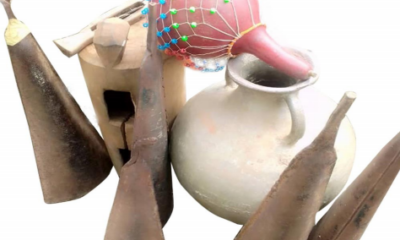
The early inhabitants of Abiriba were known for their exceptional skills in iron smelting and blacksmithing which became one of the earliest industries in the area. They produced tools, weapons and decorative objects that were traded widely across Igboland and beyond. The mastery of ironwork not only brought economic advantage but also contributed to the town’s social organization, as blacksmithing families held respected positions within the community.
Abiriba’s evolution into a structured kingdom came with the formation of the Enuda political system consisting of three major villages: Ameke, Amogudu and Agboji. Each village had its own Eze, but they operated under a unique tripodal arrangement in which the Enachioken of Abiriba served as the paramount ruler and the custodian of the people’s customs and laws. This system ensured unity, justice and orderly succession, and remains a defining feature of Abiriba’s traditional governance today.
In precolonial times, Abiriba also stood out as a centre of commerce and long-distance trade. The people were adventurous traders who established trade links with neighbouring towns such as Arochukwu, Ohafia and Afikpo. Through these networks, they exchanged locally produced goods such as iron tools, palm produce and cloth for salt, livestock and other essentials. This commercial acumen set the foundation for the strong entrepreneurial culture that Abiriba is still known for in modern times.
When the British colonial administration arrived in the early twentieth century, Abiriba already had a well-organized leadership structure and a reputation for wealth and discipline. The colonial authorities recognized the efficiency of the Enuda system and often worked through traditional leaders to maintain order and mobilize labour. Missionaries also brought Christianity which gradually blended with the town’s traditional belief systems.
After Nigeria’s independence in 1960, Abiriba continued to flourish. Many of its sons and daughters ventured into business, education and public service across the country and abroad. The wealth they brought home transformed the physical landscape, giving rise to modern buildings, tarred roads and social amenities that earned Abiriba the affectionate nickname “Small London.”
Today, Abiriba’s history is reflected not only in its oral traditions and cultural festivals but also in its people’s character – industrious, united and proud of their heritage. The town remains a symbol of progress anchored in tradition, where ancient customs live side by side with modern aspirations
Location and Geography

Abiriba is located in the southeastern part of Nigeria within Ohafia Local Government Area of Abia State. Geographically, it lies approximately at latitude 5.70° North and longitude 7.73° East, placing it in the humid tropical zone of West Africa.
The town is surrounded by a series of rolling hills and green valleys that give it both natural beauty and strategic advantage. Its elevation and terrain make it one of the more scenic parts of Abia State, offering a peaceful and picturesque landscape that reflects the harmony between people and nature.
Abiriba shares boundaries with Ohafia to the south and west, Nkporo to the east and Item to the north. Its location places it within the cultural and economic heart of the old Aro-Ohafia civilization.
The road network connects Abiriba to major towns such as Arochukwu, Bende, Umuahia and Aba, making it accessible to traders, visitors and tourists. This proximity to key trade centres contributed significantly to the town’s historical development as a hub of craftsmanship and commerce.
The town experiences a tropical rainforest climate characterized by two distinct seasons, namely, the wet season (April to October) and the dry season (November to March). Annual rainfall averages between 1,800 and 2,400 millimeters, providing rich moisture that supports the cultivation of crops such as yam, cassava, plantain and cocoyam. The land is largely made of laterite and loamy soil, suitable for both subsistence and small-scale commercial farming.
The natural environment of Abiriba also features several streams and springs which provide water for domestic use and small irrigation projects. The most significant of these is the Ishimokoto River which holds both ecological and cultural importance. It serves not only as a natural resource but also as a site of traditional reverence in local beliefs.
Vegetation in Abiriba is dense and evergreen with abundant oil palms, raffia palms, bamboo and hardwood trees scattered across the landscape. These natural resources historically supported local industries such as palm oil processing, bamboo craft and wood carving. The combination of fertile land, moderate climate and natural water sources makes Abiriba a sustainable environment for agriculture and human settlement.
The town’s built environment showcases a blend of traditional and modern architecture. While older compounds still retain their distinctive courtyard style and mud-brick structures, new developments reflect the wealth and exposure of its people, featuring elegant bungalows and multi-story homes that earned the town its nickname, “Small London.” The neat layout of streets and the general cleanliness of the community reflect a collective sense of pride and order among residents.
Abiriba’s geography is not just physical, it also carries symbolic meaning. The surrounding hills are often seen as natural protectors and the town’s central location in the Enuda Kingdom makes it a cultural meeting point for its three main villages namely, Ameke, Amogudu and Agboji.
Together, the land and its people form a living testimony to the balance between progress and tradition that defines Abiriba’s identity in Igboland.
Villages and Communities that Make up Abiriba
Abiriba is traditionally made up of three major villages: Ameke, Amogudu, and Agboji. These three form what is known as the Enuda Kingdom, a tripodal structure that defines the political, cultural and social organization of the entire town.
Each village is a strong and independent entity with its own Eze and council of elders. Yet, all three are united under a single cultural identity that gives Abiriba its strength and unity of purpose.
Enuda political system is one of the oldest and most organized forms of traditional governance in southeastern Nigeria. It is a unique system that balances authority and equality. Within it, the Enachioken of Abiriba who hails from the Ameke village serves as the primus inter pares i.e. the first among equals.
The other two Ezes representing Amogudu and Agboji form the Enuda Council which advises the Enachioken and collectively oversees the welfare, development and customs of the entire Abiriba kingdom.
Ameke
Ameke is regarded as the seat of royal authority in Abiriba because it is from this village that the Enachioken traditionally emerges. The village is rich in history and cultural symbolism. It is home to the royal palace and several important ancestral shrines, including the revered Okpu Achi tree which stands as a spiritual and historical landmark for the entire community.
Many of the town’s oldest compounds and cultural relics are found in Ameke, giving it a special place in the memory and pride of Abiriba people.
Amogudu
Amogudu is known for its vibrant trading spirit and industrious people. Historically, it was one of the earliest centres of blacksmithing and trade in the region. Skilled craftsmen from Amogudu produced iron tools and weapons that were widely exchanged in neighbouring markets, which helped establish Abiriba’s reputation as a town of innovation and enterprise.
The village continues to play a major role in community development, producing respected professionals, businesspeople and artisans who contribute to Abiriba’s modern economy.
Agboji
Agboji, the third component of the tripodal structure is deeply rooted in tradition, cultural preservation and communal organization. It is renowned for its age-grade activities, cultural performances and leadership in maintaining traditional institutions.
Agboji people are highly respected for their involvement in community-building projects and for upholding the customs that define Abiriba’s identity. During major festivals and ceremonies, Agboji masquerade performances and musical displays are among the most colourful and entertaining in the town.
Although each of these villages maintains its individual identity, they function collectively as a single community bound by ancestry, language and shared heritage. The cooperation among Ameke, Amogudu and Agboji ensures peace, balance and effective administration.
This tripartite arrangement is more than a political structure. It is a living reflection of Abiriba’s philosophy of unity in diversity. Decisions affecting the entire kingdom are made through consultation among the three Ezes, ensuring fairness and inclusion. The inter-village relationships also extend to age grades, women’s groups and youth associations that cut across the three communities, further strengthening social ties.
Together, these villages form the heart of Abiriba – a community deeply rooted in kinship, guided by ancestral wisdom and driven by a shared commitment to progress.
The bond among Ameke, Amogudu and Agboji has allowed Abiriba to remain strong and united for centuries, preserving its identity while embracing the dynamics of modern life.
Leadership and Traditional Authority
Leadership and traditional authority in Abiriba are deeply woven into the town’s social and cultural fabric. The system is built on a long-established model known as the Enuda political structure which recognizes three autonomous, yet interdependent villages: Ameke, Amogudu and Agboji. Each village has its own traditional ruler who presides over local affairs, but all three operate within a collective framework that ensures unity, justice and respect for tradition.
At the top of this system is the Enachioken of Abiriba regarded as the paramount ruler and the custodian of the people’s customs and values. The title of Enachioken is hereditary within Ameke village and it carries both symbolic and administrative authority.
The Enachioken represents the unity of the three villages and serves as the spiritual and cultural head of the entire Enuda Kingdom. His palace in Ameke is considered a sacred centre for deliberations, conflict resolution and the preservation of traditional practices.
Supporting the Enachioken are the Ezes of Amogudu and Agboji who serve as co-equal members of the Enuda Council of Elders. This council functions as the highest traditional decision-making body in Abiriba. It deliberates on matters affecting the community, including land disputes, chieftaincy titles, marriage customs, festivals and community development. The structure of shared authority among the three Ezes promotes inclusiveness, fairness and accountability within the kingdom.
Beneath the level of the royal council, Abiriba’s governance extends through a network of age grades known locally as UKE. These age grades are among the most respected social institutions in the community. Each UKE group consists of men within a specific age range, and they are responsible for various civic duties such as maintaining public roads, organizing community events, ensuring security and enforcing communal laws.
The age-grade system not only strengthens civic responsibility but also serves as a training ground for leadership and public service.
The Council of Chiefs, women’s groups and village assemblies also play important roles in local administration. While the Enachioken and his council oversee matters of tradition and arbitration, these other bodies handle social welfare, youth empowerment and community development. The collaborative nature of Abiriba’s leadership structure allows both traditional and modern systems to coexist effectively.
Religious and moral authority also play a part in governance. The Enachioken and the council often consult elders and spiritual leaders before making major decisions, especially, those that affect the peace and stability of the community. This practice ensures that governance aligns with ancestral wisdom and community values.
In recent decades, the integration of modern governance with traditional authority has become more visible. The Enachioken and his council work closely with elected officials, town unions, and diaspora associations to attract development projects and maintain peace. This partnership has helped Abiriba preserve its identity while adapting to the demands of modern society.
The leadership system in Abiriba is therefore not only about rulership but also about service. It emphasizes responsibility, accountability and the collective well-being of the people.
Through the Enuda system, the Enachioken’s moral guidance and the strong participation of age grades and community groups, Abiriba continues to uphold a model of traditional governance that commands respect across Igboland.
‘
Economy and Resources
The economy of Abiriba has a long and dynamic history rooted in craftsmanship, trade and entrepreneurship. For centuries, the town has been known for its industrious people and a spirit of enterprise that has shaped its development and earned it the nickname “Small London.” From its early days as a centre of blacksmithing to its modern reputation as a hub of business and construction, Abiriba’s economy reflects the creativity and resilience of its people.
In the precolonial era, blacksmithing and iron smelting were the backbone of Abiriba’s economy. Skilled artisans produced a wide range of tools, weapons and farming implements that were in high demand across Igboland and neighbouring regions.
The town’s reputation for quality workmanship attracted traders from far and near, laying the foundation for a vibrant commercial culture. Over time, these blacksmiths diversified into other crafts such as metal carving, woodwork and leatherwork, making Abiriba a regional centre of innovation and trade.
Agriculture also played an important role in the town’s early economy. The fertile, loamy soil and favourable rainfall supported the cultivation of staple crops like yam, cassava, cocoyam, maize and vegetables. Oil palm production was particularly significant as palm oil and kernels served as major trade commodities. Families maintained small farms to support household needs while surplus produce was sold in local markets and neighbouring communities.
In modern times, Abiriba has evolved into a commercial and entrepreneurial powerhouse. Its people are renowned traders, builders and business owners who have made their mark across Nigeria and beyond. Many Abiriba natives established successful enterprises in cities such as Aba, Lagos, Port Harcourt and Abuja, bringing back wealth that transformed their hometown. The construction of magnificent homes, schools and civic halls in Abiriba reflects this economic success.
Local markets remain an essential part of the economic life of the town. These markets, held on traditional market days attract traders from nearby towns and villages. They serve as centres for buying and selling foodstuffs, clothing, livestock, building materials and household goods. The markets also function as social spaces where people exchange information and maintain community ties.
Abiriba’s economy is also supported by remittances from its large diaspora population. Many indigenes living in major cities or abroad regularly invest in property, education and community projects back home. These contributions have significantly boosted the local economy, financing modern housing developments, small-scale industries and social infrastructure such as water projects and roads.
Beyond commerce and agriculture, the town has growing potential in tourism and cultural heritage. Its colourful festivals, traditional architecture and historic sites such as the Okpu Achi tree and the Enuda royal palaces attract visitors interested in Igbo culture and history. With proper development, Abiriba could become a notable destination for cultural tourism in Abia State.
Abiriba’s economic resources also include human capital as its population values education, hard work and innovation. Many professionals from the town work in banking, engineering, education and public service, contributing skills that continue to enhance community development. This blend of traditional skill and modern expertise gives the town a balanced and sustainable economic base.
While the town faces challenges such as limited industrial investment, inadequate infrastructure, and youth unemployment, its people’s entrepreneurial drive remains a powerful force for progress. The same ingenuity that once made Abiriba a centre of blacksmithing now fuels modern trade and construction ventures.
Today, Abiriba stands as a shining example of an Igbo community that has turned resourcefulness into prosperity. Its economy, built on craftsmanship, trade and communal effort continues to thrive, sustaining its proud reputation as the Small London and ensuring that future generations inherit both wealth and wisdom.
Major Markets
Markets have always been a vital part of Abiriba’s social and economic life, serving as the heartbeat of trade, interaction and community bonding. They are not just centres of commerce but also spaces where culture, tradition and entrepreneurship thrive side by side.
The most prominent among them is the Orie Abiriba Market which remains the town’s principal trading hub. It operates on the traditional Orie market day and attracts traders and buyers from neighbouring towns such as Ohafia, Nkporo and Arochukwu.
The market is known for its wide variety of goods, from fresh farm produce, livestock and foodstuffs to household items, clothing and locally crafted tools. It has long been a symbol of Abiriba’s rich trading spirit and continues to sustain both small-scale traders and large business owners.
Another significant market is the Ngwu Market located in one of the town’s bustling quarters. It serves as a daily market where residents can purchase essential items such as vegetables, palm oil, garri, spices and meat. Its strategic location makes it a convenient meeting point for villagers and visitors who come to trade or transport goods to nearby communities.
The Orie Ukwu Market is also well-known for its vibrant activities. Traditionally, it was the meeting ground for rural farmers and local craftsmen who came to sell their produce, including yam, cocoyam, cassava and palm produce. Over the years, the market has expanded to include sections for clothing, building materials and electronics, reflecting the evolving needs of the community.
In addition to these, smaller neighbourhood markets and stalls can be found across various parts of Abiriba, ensuring that trade remains active throughout the week. These mini-markets promote grassroots commerce and make it easier for families to access daily essentials without traveling long distances.
Abiriba’s markets are not only economic centres but also cultural landmarks. They reflect the town’s traditional market system which operates on the four Igbo market days – Eke, Orie, Afor, and Nkwo. Market days are often lively, marked by drumming, dancing and the exchange of greetings among traders and customers.
In recent years, community associations and local authorities have made efforts to improve the infrastructure of these markets through the construction of modern stalls, roofing and better access roads. Such improvements have enhanced trading conditions and encouraged more people, especially youths and women to engage in commerce.
The success and sustainability of Abiriba’s markets are rooted in the industrious nature of its people. Whether it is a local woman selling fresh produce, a craftsman displaying handmade goods or a merchant returning from the city with wholesale wares, every trader contributes to the vibrant pulse of Abiriba’s economy.
These markets are living symbols of the town’s enduring legacy of trade, self-reliance and community progress.
Deities, Totems, Traditional Beliefs and Religion
Abiriba holds a strong traditional spiritual life beside Christianity which many residents practice today. At the literal and symbolic centre of town is the Okpu Achi tree, an ancient and sacred tree wrapped in myth. Local stories say that the tree is protective and that its fall would bring misfortune or flooding.
The Ishimokoto River is also wrapped in local lore. Traditional shrines, ancestral cults and masked societies have long played ritual and judicial roles. Some older rituals such as the Itu Eye ceremony are still observed and are crucial to the upkeep of customary law.
While Christianity has deep roots here now, traditional belief systems remain active in festivals, naming rites and community law.
Festivals and Cultural Life
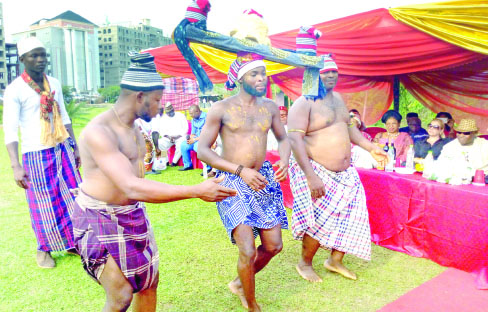
Abiriba has a colourful festival calendar. Several festivals, some centuries old bring the community together. Notable events include Itu Eye, a law enactment ceremony more than 600 years old and Igba Mgbugba, a festival with masquerades, dances and communal feasting.
Festivals display the town’s masquerade art, music, age-grade parades and special market days tied to the new yam season.
These fairs and ceremonies are lively public stages for the town’s art, oral history and moral lessons. They also attract visitors who want to see Igbo cultural performance and town pageantry.
Town Unions and Community Organizations
Town unions and community organizations play a central role in the social, economic and cultural life of Abiriba. These groups are structured to harness collective effort, mobilize resources and maintain cohesion among residents, both within the town and in the diaspora. They are essential for driving development projects, resolving conflicts and sustaining traditions that define Abiriba identity.
The Abiriba Town Union is the umbrella body that coordinates activities across the three villages. It serves as the main platform for dialogue between the traditional leadership, government representatives and residents. Through the town union, decisions are made on matters such as community development, health initiatives, education, security and infrastructural projects. Members contribute financially and voluntarily to ensure the success of these initiatives.
In addition to the town union, each village maintains its village development associations. These smaller bodies focus on localized issues such as maintenance of village roads, renovation of community halls and organization of cultural festivals. By working within their specific areas, they ensure that the needs of each village are addressed while aligning with the broader objectives of the town.
Age grades known as UKE are another vital aspect of community organization in Abiriba. Every male resident belongs to an age grade which functions as a social and civic group responsible for labour, security and cultural activities. These groups organize communal work, assist in festival preparations and enforce customary laws. They also serve as a channel for educating younger generations on community values and responsibilities.
Women’s organizations are equally significant. Groups such as the Abiriba Women’s Association actively participate in social development projects, including health campaigns, microfinance programmes and educational sponsorships. Women’s groups often lead fundraising efforts for community projects and play a critical role in nurturing cultural values, particularly in festival planning and culinary traditions.
Diaspora associations of Abiriba indigenes further extend the town’s organizational capacity. Abiriba people living in major Nigerian cities and abroad regularly form chapters to support the town through remittances, infrastructure development, scholarships and business investments. These diaspora networks strengthen the economic and social link between the town and its global population, ensuring that Abiriba continues to grow even as many of its citizens live away from home.
Together, the town union, village associations, age grades, women’s groups and diaspora chapters form a multi-layered system of community governance and development. This structure ensures that Abiriba maintains strong civic order, a vibrant social life and a steady path toward progress. By leveraging collective action and fostering a sense of belonging, these organizations have helped Abiriba preserve its heritage.
In essence, Abiriba’s community organizations are the backbone of social cohesion, cultural preservation and economic growth. Their work exemplifies how collective effort and organized community engagement can sustain a town’s identity and drive development over generations.
Local Dishes and Cuisine
Food is an essential part of Abiriba cultural identity as it reflects the community’s deep connection to its land, traditions and way of life. Abiriba cuisine is rich, flavourful and rooted in the natural produce of the region. Meals are often prepared with locally grown ingredients such as yam, cassava, cocoyam, vegetables, palm oil and assorted spices that give the dishes their distinct aroma and taste.
One of the most beloved delicacies in Abiriba is Ofe Okazi. This thick, green soup is made with finely shredded okazi leaves (also known as afang), cocoyam paste and palm oil. It is often cooked with stockfish, dry fish or bush meat to create a deeply satisfying flavour. Ofe Okazi is traditionally eaten with pounded yam, fufu or garri and is a must-have dish during festivals, weddings and family gatherings.
Another popular meal is Abacha, sometimes called African salad. It is prepared from shredded dried cassava and garnished with palm oil, pepper, garden eggs, onions and smoked fish. In Abiriba, Abacha is often served as a light meal during communal meetings or market days, especially, when shared among friends and visitors.
Ofe Nsala is also cherished among the people. Made without palm oil, it features catfish or chicken, yam paste for thickening, and local spices like utazi and uda for flavour. Nsala soup is considered a delicacy often reserved for special guests or served at important family occasions.
The Okazi and Egusi combination is another favourite where egusi and okazi leaves are cooked together to create a rich, hearty dish that pairs perfectly with pounded yam or akpu. This blend showcases Abiriba’s knack for combining flavours that balance earthiness and spice.
Yam porridge (Asaro) and plantain porridge are common household meals, especially, during harvest seasons. They are cooked with palm oil, crayfish, pepper and vegetables to produce a flavourful, nourishing dish enjoyed by both young and old.
For snacks and light meals, Moi Moi and Akara are widely loved. They are made from blended beans, pepper, and onions and are typically served during festive mornings or as accompaniments to pap or custard.
Palm wine locally tapped from raffia or oil palms remains the most traditional beverage in Abiriba. It is more than just a drink. It symbolizes hospitality, unity and celebration. Fresh palm wine is served during festivals, traditional marriages and community meetings, often enjoyed alongside roasted meat or dried fish.
In Abiriba, food is a symbol of togetherness. Meals are shared during celebrations, festivals and communal events, strengthening family ties and promoting unity among neighbours. Whether enjoyed in a family compound, at a market stall or during a grand festival, Abiriba cuisine tells a story of warmth, creativity and cultural pride.
Through their local dishes, Abiriba people continue to preserve their culinary heritage.
Prominent Sons and Daughters

Abiriba has produced people who reached national visibility in many fields. Among them are:
Onwuka Kalu: Born in Abiriba in 1954 and died in 2015. He was a Nigerian businessman, founder of Onwuka Hi-Tek, and co-founder of Fidelity Union Merchant Bank.
Uche Jombo: A Nollywood actress, writer and producer.
Philips Akwari: A documentary photographer known for his series “The Rich Abiriba Heritage.”
Ndukwe Onuoha: A poet, politician and the first African councillor elected to Derby City Council in the UK.
Landmarks and Tourist Attractions
Abiriba is not only a residential town, it has cultural landmarks that visitors appreciate:
Okpu Achi tree at the heart of town. This ancient tree is both a cultural symbol and a place of old rituals.
Obu houses and carved pillars used in traditional meetings and ceremonies. Photographs in archival collections show decorated oba houses and carved pillars that are uniquely Abiriba.
Igwa Mang and Ngbagba Ikoro festival sites where masquerade parades and drum ceremonies take place during festival times. These pageants are visually striking and historically rich.
Nearby cultural destinations in Abia State such as the Arochukwu long juju shrine and other regional heritage sites make Abiriba a comfortable stop in a broader cultural route for visitors interested in Igbo history.
Challenges and Positive Outlook
Like many towns in southeastern Nigeria, Abiriba has its own challenges. Issues include infrastructure gaps such as road maintenance, variable public water and electricity supply, youth employment needs and pressure on communal land from modern development.
Migration sees many young people move to cities for work and training which affects local labour and home-based crafts.
Still, Abiriba’s outlook is positive. The town benefits from strong diaspora ties and active town unions that raise funds and expertise to support schools, small clinics and road projects. Local age-grade structures help fill gaps by organizing collective labour and funding.
The durability of cultural festivals helps tourism potential. With better investment in roads, water and small business support, Abiriba could see growth in tourism, housing development and small industry that honours local crafts and history.
The town’s long history of trade and resilient social structures are important foundations for future progress.
In Conclusion…
Abiriba truly lives up to its name as Small London. A town where tradition meets progress, and culture blends beautifully with modern ambition. Its people, renowned for their industrious spirit and sense of community have transformed their ancestral home into a beacon of excellence across Igboland and beyond. From its rolling hills and sacred forests to its bustling markets and majestic compounds, Abiriba stands as a living symbol of resilience, innovation and unity.
The town’s strong community structure, guided by its traditional leadership and vibrant town unions continues to foster peace and development. Its festivals, cuisine and cultural practices keep the spirit of identity alive while the achievements of its sons and daughters in business, politics, education and the arts have earned Abiriba a distinguished place in Nigeria’s history.
Yet, amid its success, Abiriba remains deeply rooted in its values, namely, respect, hard work and collective growth. The challenges it faces today, from youth unemployment to infrastructure needs are being met with the same determination that built its proud legacy. Through collaboration between its traditional institutions, local organizations and the diaspora, Abiriba is charting a path toward a more prosperous future.
To visit or learn about Abiriba is to encounter a community that never forgets where it began, even as it reaches for greater heights. Its story is not just one of wealth or architecture but of a people who understand that true greatness lies in unity, culture and purpose.
Indeed, Abiriba remains a shining example of what a proud, forward-thinking Igbo town can be. Deeply traditional, beautifully modern and generally inspiring.
References
- https://en.wikipedia.org/wiki/Abiriba
- https://www.vanguardngr.com/2024/03/abiriba-history-day-evolution-of-a-people/
- https://nigeriareposit.nln.gov.ng/items/4178cab9-e265-4dc0-8f73-21295b145127
- https://ozikoro.com/the-abiriba-people-of-abia-state-history-culture-and-their-impact-on-nigerian-society/
- https://nationalambassadorngr.com/x-raying-the-impact-of-age-grade-system-in-community-devt-as-abiriba-community-retires-okezie-age-grade/
You might want to check this out…