





Biography
Zoro Musician: Biography of A Rising Nigerian Rap Star

Zoro is a Nigerian rapper and singer known for his unique Igbo rap style and the way he blends traditional culture with modern Afrobeat. This article explores his life, music career, impact, and achievements in detail.
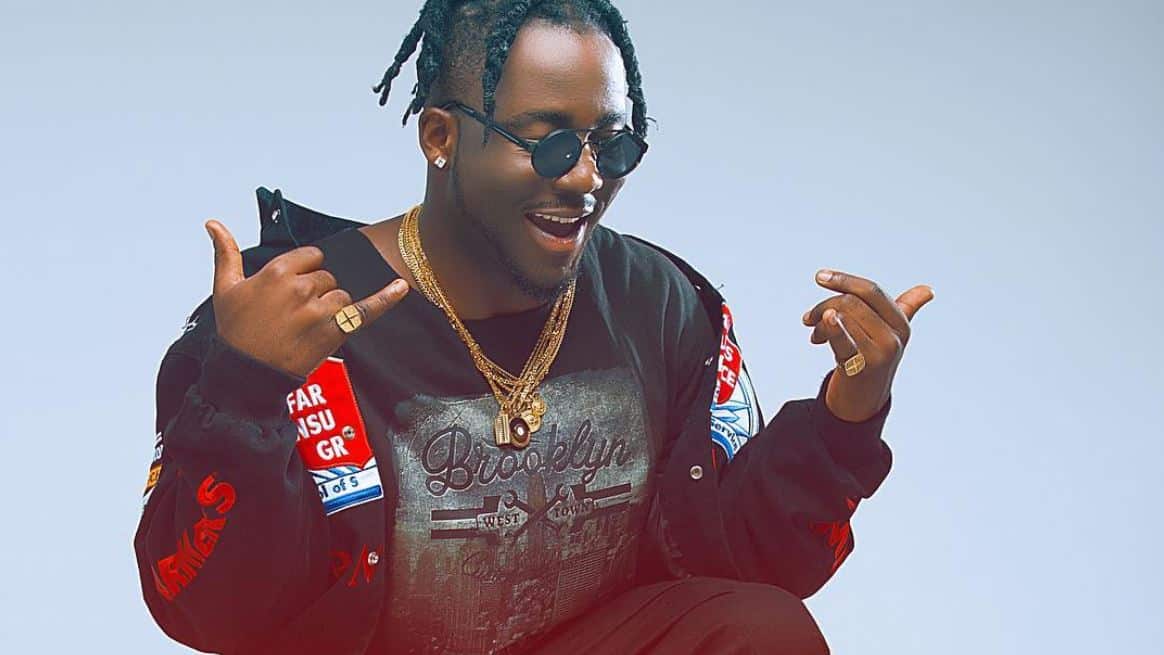
Zoro is quickly becoming one of Nigeria’s most exciting music voices. Known for rapping in his native Igbo language, he has found a way to fuse the rich rhythms of traditional culture with the infectious beats of modern Afrobeat and hip-hop.
His music does more than entertain. It tells stories of heritage, identity, and everyday life in a way that resonates deeply with fans. From his early days in Onitsha to performing on national stages, Zoro has carved out a space for himself in the Nigerian music scene.
Every track he releases carries a piece of Igbo culture that makes it feel fresh, contemporary, and relatable to a wide audience. Whether it is the driving energy of Ogene or the heartfelt lyrics of his other hits, Zoro’s artistry is a celebration of language, rhythm, and storytelling that cannot be ignored.
Zoro’s Early Life and Background
Zoro whose full name is Owoh Chimaobi Chrismathner was born on March 20, 1990 in the busy commercial city of Onitsha in Anambra State, Nigeria. Though his birthplace was Onitsha, his family is originally from Awgu in Enugu State.
He grew up in a large family with five siblings and spent his early years in a humble one‑room apartment in one of the city’s bustling neighbourhoods. His childhood was influenced by close family ties and daily life in a lively Igbo community.
Zoro’s parents worked hard to support the family. His mother ran a small restaurant where she served meals to local customers while his father worked as a butcher. Though money was often tight, his home was rich in language, tradition, and a strong work ethic. These early experiences left a deep impression on him and helped to nurture his determination to rise above challenges.
As a young boy, Zoro did not set out to be a musician. Instead, he dreamed of getting a good education and creating a stable life for himself and his family. He wanted to help improve their living conditions with the hope that one day, he would move his parents out of their cramped apartment into something more comfortable.
Zoro’s educational journey began at St. Mary’s Primary School in Onitsha where he excelled academically and even topped his class in the Common Entrance Examination. His strong performance showed from an early age that he had the focus and discipline to succeed.
After primary school, he attended the College of the Immaculate Conception (CIC) in Enugu for his secondary education, a boarding school where he mixed with classmates from different backgrounds. It was during his time at CIC that his interest in performing began to emerge, beginning as playful freestyles with friends.
After secondary school, Zoro went on to study at the Institute of Management and Technology (IMT) in Enugu where he earned an Ordinary National Diploma (OND) in Public Administration. His academic success continued, even as his creative side grew stronger. He later gained admission to Nnamdi Azikiwe University (UNIZIK) to further his studies, but by then, music was becoming impossible to ignore.
In 2014, with his music career beginning to take shape, he made the difficult decision to leave university and relocate to Lagos to pursue music full time.
Growing up in southeastern Nigeria, Zoro was surrounded by rich Igbo culture, language, and traditions. Even though music was not his first ambition, the rhythms and stories of his community stayed with him. These early life experiences would later become the foundation for his artistic identity that inspired him to rap in Igbo and celebrate his heritage in every song he released.
Musical Journey and Career Beginnings
Zoro’s journey into music did not begin with fame or a clear roadmap. It started quietly, influenced by curiosity, practice, and a strong sense of identity. As a teenager, he enjoyed freestyling with friends and performing at informal gatherings.
What stood out even then was his choice of language. While many young rappers leaned toward English or Nigerian Pidgin, Zoro felt most comfortable expressing himself in Igbo. For him, it was natural. It was the language he spoke at home, in the streets, and within his community.
In the early 2010s, Zoro began taking music more seriously. He recorded demos, performed at small shows, and entered local competitions around southeastern Nigeria. These early years were not glamorous as he was still a student that was balancing school with music, and funding his recordings from limited resources. Progress was slow, but the consistency helped him to sharpen his lyricism, confidence, and stage presence.
A major turning point came in 2014 when Zoro made the bold decision to relocate to Lagos, Nigeria’s entertainment capital. At the time, he was still enrolled at Nnamdi Azikiwe University. But then, he realized that staying in school would limit the attention and energy his music required. Moving to Lagos meant starting from scratch in a highly competitive environment. It also meant financial strain and uncertainty.
During this period, Zoro found support within the indigenous rap community. He became closely associated with Phyno, one of Nigeria’s most successful Igbo rappers. In interviews, Zoro has openly shared that he once slept on the floor in Phyno’s house while trying to find his footing in Lagos. That experience, though difficult, exposed him to professional studio sessions, industry conversations, and the realities of building a sustainable music career.
Zoro’s persistence soon paid off. His style which fused hard rap flows with cultural references and local expressions began to attract attention. He adopted the nickname Zoro Swagbag, a name that reflected both confidence and street appeal. His growing reputation eventually led to his signing with Penthauze Music, Phyno’s record label, a move that gave him structure, visibility, and access to better production resources.
Under Penthauze Music, he released a series of singles that introduced him to a wider audience. These early releases showcased his ability to rap fluently in Igbo while maintaining modern hip hop energy. The industry began to see him not as a novelty act, but as a serious artist with a clear artistic direction. His commitment to indigenous rap set him apart at a time when Nigerian music was becoming increasingly global.
Zoro’s early career was defined by patience, mentorship, and cultural pride. He did not rush success or abandon his roots for commercial appeal. Instead, he built steadily, learned from industry veterans and refined his sound. By the time his breakthrough arrived, he was fully prepared for the spotlight. This foundation would soon lead to the release of Ogene, the song that transformed him from a promising rapper into a national name.
Breakthrough Hits and Signature Style

Zoro’s career reached a defining moment in 2016 with the release of Ogene, a song that changed his trajectory and firmly placed him in the national spotlight. The track featured Flavour N’abania, one of Nigeria’s most respected highlife and Afrobeat artists. From the first beat, Ogene stood out.
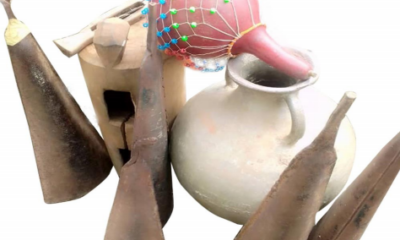
It was bold, cultural, and unapologetically Igbo. The song drew heavily from traditional Igbo music, especially the sharp, rhythmic sound of the ogene instrument, and merged it with modern hip hop production.
Ogene was not just a hit song. It became a cultural statement. Sung largely in Igbo, the track celebrated identity, pride, and heritage at a time when indigenous rap was still fighting for mainstream acceptance. The response was immediate. The song received heavy airplay across radio and television stations in Nigeria and quickly became popular at parties, cultural events, and concerts. For many listeners, Ogene was their first real introduction to Zoro’s artistry.
The success of the song also carried a deeper story. Flavour reportedly supported the project beyond just appearing on the track, including helping with the music video. This collaboration highlighted the sense of community within the Igbo music space and showed how established artists help to lift emerging voices. Ogene later earned Zoro the Best Indigenous Concept award at the Nigeria Music Video Awards, further confirming its impact and quality.
Following the success of Ogene, Zoro continued to build momentum with a string of singles that reinforced his identity as a leading indigenous rapper. Songs like Achikolo featuring Phyno showcased lyrical strength and street energy while Landlady presented a more playful and rhythmic side of his music. Tracks such as Mbada, Two, and Kulture allowed him to experiment with themes ranging from daily struggles to cultural pride and personal expression.
Zoro’s signature style is rooted in his use of Igbo language as a creative tool rather than a limitation. He does not simply translate English rap patterns into Igbo. Instead, he builds his flows around proverbs, local expressions, and everyday speech. This approach gives his music authenticity and depth. His delivery often shifts between hard rap, chant-like hooks, and melodic sections, making his songs dynamic and engaging.
Musically, Zoro mixes hip hop, Afrobeat, highlife, and traditional Igbo rhythms. Live percussion, cultural chants, and call-and-response patterns appear frequently in his work. These elements give his songs a communal feel, as if they are meant to be experienced together rather than listened to in isolation. Even when he experiments with contemporary sounds, his music remains firmly anchored in culture.
In later years, he continued to evolve. Songs like African Girl Bad featuring Oxlade introduced smoother melodies and romantic themes while newer releases such as Gangan and Show Off reflected growth, confidence, and a willingness to explore modern Afrobeat trends without losing his core identity.
What truly defines Zoro’s breakthrough era is consistency. He did not rely on one hit song to stay relevant. Instead, he used Ogene as a foundation and continued releasing music that stayed true to his roots. His ability to balance cultural authenticity with mainstream appeal is what sets him apart. Today, his sound is instantly recognizable. It is bold, proudly Igbo, and firmly positioned within Nigeria’s evolving music landscape.
Impact on Nigerian Music and Igbo Culture

Zoro’s influence goes beyond hit songs and chart positions. His biggest contribution to Nigerian music is the way he has helped normalize indigenous rap, particularly Igbo rap within the mainstream. At a time when many artists felt pressured to abandon local languages for wider acceptance, he took the opposite path. He proved that music rooted in culture could still travel far, connect deeply, and succeed commercially.
By rapping primarily in Igbo, Zoro has helped to preserve and modernize the language for a younger generation. His lyrics are filled with everyday expressions, proverbs, street slang, and cultural references that reflect real Igbo life. For young listeners who may not speak the language fluently, his music serves as both entertainment and informal education. It keeps the language alive in a modern context and makes it feel relevant rather than outdated.
Zoro’s success has also shifted industry perception. Indigenous rap is no longer seen as niche or regional. His visibility on national radio, television, and major stages has shown record labels, promoters, and media platforms that local language music can compete at the highest level. This has opened doors for other indigenous artists who now feel more confident embracing their roots without fear of being boxed in or overlooked.
Within Igbo culture, Zoro is widely regarded as a cultural voice. His music often reflects communal values such as resilience, pride, respect for heritage, and unity. Songs like Ogene are frequently played at cultural gatherings, festivals, and celebrations, blurring the line between traditional music and contemporary sound. This way, he acts as a bridge between generations as he connects elders who recognize the cultural elements and younger listeners who enjoy the modern production.
His influence is also evident in collaborations. By working with artists such as Phyno, Flavour, Oxlade, and others, Zoro has helped to create a shared cultural sound that blends highlife, Afrobeat, and hip hop. These collaborations amplify Igbo representation within Nigerian music and present it as dynamic and evolving rather than static.
Beyond language and sound, his personal story has become part of his impact. His journey from modest beginnings in Onitsha to national recognition resonates with many young Nigerians. It reinforces the idea that authenticity, patience, and consistency can still lead to success in an industry often driven by trends. His openness about struggles, mentorship, and growth adds credibility to his message.
In the broader Nigerian music landscape, Zoro stands as an example of how cultural identity can be a strength. He has shown that artists do not need to dilute their background to be relevant. Instead, leaning into heritage can create music that feels honest, powerful, and timeless. Through his work, Zoro has not only influenced a sound but has also contributed meaningfully to the preservation and celebration of Igbo culture in contemporary Nigerian music.
Awards, Recognition and Achievements
Zoro’s rise in the Nigerian music industry has been marked by steady recognition rather than sudden hype. His work has earned respect for its originality, cultural depth, and consistency, especially within the indigenous rap space. While he is not known for chasing awards, his music has still received notable acknowledgments from industry platforms and media organizations.
One of his earliest and most significant recognitions came in 2016, following the success of his breakout single Ogene. The music video won Best Indigenous Concept at the Nigeria Music Video Awards (NMVA). This award was important because it highlighted not just the song’s popularity but also its cultural value and creative direction. It confirmed Zoro as a leading voice in indigenous music at a national level.
Beyond this win, Zoro has received multiple nominations across reputable Nigerian and African award platforms. These include nominations from the City People Entertainment Awards, The Headies, the Nigerian Entertainment Awards, and the African Muzik Magazine Awards (AFRIMMA). These nominations placed him alongside mainstream artists and reinforced the growing acceptance of indigenous rap within the wider music industry.
Zoro’s achievements are also reflected in his performances and industry presence. He has performed at major music events, concerts, and cultural festivals across Nigeria, often representing Igbo music and language on large stages. His songs enjoy regular airplay on radio and television stations, and his music videos have attracted strong viewership online, especially among audiences who value cultural storytelling.
Another important milestone in Zoro’s career is the release of his debut album SoundCheck. The project featured collaborations with well-known Nigerian artists and demonstrated his ability to carry a full-length body of work without losing his identity. The album was widely discussed for its balance of lyrical depth, cultural pride, and modern production that further strengthened his reputation as a complete artist rather than a one-hit performer.
Zoro has also earned recognition within the music community for his professionalism and influence. Younger artists and indigenous rappers often cite him as an inspiration for staying true to their roots. His journey from local performances to national acclaim has become a reference point for artists who want to build long-term careers without abandoning their cultural identity.
While awards form part of Zoro’s story, his greatest achievement remains his impact. He has successfully positioned Igbo rap within mainstream Nigerian music and shown that language and culture can coexist with commercial success. This lasting influence continues to define his career and solidifies his place in Nigeria’s evolving music history.
Fan-base and Popularity
Zoro has built a strong and loyal fan-base that continues to grow with each stage of his career. His fans are drawn not only to his music but also to what he represents. Many listeners see him as a symbol of cultural pride, authenticity, and resilience. This connection has helped him to maintain relevance in an industry where trends change quickly.
A large part of Zoro’s popularity comes from his use of the Igbo language. For Igbo listeners, his music feels personal and familiar. It reflects everyday conversations, local humour, and shared experiences. For non-Igbo audiences, his sound is energetic and engaging, even when the lyrics are not fully understood. This balance has allowed his music to cross cultural and regional boundaries.
Zoro enjoys steady support on major music streaming platforms where his songs attract millions of plays over time. Tracks like Ogene, Achikolo, Landlady, and African Girl Bad continue to receive attention long after their release, showing lasting interest rather than short lived hype. His music videos also perform well online, especially among fans who appreciate strong visual storytelling tied to culture.
On social media, Zoro maintains an active and relatable presence. He uses these platforms to promote new releases, share behind the scenes moments, and connect directly with fans. His posts often reflect gratitude, humility, and pride in his roots which strengthens the bond between him and his audience. Rather than presenting an untouchable celebrity image, he appears approachable and grounded, qualities that fans value.
His live performances have further strengthened his popularity. Known for his high energy stage presence, he often engages the crowd through call and response chants, local expressions, and interactive moments. These performances create a shared experience that leaves a lasting impression, especially at concerts and cultural events where his music resonates strongly.
His fan-base cuts across different age groups. Younger listeners are drawn to his rap style and modern production, while older audiences appreciate the traditional elements and cultural references in his music. This wide appeal has helped him to maintain relevance across generations and has positioned him as a unifying figure within indigenous Nigerian music.
Overall, Zoro’s popularity is built on trust and consistency. Fans believe in his message and respect his commitment to culture. As his music continues to evolve, this strong foundation ensures that his audience grows with him rather than fading with time.
In Conclusion …
Zoro’s journey is a clear example of what happens when talent, patience, and cultural pride come together. From his early life in Onitsha to becoming one of Nigeria’s most respected indigenous rappers, he has remained consistent in both sound and identity. He did not chase trends or abandon his roots for quick recognition. Instead, he built a career that reflects who he is and where he comes from.
Through his music, Zoro has shown that the Igbo language and culture have a strong place in contemporary Nigerian music. His songs blend traditional elements with modern production in a way that feels natural and relevant. This approach has not only earned him loyal fans but has also influenced how indigenous music is perceived across the industry.
Beyond the awards and recognition, Zoro’s true impact lies in representation. He has given many young artists the confidence to embrace their language and heritage without fear of being overlooked. His story continues to inspire those who believe that authenticity still matters.
As he continues to evolve and release new music, his role as both a musician and cultural voice remains important. He stands as proof that staying true to one’s roots can create music that lasts, connects deeply, and leaves a meaningful mark on Nigerian music history.
References
- https://en.wikipedia.org/wiki/Zoro_%28musician%29
- https://biography.igbopeople.org/biography/owoh-chimaobi-chrismathner/
- https://enugumetro.ng/2025/03/20/enugu-home-grown-stars/
- https://glamsquadmagazine.com/i-was-sleeping-on-the-floor-in-phynos-house-before-i-blew-rapper-zoro/
- https://grokipedia.com/page/Zoro_%28musician%29
You might want to check this out …