
Festivals & Events in Nigeria
Bole Festival of Port Harcourt: Nigeria’s Biggest Street Food Event

Bole Festival is Nigeria’s biggest street food event. Explore its history, cultural significance, economic impact, lineups, local experiences, and why it draws thousands to Port Harcourt every year.
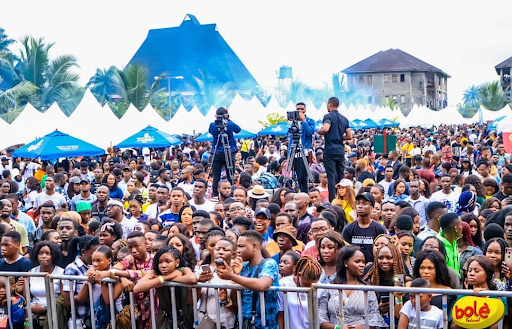
If you have ever stood by a roadside in Port Harcourt while bole roasts slowly over the open firewood, you already can explain the feeling. The smoky scent. The crackle of the heat. The steady hands turning plantain beside fresh fish and spicy sauce. Now imagine that familiar scene multiplied thousands of times, filled with music, laughter, bright lights, and people from all walks of life gathered in one place. That is Bole Festival!
Since it began in 2016, Bole Festival has grown into Nigeria’s biggest street food event. What started as a simple celebration of a beloved local meal has become one of the most anticipated cultural gatherings in Port Harcourt. Each year, the city comes alive. Vendors prepare in advance. Young people count down the days. Families plan outings. Visitors travel in just to experience the energy for themselves.
But Bole Festival is not only about roasted plantain and fish. It is about identity. It is about pride in local food and local talent. It is about small businesses finding customers, musicians finding audiences, and a community finding a shared moment of joy. The festival has steadily expanded in attendance, influence, and economic impact, and has placed Port Harcourt firmly on Nigeria’s cultural map.
In this article, we take a closer look at the Bole Festival. We explore its history, cultural significance, economic impact, and the reasons it continues to stand out as Nigeria’s biggest street food festival. If you want to understand why the Bole Festival is a big deal, you are in the right place.
What Is Bole Festival?
Bole Festival is an annual food and cultural event held in Port Harcourt, Rivers State, Nigeria. It celebrates bole, a popular southern Nigerian street food made from roasted plantain, and usually served with grilled fish and spicy pepper sauce. What started as a simple idea to spotlight this everyday roadside meal has grown into Nigeria’s biggest street food event.
The festival was first held in 2016. It was created to promote local cuisine, support small businesses, and give young people a lively space to connect through food, music, and art. Over the years, Bole Festival has expanded in size and visibility, as it draws tens of thousands of attendees to Port Harcourt. Crowds gather not just to eat but to enjoy live performances, shop from local vendors, and experience the city’s creative energy in one place.
Basically, Bole Festival is about celebrating something familiar. Bole is not luxury dining. It is the kind of meal people grab after work, during a night out, or on a casual evening with friends. By building a major festival around it, the organizers turned a humble street food into a cultural symbol. Today, Bole Festival stands as a proud celebration of Port Harcourt’s identity and Nigeria’s lively street food culture.
The Origin and History of the Bole Festival
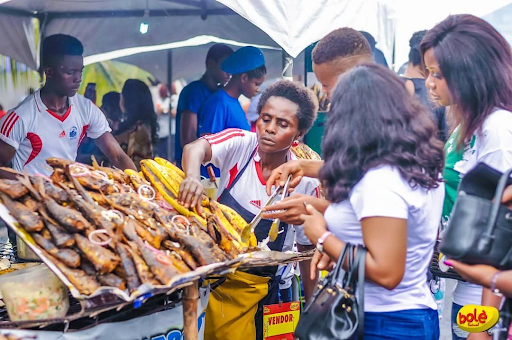
The story of the Bole Festival began with a simple but powerful idea. In 2016, Kennedy Nonso Iwuh, a young entrepreneur from Port Harcourt decided to create an event that would celebrate one of the city’s most loved street foods, bole. At the time, bole was already a daily favourite across Rivers State. It was sold at roadside stands, in busy neighbourhoods, and outside nightlife spots. Yet, it had never been given a dedicated platform on a large scale.
The first edition of the Bole Festival was held in Port Harcourt in 2016. It was designed as a food gathering that would spotlight roasted plantain and fish while bringing people together in a relaxed, lively environment. Reports show that the early editions attracted a modest but enthusiastic crowd. The response made it clear that the idea resonated with the community.
As the years passed, the Bole Festival grew steadily. Each edition introduced bigger stages, more vendors, stronger brand partnerships, and wider media coverage. Attendance numbers increased significantly, moving from hundreds in its early days to thousands within a few years. By the early 2020s, the festival had become one of the most anticipated annual events in Port Harcourt that draw visitors from other states and even from outside Nigeria.
The venue also evolved as the crowd expanded. The Yakubu Gowon Stadium in Port Harcourt became a central location for hosting the event, to provide enough space for food stalls, performance areas, exhibitions, and large audiences. This shift signalled how much the Bole Festival had grown from its humble beginnings.
Beyond numbers, the history of the festival is closely tied to the rise of youth-driven cultural events in Nigeria. It arrived at a time young Nigerians were seeking new platforms to celebrate local food, music, fashion, and creativity. The Bole Festival offered exactly that. It combined street culture with organized entertainment, thus giving bole a spotlight it had never had before.
Today, the history of the Bole Festival is often told as a story of vision and consistency. What began as a focused celebration of roasted plantain has become a cultural and economic event with national recognition. From its launch in 2016 to its present status as Nigeria’s biggest street food festival, the growth of Bole Festival shows how a simple local idea can grow into something far bigger than anyone first imagined.
Why It Is Nigeria’s Biggest Street Food Event
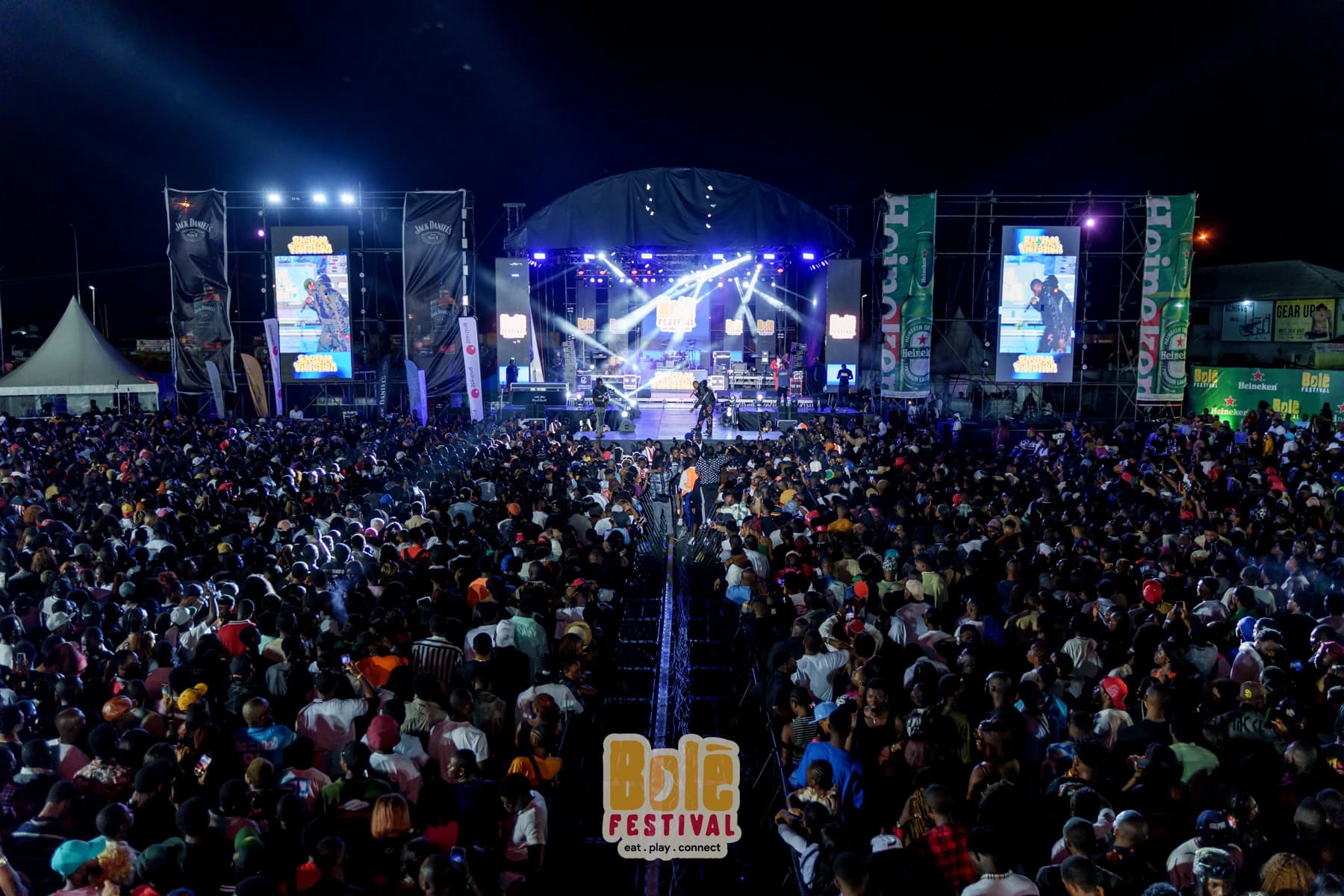
The Bole Festival did not earn the title of Nigeria’s biggest street food event overnight. It grew into that position through steady expansion, strong community support, and a clear focus on celebrating local culture in a way that feels accessible and exciting.
Several factors explain why the Bole Festival stands out in Nigeria’s crowded event space.
Massive Attendance and Consistent Growth
From its first edition in 2016, the Bole Festival has recorded steady growth in attendance. Early gatherings were modest, but within a few years, the crowd size increased into the thousands. Media reports in recent years have placed attendance figures in the tens of thousands which makes it one of the most heavily attended food-focused events in the country.
Large crowds alone do not make an event significant, but consistent yearly growth does. Each edition of the Bole Festival has built on the last. Bigger stages. More vendors. Stronger sponsorship. Wider media coverage. The pattern has been upward, and that consistency has positioned the festival as a major annual attraction in Port Harcourt.
A Clear Focus on Street Food Culture
Unlike many food fairs that mix fine dining with gourmet brands, the Bole Festival is rooted in street culture. Its centerpiece is bole, that is, roasted plantain served with fish and pepper sauce, a meal that ordinary people enjoy every day across southern Nigeria.
This focus matters. Bole Festival celebrates something familiar and affordable. It turns everyday street food into the main event without losing its authenticity. Visitors come not for luxury dining but for real, well-prepared local meals served by vendors who understand the tradition behind it.
Because bole is already widely loved, the festival naturally connects with a broad audience. It feels relatable. It feels local. And that emotional connection keeps people coming back.
A Full Cultural Experience Beyond Food
Food may be the heart of the Bole Festival, but it is not the only attraction. The event also features live music performances, DJ sets, dance showcases, games, and exhibitions. Popular Nigerian artists and entertainers have appeared at past editions, and have drawn even more attention to the festival.
This mix of food and entertainment transforms the Bole Festival into a full cultural experience. Visitors can eat, listen to music, shop from local vendors, and enjoy performances all in one space. That variety appeals strongly to young people, families, and tourists alike.
It also keeps the energy high. The Bole Festival feels lively from start to finish, which strengthens its reputation as more than just a food fair.
Strong Brand Partnerships and Media Visibility
Over the years, the Bole Festival has attracted sponsorship from major national and international brands. Companies in the food, beverage, telecommunications, and financial sectors have partnered with the event, and have helped to expand its reach and improve production quality.
These partnerships bring resources, marketing support, and national visibility. As coverage from mainstream media outlets increased, so did public awareness. The festival moved from being a local gathering to becoming a recognized cultural event across Nigeria.
Visibility plays a major role in scale. The more people hear about the Bole Festival, the more they plan to attend. That cycle of awareness and attendance continues to push the event higher.
Economic and Tourism Impact
The Bole Festival also stands out because of its economic effect on Port Harcourt. Vendors prepare for months. Artisans, small business owners, and service providers benefit from the influx of visitors. Hotels, transport services, and nearby businesses experience increased activity during the festival period.
When an event consistently boosts local commerce and attracts visitors from outside its immediate community, it goes beyond entertainment to become a tourism driver. That broader impact adds to the status of Bole Festival as Nigeria’s biggest street food festival.
A Strong Sense of Identity
Perhaps the most important reason the Bole Festival stands out is identity. It belongs to Port Harcourt. It celebrates southern Nigerian street cuisine without trying to be something else. It is proud of its roots.
That clarity has helped it grow without losing its purpose. People know exactly what the Bole Festival represents. It is about bole. It is about community. It is about youth culture. It is about gathering around food that feels like home.
For all these reasons, the Bole Festival has earned its reputation. Through steady growth, strong attendance, cultural depth, economic contribution, and national visibility, it has become widely recognized as Nigeria’s biggest street food event.
Cultural Significance of the Bole Festival
Beyond celebrating food, Bole Festival is a cultural landmark that highlights the identity, creativity, and heritage of Port Harcourt and the broader Niger Delta region. By putting a simple street food dish at the centre of a major festival, the event strengthens local pride and creates a platform for cultural expression.
Primarily, the festival celebrates everyday life. Bole, the roasted plantain and fish dish is a meal that is familiar to many. Turning it into a festival centerpiece transforms something ordinary into a symbol of cultural pride. This helps to bridge generations, as older attendees see a familiar food honoured on a large stage, while the younger visitors engage with it in a lively, social environment.
Bole Festival also showcases music, dance, art, and fashion. Performers and local artists are given a platform to share their talents, often incorporating traditional elements into contemporary presentations. This combination of food and culture allows attendees to experience the local way of life in a fun and interactive way.
Community bonding is another important aspect. Families, friends, and even strangers come together to share meals, participate in games, and enjoy performances. The festival fosters social connections, strengthens community networks, and encourages collaboration among local vendors, artists, and businesses.
Finally, the Bole Festival plays a role in preserving cultural heritage. In a rapidly globalizing world, events like this help to keep traditional foods, music, and customs alive. By celebrating local cuisine and entertainment in a public and highly visible way, the festival ensures that Port Harcourt’s cultural identity remains lively and accessible to both the locals and the visitors.
Essentially, the Bole Festival is a celebration of who the people of Port Harcourt are. It highlights the richness of local culture, encourages communal engagement, and honours traditions that might otherwise be overlooked in everyday life. It is a festival where culture and cuisine meet in a meaningful and joyful way.
Economic Impact on Port Harcourt
The Bole Festival is not only a cultural celebration, it is also a significant driver of economic activity in Port Harcourt. Every year, the event attracts thousands of visitors from across Nigeria and beyond, and creates opportunities for local businesses, vendors, and service providers.
Food vendors are the first to benefit. Many small business owners prepare for months in advance, stocking ingredients, perfecting recipes, and setting up stalls to serve festival-goers. The high volume of attendees translates directly into increased sales and higher incomes for these vendors. Roasted plantain, grilled fish, sauces, and side dishes sell rapidly, often in large quantities that would be impossible during normal market days.
The festival also supports artisans and craft sellers. From clothing and jewelry to home décor and souvenirs, local entrepreneurs have the opportunity to showcase their products to a wide audience. Visitors often purchase items as keepsakes in a way that contributes to the growth of small and micro businesses in Port Harcourt.
Beyond vendors and artisans, the festival positively impacts the hospitality and transport sectors. Hotels, guesthouses, and restaurants experience increased bookings as attendees travel to the city for the event. Taxis, ride-hailing services, and bus operators see higher demand during festival days.
Corporate sponsorship has further strengthened the economic impact of the festival. Brands such as Guinness, Johnnie Walker, MTN, and Moniepoint have partnered with the festival by providing financial support, marketing exposure, and logistical resources. These partnerships enhance the visibility of the event, even as it injectst funds that benefit both the organizers and participants.
Moreover, the festival encourages tourism in Port Harcourt. Visitors often extend their stay to explore the city, spend on local attractions, and enjoy other cultural experiences. This ripple effect helps to create jobs, boost commerce, and raise the profile of Port Harcourt as a vibrant cultural hub.
In total, the Bole Festival contributes to both direct and indirect economic growth. By combining food, culture, and entertainment, it provides income opportunities for local businesses, encourages tourism, and attracts corporate investment. Its continued expansion proves how cultural events can serve as powerful tools for economic development.
Where and When the Bole Festival Takes Place

The Bole Festival is held annually in Port Harcourt, the capital of Rivers State in southern Nigeria. Over the years, the main venue has become the Yakubu Gowon Stadium, a central location that can comfortably accommodate the thousands of visitors, vendors, and performers who attend each edition. The stadium provides ample space for food stalls, entertainment stages, artisan markets, and seating areas, making it an ideal setting for a festival of this scale.
The festival usually takes place in the latter half of the year, often around late summer or early autumn, though specific dates can vary from year to year. The organizers typically announce the official schedule several weeks in advance to give the attendees and vendors time to plan their participation. Some editions of the festival run over one or two days to allow enough time for visitors to enjoy the full range of food, music, and cultural activities.
The timing and location are significant. Port Harcourt’s accessibility and infrastructure support large crowds, while the chosen period avoids the heaviest rainy season, thus ensuring a smoother experience for attendees. The city itself comes alive during the festival, with local hotels, restaurants, and transportation services adjusting to accommodate the influx of visitors.
Attending the Bole Festival does not only involve sampling food, the venue and timing create a lively atmosphere where culture, music, and community converge, and as such, offer both the residents and visitors an immersive experience that highlights the richness of Port Harcourt’s local culture.
Experiencing Bole Festival
Attending Bole Festival is an experience that appeals to all the senses. From the moment you arrive at the Yakubu Gowon Stadium in Port Harcourt, the smell of roasted plantain fills the air, mingling with the aroma of freshly grilled fish and spicy sauces. This inviting scent immediately sets the stage for what the festival is all about – food, culture, and community.
The festival grounds are lively and colourful. Food vendors line the stadium, and offer a wide variety of bole dishes alongside complementary snacks and local beverages. Visitors can taste different styles of preparation, from the simplest roasted plantain with fish to more elaborate pairings with sauces, spices, and side dishes. Many vendors compete to serve the best bole, thus giving the attendees plenty of options to explore.
Beyond the food, entertainment is a central feature of the festival. Live music stages host performances by popular Nigerian artists, while the DJs provide upbeat tracks that keep the energy high throughout the day. Dance performances, cultural showcases, and interactive games create a dynamic atmosphere that appeals to both the young people and families.
Visitors also have opportunities to shop from local artisans and small businesses. Clothing, jewelry, crafts, and souvenirs are available throughout the festival grounds. These items reflect the creativity and culture of Port Harcourt, and allow attendees to take home a piece of the experience.
The festival is designed to be family-friendly. Children can enjoy designated play areas and safe zones while adults can relax at seating areas, sample food, and enjoy live performances. Security is carefully managed to ensure a safe environment for everyone, and volunteers and organizers are on hand to provide assistance and guidance.
One of the most memorable aspects of the Bole Festival is the sense of community it creates. People come not just to eat or watch performances but to connect with friends, meet new people, and celebrate a shared cultural heritage. At the end of the day, attendees leave with full stomachs, happy memories, and a stronger appreciation for the rich culinary and cultural traditions of Port Harcourt.
Whether it is your first visit or your fifth, Bole Festival offers a rich, warm, and engaging experience that combines food, music, art, and community into one unforgettable celebration.
Challenges and Future Prospects
As the Bole Festival continues to grow in popularity, it faces challenges that come with hosting one of Nigeria’s largest street food events. Managing large crowds is a constant concern. With tens of thousands of attendees gathering in one space, the organizers must ensure safety, maintain order, and provide sufficient facilities such as restrooms, seating areas, and first aid stations. Planning for logistics and crowd flow is crucial to keep the festival enjoyable for everyone.
Another challenge is infrastructure. While the Yakubu Gowon Stadium provides ample space, supporting the increased number of vendors, stages, and visitors requires careful coordination. Electricity, water, waste management, and accessibility are areas that need ongoing attention to maintain a smooth festival experience.
Sponsorship and funding also play a critical role. While the festival has attracted major brands like Guinness, MTN, and Moniepoint, securing consistent support is important for sustaining growth and improving production quality. Dependence on sponsorship can also create pressure to balance commercial interests with the cultural authenticity of the festival.
Despite these challenges, the future prospects of the Bole Festival are bright. The organizers are exploring ways to expand its reach both nationally and internationally. Plans include adding more cultural showcases, partnering with tourism boards to attract visitors from outside Nigeria, and enhancing the digital presence of the festival to engage audiences year-round.
The festival also has the potential to strengthen its economic impact further. By supporting more vendors, artisans, and performers, the Bole Festival can create additional opportunities for small businesses and boost tourism in Port Harcourt. Continued media coverage and growing brand recognition will likely help to attract larger crowds and more investment in the coming years.
Ultimately, the success of the festival lies in its ability to balance growth with authenticity. By preserving its focus on bole, local culture, and community while addressing logistical and financial challenges, Bole Festival can remain thriving as Nigeria’s biggest street food celebration and a symbol of cultural pride.
In Conclusion …
Bole Festival is a cultural experience that brings Port Harcourt to life by showcasing its culinary traditions, music, art, and community spirit. From its beginnings in 2016 as a small gathering to its current status as Nigeria’s biggest street food event, the festival has grown in scale, visibility, and impact.
Attending Bole Festival means more than tasting roasted plantain and fish. It also means connecting with people, celebrating local culture, and supporting small businesses. It provides a platform for young artists, musicians, and entrepreneurs to thrive, while also boosting tourism and economic activity in Port Harcourt.
The success of the festival is in its authenticity. By honouring a simple street food dish and creating a vibrant, inclusive environment, the Bole Festival has carved out a unique space in Nigeria’s cultural space. As it continues to grow, it promises to remain a highlight on the national calendar that attracts even more visitors, sponsorships, and opportunities for cultural exchange.
By and large, Bole Festival is a celebration of community, culture, and cuisine. It is a reminder that the most meaningful traditions often come from everyday experiences, and that simple pleasures like a perfectly roasted plantain can unite people and create lasting memories.
References
- https://en.wikipedia.org/wiki/Bole_Festival
- https://guardian.ng/news/port-harcourts-bole-festival-emerges-as-culturaleconomic-hub/
- https://riversstateministryofcultureandtourism.com.ng/cgi-sys/suspendedpage.cgi
- https://guardian.ng/saturday-magazine/food-fun-thrills-at-2022-bole-festival-in-port-harcourt/
- https://businessday.ng/life-arts/article/rivers-states-bole-festival-empowers-vendors-artisans-young-talent/
- https://businessday.ng/news/article/2025-bole-festival-draws-massive-turnout-boosts-culture-and-tourism/
You might want to check this out …