





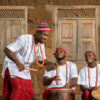
Festivals & Events in Nigeria
Ekuechi Festival: A Celebration of Ebira Culture and Heritage

Ekuechi Festival is a traditional annual celebration of the Ebira people that honours the ancestors and marks the end of the year with music, dance, masquerades, and community unity rooted in deep cultural meaning.

The Ekuechi Festival is both a cultural event and a living story told through music, masquerade, and dance under the night sky of Ebira land in Kogi State, Nigeria. For many, it feels like coming home before the festival even begins. The rhythms of talking drums echo through the dusty streets and earthen courtyards. The elders adjust their wrappers, and the children peer from the edges of gatherings with wide eyes.
Families who live far away make their way back to towns and villages. They return because Ekuechi Festival is a moment that holds memory, identity, and connection in a single breath. It is the rare time of the year when the ancestors are thought to walk among the living with voices carried on song and footsteps measured in masquerade dance.
Every year, at the close of the calendar, the Ebira people come together to honour their heritage, celebrate community, and join in a ritual that has thrived through generations. The festival invites both the locals and curious visitors to witness a culture that prizes unity, reverence, and continuity. In this space, music is not background noise. It is a bridge. Costumes are not props. They are reminders of the stories that define a people.
This celebration captures the heart of Ebira culture and heritage. It weaves traditional values into every drumbeat and mask. It invites everyone present to become part of something deeper than festivity – a shared human story of belonging.
Who Are the Ebira People?
The Ebira people are an ethnic group located mainly in the central part of Kogi State, Nigeria. They are known for their rich culture, strong community bonds, and history that goes back in time. Traditionally, the Ebira are farmers, artisans, and cloth weavers who live in towns and villages along the Niger-Benue confluence. Their society is organized around extended families and clans where respect for elders and communal life is central.
Ebira society is led by the Ohinoyi of Ebiraland, the traditional ruler who guides cultural, social, and sometimes, political matters in the community. The people take pride in their heritage, language, and customs which have been preserved despite modern influences and the pressures of urbanization.
Cultural expressions are a vital part of everyday life for the Ebira. Music, dance, masquerades, and festivals like Ekuechi are not just for entertainment, they are ways to teach lessons, honour the ancestors, and strengthen social ties. The Ebira are deeply spiritual people. They combine traditional beliefs with Christianity and Islam which is a reflection of the diversity of thought and practice in their communities.
Lerning about the Ebira people helps us to understand the importance of the Ekuechi Festival. This celebration is not only a cultural highlight but also a window into the values, history, and social life of a community that has kept its identity alive for generations.
Origins and Meaning of the Ekuechi Festival
The Ekuechi Festival is one of the most cherished traditions of the Ebira people. Its name comes from two Ebira words – Eku which refers to ancestral masquerades, and Chi which means descent. Together, the term captures a central belief of the festival that the ancestors descend to the world of the living to join their families in celebration.
Historically, the festival dates back centuries, and originates as a way to honour the deceased, recognize family lineages, and mark the passage of time. It is celebrated at the end of the Ebira calendar year, often between November and early January, depending on local community decisions. The timing allows families to gather after the harvest, and gives them a chance to share in both material and spiritual abundance.
Stories passed down through generations explain why certain masquerades are central to the celebration. One tale involves two ancestral figures, Obaji and Ododo. Ododo masquerade was said to be brought out immediately after his death, while Obaji’s appeared later. This history shapes the roles of masquerades today, and gives each performance layers of meaning and connection to past generations.
Beyond the ritual, the festival is a living link between the past and the present. Music, dance, and performance are all woven with the understanding that the ancestors are watching, guiding, and blessing the community. For the Ebira people, Ekuechi Festival is a moment of continuity, a celebration of identity, and a reaffirmation of values that have endured for generations.
In essence, the Ekuechi Festival embodies the philosophy that life and ancestry are intertwined. It reminds every participant that while the community moves forward, it is deeply rooted in memory, respect, and the timeless presence of those who came before.
Rituals and Cultural Practices

The Ekuechi Festival comes alive through a rich blend of rituals, music, dance, and masquerades that capture the spirit of Ebira culture. From the first drumbeats to the final night performance, every act is carefully performed to honour the ancestors, celebrate community, and pass on traditions.
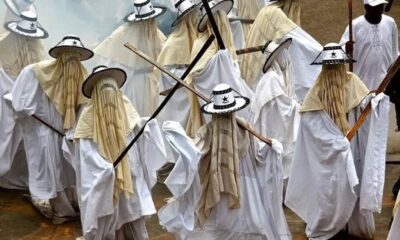
Preparations for the festival begin weeks in advance. The elders and performers gather to rehearse chants, dances, and masquerade movements. Costumes and masks are meticulously crafted, often using local materials such as raffia, cloth, and carved wood. Each masquerade has its own story, personality, and purpose. Some represent specific ancestors, while others serve as messengers conveying moral lessons to the community.
At night, the festival transforms the villages into stages. Masquerades believed to embody the spirits of the ancestors move with energy and precision. Their movements are accompanied by the hypnotic rhythms of drums and the melodic chants of singers known as Ikede performers. These songs narrate historical events, family lineages, and ethical lessons with the aim of ensuring that every member of the community is reminded of their heritage and responsibilities.
Different masquerades serve distinct roles during the festival. Eku’rahu, for instance, performs late-night rituals that carry deep spiritual significance, while Sementi and Irenuohi may appear to offer blessings or admonishments. Their dances are precise, often communicating subtle messages about community values, respect for elders, and the importance of harmony.
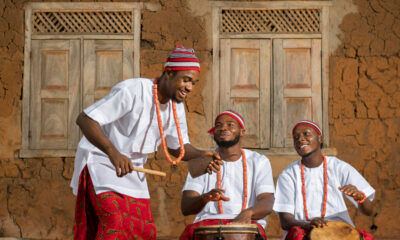
Music and dance are inseparable from the masquerades. The drummers adjust their rhythms to signal changes in performance, while the singers narrate stories that connect the living to their ancestors. Even the audience participates by clapping, singing along, or responding to the performers’ calls. The experience is immersive as it creates a bridge between history, culture, and the present moment.
For the Ebira people, these rituals are not only symbolic, they serve practical social purposes. They bring families together, strengthen clan bonds, and teach the younger members about ethics, courage, and respect. The festival also reinforces communal unity in a way that reminds everyone that life is a shared journey intertwined with the wisdom of the past.
The Ekuechi Festival is a living classroom, a celebration, and a spiritual experience all at once. Its rituals and cultural practices ensure that the heart of Ebira heritage continues to beat strongly, year after year in the vibrant communities of Kogi State.
Social and Cultural Significance
The Ekuechi Festival involves more than music, dance, and masquerades. For the Ebira people, it carries deep social and cultural meaning that touches every aspect of community life. It is a celebration that reminds the people of who they are, where they come from, and the values that guide daily life.
Primarily, the festival is about ancestral connection. The masquerades are believed to embody the spirits of the forebears who offer guidance, blessings, and lessons to the living. Each performance carries messages about honesty, respect, courage, and unity. Community members watch, listen, and participate as they learn through the stories embedded in music and movement. This interaction creates a sense of continuity that strengthens the bond between generations.
Social cohesion is another vital role of the Ekuechi festival. Families and clans gather from near and far, some often travelling long distances to take part. Reunions happen naturally, as relatives catch up, share meals, and exchange stories. Young people learn the names of elders, the stories of their lineage, and the practices that sustain community life. This way, Ekuechi strengthens identity, builds trust, and fosters a sense of belonging.
The Ekuechi festival also celebrates Ebira heritage in a public, performative way. Visitors, including non-Ebira people can witness the beauty and uniqueness of the culture. Music, costume, and masquerade performances showcase artistry, creativity, and communal effort. The festival is a reminder that culture is not just inherited, it is lived, expressed, and preserved through action.
Moreover, Ekuechi Festival functions as a cultural compass that encourages ethical behaviour, social responsibility, and respect for tradition. The moral lessons embedded in the songs, dances, and performances help to maintain societal order, and provide moments of reflection and entertainment.
In essence, the Ekuechi Festival is a cornerstone of Ebira society that preserves history, celebrates community, and nurtures a shared identity. Every drumbeat, every chant, and every masquerade is a thread connecting the past with the present, and ensuring that Ebira culture continues to thrive in an ever-changing world.
Contemporary Celebration
Today, the Ekuechi Festival remains a vibrant and highly anticipated event in Ebira communities across Kogi State. While it honours centuries-old traditions, the festival has adapted to modern life by allowing both the locals and visitors to experience its magic in new ways.
Communities like Okene, Adavi, and Ebiraland towns host nights of elaborate masquerade performances, music, and dance that draw crowds from near and far. The streets and courtyards come alive with energy as families gather, neighbours share meals, and children watch in awe as masked figures move to the magnetic rhythms of drums. The festival atmosphere blends joy, reverence, and cultural pride, and creates memories that linger long after the celebrations end.
While the core rituals remain intact, contemporary considerations such as safety, public order, and modern scheduling influence how the Ekuechi festival unfolds. Some performances start earlier in the evening, and community organizers often ensure that the younger audiences can participate safely. Even with these adaptations, the spiritual and cultural essence of the festival continues to thrive.
The Ekuechi festival has also embraced opportunities to welcome outsiders. Visitors from other parts of Nigeria and tourists are invited to witness the performances, learn about Ebira traditions, and participate in communal meals and celebrations. This openness not only showcases the richness of the culture but also helps to sustain it for future generations.
Modern media has played a role in spreading awareness of Ekuechi Festival. Videos of masquerade performances, music, and storytelling reach audiences far beyond Kogi State, and generate interest among cultural enthusiasts, researchers, and students. Social media platforms and local news outlets highlight the vibrancy of the festival with the aim of ensuring that the Ebira cultural heritage remains visible and appreciated in the 21st century.
In all its contemporary expressions, the Ekuechi Festival serves as a bridge between the past and the present. It celebrates unity, identity, and cultural pride as it adapts to the needs of modern life. Whether through ancestral masquerades, music, or community gatherings, the festival remains a living testament to the endurance and vitality of Ebira culture.
Role of Music and Performance
Music and performance are the heartbeat of the Ekuechi Festival. Without the drums, songs, and movement, the festival would lose much of its spirit. For the Ebira people, music is not just entertainment, it is a language that connects the living with their ancestors, carries stories of the past, and expresses the values that bind the community.
During the festival, drummers and singers take centre stage. The drumming patterns guide the movements of masquerades, signalling changes in tempo, mood, or narrative. The singers, also called Ikede performers narrate historical events, family lineages, and moral lessons through song. Their voices rise and fall as they draw the audience into the rhythm of the story. Every beat, every chant, carries meaning, and teaches lessons about honesty, respect, courage, and unity.
Masquerades respond to the music with carefully choreographed movements. Some move gracefully across the space, while others enact dramatic gestures that capture attention and convey messages. The combination of music, dance, and costume transforms the Ekuechi festival grounds into a living stage where history, spirituality, and art converge.
Performance also serves a social purpose. It brings the community together by encouraging participation and dialogue. Young people watch and learn, elders nod in recognition, and the audience responds with claps, cheers, or calls. Through performance, values and traditions are shared in a way that is both entertaining and educational.
Even today, the role of music and performance in the Ekuechi Festival remains central to its identity. It is through sound, rhythm, and movement that the festival communicates its essence, thus bridging generations and ensuring that the stories of the Ebira people continue to resonate.
Challenges and Adaptations
Like many long-standing traditions, the Ekuechi Festival faces challenges in a modern world. Urbanization, religious changes, and safety concerns have influenced how some communities observe the festival. While the festival remains a spiritual and cultural anchor for the Ebira people, adaptations have become necessary to ensure that its rituals continue safely and meaningfully.
One notable challenge is urbanization. As towns grow and roads expand, traditional festival routes may be disrupted. Masquerade performances that once took place in quiet village courtyards now happen in open streets, and as such, require coordination with local authorities to ensure safety for both the performers and the spectators.
Religious influence is another factor. The Ebira people are a mix of traditional beliefs, Christianity, and Islam. Some religious groups prefer focusing on cultural aspects rather than spiritual rituals tied to ancestor worship. Despite this, the festival continues to balance faith and tradition by maintaining its core rituals while being inclusive of other beliefs.
Safety concerns have also led to adjustments. Late-night gatherings may be shortened or supervised to protect the children and large crowds. Local committees sometimes, schedule multiple performances on different nights to reduce congestion and maintain order. These practical adaptations do not diminish the meaning of Ekuechi Festival, instead, they allow traditions to thrive in a contemporary setting.
Media and technology have provided new opportunities for adaptation. Social media, photography, and local broadcasts share the festival with wider audiences, thereby generating awareness and interest among the younger ones who may not live in the communities. This helps to preserve the cultural significance of Ekuechi Festival, even as lifestyles change.
Despite these challenges, the Ekuechi Festival has endured. Its ability to adapt while preserving its essence shows the resilience of Ebira culture. The festival unites the people, honour the ancestors, and pass values to the younger people in a way that proves that tradition can thrive, even in a rapidly changing world.
Experiencing the Ekuechi Festival

Experiencing the Ekuechi Festival is like stepping into a world where history, culture, and community come alive. For the visitors and locals alike, the festival offers a unique opportunity to witness the Ebira people celebrating their heritage with music, dance, and vibrant masquerades.
The best time to experience the festival is at night when masked figures move gracefully under the moonlight. Drums echo across open spaces, chanting rises and falls in rhythm, and the air is filled with anticipation. Children peek from behind the elders, their eyes wide with wonder. Families gather around courtyards and open fields to share food, laughter, and stories. The energy is palpable, and every performance carries a sense of sacredness.
Visitors are welcomed to observe with respect and curiosity. It is important to understand that the masquerades are believed to represent ancestral spirits. Participation comes in the form of applause, call-and-response singing, or following communal guidance during dances. Observers quickly realize that the Ekuechi festival is both entertainment and a shared experience that connects everyone present to the cultural heartbeat of the Ebira people.
Beyond the performances, the festival offers glimpses into daily life and traditional practices. Community members prepare special meals, the children help the elders with arrangements, and artisans display handcrafted costumes and masks. These moments allow visitors to appreciate the care, skill, and commitment that sustain the Ekuechi festival.
Modern audiences also enjoy multimedia glimpses of the festival. Social media posts, videos, and photography capture the sights and sounds, and allow people outside Kogi State to experience Ekuechi festival from afar. Yet, nothing replaces the feeling of being there in person, immersed in the rhythm, story, and tradition.
Experiencing the Ekuechi Festival is participating in a living tradition, understanding the values of the Ebira people, and witnessing the enduring connection between the living and their ancestors. It leaves visitors with a sense of belonging, cultural appreciation, and respect for one of Nigeria’s richest heritage celebrations.
In Conclusion …
The Ekuechi Festival stands as one of the most remarkable cultural celebrations in Nigeria. For the Ebira people, it is not just an event, it is a living tradition that reveres the ancestors, strengthens community bonds, and preserves a vibrant cultural identity. Through masquerades, music, dance, and storytelling, the festival brings together generations, and creates a shared space where history, spirituality, and artistry converge.
From its origins in ancestral worship to its contemporary expressions, the Ekuechi Festival has shown resilience by adapting to modern realities while keeping its core values intact. It continues to educate, entertain, and inspire with the aim of reminding both the participants and visitors of the richness of Ebira culture and heritage.
Experiencing the festival offers a window into a world where culture is lived, and not just remembered. It highlights the importance of unity, respect, and the preservation of traditions that have endured for centuries. In celebrating the Ekuechi Festival, the Ebira people reaffirm their identity, honour their history, and invite the world to witness the beauty of a community deeply rooted in heritage.
For anyone seeking to understand the depth of Nigerian culture, the Ekuechi offers an unforgettable journey into the heart of the Ebira people as a festival that celebrates the past, enriches the present, and inspires the future.
References
- https://en.wikipedia.org/wiki/Ebira_people
- https://www.ebirafirst.org/about
- https://kogicultureandtourism.wordpress.com/2020/06/16/ekuechi-festival-in-ebiraland/
- https://presscodenews.com/2025/12/05/ekuechi-festival-ebiras-sacred-night-returns-with-cultural-pride-in-kogi-central/
- https://ssrpublisher.com/wp-content/uploads/2025/07/Masquerade-Festivals-among-the-Ebira-Tao-of-Kogi-State-Socio-Cultural-Significance-and-Implications-for-Christian-Mission-in-Ebiraland.pdf
- https://uniprojects.net/historical-assessment-of-ekuechi-festival-from-pre-colonial-era-to-date/
- https://nnewicity.com/ebira-people-of-nigeria-history-culture-festivals/