




Igbo History
The Historical Importance of Palm Products in Igbo Society

Palm products in Igbo society played a major role in traditional economy, culture, spirituality, trade, food, and daily life across Igboland for centuries.

Palm products in Igbo society were never ordinary agricultural items. They were part of everyday survival, family life, local trade, spiritual practices, and community identity. In many traditional Igbo communities, the oil palm tree was seen as one of the most useful gifts of nature because almost every part of it had a purpose.
Long before colonial rule reached Eastern Nigeria, palm oil, palm wine, palm kernels, palm fronds, and other palm-based materials were already deeply connected to life in Igboland. Families depended on them for food, medicine, shelter, ceremonies, and income. Villages built local economies around them. Markets grew because of them. Traditional occupations survived through them.
The importance of these palm products in Igbo society became even greater during the nineteenth century when European demand for palm oil increased after the decline of the transatlantic slave trade. Palm produce later became one of the biggest exports from Eastern Nigeria and turned many Igbo communities into active commercial centres.
Even today, many aspects of traditional Igbo culture still carry the presence of palm products. From marriage ceremonies to village festivals and traditional cooking, the influence remains visible.
Understanding Palm Products in Igbo Society
Palm products in Igbo society come from the oil palm tree known locally as nkwu. In many Igbo communities, this tree is not just another plant in the forest or farm. It is a source of food, income, materials, and tradition that touches everyday life in a very direct way.
The main palm products in Igbo society include palm oil, palm kernel oil, palm wine, palm kernels, palm fronds, and palm fibres. Each one has its own use. Palm oil is the most common and is used in cooking and food preparation. Palm kernel oil is used in local skincare and traditional remedies. Palm wine is tapped fresh from the tree and shared during social gatherings, ceremonies, and visits. Palm fronds are used for roofing, fencing, decoration, spiritual and cultural activities.
What makes these palm products in Igbo society important is not only their usefulness, it is how deeply they are tied to daily survival. In traditional Igbo life, very few parts of the palm tree were wasted. People harvested, processed, and used what they needed, while also selling the rest in local markets.
Over time, palm products became part of both household living and community economy. They supported farming families, created trade opportunities, and helped to sustain village markets long before modern industries arrived in Eastern Nigeria.
In simple terms, understanding palm products in Igbo society means understanding how a single natural resource helped to support food, work, culture, and local trade across generations.
The Origins of Palm Products Use in Igboland
The use of palm products in Igbo society goes back many generations, long before modern trade and industrial farming. The oil palm tree known as nkwu grows naturally in the rainforest belt of southeastern Nigeria where many Igbo communities are located. Because of this environment, early Igbo people came into contact with the tree as p
art of everyday life in the forest and farmlands.
Over time, communities learned how valuable the palm tree was. At first, it may have been used in simple ways such as collecting palm fruits, tapping palm wine, and using palm fronds for basic needs. As knowledge grew, people began to develop more structured ways of processing palm fruits into oil and using different parts of the tree more deliberately.
Historical studies and archaeological findings suggest that oil palm use in West Africa is very old. Evidence of palm kernels were found in ancient settlement sites in parts of southeastern Nigeria. So, palm products have been part of Igbo life for a very long time, not a recent development. Early communities gradually turned what they found in nature into a stable part of farming and domestic life.
As Igbo society became more organized, palm trees were not just seen as wild plants. Families and communities began to recognize their value. Palm groves were protected, and harvesting became a regular seasonal activity tied to farming cycles. Knowledge about tapping, processing, and using palm products was passed down within families, often through hands-on learning.
As such, the origins of palm product use in Igboland are closely linked to the environment, traditional knowledge, and the practical needs of early communities. What started as simple use of a natural resource gradually became an important part of daily life, economy, and culture across Igboland.
Palm Oil as the Economic Backbone of Traditional Igbo Society

Among the palm products in Igbo society, palm oil played a central role in, especially as one of the most valuable and widely used resources in traditional life. It was not only a household cooking ingredient, it was also a major driver of local trade, family income, and community exchange long before modern industries arrived in Igboland.
In many Igbo communities, palm oil production was a regular part of rural life. Families harvested palm fruits in large quantities during the season and processed them using traditional methods. The process involved boiling, pounding, and carefully extracting oil from the fruit. It required time, effort, and cooperation, often involving both family members and neighbours working together.
Once processed, palm oil moved into local markets where it became one of the most traded items. Women played a major role in this system. They processed, carried, and sold palm oil across villages and trading centres. Through this activity, palm oil supported household income and strengthened the structure of traditional market life across Igboland.
As trade expanded beyond local communities, palm oil became one of the most important export products from southeastern Nigeria. During the nineteenth century, European demand for palm oil increased sharply, especially for use in soap production, candles, and industrial manufacturing. This shift placed palm oil at the centre of external trade networks and increased its economic value significantly. It was a major export commodity from West Africa during this period.
Even with this wider commercial demand, palm oil remained deeply connected to palm products in Igbo society at the local level. It continued to serve everyday cooking needs, support traditional exchange systems, and sustain rural livelihoods.
In simple terms, palm oil was not just a palm product, it was a main part of how palm products in Igbo society supported economy, trade, and daily survival across generations.
Palm Wine and Its Cultural Significance in Igbo Society
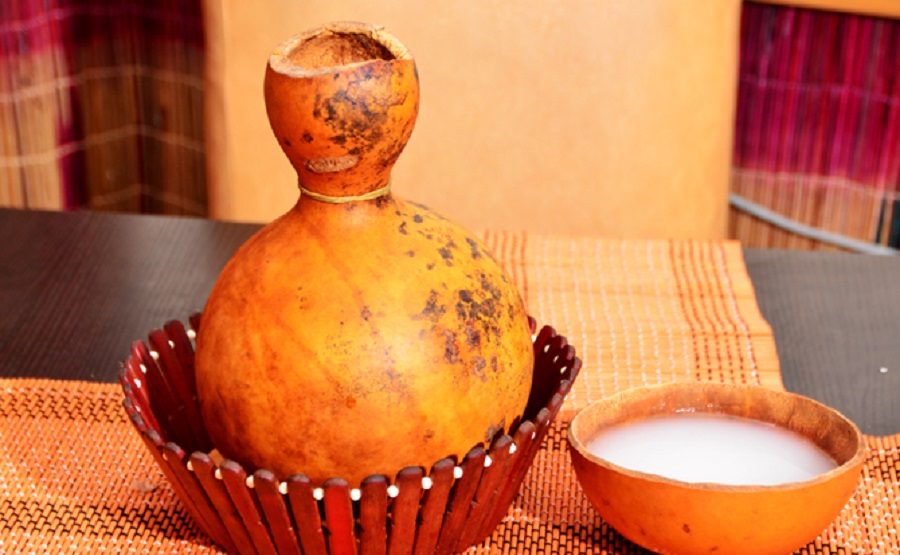
Palm wine holds a special place among the palm products in Igbo society, not just as a drink but as a part of social life, respect, and tradition. Tapped fresh from the oil palm or raffia palm, it has been part of Igbo culture for generations and appears in many important moments of community life.
In many Igbo communities, palm wine is closely tied to hospitality. When a visitor arrives, especially an elder or respected guest, offering palm wine is a simple but meaningful way of showing welcome. It is more than refreshment. It signals openness, respect, and peaceful intentions between the host and the guest.
Palm wine also plays an important role in traditional ceremonies. During marriage introductions and bride price discussions, it is often used as part of the ritual process that brings both families together. In many communities, the presentation and sharing of palm wine marks the formal beginning of agreements and relationships between families.
It is also present in festivals, title-taking ceremonies, and community gatherings. Elders often gather to drink palm wine while discussing important village matters. In these settings, it supports conversation and unity, as it makes it easier for people to sit together and talk through issues calmly.
In some traditional practices, palm wine is used in libation and prayers. Elders pour it on the ground as a symbolic gesture when honouring ancestors or seeking blessings during important events. This connects palm wine to spiritual and cultural beliefs that are part of Igbo worldview.
Palm wine tapping itself is also a respected skill within palm products in Igbo society. Tappers learn the technique over time, often from family members. The work requires patience, balance, and knowledge of the trees. It is both a livelihood and a cultural practice passed through generations.
Palm Kernel, Palm Kernel Oil, and Their Cultural Significance in Igbo Society


Palm kernel and palm kernel oil are important parts of palm products in Igbo society, even though they are sometimes less talked about than palm oil or palm wine. They come from the same oil palm tree, but they serve different purposes and have their own place in daily life, trade, and traditional practices across Igboland.
The palm kernel is the hard seed found inside the palm fruit after the outer pulp is removed. In many Igbo communities, cracking palm kernels was a common household activity, especially among women and children. It was often done after palm oil processing, making full use of every part of the harvest. Nothing from the fruit was left unused.
Palm kernel oil, as part of palm products in Igbo society, is extracted from the seed and has long been used in Igbo society for different purposes. Traditionally, it was applied to the skin, especially for children, and used in basic home care routines. It was also used in some local remedies and homemade preparations for skin and body care. Because of its texture and durability, it was valued in many households.
Beyond household use, palm kernels also played a role in local trade. Women often sold cracked kernels or processed oil in village markets. This trade contributed to family income and strengthened the role of market systems in Igbo communities. In many cases, palm kernel products provided steady support for small-scale household economies.
Within the broader system of palm products in Igbo society, palm kernel use reflects the Igbo practice of full resource utilization. Every part of the palm fruit had value, and communities developed ways to process and benefit from it without waste. This approach supported both economic survival and practical living in traditional society.
Simply put, palm kernels and palm kernel oil were not minor by-products. They were part of everyday life, supporting health, trade, and household needs while fitting into the larger palm-based economy that sustained Igbo society for generations.
Palm Fronds, Palm Fibre, and Their Cultural Significance in Igbo Society
Palm fronds and palm fibre are often overlooked, yet they form an important part of palm products in Igbo society. In many Igbo communities, the oil palm tree was valued not only for food and oil but also for the simple materials that came from its leaves and inner fibres. These materials supported daily life in practical and cultural ways.
Palm fronds are the large leafy parts of the oil palm. In traditional Igbo life, they were widely used around homes and compounds. Families used them for fencing, especially when setting up temporary boundaries or protecting farmland. They were also used for roofing small huts and sheds, particularly in rural areas where modern building materials were not available.
Beyond household use, palm fronds also appeared in cultural and ceremonial spaces. In some communities, they were used to mark special events or sacred places. They could be seen during festivals or traditional gatherings where they helped to define space and add meaning to the environment. Their presence often signalled that something important or culturally significant was taking place.
Palm fibre which comes from the inner parts of the palm tree was another useful material in Igbo society. It was commonly used to make ropes, baskets, brooms, mats, and other everyday tools. These items were essential for farming, cooking, storage, and household chores. Because of this, palm fibre supported both domestic life and small-scale craft work.
In many homes, these materials were produced locally. People gathered fronds and fibres, dried or processed them, and turned them into useful items without depending on outside suppliers. This reflects how palm products in Igbo society supported self-reliance and practical living.
The Role of Palm Products in Daily Igbo Life
Palm products in Igbo society were part of everyday living in a very practical way. Long before packaged goods and modern household items became common, families depended on different parts of the oil palm tree to meet daily needs. It was present in food, household work, building, and even small business activities within communities.
In most Igbo homes, palm oil was a regular ingredient in cooking. It was used to prepare soups, stews, and local dishes that formed the core of daily meals. Its rich colour and taste made it an essential part of traditional cuisine. Without palm oil, many meals in Igboland would not feel complete.
Palm kernel oil also had its place in home life. It was commonly used for skincare, especially for children, and in some traditional remedies. Many families kept it for personal use or small-scale sale in local markets. This added another layer to how palm products in Igbo society supported both health and household needs.
Palm wine was another familiar part of daily and social life. It was tapped fresh and shared during visits, family gatherings, and community discussions. In many rural areas, offering palm wine to a guest was a simple but important sign of respect and welcome. It also appeared in ceremonies and social events, making it a regular feature of communal living.
Beyond food and drink, other palm products in Igbo society were useful in practical ways. Palm fronds were used for roofing temporary shelters, fencing compounds, and making household items like baskets and mats. Palm fibres were turned into ropes, brooms, and other tools used in daily chores. As such, very little from the oil palm tree was wasted.
Essentially, palm products in Igbo society were not limited to special occasions or trade. They were part of everyday routines that helped families cook, build, heal, and interact with one another in meaningful and practical ways.
Spiritual and Ritual Importance of Palm Products
In x-raying palm products in Igbo society, the value of the oil palm tree was not only seen in food and trade, it also carried meaning in spiritual life, traditional beliefs, and community rituals. In many Igbo communities, palm products were part of the way people connected with the ancestors, marked important events, and expressed respect for the unseen world.
Palm wine is one of the most important spiritual elements among the palm products in Igbo sosciety. It is commonly used in libation where elders pour a small amount on the ground while speaking to God, ancestors, or spiritual forces. This act is not just symbolic. It is a way of showing respect and asking for blessings during important gatherings such as family meetings, festivals, or ceremonies.
As part of palm products in Igbo society, palm fronds also appear in ritual and cultural spaces as omu. In some traditional settings, they are used to mark sacred areas, signal restriction, or identify places set aside for specific community activities. Their presence can show that a space has been set apart for something meaningful or ceremonial. In this sense, palm fronds carry quiet but important cultural messages.
Palm products in Igbo society are also present in marriage ceremonies, naming ceremonies, and other traditional events. They are often part of the materials used to bring families together and confirm agreements. Palm wine, in particular, is commonly shared during these moments as a sign of unity and acceptance between families.
Within the wider collection of palm products in Igbo society, these uses show that the oil palm tree was not only a source of physical survival. It also had a place in how people understood respect, relationships, and spiritual balance in their communities.
Colonialism and the Expansion of the Palm Produce Trade
The arrival of colonial rule in southeastern Nigeria changed the scale and direction of palm products in Igbo society, especially palm oil and palm kernels. Before this period, palm products were mainly used within communities and traded across local and regional markets. With the growth of European industrial demand in the nineteenth century, however, palm produce became a major export commodity.
European merchants and industrial buyers needed large quantities of palm oil for soap making, candles, cooking fat, and machinery lubrication. This demand pushed palm oil from Igboland into wider international trade networks. Coastal trading ports became key points where palm produce from inland Igbo communities was collected, processed further, and shipped abroad. Historical accounts show that palm oil became one of the most important export goods from West Africa during this period.
As trade expanded, the structure of the palm economy also began to change. Inland communities increased production to meet external demand. River routes and caravan paths became more active as traders moved palm oil and kernels from rural areas to larger commercial centres. This growth connected many Igbo communities more closely to regional and global markets.
With palm products in Igbo society, this period also introduced new pressures. The rising value of palm oil influenced land use, ownership patterns, and control over palm groves. In some areas, access to palm trees became more closely linked to family inheritance and economic power. This shift affected how communities managed natural resources.
Colonial authorities also encouraged export-focused production which strengthened the role of palm oil as one of the palm products in Igbo society in the colonial economy. While this created new income opportunities, it also tied local production more closely to global market demands and price changes.
Palm Products in Contemporary Igbo Society
In modern times, palm products in Igbo society are still very much part of everyday life, even though the way they are produced and used has changed. From rural villages to busy urban centres, palm oil, palm wine, and other palm-based materials continue to appear in homes, markets, ceremonies, and small businesses.
Palm oil remains a key ingredient in Igbo cooking. Many households still prefer it for traditional soups and dishes because of its taste and cultural familiarity. Even with the availability of refined vegetable oils, palm oil continues to hold a strong place in local cuisine and food culture.
Palm wine is also still present in many communities. It is served during traditional marriages, cultural festivals, family meetings, and village gatherings. While bottled drinks have become more common in cities, palm wine remains important in rural areas and in events where tradition is valued.
In the modern economy, palm products in Igbo society have also taken on commercial forms. Small and medium-scale businesses now produce packaged palm oil, bottled palm wine, soaps, and skincare products made from palm kernel oil. This has helped to connect traditional resources with modern entrepreneurship and local industries.
At the same time, the methods of production have changed in many places. Machines are now used in some areas for processing palm fruits, replacing older manual methods. However, in many rural communities, traditional processing is still practiced, especially where small-scale farming remains strong.
Despite these changes, palm products in Igbo society continue to carry cultural meaning. They are still used in ceremonies such as marriages, funerals, and title-taking events. Their presence in these occasions shows that they are not only economic goods but also part of cultural identity and continuity.
Preserving the Heritage of Palm Products in Igbo Society
The story of palm products in Igbo society is not only about the past. It is also about what can be kept alive for the future. Even though modern life has changed how people process and use palm oil, palm wine, and other palm-based materials, the knowledge behind them still carries cultural and historical value that should not be lost.
One of the clearest concerns today is the gradual loss of traditional skills. In many rural communities, older people still understand how to tap palm wine, process palm oil using local methods, and prepare palm kernel oil in traditional ways. However, fewer young people are learning these skills. As lifestyles shift toward urban living and formal employment, some of this knowledge risks fading away.
Documentation is one way to preserve this heritage. Writing about traditional methods, recording oral histories, and studying indigenous practices help to ensure that future generations can still understand how palm products in Igbo society were produced and used. Schools, researchers, and cultural institutions all have a role in keeping this knowledge accessible.
Cultural festivals and community programmes also help to keep these traditions visible. In some Igbo communities, palm wine is still used during ceremonies, and traditional palm oil processing is sometimes demonstrated during cultural events. These moments help the younger ones to see and understand the value of what once formed daily life.
There is also growing interest in local production and small-scale entrepreneurship. Many people are now exploring palm oil processing, palm kernel oil production, and palm wine distribution as business opportunities. When done responsibly, this helps to keep traditional resources active in the economy while supporting livelihoods.
At the same time, environmental care is important. Protecting palm groves and encouraging sustainable farming practices helps to ensure that the oil palm tree continues to thrive. Without healthy palm trees, the essence of palm products in Igbo society becomes harder to maintain.
Conclusion …
The historical importance of palm products in Igbo society runs through almost every part of traditional life. It appears in how people cooked their meals, how they traded in local markets, how they welcomed visitors, and how they marked important ceremonies. From palm oil and palm wine to palm kernels, fronds, and fibres, the oil palm tree provided more than materials. It supported daily survival and community life in very practical ways.
Over time, palm products in Igbo society also became part of larger economic systems. They moved from village use into regional and international trade, especially during the nineteenth century when demand for palm oil increased in Europe. This shift connected Igboland to wider global markets and increased the importance of palm produce in local economies.
Still, beyond trade and income, palm products carried cultural meaning. They were present in marriages, festivals, rituals, and family gatherings. They helped people to express respect, hospitality, unity, and tradition in simple but powerful ways.
Today, even with modern changes in production and lifestyle, palm products remain relevant in Igbo society. They continue to appear in homes, ceremonies, and small businesses, linking present life to long-standing traditions.
Essentially, understanding palm products in Igbo society is also a way of understanding how people lived, worked, and related with one another across generations.
References
- Ozi Ikòrò. The Economic Role of the Oil Palm Tree in Igbo Society: A Historical Overview. https://ozikoro.com/the-economic-role-of-the-oil-palm-tree-in-igbo-society-a-historical-overview/
- Ozi Ikòrò. The Igbo People and Palm Oil in Precolonial Times: Economy, Culture and Power. https://ozikoro.com/the-igbo-people-and-palm-oil-in-precolonial-times-an-expansive-exploration-of-economy-culture-and-power/
- African Knowledge. Oil Palm and the Traditional Igbo Family. https://africansknow.com/oil-palm-and-the-traditional-igbo-family/
- ResearchGate. The Value of Palm Wine Tapping in the Food Production Practices of Igbo-Land. https://www.researchgate.net/publication/269332999_The_Value_of_Palm_Wine_Tapping_in_the_Food_Production_Practices_of_Igbo-Land_A_Case_Study_of_Idemili_South_Local_Government_Area_Anambra_State
- Belford Scorelines. The Benefit of Palm Tree to the Igbo People. https://www.belfordscorelines.com/2024/06/the-benefit-of-palm-tree-to-igbo-people.html
- Every Culture. Igbo Economy. https://www.everyculture.com/Africa-Middle-East/Igbo-Economy.html
- IISTE Journals. Palm Wine Tapping in Igbo-Land. https://iiste.org/Journals/index.php/RHSS/article/view/11891
You might want to check this out …