


Music
How Diamond Platnumz Rose to Fame with Davido: Biography, Career, and Music Journey

Diamond Platnumz, whose real name is Naseeb Abdul Juma, is one of the most successful and influential musicians in Africa. Born and raised in Tanzania, he rose from humble beginnings in Dar es Salaam to become a household name across the continent. Known for his smooth vocals and energetic performances, Diamond is celebrated as a pioneer of modern Bongo Flava, a genre that fuses traditional Tanzanian sounds with elements of R&B, hip-hop, Afrobeat, and dancehall.
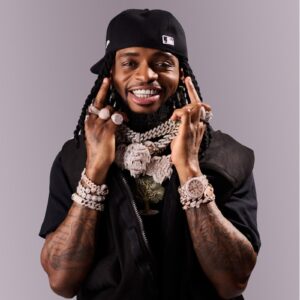
Diamond Platnumz
Although he had been building a reputation in East Africa for years, Diamond Platnumz truly stepped into continental and international limelight with his hit song Number One. The original track, released in 2013, was already a success across East Africa, but it was the remix featuring Nigerian superstar Davido that changed everything for him. That collaboration not only introduced him to millions of West African listeners but also proved that East and West African musicians could come together to dominate the continental music scene.
Early Life & Background
Naseeb Abdul Juma was born on October 2, 1989, in Tandale, a bustling neighborhood in Dar es Salaam, Tanzania. Raised by his mother, he grew up in a modest household where survival meant making sacrifices. His family did not have much, but his mother believed in his talent and encouraged him to pursue his passion for music.
As a child, Diamond was drawn to the rhythms and melodies of Tanzanian street music, and he often entertained neighbors and friends by singing at local gatherings. He grew up listening to Bongo Flava artists, Congolese soukous, and global stars like Michael Jackson, which helped shape his versatile style. His background was far from glamorous; he lived through hardship, but those struggles became fuel for his ambitions.
Even though resources were limited, Diamond’s mother reportedly went as far as selling household items so her son could afford studio time to record his first songs. This determination, shared between mother and son, became the foundation of his eventual success story.
Music Beginnings
Diamond Platnumz officially began chasing his music dreams in the late 2000s. He spent years performing at local shows and recording demo tracks, but the journey was anything but easy. Without a record label to support him, he had to hustle tirelessly, moving from studio to studio, and often struggling to pay for recordings.
His big break came in 2010 with the release of his debut single Kamwambie. The song was an instant hit in Tanzania, introducing Diamond as a rising star in the Bongo Flava scene. Its success earned him recognition and awards locally, giving him the confidence to continue pursuing music full-time.
After Kamwambie, Diamond released several other singles that kept his name relevant, including Mbagala and Nenda Kamwambie. By 2012, he had established himself as a household name in East Africa. His smooth voice, romantic lyrics, and ability to blend different sounds made him one of the most promising talents in the region. Still, his popularity was largely regional, and breaking into bigger African markets, particularly Nigeria, remained a challenge.
Breakthrough with Number One
In 2013, Diamond Platnumz released a new single titled Number One. The song was a catchy, melodious love track that quickly became a sensation across Tanzania, Kenya, Uganda, and Rwanda. It climbed charts, dominated radio airplay, and turned Diamond into the face of modern Bongo Flava.
Number One showcased Diamond’s ability to blend Swahili lyrics with international pop sounds, making it appealing even to listeners who didn’t understand the language. The song’s production was polished, and its romantic theme resonated with both young and older audiences. For the first time, Diamond had a hit that positioned him as an East African superstar with the potential to cross into broader African markets.
But while the song was popular in East Africa, it hadn’t yet made a major impact in Nigeria or other West African countries, which at the time dominated Africa’s mainstream music industry. Diamond knew that if he wanted to become a truly continental star, he needed a powerful collaboration that would bridge the gap.
The Davido Remix (Turning Point)
Diamond Platnumz’s breakthrough moment came in 2014, when he released the remix of Number One featuring Nigerian singer Davido. At the time, Davido was already one of Africa’s biggest stars, with hits like Dami Duro and Gobe. Collaborating with him meant tapping into Nigeria’s vast and influential music industry, which also served as a gateway to international recognition.
The remix was a massive success. Davido’s verse added a Nigerian flavor to the track, making it more relatable to West African audiences. The combination of Diamond’s Swahili lyrics and Davido’s Afrobeat energy created a unique blend that appealed across linguistic and cultural divides. The music video, shot with high production quality, further boosted the song’s popularity, and within months, it became one of the most played songs in Africa.
For Diamond, the remix was more than just a collaboration, it was a calculated risk. He later revealed that he invested heavily in the project, even taking loans from banks to cover production costs. The video was shot partly in South Africa and Nigeria, requiring significant financial sacrifice. At one point, he admitted that the cost nearly bankrupted him. Yet, that bold move paid off, as Number One (Remix) opened the doors for him to tour West Africa, collaborate with more artists, and gain fans across the continent.
From that moment, Diamond Platnumz was no longer just a Tanzanian star, he was an African star. The song’s success established him as one of the few East African artists who could compete at the highest levels of African pop music, and it laid the foundation for his future global collaborations.

Number one remix with Davido
Challenges During the Breakthrough
While the Number One remix with Davido propelled Diamond Platnumz into the African spotlight, it came at a heavy cost. Behind the glitz and glamour of the collaboration was a young artist who had risked everything to achieve continental success.
Diamond later admitted that he had taken out bank loans in Tanzania to finance the music video and production. For a young artist still finding his footing, this was a dangerous gamble. The budget for the project was nearly ten times more than what he had spent on any previous video. The financial strain left him vulnerable, and there were moments he almost went broke.
But Diamond believed in his dream. He knew that without bold investments, it would be difficult for an East African artist to break into West Africa’s competitive music market. His determination paid off. The remix didn’t just give him a hit, it also won him respect as an artist willing to take risks to push African music forward. The success of the song also created more opportunities for him to perform outside East Africa and cemented his image as a continental act.
Growth & Achievements
After the success of Number One (Remix), Diamond Platnumz’s career soared. He became one of the most sought-after African artists for collaborations. He went on to work with big names like P-Square, Tiwa Savage, Flavour, and later, international stars such as Ne-Yo and Rick Ross. Each new project helped him expand his fan base across borders.
In addition to his music, Diamond showed sharp business acumen. He founded his own record label, WCB Wasafi, which became home to several successful Tanzanian and East African artists including Harmonize, Rayvanny, and Mbosso. His label not only discovered new talents but also professionalized the Bongo Flava industry by setting high standards for production, marketing, and promotion.
Awards followed naturally. He won numerous honors at the Tanzania Music Awards and the All Africa Music Awards (AFRIMA). His music videos consistently broke records on YouTube, making him one of the first African musicians to cross hundreds of millions of views. By 2020, he had become the first Sub-Saharan African singer to reach more than 1 billion views on YouTube.
Other Ventures
Diamond Platnumz is not just a musician, he has built a brand. Beyond WCB Wasafi, he expanded into media with Wasafi TV and Wasafi FM, platforms that promote Tanzanian and African music and culture. He has also signed lucrative endorsement deals with companies ranging from telecommunications to soft drinks, further cementing his image as a leading African celebrity.
He has invested in fashion and lifestyle, often using his image to influence trends among his fans. His sense of style, charisma, and ability to stay connected with audiences through social media has made him a true entertainer both on and off the stage.
Philanthropy also plays a role in his public image. Diamond has been involved in charity events and community support, often donating to causes in Tanzania and beyond. For many young Africans, he is both a music idol and a role model of how persistence and vision can turn hardship into success.
Cultural Impact
One of Diamond Platnumz’s biggest contributions to African music is his role in taking Bongo Flava to the world. Before him, the genre was mostly popular in Tanzania and its neighboring countries. Diamond’s success proved that Swahili music could cross borders and appeal to audiences who didn’t even understand the language.
By collaborating with Nigerian, South African, and international artists, he created a cultural bridge that connected East Africa with the rest of the continent. He also set a template for other Tanzanian artists to follow, showing them that it was possible to dream beyond regional fame.
For millions of Tanzanians, he became a symbol of pride, a boy from Tandale who carried their music and language to global stages. For Africans in general, Diamond represents the new wave of stars who are reshaping how the world perceives African music, giving it the recognition it deserves.
Conclusion
Diamond Platnumz’s journey is a story of resilience, risk, and reward. From a young boy in Tandale with limited means to a continental superstar, his rise has been nothing short of inspirational. His mother’s sacrifices, his own determination, and his bold decision to collaborate with Davido on Number One (Remix) all played crucial roles in shaping his destiny. That remix was more than a song, it was the turning point that transformed him from an East African sensation into an African icon.
Yet Diamond did not stop there. He has remained consistent by collaborating with fellow Tanzanian stars such as Juma Jux, reinforcing his dominance in East Africa while proving his versatility. His participation in the Netflix reality show Young, Famous & African gave him global exposure, introducing his music and personality to international audiences who may not have followed African music before.
Most recently, his marriage has kept him in the headlines, reflecting not just his evolution as an artist but also as a man whose personal life continues to draw public interest. These newer chapters show that Diamond’s influence goes beyond music, he is a cultural figure, a media personality, and a business mogul whose every move sparks conversation across Africa and beyond.
Today, Diamond Platnumz stands as one of Africa’s most influential entertainers. His story teaches that success often requires taking risks and believing in oneself even when the odds seem impossible. From Tandale’s dusty streets to global stages, and now to Netflix screens and family milestones, Diamond Platnumz continues to shine, proof that African music and culture have no boundaries.
Read More:Jeriq the Hussla: Igbo Street Rapper Who Sold Out Stadiums and Inspires the Youth