




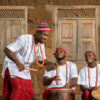
Cultural Festivals
Nwafor Festival: History, Meaning, and Cultural Significance of Ogidi Heritage

Nwafor Festival is a vibrant cultural celebration held in Ogidi that highlights the Igbo traditions, masquerades, music, ancestral veneration, and community unity. Discover its history, rituals, and modern significance.

For Ogidi people of Anambra State in southeastern Nigeria, Nwafor Festival is more than just a date on the calendar. Every year, in the warmth of mid‑July, this cultural celebration draws sons and daughters home from across Nigeria and around the world to mark a moment of togetherness, gratitude, and heritage.
Rooted in farming rhythms and the traditional Igbo calendar, the festival begins on the first Afor market day of July and lasts about eleven days as families and communities pause after the yam planting season to give thanks and pray for a good harvest.
What makes Nwafor Festival especially meaningful is how it mixes everyday life with cultural pride. It is a time the elders, masquerades, musicians, and young people converge to celebrate what has been sown and to reaffirm bonds that stretch across generations. It is often seen as a moment of homecoming that rivals Christmas in its emotional pull where feasts, prayers, music, and dances affirm both joy and reverence.
In this article, we will explore the history, rituals, music, community value, and modern significance of Nwafor Festival so you can understand why it remains a vibrant pillar of Igbo culture today.
Historical Origins of Nwafor Festival
Nwafor Festival has its roots deeply planted in the agricultural traditions of Igbo people, especially in Ogidi town, Anambra State. In this part of southeastern Nigeria, farming has long been central to community life. Yams, in particular are more than a food crop. They stand for prosperity, hard work, and the hope of a successful harvest.
Historically, after the hard work of cultivating yams was done, families and entire communities would gather to give thanks and seek blessings for the season ahead. This practice, over time, grew into what is now known as the Nwafor Festival.
The name “Nwafor” reflects a connection to the traditional Igbo calendar which uses market days as time markers. Among these, Afor is one of the four principal market days. The festival begins on the first Friday that falls on Afor in July. Because the celebration opens on Afor, the community named the festival Nwafor as a way of blending the cultural rhythm of timekeeping with the seasonal cycle of farming.
For generations, Nwafor festival began as a period of thanksgiving reserved for elders, farmers, and families. It was a time to offer gratitude to the ancestors and deities for a productive planting season and to pray for favourable weather and an abundant harvest of new yams in the months ahead.
Over the years, these observances expanded beyond simple ritual. What was once primarily a spiritual and agrarian thanksgiving became a larger communal event of about eleven days. The celebration combined prayers, cleansing rites, and cultural performances that link spiritual life to social life in ways that strengthened communal bonds.
In essence, Nwafor Festival grew from the life of the fields into a vibrant cultural landmark. It embodies both the practical rhythms of farming life and the cultural values of gratitude, unity, and heritage that remain important to the people of Ogidi and surrounding communities today.
Meaning of “Nwafor” in Igbo Culture
The term “Nwafor” carries both cultural and seasonal significance in Igbo life. In its simplest sense, the word combines “Nwa”, meaning child, and “Afor” which is one of the four traditional Igbo market days: Eke, Orie, Afor, and Nkwo. These market days are more than schedules for trade. They form a cultural calendar that guides daily life, agricultural activities, and festival planning in Igbo communities.
In the context of Nwafor Festival, the name reflects the first Friday of Afor in July which traditionally marked the end of the yam planting season. The timing of the festival is, therefore, closely linked to the rhythms of farming life and community needs. It is both a temporal marker and a celebration of life and work.
Beyond its agricultural context, Nwafor symbolizes unity, gratitude, and cultural identity. It reminds the people of Ogidi of the importance of coming together to honour the ancestors, celebrate collective labour, and strengthen social bonds. In a way, it is a celebration of community, heritage, and continuity that captures the essence of Igbo communal life.
The use of the market day in the name of the festival also reinforces the Igbo belief that time, work, and culture are intertwined. By linking the festival to Afor, the community acknowledges the natural and spiritual order, and ensures that the celebrations align with both seasonal cycles and traditional norms.
Simply put, the meaning of Nwafor extends beyond a mere name. It embodies tradition, agriculture, spirituality, and social cohesion which makes the festival a living expression of Igbo values.
Timing and Duration of Nwafor Festival
Nwafor Festival is carefully timed according to the traditional Igbo calendar which divides the week into four market days, namely, Eke, Orie, Afor, and Nkwo. The festival always begins on the first Friday that falls on Afor in July, a day chosen for its symbolic significance in Igbo agricultural and communal life. Starting on Afor links the festival directly to the end of the yam planting season, thus creating a natural moment for thanksgiving and reflection.
The celebration typically lasts eleven days, with each day dedicated to specific rituals, cultural performances, and communal activities. Preparations begin several days in advance, often on the Orie market day (Thursday) before the official start. On this day, communities engage in cleaning public spaces, preparing offerings, and welcoming returning family members from other towns or abroad.
During the festival, the community’s calendar is structured to balance ritual, entertainment, and social obligations. Early days focus on prayers, libations, and ancestral rites while the middle days feature masquerade displays, music, and public dances. The final days bring community feasts, youth activities, and closing ceremonies, often with performances at the Igwe’s palace or main village square.
The timing of Nwafor Festival also allows families and friends to return home for reunions, which makes it a culturally significant period for homecoming. The alignment with the Igbo market calendar ensures that the festival maintains its traditional rhythm while accommodating modern social practices.
In essence, the timing and duration of Nwafor Festival validate both the agricultural cycle and the social heartbeat of the community, and create a period of celebration that fuses work, spirituality, and togetherness.
Key Rituals and Ceremonial Practices
Nwafor Festival is not only a celebration of community and harvest but also a deeply ritualistic and spiritual event. Its key ceremonies are a reflection of centuries-old Igbo traditions that link the people of Ogidi to their ancestors, deities, and the rhythms of agricultural life.
Opening Rites and Prayers
Nwafor Festival officially begins with prayers and offerings led by elders, chiefs, and traditional priests. These opening rites often take place at the Igwe’s palace or in designated ancestral shrines. Participants offer libations, yams, kola nuts, and palm wine to the gods and ancestors. The purpose is to thank spiritual forces for a successful planting season and to seek blessings for a bountiful harvest of new yams.
Community Cleansing and Preparation
In the days leading up to the festival, the community undertakes environmental and spiritual cleansing. Streets, squares, and communal areas are cleaned as a symbolic gesture of renewal. Families also tidy their homes and prepare traditional foods. This practice ensures that the festival begins in a spiritually pure and welcoming environment for both the ancestors and visitors.
Masquerade Performances
Masquerades play a central role in Nwafor Festival. Known for their vivid costumes, masks, and ritual dances, masquerades appear in the community to entertain, bless, and remind people of cultural values. Each masquerade has a specific identity and spiritual significance, often representing ancestral spirits or historical figures. Performances are accompanied by traditional drumming, flutes, and singing that create an atmosphere of both celebration and reverence.
Feasts and Communal Meals
Food is an essential part of the festival. Community feasts bring people together to share traditional dishes, especially yams which are central to the celebration. These meals are not only for nourishment but also symbolize unity, generosity, and abundance. Visitors, family members, and friends participate in the feasts to reinforce social bonds and community cohesion.
Youth and Age-Grade Participation
Young people and various age grades are actively involved in Nwafor Festival. They help to organize events, prepare performance spaces, and participate in dances and games. This involvement ensures that cultural knowledge and festival traditions are passed down to the next generation. It also fosters a sense of responsibility and community pride among youths.
Closing Ceremonies
Nwafor Festival concludes with a final day of prayers, communal reflection, and performances. Elders often give advice and blessings for the year ahead while emphasizing values such as hard work, gratitude, and unity. The closing ceremonies bring the community together one last time and leave participants with a sense of spiritual renewal and cultural continuity.
Overall, the key rituals and ceremonial practices of Nwafor Festival combine spirituality, entertainment, and social cohesion, thus making it a rich and meaningful cultural event that continues to unite the people of Ogidi each year.
Masquerades, Music and Performances
One of the most vivid and unforgettable aspects of Nwafor Festival is the masquerades, music, and performances that fill the streets and public squares of Ogidi. More than entertainment, these elements are living expressions of Igbo heritage that connect communities to their ancestors and celebrate the values of unity, gratitude, and cultural pride.
Masquerades
Masquerades, locally called Mmanwu are central to Nwafor Festival. They often wear vividly coloured costumes and intricately carved masks, each representing ancestral spirits, historical heroes, or moral symbols. These masquerades appear in processions through the village squares and streets while performing dances that follow strict traditional choreography. Their movements and appearances carry messages of cultural values, social guidance, and spiritual protection.
Different masquerades appear at different points in the festival. Early in the celebration, youth masquerades entertain and energize the crowd while the main ancestral masquerades perform closer to the festival’s climax. Each performance is designed to invoke respect, awe, and cultural remembrance.
Music
Music is inseparable from the masquerade performances. Drums, flutes, gongs, and other traditional instruments provide rhythm and drive the dances. Songs performed during the festival often praise the ancestors, celebrate community achievements, and encourage unity. The combination of percussive rhythms and melodic chants creates an immersive experience that engages both participants and spectators.
Public Performances and Dances
In addition to masquerades, there are community dances and group performances. These include coordinated movements by youth groups, women’s associations, and age grades which demonstrate discipline, skill, and cultural knowledge. The dances often have symbolic meanings such as marking the end of the planting season, invoking ancestral blessings, or celebrating family and communal achievements.
Symbolism and Social Meaning
Every performance, mask, and drumbeat carries layers of meaning. The masquerades remind people of ancestral guidance and spiritual presence while the music and dances strengthen social cohesion. They also serve as a visual and auditory history lesson that teach the younger generations about community values and traditions in an engaging way.
Attracting Visitors and Homecomers
The colourful masquerades, lively music, and energetic dances make Nwafor Festival a magnet for visitors from other towns and cities. Many indigenes living far from home plan their return specifically to witness and participate in these performances. This contributes not only to the cultural vitality of the festival but also to local tourism and economic activity.
Essentially, the masquerades, music, and performances that characterize Nwafor Festival are not just for show, they are cultural expressions that educate, unite, and inspire, thus making the festival a living celebration of Igbo identity and heritage.
Social and Communal Functions of Nwafor Festival
Beyond its rituals, dances, and music, Nwafor Festival plays a crucial role in strengthening social bonds and community life among the people. The festival is a time families, friends, and neighbours come together to renew connections that may have been stretched by distance, work, or daily life.
One of the most significant social aspects of the festival is the homecoming of indigenes. Sons and daughters who live in cities or abroad often plan their return to coincide with Nwafor Festival. These homecomings provide opportunities for family reunions, ancestor veneration, and the reaffirmation of family ties. Many describe this period as the “traditional Christmas” of Ogidi.
Nwafor festival also serves as a platform for reconciliation and communal dialogue. Elders and community leaders use the gathering to resolve disputes, advise youths, and plan community projects. The spirit of togetherness and celebration encourages dialogue and cooperation which make the festival an essential tool for social harmony and conflict prevention.
By participating in rituals, dances, and ceremonies, community members collectively affirm their cultural identity and heritage. Nwafor Festival emphasizes the values of unity, gratitude, and social responsibility. It reminds everyone, young and old of their shared history and collective responsibility to maintain traditions.
Young people actively participate in the festival through age-grade activities, dances, and organizational roles. This engagement ensures the transfer of knowledge and cultural values from elders to the next generation. Through their involvement, the youth learn about ritual practices, respect for ancestors, and the importance of community service that keep the festival alive for years to come.
Nwafor Festival also stimulates local economic activity. Markets bustle with visitors, local artisans sell crafts, food vendors thrive, and transport services experience increased demand. Beyond commerce, the festival fosters social interaction, as people gather to celebrate, exchange news, and strengthen friendships.
In essence, the social and communal functions of Nwafor Festival go far beyond celebration to reinforce family bonds, promote cultural continuity, foster peace, and stimulate community growth that make the festival a vital part of life.
Religious and Spiritual Significance
Nwafor Festival holds profound religious and spiritual meaning for the people of Ogidi. While it is celebrated as a cultural and communal event, its roots are deeply intertwined with traditional Igbo spirituality, ancestral veneration, and gratitude for agricultural prosperity.
Central to the festival is the honouring of the ancestors. Families and communities offer libations, kola nuts, yams, and palm wine to ancestral spirits, acknowledging their guidance, protection, and role in the community’s well-being. These rituals reinforce the Igbo belief in the continuity between the living and the departed and remind everyone of their roots and responsibilities to maintain family and community traditions.
The timing of the festival immediately after the yam planting season highlights its agricultural and spiritual significance. Prayers and offerings are made to the deities associated with fertility, rain, and good harvests, asking for abundance in the months ahead. This practice connects the people with the natural and spiritual order that reflect gratitude and humility before forces beyond human control.
In addition to prayers, the festival involves ritual cleansing of homes, communal spaces, and shrines. This is intended to remove spiritual obstacles and prepare the community for the new season. The act of cleansing is both symbolic and practical as it fosters a sense of spiritual renewal, unity, and readiness for the year ahead.
Although many community members are now Christians or adherents of other religions, Nwafor Festival has retained its traditional spiritual essence. Participants often see the festival as a cultural rather than strictly religious event which allows people of different faiths to join in gratitude, reflection, and communal celebration. This integration demonstrates the flexibility and enduring relevance of its spiritual dimension.
The spiritual practices during Nwafor Festival also carry moral and ethical lessons. Through ancestral veneration, prayers, and ritual observances, participants are reminded to live responsibly, honour family and community, and respect cultural norms. This aspect ensures that the festival is not only a time of celebration but also a period of reflection and personal growth.
Ultimately, the religious and spiritual significance of Nwafor Festival lies in its ability to connect the community to the ancestors, express gratitude for the land’s bounty, and foster moral, cultural, and spiritual continuity. It is a celebration where heritage, faith, and communal identity meet.
Nwafor Festival in Contemporary Times
Nwafor Festival continues to thrive in Ogidi, even as the community experiences social, economic, and cultural changes. While its traditional rituals and ceremonies remain central, modern adaptations have made the festival more inclusive and accessible to all generations.
Despite urbanization, migration, and the influence of Christianity, the festival retains its traditional core. Families still honour the ancestors, perform libations, and host communal feasts while masquerades, music, and dances continue to captivate participants. This balance of the old and new ensures that the cultural and spiritual essence of the festival is not lost to modern life.
Contemporary Nwafor celebrations actively involve youth groups and age grades who bring creativity to the festival. Young people organize cultural exhibitions, street performances, and skills workshops while still respecting the traditional order of events. This participation ensures that the next generation understands and values Igbo heritage while adding modern elements that engage broader audiences.
Today, the festival also serves as a platform for community improvement initiatives. Local leaders often use the gathering to launch development projects, health campaigns, or educational programmes. The festival has evolved into a space where culture meets social responsibility and highlights the community’s commitment to progress while preserving identity.
Nwafor Festival has gained recognition as a cultural attraction beyond its immediate community. Visitors from other towns, states, and even countries attend to witness masquerades, dances, and traditional rituals, thereby boosting local tourism and economic activity. Hotels, markets, and local artisans benefit from the influx of visitors which make the festival both a cultural and economic event.
The modern Nwafor Festival demonstrates how Igbo culture adapts without losing its essence. By mixing traditional rituals with contemporary celebrations, it bridges generations, fosters pride in identity, and ensures that the community’s heritage remains vibrant in the face of social change.
Cultural Importance of Nwafor Festival
More than a celebration of yam planting season, Nwafor Festival is a cornerstone of cultural identity for the people of Ogidi . Its importance extends beyond rituals, masquerades, and feasts.
At its core, the festival preserves centuries-old traditions. Through masquerades, dances, music, and ritual practices, Nwafor Festival ensures that cultural knowledge is passed from one generation to the next. Elders teach youths the meanings behind masks, songs, and ceremonies.
The festival reinforces a shared sense of belonging among community members. Families return from far and near, and neighbours gather in celebration. This helps to foster unity, pride, and social solidarity. By participating in common rituals and communal feasts, people reconnect with their roots and affirm their place in the community which is essential in a rapidly changing world.
Nwafor festival carries important moral lessons. Through prayers, ancestral veneration, and guided rituals, participants are reminded of gratitude, respect for elders, communal responsibility, and ethical living. These values are central to Igbo society and ensure that cultural practices are not only celebrated but also internalized.
In recent years, Nwafor Festival has attracted visitors from other towns, states, and countries and has created opportunities for cultural tourism. Tourists experience traditional dances, masquerades, feasts, and rituals which helps to promote Igbo culture beyond the community. Local artisans, performers, and food vendors also benefit economically, thus making the festival a bridge between cultural preservation and modern development.
Ultimately, the cultural importance of Nwafor Festival lies in its ability to link generations. It connects the wisdom and experiences of the ancestors to the energy and creativity of the youth. Through this connection, the community maintains cultural continuity, resilience, and identity, even in a world influenced by modernization and migration.
Overall, Nwafor Festival is a living celebration of Igbo culture that safeguards heritage, strengthens community bonds, teaches values, and provides a platform for cultural pride, ensuring that the people of Ogidi remain connected to their history while embracing the present.
Common Misconceptions About Nwafor Festival
Despite its rich history and cultural significance, Nwafor Festival is sometimes misunderstood, even among those familiar with Igbo traditions. Clarifying these misconceptions is important to appreciate the true value of the festival.
Number one misconception is thinking that it is only about yam. While the festival is closely tied to the yam planting season, it is not simply a celebration of a single crop. Nwafor Festival is about gratitude, community unity, ancestral veneration, and cultural identity. Yams symbolize prosperity and hard work, but the festival’s scope extends far beyond agriculture.
Another misconception is that it is a religious event meant only for traditionalists. Some people assume the festival is exclusively for those practicing traditional Igbo religion. In reality, Nwafor Festival is culturally inclusive. Christians, Muslims, and visitors of other faiths participate in appreciating the festival as a cultural and communal event rather than strictly a religious one. This flexibility has allowed the festival to remain relevant in contemporary society.
One other misconception is that the festival is just entertainment. While masquerades, music, and dances make the festival lively and visually captivating, they are more than entertainment. Each performance carries spiritual, historical, or moral significance, and participants engage with these elements to honour the ancestors, teach values, and reinforce community bonds. The festival is, therefore, both educational and celebratory.
Another one feels Nwafor Festival is only meant for the elders. Though elders play key roles in rituals and leadership, the festival actively involves youths, women, and age-grade groups. Young people organize dances, masquerade performances, and cultural activities that ensure that traditions are passed on and that everyone contributes to the success of the festival.
Also, some believe that traditional festivals like Nwafor are outdated in the face of modernization. However, the festival continues to adapt to contemporary life by incorporating modern organization, youth engagement, and community development initiatives. It remains a vibrant and meaningful celebration that connects the past with the present.
Understanding these common misconceptions allows people to see the true depth and significance of Nwafor Festival. It is not merely a harvest celebration or entertainment spectacle, it is a living expression of Igbo culture, spirituality, and community life that continues to unite generations.
In Conclusion …
Nwafor Festival stands as a vibrant testament to the rich cultural heritage of Igbo people, especially in Ogidi and Ogbunike. Rooted in centuries-old traditions, it blends agricultural thanksgiving, ancestral veneration, masquerades, music, and communal feasts into a celebration that is both spiritual and social. The festival not only marks the end of the yam planting season but also serves as a powerful vehicle for cultural education, moral teaching, and community unity.
Over the years, Nwafor Festival has adapted to modern life without losing its core values. Youth engagement, inclusion of visitors from other communities, and the integration of contemporary cultural elements have ensured that the festival remains relevant, inspiring, and inclusive. It is a time when families reunite, elders share wisdom, youths participate actively, and communities celebrate together.
In essence, Nwafor Festival is a cultural event and a living tradition that honours the past, celebrates the present, and ensures a vibrant future for Igbo heritage. For the people of Ogidi and Ogbunike, it is a reminder of the power of community, the importance of gratitude, and the enduring beauty of their cultural identity.
References
- https://www.facts.ng/culture/festivals/the-nwafor-festival/
- https://guardian.ng/art/nwafor-festival-preserving-culture-of-unity-in-ogidi/
- https://umuigbo.com/nwafor-ogidi-festival/igbo-culture
- https://www.igboguide.org/igbo-calendar/
- https://www.anambrastate.gov.ng/culture-tourism/
You may want to check this out …