





Highlife Music
Morocco Maduka Biography – Life, Songs, Ekpili Highlife Legacy & Eze N’Ukpo

Chief Dr. Chukwuemeka Morocco Maduka, popularly known as Eze Egwu Ekpili (King of Ekpili Music), was one of the most respected highlife musicians from Igboland. For more than five decades, his music carried messages of wisdom, morality, love, and culture. He modernized Ekpili music, a traditional Igbo folk style, and turned it into a powerful form of entertainment and cultural education.
Through over 120 albums and countless performances across Nigeria and abroad, Morocco Maduka built a reputation as a cultural icon. He was not only a musician but also a teacher through music, a community leader, and an international ambassador of Igbo heritage. His story is one of determination, passion, and lasting legacy.

Morocco Maduka
Early Life and Background
Morocco Maduka was born on April 7, 1944, in Ukwulu, a town in Dunukofia Local Government Area of Anambra State, Nigeria. He grew up at a time when music was seen by many families as a poor career choice. His father, like most parents of that era, preferred that his son become a doctor, lawyer, or civil servant.
However, young Morocco discovered his love for music early in life. By the time he was 12 years old, he was already showing strong interest in singing and performing. This caused some conflict in his home because his father feared that music would not give him a bright future. Despite the discouragement, Morocco kept chasing his passion.
The cultural environment of Anambra in the 1950s and 1960s also shaped him greatly. Traditional Igbo music, drumming, and folk songs were common at festivals and gatherings. These sounds influenced his creative journey and helped him build the foundation of what later became his unique style.
His Musical Journey
a. First Steps into Music
Morocco started performing in the early 1960s, first as a schoolboy with a growing interest in entertainment. At this stage, he was balancing education with music, often singing at local events and social gatherings. The more he performed, the more people began to notice his talent.
b. Debut Album and Rise to Fame
In 1971, Morocco released his first album, titled Aya Nigeria (sometimes referred to as Agha Nigeria). This was the breakthrough that introduced him to the larger Nigerian music scene. The album made him a recognized figure and opened doors for him to perform in different parts of the country.
c. His Style – The Ekpili Sound
What made Morocco different was his focus on Ekpili music. Ekpili was originally a traditional Igbo style that involved drums and folk songs, often used in storytelling or praise. Morocco modernized this style by introducing modern instruments like the guitar, keyboard, and drums. He created a balance between tradition and modernity, making Ekpili attractive to both the older and younger generations.
The themes of his songs touched on:
- Morality – teaching people to live upright lives.
- Philosophy – reflecting on destiny, truth, and human behavior.
- Love and Family – praising motherhood, family unity, and relationships.
- Social Issues – addressing leadership, community living, and respect.
Through this, Morocco Maduka stood out as not just a singer, but also a cultural teacher.

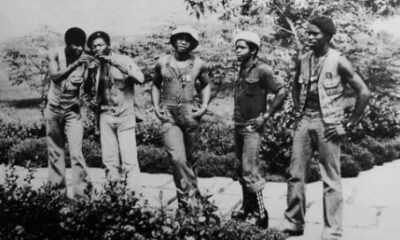
Morocco Maduka as a young man
Major Works and Hit Songs
Over his long career, Morocco Maduka released more than 120 albums. Some of his most popular and evergreen songs include:
- Ojemba Enwe Ilo – A song about the traveler who has no enemy, encouraging peace and good relationships.
- Akalaka (Destiny) – A philosophical song about accepting one’s fate in life.
- Echi Di Ime – Meaning “Tomorrow is pregnant,” reminding people that the future holds unknown possibilities.
- Money Palaver – A lively song discussing the problems and conflicts money can bring.
- Igbo Star – A song that celebrated the pride of the Igbo people.
- Ubanesse Special and Cheta Echi – Other memorable tracks with deep cultural and social messages.
- Eze N’Ukpo (Morocco 98) – one of his later albums which featured the tribute song “Prince Engineer Arthur Eze N’Ukpo.” This track recently gained new attention online, especially on streaming services like Spotify, Apple music Audiomack, and YouTube. Younger generations are discovering it through short video clips and remixes, proving that Morocco’s music still connects with people many years after its release.
These songs were not just entertainment, they were like cultural lectures wrapped in music. That is why they remain relevant and are still played at weddings, festivals, community events, and on radio stations.
International Recognition and Tours
Morocco Maduka was not only famous in Nigeria. He became an international ambassador of Igbo highlife and Ekpili music. His tours took him to many countries, including:
- United States
- United Kingdom
- China
- South Africa
- Malaysia
- Ghana
- Cameroon
Through these performances, he carried Igbo music and culture to audiences across the world. Many Nigerians living abroad saw him as a cultural connection to home.
He was also active in organizing and supporting other musicians. At one time, he served as the chairman of the Anambra State Chapter of the Performing Musicians Association of Nigeria (PMAN). In this role, he helped promote unity among musicians and encouraged young artists to take pride in their culture.
Personal Life
Behind the fame and the music, Morocco Maduka lived a rich personal and family life. He was married to Bridget Ifeonugekwu Maduka, and together they raised eight children, four sons and four daughters. Despite his busy schedule as a touring musician, he always emphasized the importance of family unity and responsibility.
He was also deeply respected in his community. For about 10 years, he served as a community leader in his hometown, Ukwulu. His contributions to peace and development earned him the traditional title Osisi Oma (“Good Tree”). Later, he was also honored with the Ozo title of Ozo Nwelibe. These titles showed that he was not only a musician but also a man of character, trusted to uphold cultural values.
Morocco balanced his roles well, a father, husband, cultural leader, and international performer. His life proved that success in entertainment could go hand in hand with family and community service.
Morocco’s Later Years and Death
Even in his later years, Morocco Maduka never slowed down completely. He often spoke about his dream to retire at age 80, after celebrating 60 years on stage. This shows how much passion he had for music, it was not just a career, but his life’s calling.
Sadly, he did not reach that goal. On October 29, 2020, Morocco Maduka passed away at the age of 76. His death shocked the Nigerian music industry, especially in the East, where he was considered one of the last great highlife icons.
His burial took place in his hometown of Umugama village, Ukwulu, Dunukofia LGA, Anambra State. The funeral was attended by family, friends, fellow musicians, cultural leaders, and politicians. It was a celebration of life, music, and legacy.
Legacy and Influence
Chief Dr. Morocco Maduka’s legacy is one that cannot be forgotten. Over 120 albums, countless performances, and decades of teaching through music left an imprint on the hearts of Igbo people and beyond.
His greatest contribution was in keeping Ekpili music alive. By modernizing it, he ensured that a traditional style that might have been lost remained relevant and attractive to new generations. His ability to combine entertainment with moral and philosophical lessons made his music unique and timeless.
Younger artists such as Flavour, Umu Obiligbo, and The Cavemen often draw inspiration from legends like Morocco Maduka. His influence is felt in the way they carry Igbo highlife into the modern era while staying rooted in culture.
Even today, songs like Ojemba Enwe Ilo and Akalaka are played at weddings, cultural festivals, and family gatherings. This shows that his music is not just history, it is still alive.
Conclusion
Chief Dr. Morocco Maduka’s story is one of passion, perseverance, and cultural pride. From a young boy in Ukwulu who chose music against his father’s wishes, he grew into an international star, a cultural ambassador, and a respected community leader.
Through Ekpili highlife, he taught moral lessons, entertained audiences, and celebrated Igbo identity. His songs continue to inspire joy, wisdom, and reflection. Though he has passed on, his voice still speaks through his music, reminding us that true culture never dies.
For the Igbo people and for Nigeria, Morocco Maduka will always be remembered as the Eze Egwu Ekpili, the King of Ekpili Music.
Related topics: Osita Osadebe: The King of Highlife Music