




Festivals & Events in Nigeria
Ogene Festival in Oguta: A Vibrant Igbo Celebration of Music, Dance, and Tradition

Ogene Festival is a celebrated cultural event in Oguta, Imo State that brings music, dance, costumes, and deep community celebration together in a lively annual harvest tradition. Discover the origin, history, timing, rituals and other things about this Oguta cultural heritage.

In the heart of Oguta in Imo State, a sound rises yearly that immediately captures attention. It is the metallic ring of the ogene calling the town together for one of the liveliest and most colourful celebrations in southeastern Nigeria.
The Ogene Festival is a vibrant display of music, dance, and Igbo tradition that fills the streets, homes, and hearts with joy. Every year, the locals and visitors alike come together to witness drummers, dancers, and performers in dazzling costumes, all moving in rhythm to the signature ogene gong.
The festival carries the energy of generations. Though it is rooted in harvest celebrations and communal thanksgiving, it is alive with playful creativity and spirited performances. From cross-dressing parades to rhythmic dances, Ogene Festival in Oguta invites everyone to step into a story of culture, heritage, and unadulterated community joy.
Overview of Oguta Town
Oguta is a historic town in Imo State, southeastern Nigeria known for its rich culture, scenic landscapes, and vibrant community life. It is located near the Oguta Lake, one of the largest natural lakes in southeastern Nigeria which has made the town both a centre for local commerce and a destination for visitors seeking cultural and natural experiences. The lake and surrounding forests have influenced the lifestyle, occupations, and traditions of the people of Oguta for generations.
The town is predominantly inhabited by the Igbo people who are known for their strong cultural heritage, language, and communal values. Traditional leadership plays an important role in Oguta, with the local king known as the Eze, and community elders guiding social, cultural, and ceremonial life. These leaders ensure that customs, festivals, and local governance remain vibrant and relevant.
Oguta has a rich history that combines commerce, culture, and community. Historically, it served as a trading hub due to its proximity to water routes, and allowed people to exchange goods such as fish, palm products, and crafts. Over time, it has grown into a town that values education, arts, and the preservation of cultural practices, thus making it a hub for both tradition and modernity.
The social life of the town is closely linked to its festivals, music, and cultural gatherings. Celebrations like the Ogene Festival are central to its identity as they showcase the creativity, musical traditions, and community spirit of Oguta. Visitors to the town often find themselves immersed in a community where natural beauty, history, and cultural pride converge.
The combination of natural landscapes, historical significance, and lively cultural expressions makes Oguta a town of both local pride and wider recognition. It serves as a window into Igbo traditions while offering a welcoming environment for tourists, researchers, and cultural enthusiasts eager to experience the rich cultural heritage of the southeastern Nigeria.
Origins and Historical Background of Ogene Festival

The roots of Ogene Festival in Oguta run deep through Igbo culture and musical history. Fundamentally, the festival draws its name from the ogene, a traditional Igbo musical instrument that has been part of community life for generations.
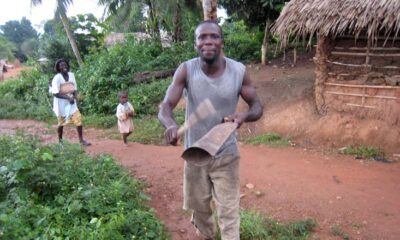
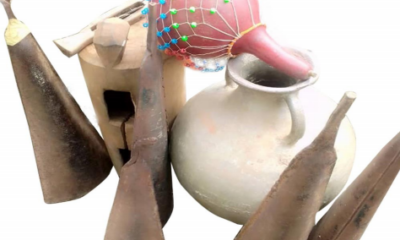
The ogene is a large metal gong made of iron and produced by skilled craftsmen. When struck, it produces a sharp, ringing sound that serenades gatherings, ceremonies, and festivals. In Igbo society, the sound of the ogene represents much more than music. It has been used to call people together, share messages, and mark important moments in community life.
Traditionally, ogene music played a central role in community celebrations. It was used at social events like weddings and village meetings, and the instrument was played alongside others such as drums, flutes, and rattles to create rich rhythmic music. This music form is known for its lively beats and the way it draws people into dance, conversation, and shared enjoyment.
In Oguta, Ogene Festival has evolved from these musical roots into a festival that celebrates not only the sound of the ogene but also the spirit of community togetherness. Locally, the festival is closely linked to the Omerife season of celebrations which is the period when communities give thanks for a bountiful harvest. The first part of this celebration in Oguta is often called Ogene Nkirika. During this time, performers take to the streets in lively parades that feature music, dancing, and imaginative costumes.
The exact point in history when the Ogene Festival first began in Oguta is not recorded in written documents. Oral histories and cultural scholars note that the festival likely grew organically over many years as the local people brought together ogene music, harvest celebrations, and community gatherings into one event. In the villages in Oguta, the sounds of ogene and dancing would have accompanied daily life, celebrations, and communal activities long before the festival took its current form.
Over time, the festival in Oguta became more organized. What may have started as smaller gatherings of musicians and dancers grew into a structured multi‑day festival. Today, Ogene Festival opens the Omerife cycle of celebrations, followed by other harvest‑related events where families cook special foods, share yam dishes, and visit with friends and relatives.
What makes Ogene Festival particularly unique is how it blends music with community joy and creative expression. The ogene instrument itself is a symbol of cultural identity for the Igbo people. Its sounds connect those who play and hear it with the rhythms of life in southeastern Nigeria. Through this festival, that cultural connection continues to thrive and invite the new generations to appreciate and carry forward the traditions that have shaped their heritage.
Timing and Preparation
Ogene Festival in Oguta usually takes place toward the end of August or in the early days of September. This timing aligns with the Igbo harvest season which is a period the communities celebrate abundance, give thanks for crops, and prepare for the Omerife festivities. For the locals, this is a special time of year that blends gratitude, music, and togetherness.
Preparations for the festival begin weeks in advance. Families, musicians, and performers all have roles to play. Musicians carefully inspect and tune their ogene gongs, drums, and other traditional instruments to ensure every sound resonates clearly during the festival. Drumming practice and rehearsal of dance routines are common, especially for young performers who want to master the complex rhythms and movements.
Costumes are another important part of the preparation. Participants spend time designing and assembling outfits that are colourful, imaginative, and sometimes, humorous. Cross-dressing, in particular, is a well-known feature of the festival, and the performers often combine traditional fabrics with creative touches that capture the attention of the crowd. Local tailors and artisans work with performers to ensure the costumes are vibrant, durable, and festival-ready.
The community itself also prepares in meaningful ways. The streets are cleaned and decorated, food vendors set up stalls, and families ready special dishes to share with neighbours and visitors. Palm wine, yam dishes, and other local delicacies become part of the celebratory atmosphere. Villagers come together to coordinate logistics, including arranging seating areas for spectators, planning performance routes, and scheduling key ceremonial moments.
Preparation is as much about community spirit as it is about practical planning. Elders guide younger participants with the aim of passing down traditional knowledge about dances, songs, and rituals. This ensures that the festival not only entertains but also teaches and preserves the rich heritage of Oguta people. As such, every part of the festival, from music and costumes to food and ceremonial acts carries meaning and contributes to the overall experience.
By the time the festival begins, the town is already alive with anticipation. The streets echo with the sound of drums and ogene, and the atmosphere is electric. Every preparation, from careful tuning of instruments to the final touches on costumes ensures that the Ogene Festival offers a seamless celebration of Igbo culture, music, and community life.
Music, Dance, and Performance

At the heart of the Ogene Festival is the music. The ogene, with its bright, resonant tone announces the festival and carries through the streets of Oguta. Alongside the ogene, drums, flutes, and other traditional instruments create a rich rhythm that draws both the performers and spectators into the celebration. The music is lively, infectious, and impossible to ignore.
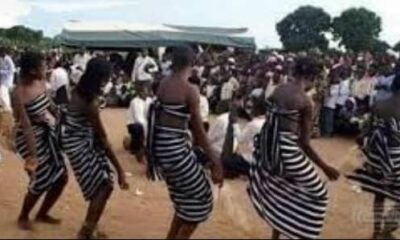
Dancing is a central part of the festival experience. Groups of performers move in carefully choreographed routines, twisting, leaping, and stepping in rhythm to the music. The energy is contagious. Spectators, both young and old, often join in clapping and moving along with the beats. The combination of music and dance creates an atmosphere of joy and communal connection that is unique to the Ogene Festival.
Performance at the festival is not limited to dance alone. Storytelling, dramatic enactments, and playful displays of creativity add layers to the celebration. One of the most talked-about elements is the playful cross-dressing performances where young men dress in women’s attire in a humorous, yet respectful display of cultural expression. These performances entertain while honouring long-standing traditions in a way that shows that culture can be both serious and playful.
The rhythm of the festival also has a deeper purpose. In Igbo culture, music and dance serve as tools for communication, celebration, and education. Through the ogene, drumming, and coordinated movements, the performers pass down stories, values, and cultural knowledge to the younger generations. Children watch closely and often practice alongside the older performers, and as such, learn the steps, the songs, and the meaning behind each motion.
This combination of music, dance, and performance makes the Ogene Festival a sensory experience. Visitors are not only hearing music, they are seeing culture in motion. The syncopated beats, spinning dancers, and shimmering costumes tell the story of Oguta people, their creativity, and their joy in coming together. It is a celebration where every sound and movement carries history, meaning, and a sense of community that has lasted for generations.
Costumes and Cultural Expression
One of the most striking features of the Ogene Festival is the colourful and imaginative costumes worn by the performers. Festival participants spend weeks preparing outfits that are vibrant, eye-catching, and often playful. These costumes turn the streets of Oguta into a moving canvas of colour and creativity.
A unique aspect of the festival is the cross-dressing performances. Young men dress in women’s attire by combining traditional fabrics with creative touches that surprise and delight the audience. This practice is part of the long-standing tradition of the festival that combines humour, artistry, and cultural storytelling. It allows the participants to explore different expressions of identity while celebrating Igbo heritage.
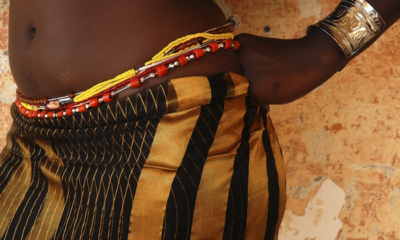
Costumes also reflect local symbolism and community pride. Bright colours, intricate patterns, and distinctive accessories are chosen not only for their visual appeal but also to honour the history and creativity of Oguta people. Masks, beads, and hand-crafted ornaments add layers of meaning to each performance, thus connecting dancers and spectators with the traditions of the town.
Preparation for costumes is a community effort. Local artisans, tailors, and families collaborate to ensure that each outfit is festival-ready. Children often watch or help with the aim of learning the skills needed to create future festival attire. This process not only produces stunning visuals but also passes cultural knowledge to the next generation.
Together, music, dance, and costumes create a rich cultural tapestry that makes the Ogene Festival unforgettable. Every outfit, every step, and every note tells a story of heritage, creativity, and community. Visitors and locals alike are drawn into this living tradition of experiencing Igbo culture in its most vibrant and expressive form.
Rituals and Ceremonial Practices
Ogene Festival is not just a display of music, dance, and costumes. It also carries deep ceremonial meaning that honours the ancestors, harvests, and community life. In Oguta, the elders and traditional leaders guide the festival to ensure that every performance, parade, and gathering respects long-standing customs.
At the start of the festival, key rituals mark the official opening of the celebrations. These often include prayers, offerings, and symbolic gestures that show gratitude for the harvest and invoke blessings for the community. The rituals connect the participants to generations past, and remind everyone that the festival is rooted in history and cultural continuity.
Music and dance are woven into these ceremonies. The ogene is struck to signal important moments that guide the flow of events and draw attention to key performances. Drummers, dancers, and singers respond in rhythm that creates a seamless blend of ritual and celebration. Every movement and sound carries meaning, from the way a dancer steps to the timing of a drumbeat.
Some ceremonies involve playful elements as well. For example, cross-dressing performances often take place alongside formal rituals with the goal of offering humour and surprise without undermining the spiritual significance of the festival. This balance of reverence and enjoyment is a hallmark of the Ogene Festival that shows how Igbo culture integrates solemn traditions with joyful expression.
The ceremonial aspects also serve an educational purpose. The young members of the community watch, learn, and participate in small roles, and in so doing, absorb knowledge about traditional practices, respect for elders, and the cultural importance of harvest celebrations. Through this hands-on involvement, the festival becomes a living classroom which ensures that cultural heritage is passed on effectively.
Ultimately, the rituals and ceremonial practices of the Ogene Festival create a framework that ties together music, dance, costumes, and community life. They remind everyone that beneath the vibrant performances lies a deep respect for tradition, ancestry, and the values that have shaped Oguta for generations.
Community and Social Significance

Ogene Festival is more than a display of music, dance, and costumes. It is a celebration that brings the people of Oguta together with the goal of strengthening bonds between families, neighbours, and friends. During the festival, the streets, squares, and homes become spaces of connection where people meet, greet, and share in the joy of communal life.
Food and hospitality are central to the Ogene festival experience. Families prepare traditional dishes, palm wine, and local delicacies to share with visitors and neighbours. This sharing extends the spirit of the festival beyond performances and parades. Eating together, laughing, and celebrating collectively reinforces a sense of belonging and cultural pride.
The festival also plays a role in preserving and passing on Igbo culture. Through music, dance, costume-making, and ritual participation, the younger generations learn the traditions of their ancestors. Children watch closely and often join rehearsals and parades, thereby gaining firsthand experience of the values, stories, and customs embedded in the Ogene Festival.
Beyond the local community, Ogene festival attracts visitors from other towns and states. Tourists come to witness the music, colourful costumes, and lively performances, thus helping Oguta to gain recognition for its cultural richness. Local businesses also benefit as visitors spend on food, crafts, and accommodation. This creates an economic boost that complements the social and cultural significance of the event.
Through its music, dance, rituals, and communal interactions, Ogene Festival serves as a living celebration of Igbo heritage that reinforces shared identity, creates lasting memories, and ensures that the traditions of Oguta remain vibrant and accessible to both residents and visitors. The festival is a reminder that culture is not just preserved in history books but lived, experienced, and celebrated.
Ogene Festival Today
Today, Ogene Festival in Oguta captivates both the locals and visitors. While the festival remains deeply rooted in tradition, it has evolved to accommodate a wider audience and changing times. Music, dance, and costumes remain central, but the festival now attracts people from across Nigeria and beyond who are eager to experience the Igbo culture firsthand.
Modern technology has also begun to shape the festival experience. Videos and photos shared on social media allow those who cannot attend in person to witness the vibrant performances and colourful parades. This digital visibility has helped to raise awareness about Oguta cultural heritage and inspired the younger generations to take pride in their traditions.
Despite these changes, the festival has retained its communal essence. Local families continue to host gatherings, prepare traditional foods, and welcome visitors with warmth. Young performers still practice the dances and songs learned from elders to ensure that the skills and cultural knowledge are passed on.This way, the Ogene Festival balances modernization with tradition, and keeps its spirit alive for the next generation.
The festival also contributes to cultural tourism in Oguta. Visitors come not only for the performances but also to explore the town, its scenic lake, and surrounding communities. Local businesses benefit as tourists spend on accommodation, crafts, and food, thus creating a positive economic impact that complements the cultural significance of the festival.
Ultimately, Ogene Festival today is a dynamic celebration that bridges the past and the present. It continues to honour Igbo traditions, provide entertainment, strengthen community ties, and welcome visitors into a lively and meaningful cultural experience. Its enduring appeal demonstrates the resilience of cultural heritage and the joy of shared celebration.
In Conclusion …
Ogene Festival in Oguta is a living testament to Igbo heritage, a blend of music, dance, costumes, and communal spirit that has endured for generations. From the sharp ring of the ogene to the playful cross-dressing performances, every aspect of the festival tells a story of creativity, tradition, and togetherness.
The festival continues to thrive in contemporary times by welcoming both the locals and visitors while preserving its cultural essence. It strengthens social bonds, passes knowledge to the younger generations, and showcases the rich artistic expressions of Oguta people. Through music, dance, and ceremonial practices, Ogene Festival connects the past with the present, and offering an experience that is joyful, meaningful, and unforgettable.
For anyone interested in experiencing Igbo culture firsthand, Ogene Festival offers a window into tradition, creativity, and community life. It reminds us that culture is not only preserved in memory but lived, celebrated, and shared with warmth and pride. Every beat, step, and costume carries a story that makes the Ogene Festival an essential celebration of heritage in Oguta and a highlight of Nigeria’s rich cultural landscape.
References
- https://ozikoro.com/the-ogene-nirika-festival-of-oguta-a-joyful-display-of-cross-dressing-and-music-in-igbo-heritage/
- https://www.africanmusiclibrary.org/genre/Ogene
- https://www.nairaland.com/6727915/ogene-nkirika-festival-parade-beautiful
- https://ozikoro.com/egwu-ogene-the-heartbeat-of-igbo-culture-and-music/
- https://nnewicity.com/oguta-the-lake-town-of-imo-state/