






Biography
Nkem Owoh (Osuofia): Biography, Life, Career and More

Nkem Owoh is one of the old faces of Nollywood. Read a warm, honest biography that traces his early life, rise to fame, breakout role in Osuofia in London, music, awards, controversies and legacy of one Nollywood’s most loved comic actors.
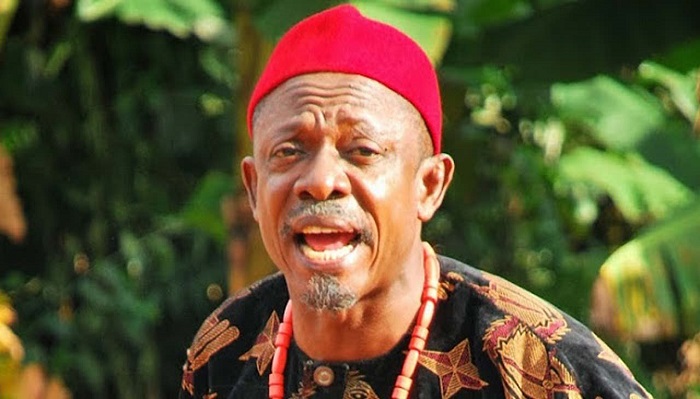
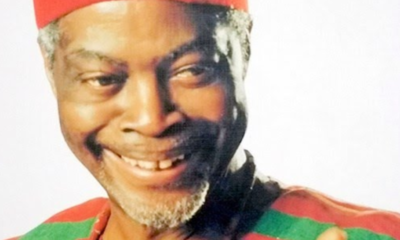
Nkem Owoh, popularly known as Osuofia is one of the most iconic and influential actors in the history of Nollywood. For more than three decades, he has entertained millions with his brilliant comic timing, expressive delivery, and unforgettable roles that reflect everyday Nigerian life.
From his humble beginnings in Enugu to becoming a household name across Africa and the diaspora, Nkem Owoh’s journey is a blend of talent, resilience, impact, and recognition. His breakout role in Osuofia in London not only cemented his status as a comedy legend but also helped to introduce Nollywood films to an international audience at a time when the industry was still growing.
This biography takes you through the story of Nkem Owoh – his early life, education, acting career, music, controversies, awards, personal life, and legacy. It is a warm, fact-checked and easy-to-read look at the man behind some of the funniest and most memorable characters in the Nigerian movie industry.
Whether you know him as Osuofia, as a veteran performer, or as a symbol of classic Nollywood comedy, this in-depth profile shows why Nkem Owoh remains one of the most celebrated faces in African entertainment today.
Early Life and Background of Nkem Owoh
Nkem Owoh was born on 7 February 1958 in Amagu Village, Udi Local Government Area, Enugu State, Nigeria. He is Igbo by tribe and spent his early years within the cultural environment of his home State, Enugu.
Nkem Owoh attended both his primary and secondary schooling in Nsukka, Enugu State. These formative years exposed him to local culture and traditions which helped to bring out his unique comic style rooted in Igbo culture and language.
After secondary school, he proceeded to higher education and matriculated at the Federal University of Agriculture, Abeokuta (FUNAAB) to study Engineering. While at university, though studying a technical course, he began to nurture his interest in drama and acting. That period marked a subtle but important shift in his path, from engineering to an emerging passion for performance and storytelling. Education was important to his family background, but the arts slowly became his true calling.
Nkem Owoh’s love for entertainment did not start only during university. Those who know his biographical accounts trace his interest in performance to his youth. By the time he was in school, he already demonstrated an inclination toward acting and drama.
Though trained in engineering, his creative instincts pushed him toward media and entertainment. After his national youth service and a short stint in engineering work, the turn toward entertainment became more imminent.
Career Beginnings
The journey of Nkem Owoh into Nollywood was gradual. It started quietly behind the scenes before his face became familiar on screen. In 1979, after completing his education, he began his entertainment-industry career, not as an actor but as a scriptwriter for the Nigerian Television Authority (NTA).
He contributed to well-loved television comedies such as The New Masquerade and Basi and Company (Basi and Company was originally created by the late writer-activist, Ken Saro-Wiwa). During that period, Nkem Owoh also worked with radio/TV stations, including the former Anambra State Broadcasting Service (ASBS) and other broadcasting outfits.
Even though he held a formal degree in engineering, his heart was evidently in creative expression, in writing scripts and engaging in dramatics.
Despite being a writer by trade, Nkem Owoh’s talent for performing was noticed early. According to interviews, during his school days (secondary school and even, youth service years), he was already involved in drama and plays.
His first break as an actor came on television. When a role was needed in The New Masquerade, he stepped in to play the part of a drunkard, because the original actor was unavailable. That unplanned acting job paved the way for a new direction. As Nkem Owoh himself has noted, being behind the scenes helped him understand scripts well, and that became an advantage as an actor.
In 1992, when the now-legendary movie, Living in Bondage was produced, Nkem Owoh was hired to handle its English subtitling. That role marked his first official involvement in home-video film production.
Afterwards, his first credited acting role in a home video movie came in Circle of Doom where he played a customs officer. This role was offered after producers recognized his scripting skill and potential for acting. His third movie credit came in the film Taboo, a movie in which he was involved as actor and scriptwriter, or at least part of the writing team.
Nkem Owoh’s path into Nollywood wasn’t a sudden leap, it was a gradual evolution. From studying engineering to writing scripts at NTA, subtitling a landmark movie, grabbing chance acting roles on television, each step built upon the last. His background behind the scenes gave him a firm grasp of storytelling and character that made his transition to acting smoother and more impactful. By the time he appeared in his first home-video films, he was already equipped not only with raw talent but also with industry knowledge.
This foundation of blending writing, subtitling, acting, and production laid the groundwork for the iconic career that would eventually make him a household name in Nigerian cinema.
Career Breakthrough

Nkem Owoh in “Osuofia in London”
Nkem Owoh’s biggest career breakthrough came in 2003 with the release of the blockbuster comedy film Osuofia in London produced by Kingsley Ogoro. The movie followed the hilarious adventures of a village man named Osuofia who travels to the United Kingdom to claim an inheritance, only to clash with Western culture at every turn.
The film was a massive commercial success as it became one of the highest-selling Nollywood movies of the early 2000s and a defining production during the era when Nigerian films were gaining international visibility. Its success was driven by Nkem Owoh’s natural comedic rhythm, improvisational skill, and ability to portray a relatable, culturally grounded character whose innocence and wit instantly connected with audiences across Africa and abroad.
The character Osuofia became so popular that it shaped the public’s perception of Nkem Owoh, turning the nickname into a permanent identity. The film also opened doors for sequels and similar comedy roles that further established him as one of Nollywood’s most bankable comic actors.
This moment marked the turning point of his career as it elevated him from a well-known actor to a continental star and helped to push Nollywood toward global recognition during its formative years.
Acting Career and Notable Films
Nkem Owoh’s acting career spans over three decades, making him one of the longest-standing and most influential figures in Nollywood. He began appearing in Nigerian television and home-video productions in the 1990s, at a time when Nollywood was transitioning into a structured film industry. His unique comedic timing, ability to improvise, and natural flair for portraying everyday Nigerian characters quickly earned him a loyal audience.
Throughout his career, he has starred in dozens of successful films, most of them within the comedy and family-drama genres. Some of his most notable works include:
Osuofia in London (2003): His most iconic film and one of Nollywood’s most commercially successful projects of the early 2000s.
Conspiracy (2001): One of his earlier major roles, showcasing his versatility in drama.
A Fool at 40 (2004): A popular comedy that strengthened his reputation as a leading comic actor.
Mr. Trouble (Early 2000s): A well-known comedy film that highlighted his signature style of humour.
Stronger Than Pain (2007): He starred alongside Kate Henshaw in this emotional drama. His performance contributed to the film’s critical attention. Kate Henshaw won the Africa Movie Academy Award (AMAA) for Best Actress for her role in the movie.
Ghana Must Go (2016): A romantic-comedy film featuring Owoh in a supporting role, widely noted for its cross-cultural humour.
Chief Daddy (2018): A star-studded comedy produced by EbonyLife Films. Nkem Owoh played a comic uncle, and the film became a major box-office success in Nigeria.
Chief Daddy 2: Going for Broke (2022): He reprised his role in the sequel, continuing his relevance in modern Nollywood.
Namaste Wahala (2021): Though not a lead role, his presence added to the film’s humour and cross-cultural appeal.
Aki & Pawpaw (2021) – Cameo Appearance: This reboot featured him in a memorable cameo, reinforcing his place as a respected veteran.
Across these roles, Nkem Owoh has built a legacy as one of Nollywood’s most recognizable comic actors, celebrated for his natural humour, ability to portray relatable Nigerian characters, consistent delivery across both old-generation and modern Nollywood films and influence on shaping comedy in the home-video era.
His characters often reflect everyday Nigerian values, struggles, and jokes which has made him a beloved figure across generations.
Nkem Owoh as A Musician
While Nkem Owoh is primarily celebrated for his acting and comedic roles, he has also ventured into music where he blended humour with social commentary. His musical career is relatively limited compared to his acting, but it has attracted significant attention due to the controversial and satirical nature of some of his songs.
One of his most famous songs is “I Go Chop Your Dollar.” The track gained notoriety because it humourously addressed the issue of advance-fee fraud, popularly known as 419 scams, a problem that has affected Nigeria’s reputation internationally. The song’s video which depicted Nkem Owoh’s character involved in a comedic sketch about scams drew both widespread attention and criticism.
The Nigerian Broadcasting Commission (NBC) reportedly banned the song from public airing, citing concerns that it might glamourize fraud.
Despite this, the song became widely circulated and remains one of his most recognizable musical pieces.
Nkem Owoh’s music is heavily influenced by Igbo culture and Nigerian Pidgin English and mirrors the linguistic style that made his comedic acting popular. His songs are often short, comedic, and satirical, and emphasized storytelling, moral lessons, or social critique much like his acting roles.
In several of his films, including The Master, his songs serve as extensions of his comic persona, providing humourous commentary on plot points. His music is, therefore, not separate from his acting career but has become part of his multi-faceted approach to entertainment which combines performance, humour, and social reflection.
Though Nkem Owoh did not pursue music as a primary career, his work in this space highlights his versatility and creativity. He remains a unique figure in Nollywood who can merge film, comedy, and music to entertain and provoke thought simultaneously.
Controversies and Public Challenges
While Nkem Owoh is celebrated for his contributions to Nollywood, his long career has included a few public controversies and challenges, all of which were widely reported in the media and are part of his verified biography.
In the mid-2000s, he released a satirical song titled “I Go Chop Your Dollar” which humourously addressed advance-fee fraud (419 scams). Although intended as social commentary, the song generated strong public debate.
The Nigerian Broadcasting Commission (NBC) reportedly banned the track from public airing, concerned that it might glamourize fraudulent behaviour. The song sparked discussions in both national and international media about the portrayal of sensitive societal issues in entertainment.
Despite the controversy, it became widely circulated and is remembered as one of Owoh’s boldest satirical works.
In November 2009, Nkem Owoh was abducted in Enugu State while travelling. Local media reported that the kidnappers demanded a ransom for his release. He was safely rescued after a few days, and the incident received extensive coverage in Nigerian newspapers and international media.
Beyond personal incidents, he has faced challenges typical of long-standing Nollywood actors which include navigating film piracy and distribution issues in the early Nollywood era that affected revenue from his films, balancing typecasting as the “comic village man” which sometimes, limited his opportunities in serious or dramatic roles.
Despite these challenges, Nkem Owoh has consistently remained active in Nollywood, and has proven resilient and adaptable. His ability to continue producing popular films, participate in major productions like Chief Daddy (2018), and maintain relevance across decades demonstrates his professional perseverance.
Awards and Recognition

AMCVA Industry Merit Award
AMAA Best Actor in a Leading Role (2008) – Nkem Owoh won this for his performance in the film Stronger Than Pain.
AMAA Lifetime Achievement Award (2017) – In recognition of his decades‑long contribution to Nollywood, he was honoured with a Life‑Time Achievement Award by the AMAA organizers.
Industry Merit Award at Africa Magic Viewers’ Choice Awards (AMVCA) 2025 – More recently, Nkem Owoh was given the Industry Merit Award at AMVCA in recognition of his lasting impact on Nigeria’s film industry.
Arts Theatre Awards Lifetime Achievement (2024) – The theatre community also recognized his contributions as he was honoured with a Lifetime Achievement Award by the Arts Theatre Awards (ATA) in 2024.
Member of the Order of the Federal Republic of Nigeria (MFR) – Nkem Owoh was honoured for his contributions to Nigerian arts and culture.
Personal Life

Nkem Owoh & family – Photo credit: Realtima tv
Despite his public persona as a celebrated actor, Nkem Owoh has consistently kept his family life private, choosing to shield his personal affairs from media scrutiny. He married his wife, Ngozi Nkem Owoh in 1998, and together, they had two daughters. Tragically, one of their daughters passed away in June 2023, a loss that was widely reported in Nigerian media.
Beyond this heartbreaking event, Nkem Owoh has maintained a low-profile family life, rarely sharing details about his children or private matters, preferring instead, to focus public attention on his work and contributions to Nollywood.
Over the years, there have been occasional misconceptions among fans regarding his personal relationships, with some confusing him with other members of the Owoh family, such as actress Chinwe Owoh. However, credible sources confirm that Chinwe is not his spouse but an in-law, and his marriage to Ngozi has remained stable and private.
Despite his off-screen privacy, Nkem Owoh’s career and life experiences reflect a balance between family grounding and professional dedication. As at early 2025, having celebrated his 70th birthday, he remains a respected figure in the Nigerian entertainment industry, appreciated not only for his comic talent but also for his enduring commitment to his craft while keeping his family life discreet and protected from public scrutiny.
Legacy and Cultural Influence
By the time Nkem Owoh celebrated his 70th birthday in 2025, many Nigerians and fans across Africa had come to regard him not just as an actor but as a cultural icon whose work has helped to shape the identity of modern Nigerian cinema.
Nkem Owoh’s portrayal of his signature character Osuofia remains one of the most memorable and defining performances in Nollywood history. The success of films like Osuofia in London vaulted the “Osuofia” persona into public consciousness, making the name almost synonymous with Nkem Owoh himself. That role, and the comedic style he popularized helped to give Nollywood a unique voice, one rooted in local languages, culture, humour, and the everyday experiences of many Nigerians.
More broadly, his long career spanning several decades and featuring both comedic and dramatic roles has helped to forge an era of entertainment where actors could draw on indigenous culture, dialects, and social realities to craft relatable stories. By embodying characters that many viewers saw themselves in, he contributed to the appeal of Nigerian movies both at home and abroad.
For many Nigerians who grew up in the 1990s and 2000s, Nkem Owoh’s movies represent some of their fondest cinematic memories. As contemporary print media noted on his 70th birthday, his wit and versatility have sustained his popularity across generations.
Even today, clips and dialogues from his films continue to circulate, especially on social media and are helping younger audiences to discover the style of comedy of the previous generation. This cross-generational reach underscores how his body of work has become part of Nigeria’s shared cultural memory.
Through his use of Igbo language, Pidgin and culturally rooted humour, Nkem Owoh has helped to spotlight indigenous narratives in mainstream cinema. His characters often reflect village‑to‑city transitions, diaspora experiences, and social dynamics familiar to many Nigerians. This makes local culture accessible and relatable, even to international audiences.
By doing this, he helped to validate Nigerian languages and cultural identity in an industry that, in its early days often drew from foreign templates. For many fans, watching an “Osuofia” film was entertainment, a celebration of home, heritage, and shared experiences merged in one.
Nkem Owoh’s success demonstrates that actors don’t have to use Westernized accents or stories to succeed. Audiences appreciate authenticity. This opened doors for new talents who speak local languages or tell culturally grounded stories, thus helping to diversify Nollywood’s talent pool and narrative range.
Moreover, his recognition, including major awards and public honours has cemented his legacy as a benchmark. On his 70th birthday, the Head of State publicly honoured him for his decades of storytelling that showcased Nigeria’s rich cultural heritage. This kind of public respect reinforces the value of home‑grown cinema and encourages preservation of Nollywood’s early styles, even as the industry modernizes.
Perhaps Nkem Owoh’s greatest legacy lies in the way his films and characters have brought joy to millions, laughter that transcends social, ethnic and generational divides. His movies offered escape, comfort, and communal memories in times of hardship. As celebrated in 2025 by fans and authorities alike, his work helped to entertain and unite communities through laughter and storytelling.
In a rapidly changing media environment where globalized content often overshadows local stories, Nkem Owoh stands as a reminder that creativity rooted in one’s own culture remains deeply powerful. His legacy is not only in the films he made, but in the shared laughter, memories and pride his work has instilled. This legacy still resonates today.
In Conclusion …
Nkem Owoh, fondly known as Osuofia is a cultural icon whose work has left an indelible mark on Nigerian cinema. From his early days as a scriptwriter to becoming one of Africa’s most beloved comic actors, he has consistently demonstrated talent, versatility, and a deep understanding of storytelling. His breakthrough role in Osuofia in London not only solidified his fame but also brought Nigerian humour and culture to audiences across the continent and beyond.
Throughout his career, Nkem Owoh has faced challenges, including controversies and personal hardships. Yet, his resilience and dedication to his craft have never wavered. His influence stretches beyond comedy, inspiring new generations of actors and filmmakers to embrace local languages, cultural narratives, and authentic storytelling.
Awards and recognitions, including AMAA and AMVCA honours celebrate his contributions and underline his enduring legacy in Nollywood.
Beyond the screen, Nkem Owoh has maintained a private and grounded personal life devoted to his family while remaining a public figure admired for both his talent and humility. His films continue to entertain, educate, and bring communities together.
Ultimately, Nkem Owoh’s legacy is a testament to the transformative power of creativity rooted in culture. He has not only entertained millions but has also helped to define Nollywood’s identity, as a proof that Nigerian stories, humour, and values can resonate globally.
For fans, aspiring actors, and cultural enthusiasts, Nkem Owoh remains an enduring symbol of excellence, resilience, and the joy of storytelling.
References
- https://en.wikipedia.org/wiki/Nkem_Owoh
- https://biography.igbopeople.org/biography/nkem-owoh/
- https://www.manpower.com.ng/people/15962/nkem-owoh
- https://www.modernghana.com/movie/928/4/nkem-owoh.html
- https://guardian.ng/saturday-magazine/celebrity/nkem-owoh-an-actors-actor-story-at-70
- https://reflectortv24.com/nkem-owoh-aka-osuofia-his-career-his-fame/
- https://pmnewsnigeria.com/2025/02/07/twenty-mind-blowing-facts-about-legendary-nkem-owohs-life-career-at-70/
- https://www.nollywoodgists.com/news/4285/i-am-also-anti-419-says-nkem-owoh.html
- https://en.wikipedia.org/wiki/Osuofia_in_London
- https://ama-awards.com/amaa-winners/
- https://ultrascan-agi.com/assets/files/Nigeria–419Coalition2007NewsonNigerianScam_419Operations.pdf
- https://groups.google.com/g/usaafricadialogue/c/_vpgGdqpwq8
- https://www.imdb.com/name/nm1574483/
- https://www.vanguardngr.com/2025/05/amvca-2025-honours-nkem-owoh-sani-mazu-with-industry-merit-awards/
You might want to check this out …