

History and heritage
Nkpor Town, Anambra State: History, Culture, Economy and Things to Know

Nkpor is a thriving town in Anambra State with rich history, strong culture, vibrant markets, and a growing economy. Learn about Nkpor people, heritage, traditions, modern life, and other things you should know.
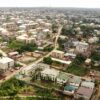
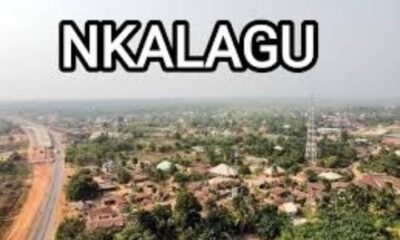
Nkpor is familiar a name on the map of Anambra State. It is a place where history lives in everyday conversation, where markets pulse with energy from dawn till dusk, and where traditions still forge the rhythm of life. Nestled in the Idemili North Local Government Area, the town sits quietly beside the bustling city of Onitsha, yet it carries its own unique identity and charm.
If you are curious about towns that combine deep cultural roots with modern strides in commerce and community life, Nkpor deserves your attention. This town has grown from a small agrarian settlement into a thriving centre of trade, education, and social connection. Along the way, its people have held on to the customs that define them while embracing change that brings opportunity.
In this article, you will discover the history, people, culture, economy, festivals, governance, and everyday life in Nkpor.
Whether you are planning a visit, conducting research, or simply want to understand what makes this community vibrant and resilient, you will find clear, engaging insights that bring Nkpor to life.
History of Nkpor Town
The history of Nkpor stretches back many generations and is rooted in the migrations and settlements of early Igbo families in what is today Anambra State. The name of the town itself tells a story. Nkpor reflects the movement and resilience of its people as they established their community in its present location after leaving an earlier settlement.
The ancestors of Nkpor trace their lineage to a hunter named Okoli Otie. Otie settled in the area that is now Abatete, with neighbours such as Eziowele and Abacha. He had three sons, namely, Omaliko, Oji, and Dimudeke. Omaliko became the forefather of the people of Abatete. Oji’s descendants became the people of Umuoji. Dimudeke, the youngest son became the ancestor of the Nkpor people.
The early Nkpor people were originally called Umudim and lived in the area now known as Oraukwu. However, conflicts with neighbouring communities, particularly over land and resources led to repeated wars and strife. As a result, their elder brothers from Abatete and Umuoji helped to relocate them to a new, uninhabited area.
This relocation is central to how the community came to be known as Nkpor. The repeated use of the term ndi akpoghalu akpogha, meaning, those who have repositioned themselves, eventually evolved linguistically into the name.
Today, Nkpor is made up of five main villages, each named after one of Dimudeke’s children: Umusiome, also called Isiome, Isingwu (Ngwu), Ububa, Amafor (Nwafor), and Mgbachu. These villages form the traditional framework of the town and reflect its genealogical history.
The traditional leadership structure in Nkpor is closely tied to these villages. The monarch is traditionally chosen from Umusiome village which is regarded as the eldest of the five. Umusiome itself is divided into nine kindreds, with each tracing descent from early ancestors of the town. Among these, the descendants of Arinze which was the middle son of the first king are the ones from whom the Igwe is selected. This lineage system not only shapes leadership but also reinforces family ties, social order, and cultural continuity in the town.
While Nkpor was historically known for its strength in warfare and self‑defence which earned it the nickname “Obodo Dike” (the land of the brave), its people have long been recognized for their hospitality, agricultural skill, and peaceful engagement with neighbours.
In earlier times, Nkpor farmers were known for producing high‑yield crops like maize and yams. The community was sufficiently self‑sustaining that many families did not need to buy food from the market and were always generous to visitors.
Throughout centuries, Nkpor has evolved from a rural agrarian society into an increasingly urban and commercial town. Yet, its history remains deeply embedded in traditions, lineage, and community values that continue to influence life in the town today.
People and Culture
The people of Nkpor are predominantly Igbo, one of Nigeria’s major ethnic groups celebrated for their vibrant culture, rich language, and strong sense of community. Both Igbo and English are widely spoken, to reflect a blend of tradition and modernity.
Nkpor has a long history as an agrarian society. For generations, farming and livestock rearing formed the backbone of daily life. Families cultivated yams, cassava, maize, and vegetables while raising goats and poultry for food and trade. Even today, many residents honour this agricultural heritage by maintaining small family farms alongside commercial and professional pursuits. This combination of rural roots and urban growth gives the town its unique character.
Family and kinship are central to life in Nkpor. The town is organized around extended family networks and village groups which historically managed community governance and dispute resolution. These structures continue to influence modern decision-making and cultural ceremonies, ensuring that traditions remain vibrant. Elders, lineage heads, and village councils hold considerable respect and play a key role in maintaining harmony, overseeing festivals, and guiding younger generations.
Religion is an important part of Nkpor cultural fabric. Christianity dominates, with both Catholic and Anglican congregations well established in the town. The town’s embrace of Christian missions dates back to the 19th century and was influenced by its proximity to Onitsha where missionaries first arrived in southeastern Nigeria. Despite the strong Christian presence, some residents continue to practice traditional Igbo beliefs, particularly during festivals, naming ceremonies, and cultural rituals. This coexistence of faith and tradition adds depth and vibrancy to community life.
Cultural practices in Nkpor emphasize respect, hospitality, and community cohesion. Festivals, age-grade ceremonies, and family gatherings provide opportunities to celebrate shared identity and preserve customs. Music, dance, and masquerades often accompany these events which reflect the creativity and artistic heritage of the people. These traditions ensure that, even in a town increasingly influenced by commerce and urban development, the spirit and identity of Nkpor remain strong.
Festivals and Celebrations
The people of Nkpor take pride in their rich cultural heritage which is expressed vividly through festivals and celebrations. These events are a blend of tradition, community values, and modern practices which portray both its agrarian roots and evolving urban character.
One of the most significant traditional events is the New Yam Festival known locally as Iri Ji. This festival marks the end of the farming season and the beginning of the yam harvest. Families and community members gather to offer thanks to the gods and ancestors for a bountiful harvest. The festival includes rituals, prayers, dances, and the sharing of new yams which foster community cohesion and honouring agricultural heritage.
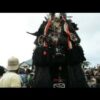
Another key cultural celebration is the masquerade festival. During these events, masked performers, often representing ancestral spirits or symbolic figures entertain and educate the community. These masquerades serve as a link to the past, preserving stories, moral lessons, and traditional customs through music, dance, and dramatic performances.
Modern celebrations are also central to life in Nkpor. Christmas and New Year festivities are widely observed, bringing families, friends, and neighbours together for church services, feasting, and social gatherings. These celebrations seamlessly combine local traditions with global influences, creating lively and meaningful community experiences.
In addition, Nkpor communities observe age-grade and elder ceremonies which honour senior residents for their contributions to the town. These events strengthen respect for elders, reinforce social hierarchy, and encourage younger generations to uphold communal values. They often include speeches, presentations, and communal feasts, thus highlighting the commitment of the town to intergenerational respect and cultural continuity.
Through both traditional and modern celebrations, Nkpor people maintain a strong sense of identity, unity, and pride in their heritage. These festivals are not only moments of joy but also opportunities to teach cultural values, strengthen social bonds, and pass traditions from one generation to the next.
Traditional Governance
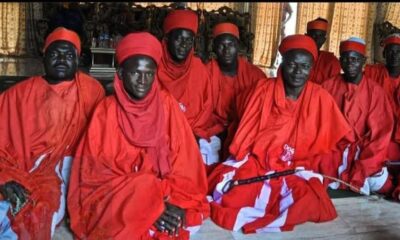
Nkpor has maintained a respected traditional governance system that continues to play a vital role in its social, cultural, and political life. At the heart of this system is the hereditary monarch known as the Igwe. The position of Igwe is traditionally selected from Umusiome village which is regarded as the eldest five villages. This lineage-based system reflects the community’s deep respect for ancestry and continuity.
The Igwe works closely with a council of chiefs who represent the major families and villages in Nkpor. This council plays a key role in settling disputes, preserving cultural practices, and guiding community development. By integrating family lineage and village representation, the council ensures that decisions reflect the consensus of the town and balance tradition with the needs of modern life.
Traditional titles in Nkpor carry significant prestige, particularly the Ozo title. Holders of the Ozo title are recognized for their leadership, integrity, moral standing, and service to the community. These titleholders often mediate disputes, advise the Igwe, and participate in ceremonial events as a way of reinforcing social order and respect for culture.
Even with the presence of modern political structures under the Nigerian government, Nkpor traditional system remains influential. It complements contemporary governance by providing continuity, a sense of identity, and local problem-solving mechanisms. The coexistence of traditional authority and formal government allows the town to benefit from both heritage and modern administrative practices which makes Nkpor a community that honours its past while navigating present-day challenges.
Through this system, Nkpor preserves its cultural heritage and ensures that leadership is accountable, inclusive, and connected to its historical roots.
Economy of Nkpor
The economy of Nkpor is vibrant, diverse, and closely linked to its strategic location within the Greater Onitsha Metropolis. Trade and commerce form the backbone of its economic life as they attract traders, buyers, and wholesalers from across Anambra State and beyond.
Nkpor is known for both traditional and modern markets that serve as hubs of economic activity. Traditional markets such as Eke Nkpor, Afor Nkpor, and Nkwo Market Amafor have been central to local trade for generations. In these markets, residents sell agricultural produce, household items, and handcrafted goods, maintaining a long-standing culture of commerce.
In addition, Nkpor hosts several modern markets that cater to growing urban demand. These include the New Spare Parts Market, Relief Market (Main Market), New Tyre Market, Old Tyre Market, Mgbuka Market, and Motorcycle Spare Parts Market. These markets attract a wide range of traders, from small-scale vendors to large wholesalers, making the town a key commercial centre in southeastern Nigeria.
The proximity of Nkpor to Onitsha, one of Nigeria’s largest commercial hubs further strengthens its economic profile. Goods and services flow easily between the town and Onitsha. This provides opportunities for employment, entrepreneurship, and business expansion. Many people choose to live in Nkpor while working in Onitsha, thus earning the town the nickname “mini Anambra State.”
Beyond markets, Nkpor economy is supported by small-scale manufacturing, retail businesses, and service industries. Banks, hotels, transport companies, and other service providers operate actively in the town and reflect its growing urbanization and economic diversification. Residents engage in tailoring, carpentry, auto repair, and other entrepreneurial ventures, helping to create a dynamic local economy that continues to expand.
Overall, Nkpor exemplifies a town where tradition meets commerce, thus balancing the heritage of traditional markets with the opportunities offered by modern trade and urban growth. Its strategic location, industrious population, and thriving marketplaces make it a vital economic centre in Anambra State.
Education in Nkpor
Education holds a central place in the life of Nkpor residents. The town is home to several primary and secondary schools, both public and private which provide children with a strong foundation in literacy, numeracy, and essential life skills. These schools are integral to the community and help to nurture young minds while preserving cultural values.
Nkpor also hosts specialized institutions such as the Anambra State School of Nursing which trains nurses and other healthcare professionals. The proximity of the town to the General Hospital, plus affiliation with Chukwuemeka Odumegwu Ojukwu University Teaching Hospital offers residents access to practical medical training and quality healthcare services. This access to professional education contributes to its reputation as a centre for both learning and skill development.
Because of its strategic location near Onitsha and other urban centres, many young adults from Nkpor pursue higher education at universities and colleges across southeastern Nigeria. Students often study a wide range of disciplines, from business and engineering to health sciences and social studies. The emphasis on education in Nkpor is a reflection of the community’s commitment to personal growth, professional development, and upward social mobility.
Overall, the educational landscape in Nkpor is a balance of foundational schooling, specialized training, and opportunities for higher learning which makes the town not just a hub of commerce but also a centre for intellectual and professional advancement.
Transport and Infrastructure
Nkpor enjoys a strategic location that connects it seamlessly to major towns in Anambra State, including Onitsha, Awka, and Ogidi. Its position along key transport routes has made it an accessible and convenient hub for traders, commuters, and travellers alike. The road networks continue to evolve to accommodate increasing traffic from both local and regional activities.
Public transport in Nkpor is well-established, with buses, taxis, and motorcycle taxis providing essential mobility for residents. These options make it easy for people to commute to nearby urban centres for work, education, or business while also facilitating the flow of goods to and from the bustling markets.
Nkpor infrastructure goes beyond transport. Telecommunications networks are widely available to enable mobile and internet connectivity for personal, professional, and commercial use. Electricity supply has seen gradual improvement and support households, businesses, and public services. Access to clean water has also expanded through community boreholes, private wells, and public water schemes, although intermittent challenges remain which a common feature in rapidly growing urban areas in Nigeria.
The town balances urban growth with traditional living and maintaining its village layouts and community spaces even as modern infrastructure develops. This blend allows Nkpor to retain its cultural identity while supporting commerce, education, and residential life. As development continues, investments in roads, utilities, and public services are expected to further enhance the quality of life and economic potential of the town.
Landmarks, Markets and Attractions

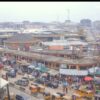
Nkpor is a town where culture, commerce, and community life come together, and its landmarks and attractions reflect this unique blend. The town is best known for its vibrant markets, which serve as the heartbeat of its economy and a window into daily life. Both traditional and modern markets attract traders and buyers from across Anambra State and Nigeria. This makes Nkpor a hub for commerce and trade.
The Main Market also known as Relief Market is the largest and most well-known market in Nkpor. Here, visitors can find a wide array of goods, including agricultural produce, household items, clothing, and more.
In addition to the Main Market, Nkpor is famous for its spare parts and tyre markets, including the New Tyre Market, Old Tyre Market, Motorcycle Spare Parts Market, and New Spare Parts Market. These specialized markets draw wholesalers, retailers, and individual buyers from far and wide, thus cementing its reputation as a regional trading centre.
Beyond commerce, Nkpor is home to several educational and healthcare institutions that also serve as landmarks. The Anambra State School of Nursing and nearby medical facilities, including the General Hospital linked to Chukwuemeka Odumegwu Ojukwu University Teaching Hospital are important both for professional training and for community services. These institutions highlight its commitment to education, healthcare, and social development.
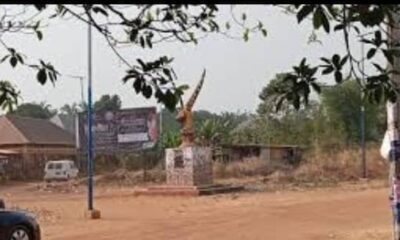
Cultural landmarks also contribute to its identity. Traditional meeting places, village squares, and spaces used for festivals and ceremonies reflect Nkpor’s rich heritage and community spirit. Masquerade grounds, particularly during festivals, attract both residents and visitors and provide a space where history, entertainment, and culture converge.
Overall, Nkpor landmarks and attractions are hubs of social interaction, commerce, and cultural expression. They reveal its dynamic economy, commitment to education and healthcare, and deep respect for tradition, thereby making the town both a practical destination for business and an engaging community for visitors.
Challenges and Development Opportunities
Nkpor has seen rapid growth in recent years but this growth comes with challenges. Urbanization brings pressure on roads, housing, and public services. Like many growing towns, it must manage these challenges while improving infrastructure and living conditions.
Security has also been a community focus, with local leaders and residents working to reduce crime and ensure peaceful living for all. Community organizations have launched initiatives to improve local safety and collaboration with law enforcement. There is also the challenge of gully erosion.
Despite challenges, Nkpor has great opportunities for growth. Its strategic location near Onitsha, vibrant economy, and strong cultural heritage make it attractive for investors, traders, and new residents.
Continued investment in education, infrastructure, and security can help the town prosper even more.
In Conclusion …
Nkpor is a town where history, culture, and modern life intersect in remarkable ways. From its deep roots in Igbo tradition to its bustling markets and dynamic economy, it showcases a community that honours its heritage while embracing progress. The people place great value on culture, education, family, and community development which ensures that traditions remain strong even as urban growth continues.
For visitors, investors, or anyone exploring the towns of Anambra State, Nkpor offers a unique glimpse into a society that balances the wisdom of the past with the opportunities of the present. Its vibrant markets, educational institutions, festivals, and strong social structures make it not only a centre for commerce but also a living testament to the enduring spirit and resilience of its people.
In Nkpor, tradition and modernity do not compete, they complement each other, thus creating a town that is both historically rich and forward-looking. It is a place where stories of the past inform decisions for the future, thus making Nkpor an inspiring example of growth, culture, and community in harmony.
References
- https://en.wikipedia.org/wiki/Nkpor
- https://www.emmason247.com.ng/blog/history-origin-culture-and-traditions-of-nkpor-town-in-anambra-state/GRGWWRIDV
- https://documents1.worldbank.org/curated/en/949511520614562010/pdf/SFG2879-V6-RP-P124905-PUBLIC-Disclosed-3-9-2018.pdf
- https://thesun.ng/nkpor-community-celebrates-octogenarians/
- https://independent.ng/nkpor-community-declares-war-on-criminal-elements/
You might want to check this out …