


History and heritage
Nsukka || The Ancient University Town

Nsukka is a historic town in Enugu State known for its rich culture, the University of Nigeria, sprawling farmlands, and deep-rooted traditions. This article explores Nsukka history, geography, communities, leadership, markets, festivals, food, notable people, and the challenges and hopes that shape its future.
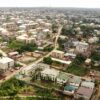
Nestled in the northern part of Enugu State, Nsukka is more than just a name on Nigeria’s educational map. It is a living symbol of history, intellect, and culture. Known widely as the home of the prestigious University of Nigeria, Nsukka carries the gentle rhythm of a traditional Igbo town while embracing the pulse of modern academic life. Its red earth roads lead not only to farms and family compounds but also to classrooms, shrines, markets, and memories that stretch back centuries.
From the ancient festivals that honour the ancestors to the lively student communities that shape new ideas, Nsukka represents a meeting point of old and new worlds. The people are proud of their heritage: their food, their music, their gods, and their scholars, and they hold tightly to values of hard work, learning, and unity. Today, Nsukka stands tall as an ancient university town whose story continues to inspire scholars, travellers, and indigenes alike.
Here, we explore Nsukka in all its depth – its history, geography, leadership, culture, economy, food, people, and prospects, to reveal the unique identity of this remarkable town where tradition and knowledge walk hand in hand.
A Brief History of Nsukka
The story of Nsukka stretches far back into precolonial times when it existed as a cluster of Igbo-speaking farming settlements bound by kinship, trade, and shared traditions. Before colonial influence, the people lived under a decentralized system of governance where village elders and councils of chiefs made decisions through consensus. Each community maintained its own shrines, markets, and festivals, forming a strong cultural network that promoted peace and unity.
When the British arrived in the early 20th century, this ancient town became an administrative centre for the colonial government. Its strategic location and vibrant population made it suitable for trade and governance. The town later evolved into the headquarters of Nsukka Division which covered many surrounding communities. Colonial presence brought new roads, schools, and mission churches, setting the stage for social and economic change.
A major turning point in town’s history came in 1960 with the establishment of the University of Nigeria, Nsukka (UNN) – the first indigenous university in Nigeria founded by Dr. Nnamdi Azikiwe. The university transformed Nsukka from a quiet agricultural settlement into a national landmark of learning and innovation. Over the decades, the town grew rapidly as students, teachers, and workers from different parts of Nigeria settled there, bringing with them new ideas, cultures, and opportunities.
Today, this university town stands as both a symbol of ancient Igbo civilization and modern education. It is a town where tradition meets scholarship, where ancestral heritage continues to live alongside the academic dreams of a new generation.
Location and Geography

Nsukka is located in the northern part of Enugu State, within the southeastern region of Nigeria. It occupies a unique position on the Plateau, a highland area that rises about 400 to 500 metres above sea level. This elevated terrain gives the town a mild and pleasant climate for most of the year, with cool evenings and moderate rainfall that favour agriculture.
The town shares boundaries with Igbo-Etiti and Uzo-Uwani Local Government Areas to the south and west, and with communities in Kogi and Benue States to the north.It’s central location within the Nsukka Cultural Zone makes it a natural hub connecting many towns and villages in northern Enugu. Major roads link the town to Enugu City (about 60 kilometers away) and to other neighbouring urban centres, making movement of goods and people easy.
The landscape of the towna is marked by gentle hills, fertile valleys, and stretches of farmland where crops such as yam, cassava, and maize flourish. The soil is rich in laterite and clay, and underground, the region holds deposits of coal and other minerals. The vegetation is a blend of savanna and forest, with patches of palm trees and thick shrubs scattered across its plains.
With a tropical climate that includes a wet season from April to October and a dry season from November to March, Nsukka enjoys a balance that supports both farming and settlement.
Its geography has not only shaped the people’s livelihoods but also influenced their culture, festivals, and patterns of settlement over the centuries.
Villages and Communities that Make Up Nsukka
Nsukka is not just a single settlement but a collection of closely linked communities that share common ancestry, language, and culture. The town itself is traditionally made up of three main quarters, namely, Nkpunano, Nru, and Ihe-Owerre which together form what is often referred to as “Nsukka Urban.” Each quarter is composed of several villages, with their own family lineages, market squares, and local festivals.
Beyond the urban core, the wider Nsukka Local Government Area includes many surrounding communities such as Obimo, Ede-Oballa, Owerre, Ibagwa-Ani, Ibagwa-Aka, Obukpa, Okpuje, Edem, Orba, Ovoko, and Alor-Uno, among others.
These communities are spread across fertile lands and connected by a network of roads and footpaths that have existed for generations. Together, they make up what people proudly call the Nsukka Cultural Zone.
Each community maintains its traditional leadership structure, age grades, and women associations, but they all share a strong bond rooted in common heritage and customs. Their dialects are mutually intelligible, their festivals are similar, and intermarriages are common.
Despite the modern growth and urban expansion brought about by the University of Nigeria, the spirit of kinship among these communities remains intact.
Today, whether one visits the quiet farmlands of Obimo, the busy streets of Nru, or the trading centres of Orba, the same sense of unity and identity can be felt. Every community contributes to the collective life of Nsukka, keeping alive a cultural network that stretches across generations and landscapes.
Leadership and Traditional Authority
Leadership in Nsukka combines the framework of modern governance with the enduring influence of traditional authority. The town functions under the Nigerian local government system, with elected officials responsible for administration and development. Alongside this modern structure, traditional leadership continues to play a vital role in preserving culture, maintaining order, and fostering unity among the people.
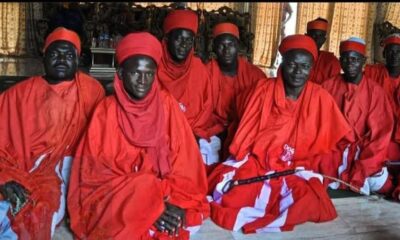
The traditional ruler of Nsukka is His Royal Highness, Igwe Dr. Patrick Okolo (Eze Odezuligbo II of Nsukka). He serves as the paramount traditional authority and custodian of Nsukka customs and heritage. The Igwe works closely with the council of elders, titled men, and representatives from the three major quarters – Nkpunano, Nru, and Ihe-Owerre to ensure peace and progress in the community.
Traditional rulers across the Nsukka Cultural Zone come together under the Nsukka Traditional Rulers Council, a body that promotes cooperation among communities and provides a collective voice in regional matters. The council often liaises with the Enugu State government and development partners on issues affecting the entire zone.
Notwithstanding the changes brought by modernization and urban growth, the traditional institution in Nsukka remains strong. The Igwe and his council continue to oversee cultural festivals, title conferments, and community rituals that sustain local identity and unity. Through their leadership, the people of Nsukka maintain a balanced connection between their proud ancestral past and the evolving realities of modern life.
Economy and Natural Resources
The economy of Nsukka is largely agrarian, built on a long tradition of farming and local trade. For generations, the people have relied on agriculture as their main source of livelihood, cultivating crops such as yam, cassava, cocoyam, maize, palm produce, and various vegetables. The fertile soil and favourable rainfall patterns support both subsistence and small-scale commercial farming, allowing many families to produce enough for household consumption and market sales.
Livestock farming also contributes to the local economy, with residents rearing goats, poultry, and sheep. Palm oil production is common, and women play an active role in processing and trading agricultural products across the region. The numerous periodic markets in the town provide a steady platform for commerce, attracting traders from nearby towns and even neighboring states.
Beyond agriculture, Nsukka possesses natural resources that hold potential for future development. The area is known to have deposits of coal and other minerals, a feature shared with parts of Enugu State. While large-scale mining activities are limited, these natural endowments remain part of the region’s economic prospects.
The establishment of the University of Nigeria has also reshaped the economy of Nsukka by creating new opportunities in services, real estate, hospitality, and retail trade. The university draws students, academics, and visitors from across the country, boosting local businesses and transportation. Over time, this has diversified Nsukka’s economy, turning it from a purely agricultural town into a growing educational and commercial hub.
Today, the economy of Nsukka continues to evolve, balancing its agricultural roots with expanding modern sectors. With investment in infrastructure, education, and small business support, the town has the potential to grow into one of the most vibrant local economies in southeastern Nigeria.
Major Markets in Nsukka
Markets are at the heart of social and economic life in Nsukka. They serve not only as centres of trade but also as gathering points where people connect, exchange news, and celebrate community life. Each market day follows the traditional Igbo four-day week, which i.e. Eke, Orie, Afor, and Nkwo. On these days, farmers, traders, and buyers from surrounding villages come together to buy and sell goods of all kinds.
Among the most popular markets in Nsukka is the Orie Nsukka Market located within the main town. It is the largest and busiest market in the area, known for its wide range of products including foodstuffs, clothing, livestock, and household materials. On a typical market day, the atmosphere is lively, with traders calling out prices, transporters loading goods, and buyers bargaining for the best deals.
Other notable markets include Ogige Market which serves the university community and nearby residents, and Afor Obimo Market where fresh farm produce and palm oil are traded in large quantities. Orba Market, in the neighbouring Orba community is also a major commercial centre that attracts traders from Enugu, Kogi, and Benue States.
In most Nsukka communities, markets are more than economic spaces. They function as cultural and social institutions where traditions are reinforced. Market days often coincide with festivals, public announcements, and traditional gatherings. For many families, these markets are the backbone of daily survival, providing steady income and strengthening communal ties.
The continued vibrancy of Nsukka’s markets reflects the people’s entrepreneurial spirit and their ability to preserve tradition while adapting to modern business practices. With better infrastructure and improved transport links, these markets have the potential to grow even further, connecting Nsukka to wider regional and national trade networks.
Deities, Totems, Traditional Beliefs and Religion
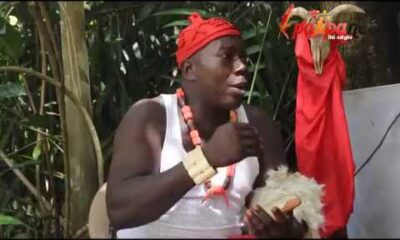
Religion and spirituality have always been central to life in Nsukka. Long before the arrival of Christianity, the people practiced traditional religion that recognized a Supreme Being known as Chukwu, along with various deities, ancestral spirits, and nature gods who played important roles in the daily lives of the people. Every village had sacred shrines, groves, and priests who served as mediators between the people and the spiritual world.
Among the most notable traditional institutions in Nsukka is the Odo and Omabe masquerade system which represents ancestral spirits returning to the community at certain times of the year. These masquerades are not just forms of entertainment but serve moral, spiritual, and social purposes. They remind the people of their ancestors, promote discipline, and help maintain order within the community. Each appearance is guided by strict customs and rituals, and participation is often restricted to initiated members.
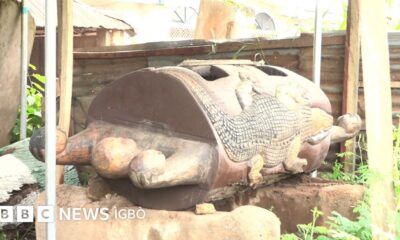
Totems and taboos also form part of Nsukka’s belief system. Certain animals and natural elements are regarded as sacred and are never harmed. For example, in some parts of Nsukka, particular species of snakes, birds, or plants are considered symbols of protection or messengers of the gods. These beliefs reinforce respect for nature and help maintain balance between humans and their environment.
With the coming of Christian missionaries during the colonial period, the religious landscape of Nsukka began to change. Churches were established, and many people embraced Christianity while still retaining aspects of their traditional spirituality. Today, the town is home to a wide range of Christian denominations, including Catholic, Anglican, and Pentecostal churches. Despite this shift, traditional festivals, masquerades, and rites of passage continue to hold cultural significance and are celebrated with pride.
Religion in Nsukka today reflects a harmony between the old and the new. Traditional beliefs coexist with Christianity, each shaping the people’s worldview in different ways. This blend of faiths gives Nsukka a unique spiritual identity that honours its ancestral past even as it embraces modern expressions of worship.
Festivals and Cultural Life
Festivals in Nsukka are colourful expressions of the people’s history, faith, and community spirit. They bring families together, connect generations, and serve as reminders of the town’s rich heritage. Each year, various festivals and cultural ceremonies are held to mark significant moments in the agricultural calendar, honour ancestors, or celebrate communal achievements.
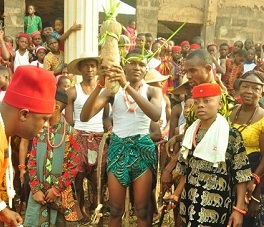
The most widely celebrated event across Nsukka is the New Yam Festival known locally as Iri Ji. It marks the end of the farming season and the beginning of harvest. During this festival, families thank God and the ancestors for a fruitful season before eating the new yam. The celebration includes traditional music, dance, feasting, and the offering of yams at shrines. It is a time of joy, reunion and generosity when both indigenes and visitors are welcomed with open arms.
Another major cultural celebration is the Omabe Festival which features the appearance of masquerades believed to represent ancestral spirits. The Omabe masquerade performances are known for their dramatic displays, elaborate costumes, and symbolic meanings. Similarly, the Odo Festival is observed in some parts of Nsukka and follows a spiritual cycle that involves the return of ancestral spirits to bless the living. These masquerade festivals reinforce moral values, social harmony, and respect for tradition.
Beyond these major events, Nsukka also celebrates smaller community festivals, marriage ceremonies, title-taking events, and age-grade gatherings. Music and dance are central to all these occasions, with drums, flutes, and local instruments setting the rhythm. Women often showcase colourful wrappers and head ties while men wear traditional attires and caps symbolizing dignity and pride.
Cultural life in Nsukka has continued to evolve, especially, with the influence of the University of Nigeria which attracts people from different parts of the country. The university community has added modern cultural expressions such as student carnivals, exhibitions, and performances that blend traditional art with contemporary creativity.
Altogether, the festivals and cultural life of Nsukka capture the spirit of the people, their love for community, reverence for the past, and celebration of life in all its fullness.
Town Unions and Community Organization
Community life in Nsukka thrives on strong social structures built around cooperation, self-help, and collective responsibility. Town unions and community organizations play a central role in maintaining these values and ensuring that development efforts reach every part of the area.
Every community in Nsukka has its own town union, often known as the Town Development Union or Town Progressive Union. These unions serve as the governing bodies of the community, complementing traditional leadership. They handle issues such as road construction, school support, security and welfare programmes. Members contribute funds and resources to finance local projects, especially when government intervention is limited.
Age grades also play important roles in Nsukka’s community organization. They assist in maintaining peace, mobilizing labour for community service and upholding cultural values. Women’s associations, such as the August Meeting groups are equally influential. They organize community development initiatives, promote education and provide assistance to families in need.
In addition, Nsukka indigenes living outside the town maintain strong connections through hometown associations and diaspora unions. These groups regularly contribute to projects back home, such as the building of civic centres, water supply systems, and scholarships for students.
The presence of the University of Nigeria has further enriched community organization. Students and staff often collaborate with local unions on outreach and development programmes while town leaders engage with the university on matters that affect both the institution and the host community.
Through these structures, Nsukka has built a model of grassroots organization that combines traditional cooperation with modern community development. The people’s commitment to self-help, mutual respect, and shared progress continues to strengthen the social fabric of this historic town.
Local Dishes and Cuisine
Nsukka’s culinary tradition is as rich and distinctive as its culture. The town is known for a variety of traditional dishes that reflect the people’s deep connection to the land and their use of locally sourced ingredients. Meals are often prepared with fresh vegetables, grains, and spices, creating a blend of flavours that are both nourishing and memorable.
One of Nsukka’s most popular delicacies is otipiri. Otipiri is a very highly nutritional food. Another signature dish is agharagha, a rich meal prepared with cornmeal, vegetables, and palm oil. It is both satisfying and deeply rooted in Nsukka’s agrarian lifestyle, symbolizing the town’s appreciation for simple but wholesome food.
Nsukka people also enjoy other regional dishes such as abacha (African salad), okpa (bean pudding made from bambara nuts), and different kinds of soups. Each of these meals carries its own story and is often linked to family traditions or cultural celebrations.
Palm wine, tapped fresh from raffia or oil palms is the common traditional drink that accompanies many of these meals. It is not only refreshing but also holds social significance, as it is served at events such as marriages, naming ceremonies, and community meetings.
The cuisine of Nsukka represents more than just food. It tells the story of a people who cherish hospitality, celebrate togetherness, and preserve their culinary heritage across generations.
Prominent Sons and Daughters
Nsukka is home to many distinguished personalities who have made remarkable contributions to education, politics, culture, religion, and national development. The town’s legacy as a cradle of learning and culture has produced men and women whose impact extends far beyond the boundaries of Enugu State.
Among the most respected figures from Nsukka is Chief Patrick Asadu, a seasoned medical doctor, a former Commissioner in Enugu State, and former member of the House of Representatives who has championed developmental initiatives for Nsukka people. Another notable son is Professor Charles Arizechukwu Igwe, the current Vice-Chancellor of the University of Nigeria, Nsukka, who has worked tirelessly to strengthen the university’s academic and research reputation.
In the political arena, Senator Chukwuka Utazi who represented Enugu North Senatorial District has been a strong advocate for the infrastructural and educational advancement of the Nsukka area. Also worthy of mention is Hon. Vita Abbah, a respected political leader and community figure who has contributed to grassroots development and youth empowerment.
From the academic field comes Professor Damian Opata, a literary scholar and critic who has enriched African literary studies through his research and writings. Another prominent intellectual is Professor Hyginus Ekwuazi, a pioneering film scholar and scriptwriter who has helped shape Nigeria’s film education landscape.
In religion, Bishop Godfrey Onah, the Catholic Bishop of Nsukka Diocese stands as a moral and spiritual leader widely respected for his scholarship, humility, and commitment to faith and education.
The entrepreneurial and creative arts sector also features Nsukka-born talents such as Nnamdi Ezeigbo, founder of SLOT Systems Limited and partner in Tecno Mobile whose entrepreneurial success has inspired countless young Nigerians.
These individuals represent the values of diligence, education, and service that define Nsukka. Their achievements continue to reflect the town’s spirit of excellence and its reputation as one of Nigeria’s foremost centers of learning and leadership.
Landmarks and Tourist Attractions in Nsukka
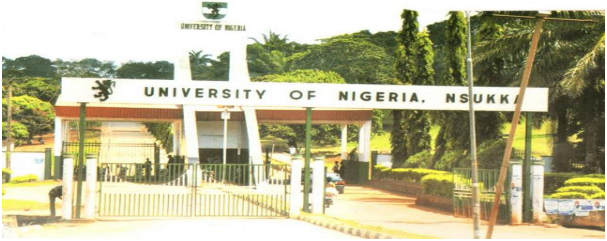
Nsukka is a town rich in history, natural beauty, and cultural significance. Its landscape is dotted with remarkable landmarks that tell stories of its past while reflecting the growth of a modern university town. Visitors to Nsukka often find themselves drawn to its serene environment, academic heritage, and warm hospitality.
One of the most notable landmarks in Nsukka is the University of Nigeria, Nsukka (UNN), the first indigenous university in Nigeria founded in 1960. The university’s iconic Lion Building, Freedom Square, and expansive campus gardens attract visitors and scholars from across the world. The UNN Zoological Garden and the university’s botanical garden are also popular attractions, offering visitors a blend of education and recreation in a peaceful setting.
Another important landmark is the Nsukka Museum which houses a collection of traditional artifacts, artworks, and historical relics that tell the story of the Nsukka people and their cultural evolution. The museum is especially noted for its display of ancient tools, pottery, and local crafts that reveal the ingenuity of early inhabitants of the area.
The Odoru Nsukka Civic Centre serves as a gathering place for community events, festivals, and civic meetings. It is a symbol of Nsukka’s communal spirit and collective drive toward progress.
Nature lovers often visit the Opi Lake Complex located a few kilometers from Nsukka town. This group of interlinked lakes surrounded by lush vegetation provides a scenic retreat and is one of the largest natural lake systems in southeastern Nigeria. It is a haven for birdwatchers and environmental researchers.
Also notable are the Adada River and the Hilltop Viewpoint which offer breathtaking views of the rolling landscape of Nsukka and its surrounding communities. The area’s cool climate and elevated terrain make it a relaxing destination for tourists and visitors.
Religious landmarks include the St. Theresa’s Cathedral Nsukka, the seat of the Catholic Diocese of Nsukka, and several historic churches and shrines that blend spirituality with architectural beauty.
In addition, Nsukka’s numerous markets, cultural festivals, and traditional squares provide visitors with opportunities to experience the vibrancy of local life. The town’s blend of history, culture, and nature makes it a unique destination for anyone seeking to understand the soul of Igbo civilization and the story of a community that has become synonymous with learning, innovation, and resilience.
Challenges and Positive Outlook
Like many growing towns in Nigeria, Nsukka faces a number of challenges that affect its pace of development. Despite its educational prominence and cultural heritage, the town still grapples with issues such as inadequate infrastructure, irregular power supply, poor road networks in some rural areas, and limited access to modern health facilities.
Rapid urbanization, driven largely by the presence of the University of Nigeria has also put pressure on housing, sanitation, and transportation systems.
Environmental concerns, including erosion and improper waste management have become more visible in recent years, particularly in densely populated areas. Youth unemployment remains a significant issue, as many young people struggle to find sustainable job opportunities despite the high rate of educational attainment in the area.
However, the outlook for Nsukka remains positive. The spirit of innovation and resilience that defines the people continues to drive local development initiatives. The town’s growing population of educated youths, many of whom are graduates of the University of Nigeria, represents a powerful force for change. Small businesses, agro-based ventures, and tech-driven enterprises are gradually emerging, contributing to economic diversification and job creation.
The government of Enugu State, along with private investors, has also recognized Nsukka’s potential and has embarked on projects aimed at improving infrastructure and stimulating growth. Roads, housing estates, and commercial centres are being developed to accommodate the town’s expanding population and to attract more investment.
Community organizations and town unions continue to play an active role in addressing local challenges through self-help projects, education sponsorships, and social welfare programmes. The people’s commitment to education, culture, and progress remains one of Nsukka’s greatest strengths.
With its blend of tradition and modernity, Nsukka stands poised for a future of renewed growth and relevance. The town’s enduring sense of unity, its intellectual heritage, and the determination of its people provide a solid foundation for overcoming today’s challenges and building a more prosperous tomorrow.
In Conclusion…
Nsukka stands as a shining symbol of resilience, learning, and cultural pride in southeastern Nigeria. From its deep historical roots and vibrant traditions to its position as the home of the first indigenous university in the country, Nsukka continues to embody the spirit of progress built on strong community values. Its people, known for their warmth, intellect, and industrious nature, have transformed the town into a hub of education, culture, and innovation.
Though Nsukka faces challenges that mirror those of many developing towns, its story is one of hope and steady advancement. The strength of its institutions, the dedication of its citizens, and the growing influence of its sons and daughters across various sectors show that Nsukka’s future is bright. The balance between preserving its ancient heritage and embracing modern opportunities gives the town a unique identity that continues to attract admiration and respect.
More than just a university town, Nsukka is a place where knowledge meets culture; tradition blends with transformation, and every hill, stream, and marketplace tells a story of endurance and possibility. As the town continues to grow and evolve, Nsukka remains not just a place on the map, but a living testament to the power of education, unity and the unbroken spirit of its people.
References
- https://en.wikipedia.org/wiki/Nsukka
- https://www.britannica.com/place/Nsukka
- https://vcoffice.unn.edu.ng/history/
- https://enugustate.gov.ng/
- https://www.researchgate.net/
- https://www.academia.edu/
You might want to check this out…