Anambra News
Nzam Town – History, Culture, Festival and Lifestyle in Anambra State

Nzam is one of the oldest and most important towns in Anambra State, Nigeria. It is located in Anambra West Local Government Area, close to the River Niger. The town is made up of eight villages that together form a single community. Nzam town is known for its rich cultural traditions, its farming and fishing economy, and its strategic location as a riverine town.
One thing that makes Nzam town special is its language and culture. Although the people are Igbo by identity, they also share cultural and linguistic ties with the Igala people of Kogi State, due to centuries of trade, migration, and intermarriage. This makes Nzam town one of the bilingual communities in Anambra State, where people can speak both Igbo and Igala.
Historical Background
The history of Nzam town is rooted in oral traditions, migration stories, and the influence of trade. Like many Igbo communities, the people of Nzam trace their origins to early settlers who moved close to the River Niger because of fertile land and access to water for fishing and transportation.
One major aspect of Nzam’s history is its connection with both Igbo and Igala communities. Oral traditions suggest that some of the ancestors of Nzam migrated from Igbo towns in the inland areas, while others came through the Niger area and had links with the Igala people. This mix of ancestry explains why Nzam is linguistically and culturally close to both groups.
During the pre-colonial period, Nzam town grew as an important trading town. The River Niger served as a natural highway, bringing traders from Onitsha, Idah, and other Niger towns. Nzam town became a place where palm oil, fish, and farm produce were exchanged for salt, cloth, and other goods. Because of this, the people became skilled in river trade and canoe transport.
When colonial powers arrived in the late 19th and early 20th centuries, Nzam became a point of interest because of its river port. The British colonial officers used Nzam as one of their trading and administrative routes, which further connected the town to the wider Igbo and Igala regions.
Geography and Environment
Nzam town lies in Anambra West, a local government that is mainly riverine. The town is located close to Otuocha and not very far from Onitsha, one of the largest cities in Anambra State. It also shares a boundary with Kogi State across the River Niger, which explains its closeness to Igala communities.
The River Niger plays a central role in the life of the people. Fishing is one of the oldest occupations, and boats and canoes are common sights in the community. However, the same river that sustains life also brings challenges. Nzam experiences seasonal flooding, which sometimes destroys homes, farmlands, and roads. This makes life in Nzam difficult during certain months of the year.
Despite these challenges, the environment of Nzam is rich and fertile. The soil supports crops such as yam, cassava, maize, and vegetables. Farmers also cultivate rice in swampy areas. The combination of farming and fishing gives the town a strong economic base, even though development projects and infrastructure have not kept up with the potential of the land.
Traditional Leadership and Governance
Like many Igbo towns, Nzam has a traditional ruler known as the Igwe. The Igwe institution has a long history and continues to play a central role in governance, cultural preservation, and community unity. The current ruler of Nzam is Igwe Charles Enemali Igwelo (Ojotule), who represents the town in cultural and political matters.
Apart from the Igwe, Nzam has other traditional systems of governance. These include the elders’ council, which advises on community issues, and age-grade associations, which take responsibility for development projects, security, and social order. The town union is also very active in linking Nzam people at home and abroad, especially those living in Onitsha, Lagos, Abuja, and overseas.
Conflict resolution in Nzam usually happens through these structures. Disputes between families or individuals are often settled by elders before they escalate. Festivals and community meetings also provide opportunities for decision-making. In this way, traditional governance continues to balance with modern local government structures.
Language, People, and Culture
Nzam is a town of the Igbo ethnic group, but it has a strong cultural connection with the Igala people of Kogi State. Because of its location and history of trade, the people of Nzam are bilingual, they speak both Igbo and Igala fluently. This bilingual ability makes Nzam unique and adds to its identity as a bridge between Igbo and Igala cultures.
The people of Nzam are proud of their heritage. They are hardworking farmers, fishermen, and traders. Farming is highly respected, and yam is considered the king of crops. During the farming season, families come together to cultivate large fields of yam, cassava, maize, and vegetables. Men usually handle yam farming, while women are more involved in cassava, vegetables, and fishing.
Festivals and Masquerades
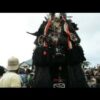
One of the strongest aspects of Nzam culture is its festivals and masquerades. Like many Igbo towns, Nzam celebrates the New Yam Festival, which marks the beginning of the harvest. During this festival, families bring out their first yam harvests, offer thanksgiving, and hold feasts. It is also a time for dances, music, and communal joy. Nzam also celebrates the annual Town Festival, a vibrant event that unites families from across Nigeria and the diaspora. It is a time of reunion, cultural pride, and merrymaking. The highlight of the festival is the colorful display of masquerades, with different kinds making their grand appearance to entertain the people and honor the town’s traditions.

Apkere masquerade performing at the Nzam town 2025 festival

Nawa nawa masquerade performing at the 2025 New yam festival
Masquerades are another cultural highlight. They are not only for entertainment but also for spirituality and social control. Masquerades appear during festivals, funerals, and other important events. Some masquerades are playful and meant to entertain children and guests, while others are sacred and respected for their spiritual meaning.
Music and Dance
Music is central to Nzam culture. Traditional instruments such as drums, flutes, and rattles are used to produce rhythms for dancing. Dances often tell stories, celebrate achievements, or honor ancestors. During communal events, young men and women display their dancing skills, while elders sing folk songs that carry wisdom and historical lessons.
👉 Click here to view Nzam culture, festival, and lifestyle on YouTube
Oral Tradition and Storytelling
Nzam people also value oral tradition. Elders tell stories about the origin of the town, heroic ancestors, and lessons for young people. Proverbs and folktales are common, and they are passed from generation to generation. These stories serve as a way of teaching morals, history, and identity.
Cultural Identity
The blending of Igbo and Igala influences gives Nzam town a special cultural identity. The people celebrate both their Igbo roots and their long-standing ties with the Igala neighbors. For example, their songs, dances, and even food show elements from both cultures. Intermarriages between Nzam and Igala families are common, and this has deepened the cultural relationship between the two groups.
Today, even as modern life changes many traditions, Nzam still maintains its cultural pride. Festivals, masquerades, dances, and oral traditions continue to define who they are as a people.
Economy and Livelihood
The economy of Nzam town is shaped by its location along the River Niger and its fertile lands. Farming and fishing are the main occupations of the people.
Farming: Yam is the most respected crop, and every family measures wealth and hard work by how many yam barns they can build each season. Cassava, maize, rice, vegetables, and cocoyam are also cultivated. Women play an important role in processing cassava into garri and fufu, which are sold in markets.
Fishing: Because of the river, fishing has always been a major source of food and income. Families own canoes and fishing nets. During the dry season, fishermen travel far into the river, while in the rainy season, they fish closer to the banks. Fish is eaten fresh, smoked, or dried for storage and trade.
Trade: Nzam town has a history of river trade. In the past, canoes carried palm oil, fish, and farm produce to towns like Onitsha, Idah, and Lokoja. In exchange, Nzam people received salt, kola nut, cloth, and later European goods during colonial times.
Today, although modern transport has reduced canoe trade, the markets in Nzam town are still active. Traders bring goods by road and water, and Nzam farmers sell their produce in surrounding communities. The younger generation is also moving into small businesses, transport, and skilled trades, although agriculture remains the backbone of the economy.
Religion and Belief System
Like many Igbo towns, Nzam town has experienced a shift in religion over time. In the past, the people practiced African Traditional Religion. They worshipped ancestral spirits, river deities, and local gods for protection, fertility, and guidance. Sacred groves and shrines were common, and traditional priests played important roles in rituals and festivals.
With the coming of Christianity during the colonial period, many Nzam people converted to Catholicism and Anglicanism. Today, the majority of the population are Christians, with churches spread across the eight villages. Festivals like Christmas, Easter, and church harvests are celebrated with joy and communal gatherings.
Despite the spread of Christianity, traces of traditional religion remain. Masquerades, yam festivals, and respect for ancestors are still part of daily life. Many families still perform rituals to honor their lineage or seek protection during farming and fishing seasons.
This coexistence of Christianity and tradition shows the resilience of Nzam culture. While churches guide modern faith, the people continue to respect their past by keeping traditional practices alive.
Challenges Facing Nzam
Nzam, like many riverine towns in Nigeria, faces several challenges that affect development and the daily lives of its people.
- Flooding: The biggest challenge is flooding from the River Niger. Almost every year, during heavy rains, homes, farms, and roads are submerged. Families are forced to relocate temporarily, and crops are destroyed. This affects food security and income.
- Poor Infrastructure: Roads leading to Nzam town are not in good condition. During floods, they become impassable. Electricity supply is unstable, and healthcare facilities are limited. Many people still rely on traditional medicine or travel to Onitsha for serious medical care.
- Education Limitations: While Nzam town has schools, flooding and poor infrastructure disrupt learning. Some young people drop out early to focus on farming or fishing.
- Neglect by Government: Despite its importance, Nzam town often complains of being ignored in state development plans. Projects are slow, and relief during floods is usually not enough to cover losses.
- Youth Migration: Many young people leave Nzam for cities like Onitsha, Lagos, and Abuja in search of better opportunities. This creates a gap in the labor force and reduces participation in traditional activities.
Even with these challenges, Nzam people remain resilient, always rebuilding their lives and finding strength in unity.
Education and Social Development
Education in Nzam town has improved over the years, though it still faces obstacles. Primary and secondary schools exist in the community, providing basic education to children. Some of these schools were built by missionary groups during the colonial period and later taken over by the government.
However, flooding often damages school buildings, forcing children to stop learning for weeks or months. Teachers are sometimes discouraged from staying in the community because of poor road access and lack of accommodation.
Despite these challenges, many Nzam families value education highly. Parents work hard to send their children to secondary schools in Onitsha or even universities across Nigeria. Nzam has produced teachers, lawyers, engineers, and politicians who are now working both in Nigeria and abroad.
Social development is also supported by age-grade associations and the town union, which organize community projects such as road repairs, water supply, and scholarships for students. Nzam people living in diaspora contribute money and resources to support education and development back home.
This spirit of self-help has kept Nzam moving forward, even when government support is not enough.
Future Prospects
Looking ahead, Nzam town has the potential to become a more developed and prosperous town if certain challenges are addressed.
Agriculture and Fishing: With better flood control, irrigation, and storage facilities, Nzam farmers and fishermen could produce more food and supply larger markets. Modern equipment would help increase productivity.
Infrastructure: If roads, schools, and healthcare are improved, Nzam would not only be more livable but also attract investment. Good roads would make it easier to trade with Onitsha, Otuocha, and neighboring towns.
Education and Youth Empowerment: By investing in schools and skills training, Nzam’s young people can have more opportunities at home instead of migrating to cities. This would also help preserve the town’s culture.
Tourism and Culture: Nzam’s festivals, masquerades, and location by the River Niger could be developed into cultural tourism. With support, the town could attract visitors who want to experience Igbo-Igala heritage.
Conclusion
Nzam is more than just a riverine town in Anambra State. It is a community with a rich history, a unique culture, and strong people. Despite challenges of flooding, poor infrastructure, and neglect, the people of Nzam continue to farm, fish, trade, and celebrate their traditions. With better support from government and its diaspora community, Nzam can overcome its struggles and shine as a town that connects Igbo and Igala heritage in Nigeria.
Read More: The Asara Festival of the Ukpor People: A Celebration of History, Victory, and Culture