



Biographies & Personalities
Okey Bakassi: From Comedy and The Screen to the Throne

Okey Bakassi stands out as a Nigerian entertainer whose journey from comedy and Nollywood roles to becoming a crowned traditional ruler offers a unique story of entertainment, culture, community, and leadership.

Laughter has always been one of Nigeria’s most powerful social tools. It opens doors, softens hard truths, and carries culture from one generation to the next. For decades, Okey Bakassi has spoken this language fluently.
Long before comedy became a structured industry and before Nollywood gained global attention, he was already using humour to talk about everyday Nigerian life in a way people instantly understood.
Most people first met Okey Bakassi through jokes, skits, and memorable screen appearances. He was the comedian who sounded like a neighbour, the actor who felt familiar rather than distant. Yet, his story does not end with applause or film credits.
Over time, his journey moved beyond the stage and the screen into public service and, eventually, traditional leadership. Today, Okey Bakassi stands not only as an entertainer but also as a custodian of culture and community values.
This article tells the full story of Okey Bakassi, from his early days in comedy and Nollywood to his rise as a respected traditional ruler in Imo State. It looks at the man behind the laughter, the cultural roots that run through his work, and the deeper meaning of his transition from public entertainer to community leader.
It is a story about purpose, identity, and how one life can bridge modern entertainment and age-old tradition.
Who Is Okey Bakassi?
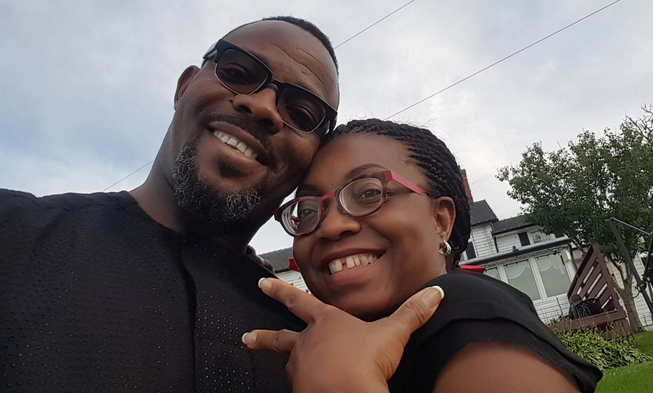
Okey Bakassi, born Okechukwu Anthony Onyegbule on October 23, 1969 in Mbaise, Imo State, southeastern Nigeria is one of the country’s most respected comedians and Nollywood actors. From a young age, he had a natural gift for making people laugh, a talent that would grow into a career spanning stage, screen, and radio. His humour is rooted in everyday life, relatable experiences, and cultural authenticity which has endeared him to audiences across Nigeria and beyond.
Okey Bakassi grew up in a family that valued discipline and education. His father was a retired military officer, and his mother served as a nurse. He attended Alvan Ikoku Demonstration School and later, Mbaise Secondary School before completing his secondary education at Federal Government College, Port Harcourt.
He went on to earn a degree in Agricultural Engineering from Rivers State University in 1992 where he combined academic achievement with a passion for performance that would later define his career.
Outside of his professional life, Okey Bakassi is a devoted husband and father. He is married to Ezinne, and together they have three children. His family has also spent time abroad, including Canada where his wife pursued further education and work.
Through all of these roles as comedian, actor, broadcaster, and family man, Okey has remained deeply connected to his roots in Imo State, and to the Igbo culture that informs much of his work.
Today, Okey Bakassi is recognized not only for his contributions to Nigerian comedy and Nollywood but also for his leadership in the community. His life story reflects humour, cultural pride, and a commitment to serving others which makes him a figure whose influence extends far beyond entertainment.
Finding His Voice Through Comedy
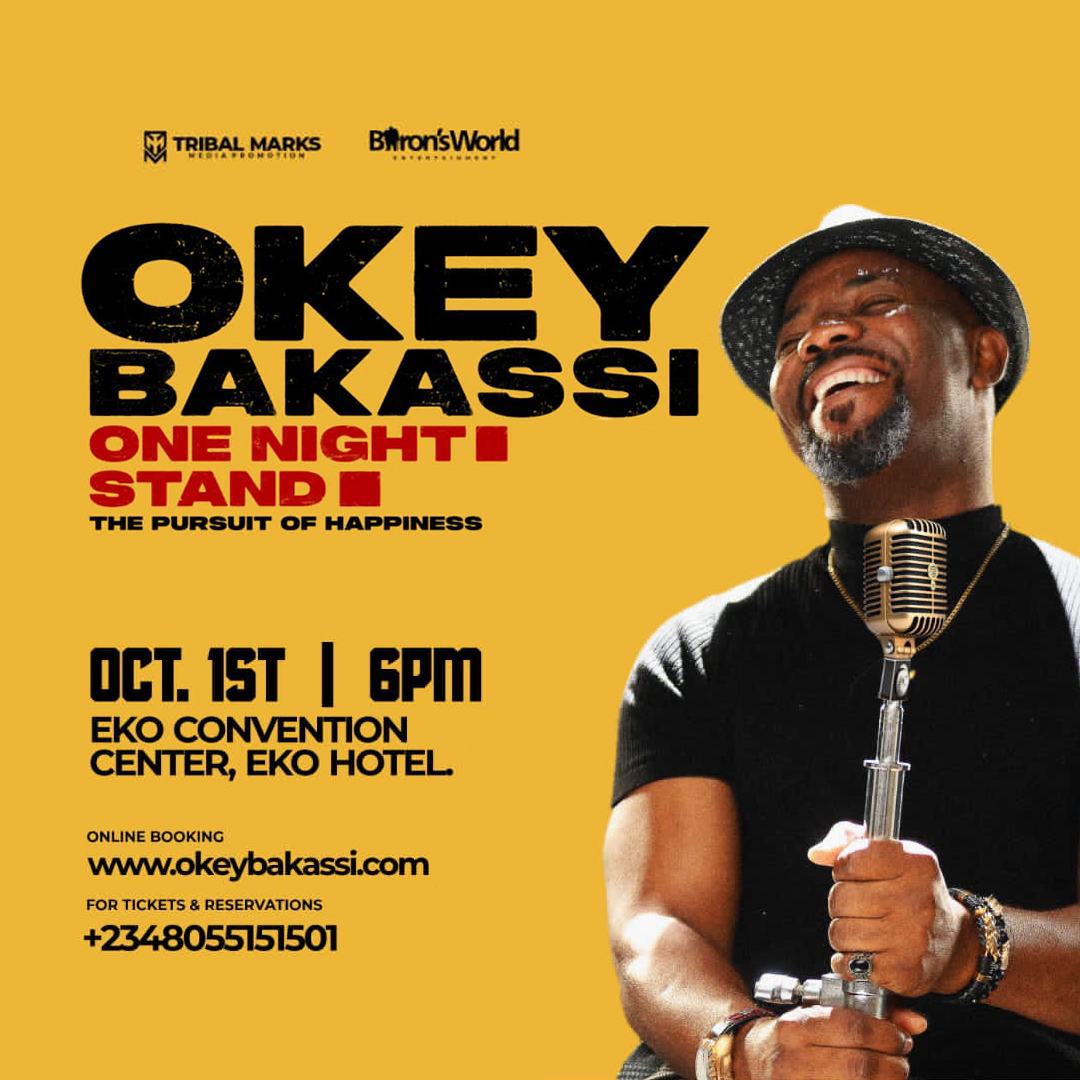
Before he became a household name in Nollywood, Okey Bakassi discovered the power of laughter in the most ordinary places. Even as a child in Mbaise, he had a way of turning simple moments into comedy. Friends, family, and schoolmates quickly noticed his natural ability to make people smile. That early gift was a signal of the career he would later build.
While studying Agricultural Engineering at Rivers State University, his interest in performance grew stronger. He joined a student group called Theatre Colleagues where he acted in plays, wrote sketches, and experimented with stand-up routines. Those campus stages became his first real classrooms for comedy where he learned how timing, observation, and storytelling could turn everyday experiences into laughter. It was also a space where he tested his ability to connect with diverse audiences.
After completing his National Youth Service Corps year in Lagos, Okey Bakassi decided to pursue comedy more seriously. In 1993, he met Zeb Ejiro, a prominent Nigerian director who gave him his first television role in the series Fortune. Playing the character Nick, Okey appeared in eleven episodes. That experience introduced him to professional acting and the entertainment industry beyond live performances.
In 1995, Okey Bakassi took a major step forward in his comedy career when he joined forces with Opa Williams and Reginald Ebere to launch A Nite of a Thousand Laughs which was a touring stand-up comedy show. This platform allowed him to perform across Nigeria and reach audiences far beyond Lagos. His style which was relatable, witty, and grounded in everyday life quickly resonated with audiences.
Through stage comedy, Okey Bakassi discovered his signature voice to be humour that connects deeply with culture, family life, and the daily experiences of ordinary Nigerians. This foundation would later make his transition into Nollywood feel seamless.
For Okey, comedy was not just entertainment, it was a way to tell stories that mattered, to bring people together, and to communicate truths through laughter.
Entering Nollywood
As Okey Bakassi honed his craft on stage, it became clear that his talent was ready for bigger audiences. His early stand-up performances had already earned him recognition in Lagos and across Nigeria. But the move from live comedy to film and television offered a new challenge of translating humour into a medium where timing, expression, and storytelling worked differently.
His first major break on screen came when he was cast in Zeb Ejiro’s television series Fortune in the early 1990s. Playing the role of Nick, a bodyguard, Bakassi brought the same authenticity and charm that had made him a favourite on stage. Audiences responded to his natural energy, and industry insiders began to take notice.
By the mid-1990s, Nollywood was expanding rapidly and creating opportunities for performers like Okey Bakassi who could combine comedic talent with strong screen presence. In 1995, he participated in A Nite of a Thousand Laughs, a touring comedy show that had become a launch-pad for many Nigerian comedians. His live performances helped him to build confidence and a fan base which translated well when he stepped in front of the camera.
Okey Bakassi’s early film appearances included Final Decision (1996) and All for Winnie (1998). These roles allowed him to experiment with acting techniques, adapt his timing for the camera, and learn how to balance humour with narrative depth. He was learning the language of Nollywood – how to engage audiences, make characters believable, and tell stories that could entertain and resonate.
By the 2010s, Okey had established himself as a versatile actor in Nollywood. His role in Onye Ozi (2013) was particularly significant. Playing a lead character, he delivered a performance that blended comedy with genuine emotion and earning him the Best Actor in a Leading Role (Igbo) award at the 2014 Best of Nollywood Awards. This milestone marked a turning point. He was no longer just a comedian or stage performer. He was a recognized actor whose skills could captivate audiences in multiple formats.
The transition from stage to screen was not just a career move for Okey Bakassi. It was a continuation of his mission to connect with people through storytelling. His humour, grounded in everyday Nigerian life and Igbo culture found new life on film and television. He became a performer who could make people laugh in theatres, on television screens, and through the shared experience of cinematic storytelling.
Okey Bakassi in Nollywood’s Comedy Landscape
As Nollywood grew into a global powerhouse, Okey Bakassi carved out a distinct space as a comedian who could make audiences laugh while staying authentic to everyday Nigerian life. Unlike some performers who relied on exaggerated antics, his humour was rooted in observation, cultural nuance, and relatability. This approach made him a beloved figure across age groups and regions.
His film roles often blended comedy with life lessons that reflected the experiences of ordinary Nigerians. From Final Decision to Love Is in the Hair, his performances captured the rhythm of everyday conversations, family dynamics, and community interactions. His ability to infuse humour into realistic situations set him apart from many Nollywood comedians and made his characters feel alive.
Okey Bakassi also contributed to television comedy. In the popular series My Flatmates, he appeared alongside other Nigerian comedian and brought his signature timing and relatable expressions to the ensemble. His characters were not just comic relief, they were reflections of real people navigating life’s quirks with humour and heart.
Beyond acting, Okey extended his reach through radio and television hosting. On Lagos Talks 91.3FM, he anchored It’s Okay with Okey, a show that combined comedy with social commentary. Similarly, his work on Channels TV in The Other News demonstrated his ability to use humour to engage with current events and societal issues. Through these platforms, he connected with audiences who appreciated not just laughter but insight delivered in an accessible way.
In a Nollywood landscape crowded with talent, Okey Bakassi’s success lay in his balance. He could entertain and inform, make audiences laugh and think, and consistently bring elements of Igbo culture and language to the screen. His career exemplifies how comedy in Nollywood can go beyond jokes in serving as a vehicle for storytelling, cultural representation, and shared human experience.
Comedy, Language, and Igbo Cultural Expression
One of the hallmarks of Okey Bakassi’s career is how deeply his comedy is rooted in culture. His performances are more than just jokes, as they carry the rhythms, idioms, and nuances of Igbo life. From the stage to the screen, he has consistently used humour as a bridge between tradition and modernity to connect audiences to experiences they recognize and understand.
Okey’s use of the Igbo language in his sketches and films is deliberate and meaningful. In a country with over 500 languages, speaking in Igbo on stage or screen is more than a stylistic choice, it is a celebration of identity. His characters often mix Igbo and English to reflect the way many Nigerians communicate in everyday life. This code-switching adds layers of humour while also making his comedy accessible to wider audiences who may not be fluent in Igbo but can relate to the situations he portrays.
His storytelling is grounded in ordinary experiences. Whether he is portraying a nosy neighbour, a frustrated husband, or a witty friend, Okey Bakassi draws on cultural norms, family dynamics, and community interactions. Viewers see themselves in his characters, and laughter becomes a shared recognition of life’s quirks. This connection is why his comedy feels personal and authentic.
Through his work, Okey Bakassi also helps to preserve and promote Igbo traditions. Folktales, proverbs, and customary references often appear in his performances, subtly teaching audiences about heritage while entertaining them. In essence, his comedy goes beyond humour to become cultural storytelling, a way to keep language and traditions alive in contemporary media.
In a Nollywood industry increasingly dominated by English-language content, Okey Bakassi stands out as a performer who honours his roots without compromising relevance. His career shows that comedy can be both funny and culturally enriching, and that language and heritage can play central roles in creating laughter that resonates deeply with audiences.
Life Beyond the Camera
While many know Okey Bakassi as a comedian and Nollywood actor, his life outside of performance is equally remarkable. Beyond the applause and bright lights, he has built a life grounded in family, community, and personal growth. This side of him shows that there is more to his story than entertainment. It is a story of responsibility, connection, and purpose.
Offstage, Okey Bakassi is a devoted husband to his wife Ezinne and a loving father to their three children. He has often spoken about how family keeps him centered and offers perspective when the demands of public life become overwhelming. Even while travelling for shows, shoots, or public appearances, he prioritizes time with loved ones. This is a balance many entertainers struggle to maintain.
Okey Bakassi also uses his platform to engage with broader social issues. He has participated in programmes and initiatives that focus on youth development, education, and cultural awareness. In interviews and public appearances, he encourages young Nigerians to pursue their talents while respecting their roots and traditions. His humour often carries subtle lessons about patience, resilience, and community values.
His experiences living abroad, including periods in Canada have also shaped his worldview. Exposure to different cultures and perspectives has deepened his appreciation for Nigerian culture, particularly Igbo traditions, and reinforced his desire to serve as a bridge between modern life and cultural heritage.
Even in his daily routine, Okey Bakassi maintains practices that reflect humility and discipline. He engages with fans on social media, mentors upcoming comedians, and participates in cultural events in his home State of Imo. These actions reveal a man who sees his influence as a responsibility, not just a privilege.
In many ways, life beyond the camera has prepared Okey Bakassi for the next phase of his journey. It has strengthened his leadership skills, his connection to culture, and his commitment to serving others. These qualities would later become central as he transitioned from public entertainer to traditional ruler.
Public Service and Civic Responsibility
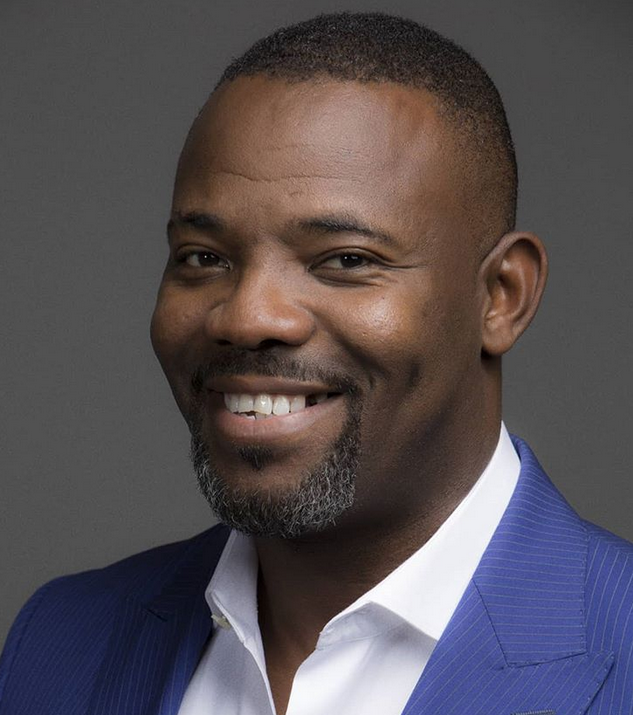
For Okey Bakassi, making people laugh was never the only way to serve his community. His sense of responsibility extended beyond the stage, the screen, and comedy halls. He understood that public influence carries an opportunity to impact society, and he embraced this principle long before becoming a traditional ruler.
In 2012, Okey Bakassi took a formal step into public service when he was appointed Senior Special Adviser on Entertainment Matters to the Governor of Imo State. In this role, he was tasked with promoting arts, culture, and entertainment within the State. His appointment reflected a recognition that his experience in comedy, Nollywood, and media could benefit broader social and cultural initiatives.
Okey Bakassi used this platform to advocate for youth engagement in creative industries. He encouraged young people to explore talents in music, film, comedy, and storytelling, and emphasized that these professions could be both fulfilling and economically viable. He also worked to highlight Imo State as a hub for arts and culture by helping communities appreciate the economic and social potential of entertainment.
Even outside official roles, Okey Bakassi’s civic responsibility was evident in his everyday interactions. Through radio shows like It’s Okay with Okey and television appearances on programmes such as The Other News, he tackled social issues with humour and insight. He engaged audiences on topics ranging from governance and education to societal values, using comedy as a vehicle to spark conversation and reflection.
This blend of entertainment and civic engagement highlighted a unique aspect of his career which is the ability to merge public visibility with meaningful social influence. Okey Bakassi’s work in civic affairs was not about seeking political fame, it was rather about using his voice to create awareness, inspire action, and foster cultural pride.
By stepping into public service, he laid the groundwork for his next chapter. His sense of responsibility, honed over decades of connecting with audiences and engaging in public initiatives, would later help him transition seamlessly from an entertainer to a custodian of tradition.
Becoming a Custodian of Culture

For Okey Bakassi, the journey from comedy and screen to traditional leadership might seem unexpected to some. Yet, for him, it was a natural progression. A call to serve his community in a deeper, more enduring way.
In 2025, Okey Bakassi was crowned the traditional ruler of Umuihuocha Autonomous Community in Ahiazu Mbaise Local Government Area, Imo State where he took on the title His Royal Highness Eze Okechukwu Onyegbule, the Okwe II of Umuihuocha Obohia.
The coronation was a celebration of history, culture, and communal trust. Elders, community leaders, and residents gathered in traditional attire, and performed music, dance, and customary rites that had been passed down for generations. The ceremony marked Okey’s formal acceptance of responsibilities that include promoting peace, guiding community development, and preserving cultural heritage.
Okey Bakassi’s transition to traditional leadership reflects a deep respect for Igbo customs. Unlike the transient fame of entertainment, kingship in Igbo communities carries expectations of moral integrity, wisdom, and service. It is a role that requires balancing modernity with tradition, and using personal influence to benefit the collective. For Okey, this role connects seamlessly with his earlier work in public service, community engagement, and cultural advocacy.
His coronation also resonated with Nigerians who have followed his career. Fans and well-wishers celebrated not just the entertainer but the man committed to giving back to his roots. Many remarked that his ability to connect with people through comedy, media, and social engagement made him well-suited to unite his community and lead with humility.
More than a personal honour, becoming a traditional ruler is a cultural calling. For Okey Bakassi, it represents a continuation of his life’s mission which is to connect, inspire, and uplift people. His story shows that leadership can take many forms, and that a person can honour both contemporary talents and ancestral traditions without compromise.
From Applause to Ancestral Responsibility
For years, Okey Bakassi thrived in the world of applause. Whether on stage, on television, or in Nollywood films, his talent for making people laugh earned him recognition, respect, and a loyal following. Yet, the transition from an entertainer to a traditional ruler brought a new kind of responsibility, one that demanded humility, wisdom, and a commitment to the collective good.
As Okwe II of Umuihuocha Obohia, he now carries the weight of ancestral expectations. Traditional leadership in Igbo communities is not merely ceremonial, it is a role that intertwines governance, culture, and social cohesion. He is tasked with guiding his people, resolving disputes, promoting peace, and ensuring that the customs and values of the community are preserved for future generations.
This shift from a public entertainer to a community custodian is significant. Okey Bakassi’s fame could have remained a personal advantage, yet he chose to channel his influence toward service. His understanding of human nature, honed through decades of comedy and engagement with diverse audiences now informs his leadership style. He knows how to listen, empathize, and communicate in ways that bring people together, not just entertain them.
Okey Bakassi’s journey shows that public recognition and traditional responsibility can coexist. The applause he once received for humour now complements the respect he earns for leadership. His life bridges two worlds – the modern sphere of media and entertainment, and the timeless domain of cultural tradition. In doing so, he exemplifies how talent, influence, and heritage can unite to benefit an entire community.
This evolution in his life also highlights a broader lesson that leadership is not confined to titles or positions. It is about commitment, presence, and using one’s gifts to uplift others. For Okey Bakassi, the laughter he cultivated for decades has become a foundation for empathy, connection, and meaningful service in the ancestral realm he now leads.
The Lasting Impact of Okey Bakassi’s Journey
The story of Okey Bakassi is more than about laughter, films, or celebrity. Beyond that, it is a story about growth, cultural pride, and purpose. From the early days of making people smile on stage, to acting in Nollywood films, to engaging audiences on radio and television, and finally to ascending as a traditional ruler, his journey depicts that influence can take many forms, and all can serve the community.
Okey Bakassi’s life illustrates how talent and cultural identity can intersect with responsibility. He used comedy to entertain and connect, film to portray relatable stories, and media platforms to address societal issues. Each phase of his career prepared him for leadership rooted in empathy, understanding, and respect for tradition.
His transition from the spotlight of entertainment to the ceremonial and administrative role of Okwe II of Umuihuocha Obohia demonstrates a rare balance. It shows that one can excel in modern professions and still honour ancestral heritage. His journey reminds us that leadership is not limited to politicians or public officeholders, it can emerge from any sphere where commitment, integrity, and service intersect.
For the younger generations, Okey Bakassi’s path offers inspiration. It shows that pursuing passions does not prevent one from giving back to one’s community or preserving cultural heritage. In fact, his life proves that personal success can amplify the positive impact one has on others.
Ultimately, Okey Bakassi matters today because he embodies the possibility of blending laughter, art, and leadership into a life that entertains, educates, and uplifts. His story encourages us to view talent as a tool for connection and service, and to see culture as a living, evolving force worth honouring.
In Conclusion …
The journey of Okey Bakassi represents transformation, dedication, and service. From cracking jokes in classrooms and on stage, to winning hearts in Nollywood films, to guiding audiences through radio and television, he has consistently used his talents to connect with people. Today, as the Okwe II of Umuihuocha Obohia, he channels that same energy into leadership, culture, and community development.
Okey Bakassi’s life reminds us that success is not limited to one arena. Laughter, art, and performance can coexist with responsibility, tradition, and service. His story shows that influence is meaningful when it uplifts others, honours cultural roots, and inspires future generations.
By embracing both modern entertainment and ancestral responsibility, Okey Bakassi validates a rare ability to bridge worlds. He proves that a person can entertain, inspire, and lead, all at once, while remaining grounded in values, heritage, and purpose.
Ultimately, Okey Bakassi is a comedian or actor, a cultural custodian, a community leader, and a living example of how talent and tradition can converge to create lasting impact. His journey matters because it encourages us to pursue our passions while serving something bigger than ourselves, and reminds us that laughter and leadership can walk hand in hand.
References
- https://en.wikipedia.org/wiki/Okey_Bakassi
- https://buzznigeria.com/okey-bakassi-biography-everything-about-the-comedian/
- https://famoustoday.com.ng/okey-bakassi-biography/
- https://www.herald.ng/nollywood-star-okey-bakassi-crowned-traditional-ruler-in-imo-state/
- https://www.otowngist.com/2025/05/okey-bakassi-crowned-king-of-umuihuocha-nollywood-star-ascends-throne-in-imo-state/
- https://lifestyle.thecable.ng/okey-bakassi-elected-traditional-ruler-in-imo-community/
You might want to check this out …