



Igbo Communities
Mbaise || The Story of the Largest Community in Imo State

Mbaise is a densely populated cultural region in Imo State made up of three local government areas and dozens of villages. This article tells the story of Mbaise: its history, geography, leadership, markets, festivals, culture, economy, food, and famous sons and daughters.

If you ask ten people in Imo State what Mbaise means to them, you will likely hear ten passionate answers. Some will call it a town. Others will say it is a clan, a people, or even a living proof of community spirit and cultural pride. Yet, Mbaise is all of these and more.
Tucked in the green heart of Imo State, Mbaise is a land of music, festivals, market days, and hardworking people. It is a place where tradition meets tradition, where age-old customs blend with modern education, and where the bond of family stretches across villages and continents. To many Nigerians, especially, the indigenes, the name Mbaise carries the sound of homecoming. A symbol of unity, resilience, and deep cultural roots.
But what truly makes Mbaise special? How did this cluster of villages become one of the most recognized and densely populated communities in southeastern Nigeria? What stories live beneath its plains, markets, and culture?
This article takes you on that journey through the history, leadership, beliefs, food, and festivals that define Mbaise. It tells the story of how a people built one of Imo State’s most vibrant cultural regions, and why Mbaise continues to inspire curiosity, pride, and respect both at home and in the diaspora.
A Brief History of Mbaise
Long before the arrival of colonial administration, the land now known as Mbaise was home to several closely related Igbo clans who shared common ancestry, customs, and language. These clans, namely, Agbaja, Ahiara, Ekwerazu, Ezinihitte, and Oke-Uvuru lived as independent but friendly communities, linked by trade, marriage, and cultural practices. Their villages were organized around family lineages and age grades that governed daily life, settled disputes, and performed religious duties.
When British administrators entered the area in the early 1900s, they merged these settlements into a single administrative unit. This union created what became known as the Mbaise Division under colonial rule. The new structure brought schools, churches, and roads, but also introduced new systems of taxation and governance that often clashed with the people’s traditional ways of life.
Notwithstanding the tensions of that period, the people remained united by their language, values, and strong communal ties. After Nigeria gained independence in 1960, the area continued to grow in population and education. Families sent their children to school, built churches and health centres through self-help, and formed active town unions.
Over the decades, the region has come to symbolize unity, enterprise, and cultural pride within Imo State. Its people, both at home and abroad, are known for their commitment to community development, education, and the preservation of their traditions.
Location and Geography
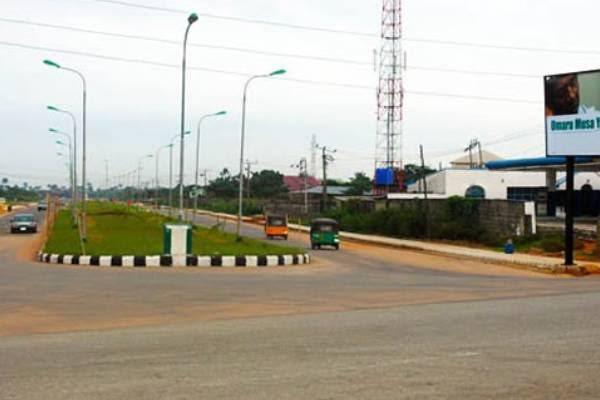
Mbaise region lies in the southeastern part of Nigeria, within the central belt of Imo State. It is bordered by Ngor Okpala to the west, Owerri to the northwest, Aboh to the south, and Ihitte/Uboma and Obowo to the east. The area sits on a gently rolling landscape of low hills and valleys, covered in green vegetation that stays lush for most of the year.
Mbaise enjoys aabundant rainfall, and its tropical climate supports thick forests and fertile farmlands. The soil is rich in nutrients, making it ideal for growing yams, cassava, cocoyam, vegetables, and palm produce. Small rivers and streams crisscross the land, providing water for domestic use and farming.
Villages are often clustered close together, connected by a network of tarred and untarred roads. These settlements blend naturally with farmlands, creating a pattern of compact communities surrounded by crops and homesteads. The population density is among the highest in southeastern Nigeria, giving the area its lively, closely knit atmosphere.
Overall, the geography of this part of Imo State reflects both natural abundance and human activity – a landscape shaped by farming, family life, and generations of careful land use.
The three LGAs and the Villages that Make Up Mbaise
What many people call “Mbaise” today is actually a group of three local government areas (LGAs) that share a common history, language, and cultural identity. These are Aboh Mbaise, Ahiazu Mbaise, and Ezinihitte Mbaise. Together, they form one of the most densely populated and culturally vibrant regions in Imo State.
Aboh Mbaise lies in the southern part of the region and includes towns and villages such as Nguru, Mbutu, Lorji, Enyiogugu, Okwuato, Amuzu, and Uvuru. The area is known for its fertile farmlands, local markets, and deep-rooted traditions. Many of its communities have produced notable leaders, teachers, and clergy who have contributed to the growth of the entire region.
Ahiazu Mbaise sits at the centre and was formed from the merger of two major clans – Ahiara and Ekwerazu. Its administrative headquarters is located at Afor-Oru. The area is dotted with villages such as Oru, Akabor, Otulu, Umuokrika, and Okrika Nweke. Ahiazu is famous for its rich cultural life and is often seen as the heart of the annual New Yam Festival celebration.
Ezinihitte Mbaise, the easternmost of the three, includes communities like Itu, Eziudo, Obodo Ujichi, Udo, Okpofe, Amumara, and Onicha. It shares boundaries with neighbouring local governments such as Obowo and Ihitte/Uboma. Ezinihitte stands out for its organized town unions, scenic hills, and active community development projects.
Each of these LGAs is made up of dozens of autonomous communities and villages, each with its own traditional ruler, market, and cultural identity. Yet, they all speak a similar dialect of the Igbo language and share a deep sense of unity.
Whether one is from Aboh, Ahiazu, or Ezinihitte, there is a shared understanding that all belong to the same proud family. This bond of kinship is what gives the entire area its name and enduring sense of oneness.
Leadership and Traditional Authority
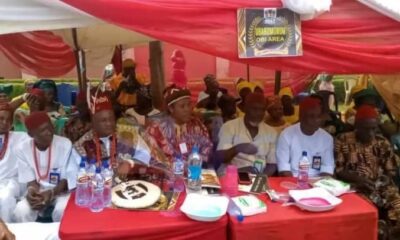
Leadership in Mbaise has always reflected the community’s deep respect for age, wisdom, and collective decision-making. Traditionally, governance was not centralized under one ruler. Instead, authority rested in the hands of village elders, titled men, and age grades who worked together to maintain peace and social order.
Every community had its council of elders known for their fairness and understanding of custom, who handled disputes, settled land issues, and guided the younger generations.
With time, as government structures evolved, individual towns began to recognize their own traditional rulers, often referred to as Eze, Nze, or Chief, depending on local custom. These leaders serve as custodians of culture and symbols of unity. They represent their communities in State councils of traditional rulers and play important roles in community development, conflict resolution, and cultural preservation.
In addition to these traditional figures, Mbaise people are also known for their well-organized town unions and village associations which often serve as a bridge between modern governance and traditional leadership. These unions mobilize resources, organize communal projects, and ensure that every voice is heard in matters affecting the community.
The result is a balanced system where traditional wisdom works hand in hand with modern administration. This blend of old and new leadership keeps the communities strong, ensures continuity of customs, and sustains the cooperative spirit that defines life in Mbaise.
Markets in Mbaise
Markets are the lifeblood of daily life in Mbaise. Every town and village has a market that serves as both a trading post and a meeting place for people from near and far. These markets follow the traditional Igbo four-day cycle – Eke, Orie, Afor, and Nkwo, with each community known for its specific market day. On those days, the usually quiet town squares turn into buzzing centres of trade, laughter, and colour.
In Aboh, Ahiazu, and Ezinihitte, major markets such as Afor-Oru, Nkwo Nguru, and Orie Obohia attract farmers, traders, and buyers from neighbouring areas. They deal in a wide variety of goods, from farm produce like yams, cassava, palm oil, and vegetables to woven mats, fabrics, livestock, and household tools. Many of the traders are women who have built strong reputations as fair and skillful businesspeople.
Beyond commerce, these markets also serve as social spaces. They are where news spreads, friendships are rekindled, and local decisions are discussed informally. Young people often find work helping traders load goods or carry baskets, while elders gather under shade trees to exchange stories and share kola nuts.
During festive seasons, especially around the New Yam Festival, market days take on an even livelier atmosphere. Drummers play, dancers perform, and food stalls fill the air with the aroma of traditional dishes. The markets in Mbaise are more than places where one buy and sell. They are spaces where culture, community, and daily life meet in a rhythm that has lasted for generations.
Deities, Totems, Traditional Beliefs and Religion
Before the coming of Christianity, spirituality in Mbaise was deeply rooted in traditional religion and the belief that unseen forces guided the affairs of the land. The people recognized a Supreme Being, often called Chukwu believed to be the creator of all things. Beneath this divine power were lesser gods and ancestral spirits that protected families, farms, rivers, and villages.
Among the most respected deities in the area are Ala, the earth goddess, who oversees morality and fertility, and Amadioha, the god of thunder and justice. These deities were honored with periodic sacrifices and public rituals, especially during planting seasons, harvests, or times of communal decision-making. In some villages, Njoku Ji, the yam spirit, is revered as the guardian of agriculture and is celebrated during the annual New Yam Festival.
Certain animals and natural objects also hold symbolic value. The alligator lizard, for instance, is regarded as sacred in parts of the region and is never harmed. Rivers, sacred groves, and particular trees such as the ogirisi or ukwa are also seen as dwelling places of spirits and are treated with respect.
Every village traditionally maintained small shrines or ancestral altars where prayers, libations, and offerings were made to seek guidance or express gratitude. Priests and diviners known locally as Dibia served as mediators between humans and the spirit world, performing healing rituals, interpreting dreams, and revealing the causes of misfortune.
Toady, Christianity is the dominant religion in Mbaise. This is evident in the large number of Catholic priests, Religious Brothers and Sisters and other members of the clergy in the community.
Notwithstanding, many traditional beliefs continue to influence daily life. The respect for ancestors, the idea of moral balance, and the deep connection to the land remain strong.
In festivals, proverbs, and community rituals, echoes of the old religion still remind the people of their spiritual heritage and their enduring link to the past.
Traditional Festivals and Cultural Life
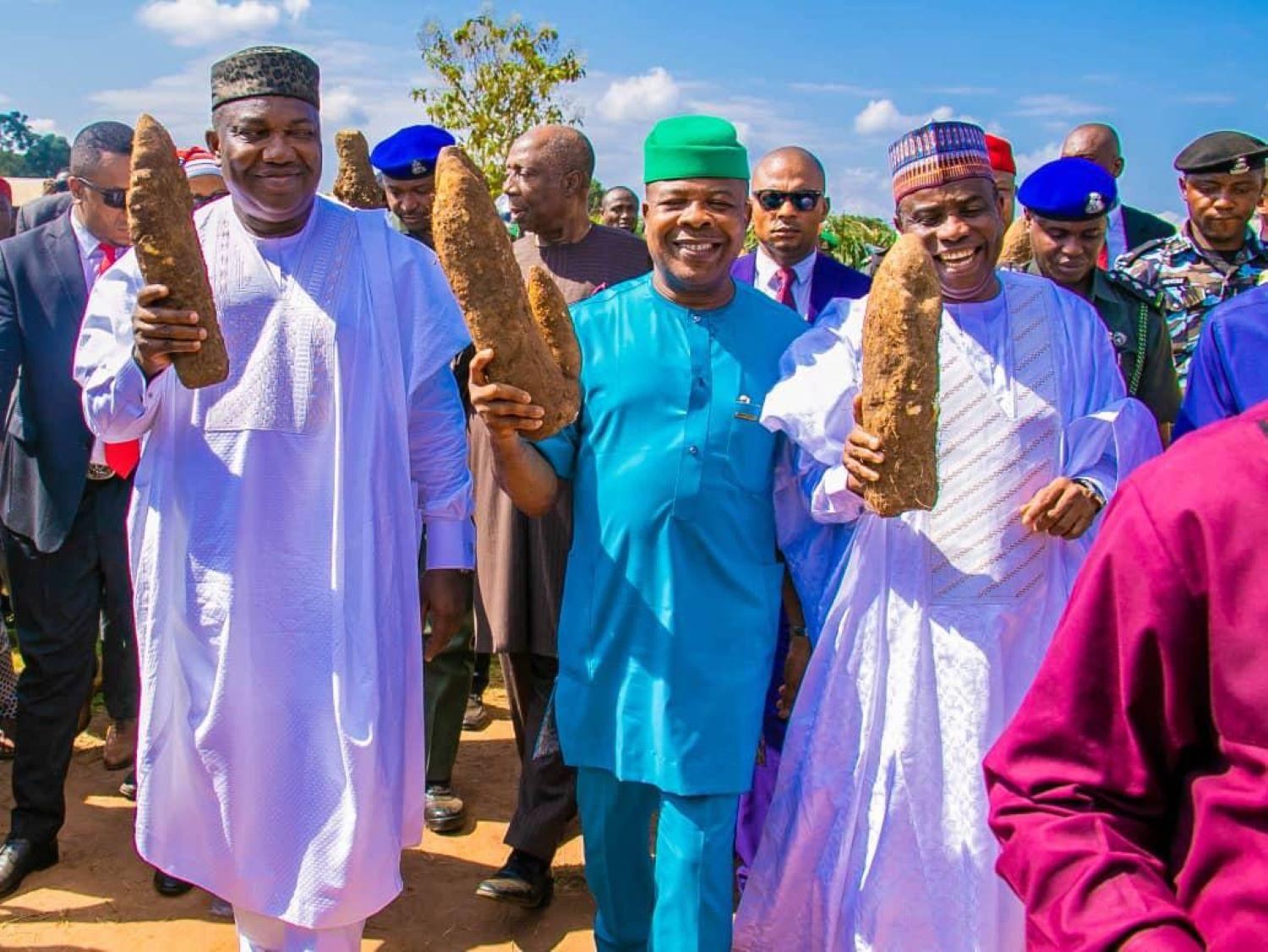
Cultural life in Mbaise is vibrant, expressive, and deeply tied to the land and its people. Festivals are not merely times of celebration. They are moments when the entire community reconnects with its roots, renews social bonds, and gives thanks to the forces that sustain life.
The most famous celebration is the Iri Ji Mbaise (New Yam Festival) held every year on August 15. The event marks the start of the yam harvest season and is one of the grandest cultural gatherings in Imo State. It begins with prayers of thanksgiving to God and the ancestors, followed by the symbolic breaking and eating of the new yam by elders.
After this ritual, families, friends, and visitors feast, dance, and share gifts. The festival features colourful masquerades, traditional music, and dance performances by local groups dressed in vibrant attire.
Beyond the Iri Ji, many towns hold other traditional festivals that honour deities, celebrate age-grade achievements, or mark transitions in community life. Ceremonies such as Itu Aka, which opens the farming season, and various masquerade festivals that take place during dry months, keep ancient customs alive. These events showcase local drumming styles, flute music, and dramatic performances that blend storytelling with spirituality.
Masquerades, known locally as Mmanwu, play an important role in entertainment and moral instruction. Some represent ancestral spirits, while others serve as social commentators, using humour or satire to highlight good and bad behavior within the community.
Today, even as modern influences grow stronger, these festivals continue to unite people from home and abroad. Sons and daughters living in cities or overseas return each year to participate, bringing with them new energy and resources.
The result is a beautiful blend of tradition and modernity – a living culture that reminds every participant of who they are and where they come from.
Town Unions and Community Organizations
One of the strongest pillars of life in Mbaise is the tradition of collective responsibility expressed through town unions and community organizations. These groups are at the heart of local development, ensuring that progress comes not just from government projects but from the hands of the people themselves.
Every town, village, and even kindred has a union that brings its members together, both at home and in the diaspora. These unions are well-structured, often with elected leaders such as presidents, secretaries, and treasurers who coordinate meetings, raise funds, and oversee community initiatives. Through their efforts, schools have been built, roads repaired, health centres established, and scholarships awarded to bright students.
Mbaise also has vibrant diaspora associations, such as Mbaise USA, Mbaise Canada, and Mbaise Europe which maintain strong links with their home communities. These groups support local development projects, organize medical outreaches, and promote the cultural heritage of the region abroad.
At home, youth and women’s organizations play vital roles as well. Women’s groups, known locally as Umuada or Ndi Iyom are often the first to mobilize during community events, weddings, and clean-up exercises. Youth associations handle tasks such as organizing sports, maintaining village security, and assisting in cultural performances and festivals.
These layers of organization ensure that every member of society contributes to the well-being of the whole. Decisions are made collectively during town meetings, and accountability is taken seriously. This spirit of self-help and cooperation has long been a hallmark of Mbaise life.
It reflects the people’s deep sense of unity and their belief that true development comes from within. This is a belief that continues to keep the community strong and connected across generations.
Economy and Resources
The economy of Mbaise is built on a blend of agriculture, trade, small-scale enterprises, and an ever-growing network of professionals and diaspora contributions. For generations, the people have been known for their strong work ethic, resourcefulness, and commitment to community progress.
Agriculture remains the foundation of local livelihood. The fertile soil and favorable climate support the cultivation of cassava, yam, cocoyam, maize, plantain, palm produce, and vegetables. Many households engage in subsistence farming, while some have expanded into commercial agriculture. Palm oil processing, in particular, is a major economic activity, with women playing a significant role in its production and distribution.
Trading is another central pillar of Mbaise’s economy. The region boasts several bustling markets such as Afor Obo, Nkwo Mbaise, Eke Nguru, and Orie Ahiara which serve as commercial hubs linking neighbouring towns and States. These markets attract traders dealing in agricultural produce, textiles, livestock, and everyday goods, making them vital to both local and regional commerce.
Over the years, Mbaise has also produced a strong class of professionals – teachers, civil servants, entrepreneurs, and artisans who contribute significantly to both the local and national economy. Many indigenes living abroad send remittances that help fund education, healthcare, and infrastructural development back home.
The area is also rich in human capital and natural resources, though still largely untapped. Small-scale quarrying, palm produce processing, and craftwork form part of the cottage industries sustaining local families. With growing investment in education and youth empowerment, there is a gradual shift toward technology, services, and skill-based entrepreneurship.
Altogether, Mbaise’s economy is a mix of tradition and transition rooted in agriculture, strengthened by trade, and increasingly shaped by innovation and diaspora influence.
Local Dishes and Cuisines
In Mbaise, food is more than nourishment. It is culture, identity, and celebration. The people take great pride in their traditional dishes, many of which are prepared with locally grown ingredients and passed down through generations. Meals are often communal, bringing families together around flavours that reflect the richness of the land and the warmth of the people.
A signature dish from the area is Ofe Owerri, a thick, flavourful soup prepared with assorted vegetables, stockfish, snails, and sometimes, bush-meat. Though named after the capital city, it is a cherished delicacy across Mbaise, often served during festivals and family gatherings.
Another favourite is Ofe Oha (oha soup), made from the tender leaves of the oha tree, cocoyam paste, palm oil and other ingredients. Ofe oha a dish that embodies comfort and tradition.
Nkwobi and Isi Ewu (spiced cow foot and goat head) are popular delicacies served in social gatherings, while Abacha (African salad) and Ugba (oil bean salad) are enjoyed as light meals or snacks during market days and meetings. For staples, cassava products dominate – garri, and akpu are commonly eaten with soups, reflecting the people’s agricultural lifestyle.
In addition to these, Mbaise cuisine features a variety of local vegetables and spices that give its dishes their unique taste. Meals are typically accompanied by palm wine, a natural drink tapped fresh from palm trees, which plays an important role in hospitality and traditional ceremonies.
Food in Mbaise is also about connection. Each dish carries a story of family, hospitality, and celebration, making cuisine a vital part of Mbaise’s cultural identity.
Prominent Sons and Daughters

Mbaise has produced a remarkable number of individuals who have excelled in politics, entertainment, academia, business, and public service. Their achievements mirror the community’s long-standing commitment to education, hard work, and integrity. Collectively, they represent the pride and potential of the Mbaise nation.
Among the most notable figures is Rt. Hon. Emeka Ihedioha, former Governor of Imo State and one-time Deputy Speaker of Nigeria’s House of Representatives. His leadership style and focus on good governance have made him one of the most respected political figures from the region.
In the world of entertainment, Mbaise is home to some of Nigeria’s brightest stars. Rita Dominic, a multiple award-winning actress and film producer from Aboh-Mbaise stands as one of Nollywood’s most iconic personalities. Genevieve Nnaji, another internationally acclaimed actress, filmmaker, and cultural ambassador also hails from Mbaise and has been instrumental in putting Nigerian cinema on the global map.
Okey Bakassi, the celebrated comedian, actor, and media personality is equally a proud son of Mbaise who has used humour and social commentary to entertain and enlighten audiences across the world.
In academia and public service, figures such as Professor Viola Onwuliri, former Minister of Education and Minister of Foreign Affairs have continued to make outstanding contributions to education, women’s empowerment and national development.
Mbaise is also known for producing respected clergy, business leaders, and professionals in medicine, law, engineering, and the creative arts. The Mbaise diaspora, especially. in Europe and North America plays an active role in community development, offering scholarships, sponsoring local projects, and promoting cultural exchange.
Together, these illustrious sons and daughters embody the values of diligence, excellence, and unity that define Mbaise. Their achievements continue to inspire new generations to reach higher, stay rooted in their heritage, and contribute meaningfully to both their homeland and the world.
Challenges and Positive Outlook
Like many communities in southeastern Nigeria, Mbaise faces a number of challenges that have tested its resilience and unity over the years. These issues range from infrastructural decay and youth unemployment to rural-urban migration and the slow pace of industrial development.
Despite the region’s reputation for education and enterprise, many young people leave for cities or abroad in search of better opportunities, leading to a gradual decline in agricultural and local craft activities.
Another major challenge is the state of infrastructure. Many rural roads remain in poor condition, affecting trade and transportation within and between the three LGAs. Access to quality healthcare and water supply also varies from one area to another, while limited government presence often slows down community-driven development efforts.
Yet, in the midst of these difficulties, Mbaise continues to shine as a model of self-help, resilience, and hope. The people have a long tradition of collective development, often mobilizing through town unions, village meetings, and diaspora associations to fund schools, build hospitals, maintain roads, and sponsor local projects. Their spirit of cooperation and pride in their roots have sustained the community even when official support was minimal.
The growing influence of the Mbaise diaspora has also become a powerful source of renewal. Many professionals living abroad are returning home with new ideas and resources, investing in education, technology, and agriculture. These efforts are gradually transforming local economies and inspiring a new generation of young people to see Mbaise as a land of opportunity rather than limitation.
Culturally, the people continue to hold firmly to their identity while adapting to modern realities. Festivals, civic gatherings, and educational initiatives are being revived and modernized to engage the youth. The shared dream is clear and that is to preserve Mbaise’s heritage while building a future of prosperity, innovation, and pride.
Mbaise’s greatest strength lies in its people – their unity, intelligence, and determination to rise above challenges. With these enduring qualities, the land remains not only the heart of Imo State but a symbol of what community-driven progress can achieve.
In Conclusion…
Mbaise stands today as one of the most vibrant and culturally rich communities in southeastern Nigeria. A land where tradition, intellect, and resilience meet. From its well-organized villages to its famous markets and festivals, every aspect of Mbaise life reflects a people deeply rooted in their heritage, yet, open to growth and progress.
Beyond the stereotypes and assumptions often attached to its name, Mbaise tells a story of unity, enterprise, and relentless self-determination. It is a story of farmers who turned their fertile lands into thriving sources of livelihood, of traders who built bustling marketplaces, of scholars and professionals who carried the community’s name to global stages. It is also the story of a people who, despite challenges, have never lost faith in the power of education, cooperation, and cultural pride.
As Mbaise continues to evolve, its future rests not just in its natural resources or population size but in the enduring spirit of its people both at home and in the diaspora who keep dreaming, building, and giving back. Their collective will to preserve what is sacred while embracing change is what makes Mbaise not only the largest community in Imo State but also one of its most inspiring.
In many ways, Mbaise is more than a geographical expression. It is a living testimony to the power of community, identity, and purpose. A reminder that greatness is not inherited but can be built over generations.
References
- https://en.wikipedia.org/wiki/Mbaise
- https://en.wikipedia.org/wiki/Aboh_Mbaise
- https://en.wikipedia.org/wiki/Ahiazu_Mbaise
- https://en.wikipedia.org/wiki/Ezinihitte_Mbaise
- https://ynaija.com/major-markets-to-visit-in-imo-state/
- https://mbaiseunitedaustria.com/elementor-630/
- https://propertypro.ng/guide/axes/Ahiazu-Mbaise-Imo/
You might want to check this out…