





African Culture and Traditions
The Concept of Omugwo in Igbo Culture

Omugwo is a traditional Igbo practice of postpartum care where a mother or an older woman goes to live with a new mother to provide physical, emotional and practical support. Explore the meaning, purpose, who performs Omugwo, duration, common rituals and customs involved, modern adaptations, and why the practice is still relevant today.

Omugwo Duties
In Igbo culture, childbirth is not just the arrival of a new life; it is a communal experience filled with joy, gratitude and responsibility. When a woman gives birth, her wellbeing and that of her baby become the concern of the entire family, especially her mother and other older women in the family.
This sense of collective care is beautifully expressed in the age-old practice known as Omugwo. Rooted in love, experience and deep cultural wisdom, Omugwo is the traditional system of postpartum care where an older woman, often the new mother’s own mother or mother-in-law comes to live with her and provide essential support after childbirth.
The practice of Omugwo goes beyond routine assistance. It represents a carefully structured period of rest, recovery and renewal for the mother, coupled with intensive learning and bonding for the entire family. Through it, new mothers receive help with bathing, feeding and caring for their newborns while being nurtured physically and emotionally during the most delicate stage of motherhood. For generations, this tradition has stood as a vital social support system, especially in communities where professional postnatal services are limited.
Today, despite the pressures of urban life and the demands of modern healthcare, Omugwo remains one of the most enduring aspects of Igbo family life. It has evolved to fit new realities, but its core purpose which is protecting mothers and ensuring the healthy start of newborns has never changed.
Understanding Omugwo is, therefore, not only about exploring an old cultural practice but also about appreciating the timeless wisdom of a people who recognize that caring for a mother is the surest way to care for a child.
Meaning of Omugwo
Omugwo is a traditional Igbo practice that refers to the period of postpartum care and support given to a woman after childbirth. The term literally means “to perform the duties of care after delivery,” and it captures a system where an older, experienced woman, usually the new mother’s mother or mother-in-law stays with her to provide both physical and emotional assistance during recovery.
In Igbo society, childbirth is seen as a major milestone that requires careful attention. The early weeks after delivery are believed to be a fragile time for both the mother and her baby. The woman is expected to rest, regain strength and adapt to her new role while the infant needs constant care and close monitoring. Omugwo provides this bridge between childbirth and full recovery through family-based support rather than institutional care.
The one who is doing the Omugwo duties takes over household chores, cooks nutritious meals and assists with bathing and massaging the new mother using warm water and local herbs. She also teaches the young mother how to breastfeed, handle and bathe her baby correctly.
Beyond the physical tasks, this age-old custom carries emotional value. It offers companionship, comfort and reassurance to the new mother, helping her adjust to the physical and psychological changes that come with motherhood.
At its core, Omugwo represents Igbo people’s deep respect for family interconnectedness and their belief that knowledge and care should pass naturally from one generation to the next.
It ensures that no woman goes through the demanding phase of early motherhood alone, and that both mother and child are surrounded by the warmth of family, experience and tradition.
Purpose and Significance

The practice of Omugwo serves multiple purposes that go beyond simple domestic help. It is a cultural, emotional and health-oriented system designed to ensure the wellbeing of both the mother and her newborn during the sensitive period following childbirth.
One of the main purposes of Omugwo is to help the new mother recover physically from the stress of delivery. The older woman takes responsibility for cooking, cleaning and managing household tasks so that the mother can rest and regain her strength.
She prepares highly nutritious meals such as pepper soup, yam porridge (ji mmiri oku), and other local delicacies which are believed to help the mother heal quickly and increase breast milk production. Warm baths and gentle massages are also given to improve circulation, ease body pain and promote faster recovery.
Omugwo also serves as an avenue for training and mentorship. The older woman passes on valuable childcare skills to the new mother: how to bathe a baby, breastfeed correctly, soothe crying and maintain proper hygiene. These lessons are not only practical but also serve as a means of preserving traditional knowledge about child upbringing that has been handed down through generations.
Another important aspect of Omugwo is emotional and psychological support. The presence of a trusted older woman provides the new mother with comfort, confidence and companionship, reducing the feeling of isolation and the risk of postpartum depression. It reassures her that she is not alone in her journey and that her wellbeing matters to her family.
Omugwo also holds a deeper social and cultural significance. It reinforces family unity, strengthens intergenerational bonds and reflects the communal values that lie at the heart of Igbo life. In societies where formal postnatal care may not always be accessible, Omugwo fills a vital gap by providing a time-tested and trusted support system.
Through it, Igbo people emphasize the importance of collective responsibility and the belief that the health of a mother is inseparable from the wellbeing of her child and the strength of the entire family.
Who Performs Omugwo
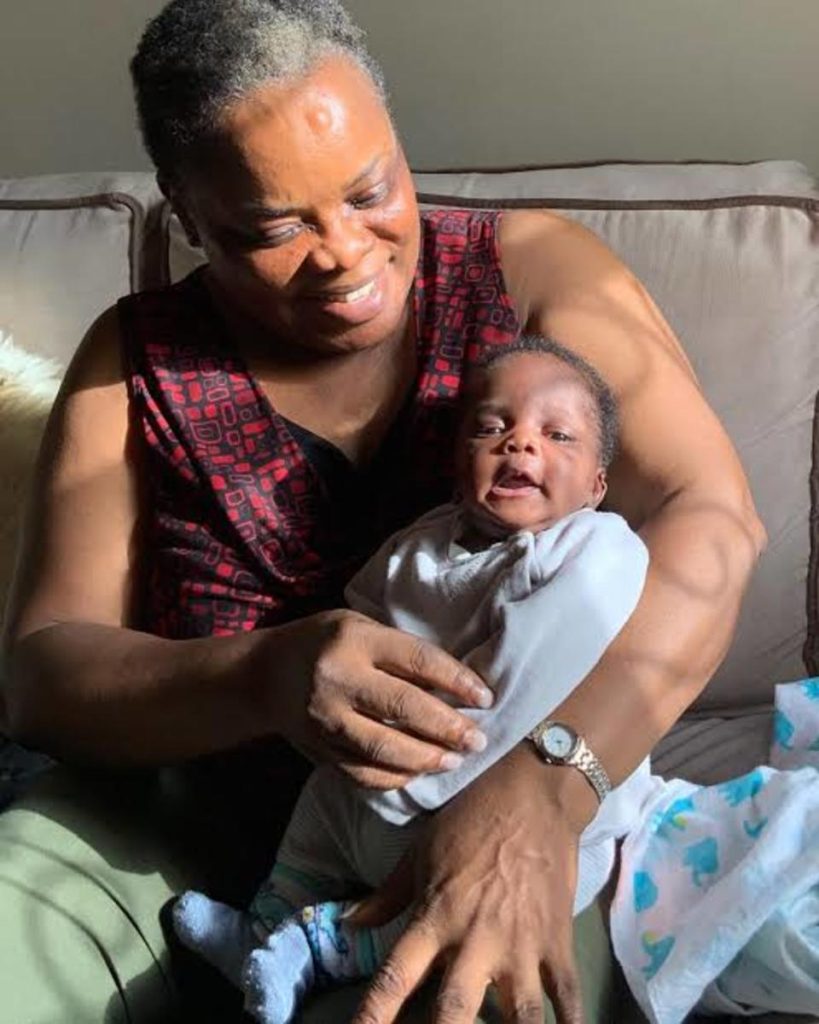
In Igbo tradition, the person who performs Omugwo is usually the maternal grandmother of the newborn, that is, the mother of the new mother. She is considered the most suitable person for the role because of her experience, patience and deep understanding of postpartum needs. Her presence is believed to bring comfort, confidence and healing to her daughter who is in a delicate stage of recovery.
When the maternal grandmother is unavailable, either due to death, distance, ill health, or other reasons, the responsibility may fall on another close older female relative such as an aunt, elder sister, or even a trusted family friend. In some cases, especially where family relations are strong and cordial, the mother-in-law may take on the role of caregiver. The most important qualification is that the person performing Omugwo must be mature, experienced and genuinely caring.
The caregiver temporarily relocates to the home of the new mother for the duration of the Omugwo period. During this time, she takes charge of domestic duties such as cooking, cleaning and caring for both mother and child. She also provides practical guidance and emotional reassurance, helping the new mother transition smoothly into her new role.
In contemporary times, especially among urban families or those living abroad, the traditional structure of Omugwo has adapted. Some families now alternate between both grandmothers so that each has a chance to assist. In other situations where relatives cannot travel, families may hire experienced caregivers who understand the customs and responsibilities of Omugwo.
Regardless of who performs it, the goal remains the same: to provide full support and care for the mother and her baby during the crucial postpartum period.
Duration of Omugwo
The duration of Omugwo traditionally depends on the customs of the community, the health of the mother and baby and the availability of the caregiver. In most Igbo families, it typically lasts between one and three months. The length of time is guided by the belief that a new mother needs sufficient rest and nurturing before she can resume her normal duties.
In the past, when families lived closer together and most women were not engaged in formal employment, Omugwo often extended up to three months or more. This allowed the mother enough time to recover fully, bond with her baby and learn essential childcare skills. The caregiver would remain in the home throughout this period, ensuring that the new mother was relieved of strenuous activities such as cooking, laundry and house cleaning.
Today, the duration of Omugwo has become more flexible. With the realities of urban living, work schedules and travel distances, some families now shorten the period to a few weeks, especially when the new mother has other sources of support or needs to return to work. In many cases, a minimum of forty days, roughly six weeks is still observed as a symbolic and practical recovery period.
Whether long or short, the purpose of the duration remains the same: to provide the new mother with a period of rest, care and support while she regains her strength and learns to care confidently for her baby. It is this intentional time of recovery and bonding that makes Omugwo a vital aspect of Igbo postpartum custom.
Rituals and Customs Involved in Omugwo

Omugwo rituals
Omugwo is guided by a series of time-honoured rituals and customs that reflect both practical care and deep cultural values. These practices vary slightly from one Igbo community to another. However, they share a common purpose which is to ensure the health, comfort and full recovery of the new mother as well as the wellbeing of her baby.
One of the most important customs during Omugwo is the preparation of special meals. The caregiver, usually the mother or mother-in-law cooks highly nutritious and warming foods believed to help the new mother regain strength and produce enough breast milk. Common dishes include pepper soup made with fish or meat, yam porridge (ji mmiri oku), vegetable soups and other spicy meals. These meals are often spiced with local herbs such as utazi, uziza, uda and scent leaf which are thought to cleanse the body, boost appetite and aid internal healing.
Another key aspect is the use of warm water therapy. The caregiver prepares bowls or buckets of warm water which the new mother uses for bathing and gentle massage. In some cases, she is bathed or massaged by the caregiver to help ease body aches, improve circulation and support the uterus in returning to its normal texture. This routine is done daily or as often as needed, depending on the mother’s condition.
Belly binding is also a common practice. A soft but firm piece of cloth, often a wrapper is tied around the mother’s abdomen after bathing to help reduce swelling and support her midsection. Although medical professionals now advise moderation, many women still observe this practice as part of the traditional healing process.
Hygiene and household care are another major part of Omugwo. The caregiver ensures that the home environment remains clean, that the baby’s clothes and bedding are washed and dried properly, and that feeding items are sterilized. She also teaches the new mother about safe baby handling, proper breastfeeding techniques and how to recognize early signs of illness in both herself and her child.
There are also gentle rituals of bonding and thanksgiving. Some families mark the end of the Omugwo period with prayers or a small family gathering to thank God for the safe delivery and good health of the mother and baby. Gifts are often presented to the caregiver, usually clothing, foodstuffs, or a token of appreciation as a sign of gratitude for her time, care and sacrifice.
These customs, though simple, are filled with meaning. They reflect Igbo people’s understanding that postpartum care is not just a physical process but also an emotional and communal one. Through Omugwo, care, wisdom and affection flow naturally across generations, keeping families connected and ensuring that the cycle of love and support continues.
Modern Adaptations and Relevance
In today’s world, the practice of Omugwo has evolved to meet the demands of modern living while still maintaining its original purpose of nurturing and supporting new mothers. Although changes in lifestyle, work patterns and family structures have influenced how it is carried out, the tradition remains deeply valued across Igbo families, both in Nigeria and abroad.
In urban areas where many families live far from their extended relatives, the duration and format of Omugwo have become more flexible. Some mothers receive help for only a few weeks instead of several months while others may have their mothers or mothers-in-law visit temporarily before returning home.
In cases where travel distances or visa restrictions make in-person visits difficult, especially for families living abroad, technology now bridges the gap. Video calls and messaging platforms allow older women to offer guidance remotely, teaching breastfeeding, bathing and baby care virtually.
Some families have also embraced professional assistance. When older relatives are unavailable, trained caregivers, nannies, or postpartum doulas familiar with the customs of Omugwo are employed to perform similar roles. These caregivers may not share blood ties, but they understand the cultural essence of providing warm, patient and consistent care to the new mother and her baby.
Modern healthcare practices have also found a place within the Omugwo framework. Families are now more informed about safe hygiene, nutrition and the need for regular postnatal checkups. Hospitals and health professionals encourage the continuation of supportive practices such as nutritious feeding, rest and emotional support while discouraging potentially harmful traditions like extreme belly binding or the use of unverified herbal concoctions. This blend of tradition and modern medicine makes this postpartum care more adaptable and safer for today’s mothers.
The relevance of Omugwo remains strong because it fills an emotional and social gap that modern life, sometimes, neglects. In a world where many new mothers experience isolation, stress, or postpartum depression, Omugwo offers a sense of belonging, reassurance and practical help. It embodies community care in an era of increasing individualism, reminding families that motherhood should never be faced alone.
Furthermore, Omugwo continues to symbolize the enduring value of intergenerational connection. It allows older women to remain active contributors to family wellbeing while giving younger women a chance to learn from their wisdom and experience.
As more people appreciate the importance of holistic postpartum care, Omugwo stands as both a cultural heritage and a relevant model for modern maternal support that combines empathy, experience and enduring family love.
Practical Safety and Cultural Caution
While Omugwo remains one of the most cherished and beneficial traditions in Igbo culture, it is important to balance its practices with modern medical knowledge to ensure the safety of both mother and baby. The postpartum period is delicate, and although traditional care offers comfort and support, not all age-old methods are suitable in every situation today.
Families are encouraged to combine the warmth and wisdom of Omugwo with the guidance of healthcare professionals. Regular postnatal checkups are essential to monitor the health of both mother and child, detect possible complications early and provide necessary medical care when needed. Medical experts recommend that the new mother visits a health facility within the first week after delivery and continues to attend follow-up appointments for immunizations and maternal assessments.
Hygiene is another key area where caution is needed. Caregivers should always ensure that bathing water, feeding utensils and clothing for the baby are clean and safe. Herbal baths or concoctions should only be used under professional advice as some herbs may cause allergic reactions or interfere with healing. Similarly, belly binding should be done gently to provide comfort, not tight enough to restrict breathing or circulation.
Nutritional care should also follow healthy guidelines. While traditional meals such as pepper soup and vegetable-rich soups are beneficial, caregivers should avoid overuse of strong spices or herbs that could irritate the baby through breast milk. The focus should remain on balanced, easily digestible and nourishing foods that aid recovery and promote lactation.
Equally important is the emotional wellbeing of the new mother. Family members must watch for signs of postpartum depression or extreme fatigue. Omugwo period should be a time of peace and bonding, not tension or criticism. Respect for the mother’s preferences, privacy and emotional needs is essential. Disagreements between the new mother and her caregiver should be handled with understanding and patience to maintain harmony in the home.
By applying these precautions, Omugwo can continue to serve its positive role in today’s society. It stands as a fine example of how cultural traditions can coexist with modern health standards when practiced thoughtfully. When care, cleanliness and compassion guide the process, Omugwo becomes not just a cultural duty but a safe, loving and healing experience for both mother and child.
In Conclusion…
Omugwo remains one of the most beautiful expressions of care, community and continuity in Igbo culture. Beyond postpartum assistance, it is a heartfelt tradition rooted in love, family support and the transfer of generational wisdom. Through it, Igbo people emphasize that childbirth is not an isolated event but a communal journey in which the wellbeing of both mother and child is everyone’s concern.
Though times have changed, the essence of Omugwo continues to thrive. In modern society where many families live in cities or abroad, the practice has adapted to fit new lifestyles, sometimes, blending traditional care with medical guidance or professional postpartum support. Yet, its goal remains the same: to nurture, to teach and to preserve the bond between generations.
Omugwo also holds important lessons about the value of rest, nourishment and emotional healing after childbirth. It reminds the society of the need to support new mothers, respect their recovery process and prioritize the health of both mother and baby. It is a cultural system that naturally promotes family unity, empathy and respect for elders.
In preserving this age-old custom, Igbo people uphold more than a tradition. They preserve a philosophy of care and community that the modern world can learn from. Whether practiced in a village setting or a city apartment, Omugwo continues to symbolize the warmth of family, the strength of motherhood and the enduring wisdom of cultural heritage.
It stands as a gentle reminder that while science provides the tools for safe motherhood, culture provides the heart that sustains it.
References
- https://www.researchgate.net/publication/372413022_%27Omugwo%27_As_Unpaid_Labour_The_Perceptions_of_Postpartum_Caregiving_Among_Older_Grandmothers_in_Southeast_Nigeria
- https://pmc.ncbi.nlm.nih.gov/articles/PMC10993719/
- https://trustafrica.org/wp-content/uploads/2024/07/18.-Omugwo.pdf
- https://guardian.ng/life/omugwo-understanding-the-culture-behind-igbos-traditional-postpartum-care/
- https://www.pulse.ng/articles/lifestyle/food-and-travel/omugwo-all-you-should-know-about-the-popular-igbo-after-birth-care-2024072602053797254
- https://nigerianjournalsonline.org/index.php/JARPCS/article/view/1245
You might want to check this out …
Feature Photo Credit: @igboweddingng