





African Culture
Benin Traditional Marriage: Rites, Customs, and Cultural Significance

Benin traditional marriage is a rich cultural practice in Edo State, Nigeria with deep social, spiritual, and ceremonial roots. Discover the rites, customs, and significance of marriage in Benin tradition with authentic cultural information.

Benin traditional marriage is one of the most celebrated cultural practices in Edo State, Nigeria. It is far more than a wedding. It is a carefully orchestrated process that brings families together, honours the forebears, and affirms community ties. Each stage of the marriage, from the first visit by the groom’s family to the ceremonial exchange of gifts is rooted in centuries-old traditions that have guided generations of the Benin people.
In Benin culture, marriage begins long before the couple meets at the altar. Elders, parents, and family representatives play vital roles in introducing intentions, negotiating the bride price, and ensuring that both families agree and understand their responsibilities. Symbolic items like kola nuts, coral beads, and traditional attire carry rich cultural meanings that connect the present ceremony to Edo history and heritage.
By examining the rites, customs, and significance of Benin traditional marriage, we gain insight into how these ceremonies strengthen family bonds, celebrate love, and preserve cultural identity.
This article explores each stage of the marriage, and shows how tradition, respect, and community are woven into one of Nigeria’s most enduring cultural institutions.
Who Are the Benin People?
The Benin people who are also known as the Edo people are one of the oldest and most culturally rich ethnic groups in southern Nigeria. They are mainly found in Edo State, with Benin City serving as the historical and cultural centre of their civilization. The Benin people are widely recognized for their deep-rooted traditions, artistic excellence, and well-organized social system that dates back several centuries.
The foundation of their identity is the ancient Benin Kingdom which flourished long before colonial contact. This kingdom was known for its advanced political structure, strong monarchy, and remarkable achievements in art, especially bronze casting and ivory carving. The ruler of the kingdom who is known as the Oba held both political and spiritual authority, and his influence extended into many aspects of daily life, including marriage customs and family structures.
The Benin people speak the Edo language, though there are variations and dialects across different communities. Family and community life are central to their way of living, with strong emphasis placed on respect for elders, lineage, and tradition. These values are clearly visible in cultural practices like Benin traditional marriage where the involvement of extended family and elders plays a key role in every stage of the process.
Religion and spirituality have also informed Benin culture over time. Before the spread of Christianity, the people practiced traditional beliefs that honoured the forebears and recognized spiritual forces in everyday life. Today, though many Benin people are Christians, the elements of traditional belief systems still appear in ceremonies, symbols, and cultural expressions, including marriage rites.
The understanding of who the Benin people are provides important context for appreciating Benin traditional marriage. Their history, social structure, and cultural values are deeply woven into the marriage process, thus making it more than a personal union. It becomes a reflection of identity, heritage, and continuity that has endured across generations.
Historical Background of Benin Traditional Marriage
The roots of Benin traditional marriage stretch back centuries to the era of the Benin Kingdom which is one of West Africa’s oldest and most influential civilizations. In Edo culture, marriage has never been simply a personal contract between two individuals. It has always been a social institution that connects families, clans, and communities.
In a society structured around respect for elders, adherence to cultural norms, and ancestral guidance, marriage represented the formal recognition of adulthood and readiness to contribute to family and society.
In pre-colonial Benin, marriages were carefully arranged to maintain family alliances, social cohesion, and lineage continuity. Elders and family representatives played a critical role in evaluating suitors, approving unions, and supervising ceremonial processes. Even in non-royal families, the presence of respected elders ensured that marriages aligned with Edo customs and social expectations.
Royal and noble families followed highly structured protocols where marriages could strengthen political alliances, consolidate power, and preserve heritage. Items like coral beads, kola nuts, and traditional attire were not merely for decoration. They symbolized status, wealth, and lineage tha link the ceremony to centuries of Benin history.
With the advent of colonial rule and Western education, Benin traditional marriage practices encountered new influences. Christian and Western legal systems introduced civil and church marriage structures. Nevertheless, the traditional rites often continued alongside these modern ceremonies.
Families frequently combined the two to respect Edo customs and adhere to religious or legal requirements. Despite these influences, core practices like the negotiation of the bride price, elder blessings, and communal feasting remained central in preserving continuity with pre-colonial traditions.
Understanding the historical context of Benin traditional marriage explains why certain rituals remain unchanged. The involvement of elders, symbolic use of coral beads, and ceremonial integration of both families are practices rooted in centuries of Edo governance and social organization.
Modern couples, even in urban areas or the diaspora maintain these rituals because they carry deep cultural, spiritual, and social significance. They provide continuity with the past, teach the younger ones about Edo heritage, and reinforce the communal nature of marriage that has endured for generations.
Key Stages of Benin Traditional Marriage

Benin traditional marriage is a structured process that unfolds in several distinct stages. Each stage carries cultural significance and involves both families, elders, and community members. These stages ensure that the marriage is recognized socially, spiritually, and legally within Edo customs.
Introduction of intent. The process Benin traditional marriage begins with the groom’s family formally declaring their intention to marry. This visit, often called the introduction ceremony is highly ceremonial. The groom’s family presents gifts which usually include kola nuts, drinks, and other tokens of respect to the bride’s family. The kola nut is particularly important in Benin culture because it symbolizes goodwill, peace, and acceptance. During this stage, elders from both sides meet to confirm that there are no prohibitive blood relations and to approve the union in line with Edo cultural expectations.
Marriage negotiations and traditional list. Once the initial introduction is accepted, the bride’s family presents a detailed list of items required for the marriage. This list typically includes the bride price, traditional gifts, food items, and clothing or wrappers. The negotiation of these items is carried out with respect and transparency to reflect the groom’s commitment and readiness to provide for his future family.
The discussion also allows both families to establish mutual understanding and trust. These negotiations symbolize respect for the bride’s upbringing and recognition of her value within the family and community.
Ceremonial rituals. The next stage in the Benin traditional marriage is the main ceremonial rituals which take place at the bride’s family home. These rituals vary slightly depending on the community and family. However, they often include traditional dances, songs, and symbolic gestures. One common practice is the ceremonial presentation of the bride which, sometimes involves, playful tests or symbolic challenges to demonstrate the groom’s commitment.
Elders bless the couple, and relatives offer guidance to ensure harmony in the new household. The bride may also perform gestures like sitting on the groom’s father’s lap which symbolizes her transition into the new family and her acceptance of new responsibilities.
Community celebration and feast. Marriage in Benin is not a private affair. Once the core rituals are completed, the wider community is invited to celebrate. Music, dance, and communal feasting are central to this stage. Family members, friends, and neighbours all participate as a way of reinforcing the role of the community in sustaining the marriage and acknowledging the union of the couple. This celebration is also a means of teaching the younger ones about cultural values, roles, and expectations in Benin society.
Bridal Procession to the matrimonial home. Finally, the bride is escorted to her husband’s home in a ceremonial procession. This journey is accompanied by songs, dancing, and sometimes, symbolic obstacles that the groom or his family must address. Upon arrival, the bride is formally welcomed, and older women counsel her on her new role. This stage completes the union, and marks her integration into her husband’s family and the start of their life together.
Each stage in Benin traditional marriage is deliberate and meaningful, and is designed to respect family structures, honour cultural norms, and celebrate the joining of two households. The process balances ceremony, negotiation, and communal participation, thus creating a union that is recognized socially, spiritually, and culturally in Edo society.
Symbolism and Meaning of Every Item in Benin Traditional Marriage

In Benin traditional marriage, every item presented carries cultural and spiritual significance. These objects are not mere decorations or gifts, rather, they are symbolic expressions of respect, heritage, and social roles. Understanding them adds richness to the marriage process and gives deeper insight into Edo traditions.
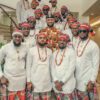
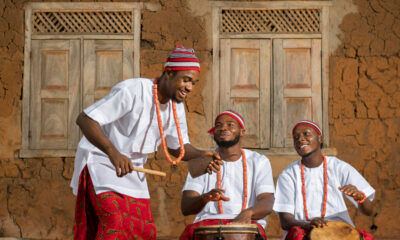
Coral beads. Coral beads are one of the most distinctive elements in Benin weddings. They are worn by both the bride and groom during key rituals, and these beads symbolize lineage, status, and prosperity. Historically, coral beads were associated with royalty and nobility in the Benin Kingdom. Wearing them signifies a connection to Edo ancestry and serves as a reminder of the cultural wealth passed down through generations.
Kola nuts. Kola nuts are central to the introduction of intent and other ceremonial stages. Breaking and sharing kola nuts symbolizes goodwill, acceptance, and communal blessing. In Benin culture, presenting kola nuts is also an invitation to dialogue and reconciliation. It formally connects the families and signals mutual respect. Without this gesture, the marriage process is considered incomplete in traditional terms.
Wrappers and traditional attire. Wrappers, gowns, and other traditional clothing items are not just worn for visual appeal. Each piece represents the bride’s family, regional identity, and the ceremonial importance of the occasion. In some families, the type of fabric, colours, and design indicate the social status or clan lineage of the couple. The attire also marks the transition from maidenhood to marital life for the bride.
Food items and gifts. Food items, drinks, and other gifts included in the traditional list in Benin traditional marriage also hold meaning. They symbolize generosity, hospitality, and the groom’s readiness to provide for his future family. Each item is carefully chosen to respect Edo customs and demonstrate the groom’s sincerity. For example, yam and palm wine often feature in rituals because they are traditional staples with ceremonial significance.
Cultural Significance of Each Rite

Every stage of Benin traditional marriage carries layers of meaning that go beyond the ceremony. These rites are designed to preserve Edo cultural heritage, strengthen family and community bonds, and communicate values that have guided generations of Benin people.
The introduction of intent is more than a polite visit. It signifies respect, transparency, and consent. By presenting kola nuts and drinks, the groom’s family acknowledges the bride’s family and seeks approval in a way that honours both ancestral traditions and social expectations. This stage also prevents future misunderstandings, as elders carefully confirm that there are no prohibitive family ties.
During the negotiation of the bride price and traditional list, the items requested by the bride’s family carry cultural and symbolic meaning. Kola nuts, clothing, wrappers, food items, and cash represent the groom’s commitment, readiness to provide, and respect for the bride’s upbringing. This stage is not transactional, rather, it publicly recognizes the bride’s value and establishes trust between families. It also affirms social responsibility by teaching both families the importance of fairness and transparency in communal interactions.
The ceremonial rituals at the bride’s home are central to preserving spiritual and cultural continuity. Elders bless the couple, and provide guidance for a harmonious life together. Symbolic acts, like the bride sitting on the groom’s father’s lap represent her integration into her new family and the passing on of family wisdom. Coral beads and traditional attire worn at this stage are not just mere decorative. They signify status, lineage, and connection to the rich history of the Benin Kingdom.
The community celebration and feast reflect the communal nature of marriage in Benin society. By inviting neighbours, friends, and extended family, the ceremony acknowledges that marriage is not just a private union but a social contract. Music, dance, and communal feasting provide opportunities for cultural education as it allows the younger people to witness and internalize traditional values such as respect, hospitality, and solidarity.
Finally, the bridal procession to the matrimonial home reinforces unity, social recognition, and continuity of family lineage. The bride’s journey, accompanied by music and ritual celebrates her transition while formally integrating her into her husband’s household. Elderly women counsel her on her new role to ensure that she understands responsibilities within her new family. This rite preserves generational knowledge, connects the couple to their community, and honours the social and spiritual significance of marriage in Edo culture.
Essentially, every step of Benin traditional marriage is intentional. From the introduction to the bridal procession, each act conveys respect, unity, and continuity. These rites ensure that marriage is not only a personal union but a ceremony deeply embedded in Edo identity, social cohesion, and ancestral respect.
Modern Influences on Benin Traditional Marriage
While Benin traditional marriage has preserved its core rituals for centuries, modern influences have shaped how these ceremonies are conducted today. Urbanization, Christianity, formal education, and exposure to Western lifestyles have introduced new dynamics into Edo marriage practices, and as such, have created a combination of tradition and contemporary culture.
In many urban areas, couples often hold multiple ceremonies. They may first complete the traditional rites, including introduction, bride price negotiation, and ceremonial rituals before conducting a church wedding or civil registration. This approach allows families to honour Edo customs and as well, fulfill legal and religious requirements. The dual ceremonies reflect a compromise between preserving heritage and adapting to modern social expectations.
Modern education and careers have also affected how families schedule and participate in Benin traditional marriage rites. With both the bride and groom often living in cities or abroad, some stages, like the negotiation of the bride price or introduction ceremonies are now organized over weekends or during special family gatherings.
Technology which provide for phone calls and video conferencing is sometimes, used to involve family members who cannot attend Benin traditional marriage ceremony in person. These adjustments ensure that traditional customs remain inclusive and meaningful, despite geographical challenges.
Religious influences have also introduced subtle changes. While traditional blessings, elder guidance, and cultural rituals remain central, many couples now include Christian prayers or sermons within the marriage process. In some cases, families incorporate symbols from both traditions, for example, wearing traditional attire during a church ceremony, thus creating a hybrid celebration that honours both spiritual and cultural values.
Despite these changes, the essence of Benin traditional marriage remains intact. The stages that emphasize family involvement, respect for elders, symbolic acts, and community recognition are still practiced widely. Modern adaptations have not replaced these core values, rather, they have allowed Edo families to maintain tradition, even as they embrace contemporary realities.
In many ways, the ability of Benin marriage practices to adapt demonstrates their resilience and relevance. Couples today can honour ancestral customs, engage the community, and respect heritage, as they navigate modern social, educational, and professional demands. This balance preserves cultural identity and ensures that Benin traditional marriage continues to thrive across generations.
Why Benin Traditional Marriage Remains Unique
Benin traditional marriage stands out among Nigeria’s many cultural marriage systems because of its deep integration of history, community, and symbolic rituals. Unlike some wedding practices that focus primarily on the couple, Benin traditional marriage places equal importance on family involvement, communal participation, and ancestral guidance. Every stage of the process, from the introduction and negotiation to the ceremony and bridal procession is rich with cultural meaning, and connects the present to centuries of Edo heritage.
One of the most distinctive elements is the use of coral beads and traditional attire. Apart from being a form of decoration for the bride and the groom, these items are symbols of lineage, status, and cultural identity.
In both royal and common households, the careful choice of beads, wrappers, and other ceremonial items reflects respect for tradition and a commitment to preserving Benin aesthetics. Coral beads also link the ceremony to the historical influence of the Benin Kingdom.
Another unique aspect of the Benin traditional marriage is the role of elders and family representatives in influencing the marriage process. Unlike modern weddings where decisions often rest solely with the couple, Benin traditional marriage emphasizes guidance from parents, extended family, and respected community members.
Their involvement ensures that the marriage aligns with social norms, cultural expectations, and family values. It also provides opportunities for intergenerational teaching where younger family members observe and learn the principles of respect, responsibility, and commitment embedded in the customs.
The ceremonial rituals themselves are highly symbolic and deliberate. Acts such as the bride sitting on the groom’s father’s lap, the careful presentation of gifts, and communal feasting validate the social, spiritual, and cultural dimensions of marriage. These practices are distinctive to Edo culture and are rarely found in the same combination elsewhere in Nigeria. Even as modern influences introduce new elements, these core rituals remain central in preserving a sense of identity and continuity that makes Benin traditional marriage unique.
In essence, the uniqueness of Benin traditional marriage lies in its balance of personal, familial, and communal priorities. It is a system where cultural symbols, ancestral respect, and community participation are inseparable from the union of two people. This approach not only honours the couple but also strengthens social cohesion and ensures that Edo traditions continue to thrive in contemporary Nigeria.
In Conclusion …
Benin traditional marriage is a rich cultural practice that unites families, honours the ancestors, and celebrates community values in Edo State, Nigeria. Each stage, from the initial introduction of intent to the bridal procession carries symbolic meaning that reflects respect, responsibility, and social cohesion. The careful negotiation of the bride price, the blessing of elders, and the presentation of coral beads and traditional attire all affirm the cultural significance of marriage as both a personal and communal journey.
Even in modern times, these practices are still thriving and adapting to contemporary lifestyles without losing their essence. By preserving these traditions, the Benin people maintain a strong sense of identity, cultural continuity, and social connection.
Understanding and celebrating Benin traditional marriage offers insight into a system where love, heritage, and community connect, thereby showing how Edo customs remain vibrant and meaningful across generations.
References
- https://www.edoworld.net/The_Marriage_Rites.html
- https://azresearchconsult.com.ng/the-marriage-culture-of-benin-people-edo-state/
- https://clipkulture.com/benin-traditional-marriage/
- https://blog.notjustevent.com/edo-royal-marriage-culture-benin-traditional-marriage-rites-symbols-and-meaning/
- https://www.academia.edu/36573832/Pre_conditions_for_Marriage_in_Benin_Culture
- https://cjhiafulokoja.com/modernisation-and-traditional-marriage-system-in-uzebba-luleha-edo-state-since-1960/
- https://www.edoworld.net/Sample_programme_a_Marriage_under_Customary_Law_in_Great_Benin.html
You might want to check this out …