




Igbo History
Forged in Iron: The Remarkable Story of Awka Blacksmiths in Precolonial Igbo Society

Awka blacksmiths were among the most respected craftsmen in precolonial Igbo society. Discover their history, guild system, trade networks, spiritual traditions, and lasting legacy in Igbo civilization.

Awka blacksmiths were among the most respected craftsmen in precolonial Igboland. Their reputation rested on skill, consistency, and the simple fact that communities depended on their work. Farmers needed sturdy hoes and machetes. Hunters relied on well-made weapons and traps. Households used their knives, gongs, and cooking tools. Across Igboland, Awka ironwork was valued for its quality.
What made Awka different was not just technical ability. Blacksmithing became central to the town’s identity. It shaped the economy, influenced social life, and connected the town to distant communities through trade and travel. Generations of smiths preserved their knowledge through apprenticeship, while guilds maintained standards and protected the craft.
The story of Awka blacksmiths is also the story of innovation in precolonial Africa. Their workshops supplied essential tools, supported agriculture, and served markets far beyond their homeland. In many ways, they helped to power everyday life across Igboland.
This article explores how Awka blacksmiths built that reputation, the role they played in precolonial Igbo society, and why their legacy remains one of the most important chapters in the history of indigenous technology in West Africa.
Overview of Awka People
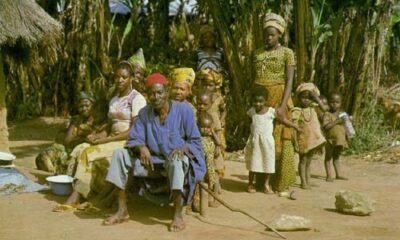
The Awka people are a people from an Igbo-speaking community in present-day Anambra State, southeastern Nigeria, known traditionally as the Oka. The town itself sits in the heart of Igboland, a location that placed it at the crossroads of trade, culture, and craftsmanship for centuries. Today, it serves as the capital of Anambra State, even though its importance long predates modern political boundaries.
In precolonial times, Awka was already widely known across the region. While many Igbo communities were primarily agrarian, it developed a distinct reputation as a centre of specialized crafts and professional services. Its people became especially famous for blacksmithing, though they were also known for carving, traditional medicine, and long-distance trade. This specialization gave Awka a unique place within the wider Igbo world.
Awka people belong to the larger cultural and linguistic family of the Igbo. They share many customs, beliefs, and social institutions with neighbouring communities. Yet, they also maintained a strong local identity. Their community was organized around villages, kindreds, age grades, and title institutions, much like other Igbo communities. What set them apart was the extraordinary prominence of ironworking in their economic and cultural life.
Historical accounts by early European observers, including G. T. Basden, consistently described Awka as the home of highly skilled smiths whose products were sought after throughout southeastern Nigeria. Over time, the name of the town became almost synonymous with blacksmithing. In many places, the phrase “Awka blacksmiths” immediately signalled quality, durability, and expert craftsmanship.
Even the traditional title of its monarch, Eze Uzu, meaning “King of Smiths,” speaks volumes about the town’s heritage. It tells us that blacksmithing was not simply an occupation in Awka. It was a defining feature of the community itself.
To talk about Awka people is to talk about a people that turned craftsmanship into prestige, mobility, and lasting influence across precolonial Igbo society.
The Origins of Blacksmithing in Awka
The exact beginnings of blacksmithing in Awka are difficult to date with complete certainty. However, there is no doubt that the craft is deeply rooted in their history. For generations, Awka people have preserved oral traditions that trace their ironworking heritage to their earliest ancestors. In these traditions, blacksmithing was not a skill learned by chance. It was a treasured inheritance, carefully guarded and passed from one generation to the next.
Like many ancient crafts in Africa, the story of how blacksmithing began in Awka combines history with memory. Some traditions link the Awka people to the broader metallurgical culture of the Igbo region, while others emphasize the ingenuity of local pioneers who perfected the craft over time. What is clear is that Awka emerged as one of the foremost ironworking centres in precolonial Igboland.
Scholars have studied these claims closely. Historian Onwuka N. Njoku, one of the leading authorities on Igbo iron technology, examined suggestions that Awka’s smithing tradition might be connected to the famous ninth-century metalworks of Igbo-Ukwu. While such connections are intriguing, Njoku cautioned that direct archaeological evidence remains limited. That careful approach is important, because good history relies on evidence, not assumptions.
Even without a proven link to Igbo-Ukwu, Awka’s blacksmithing tradition stands firmly on its own. By the nineteenth century, Awka blacksmiths were already renowned across Igboland and neighbouring regions. Their products were widely traded, and their services were in constant demand. European missionaries and colonial observers frequently remarked on their skill and mobility.
Several factors likely contributed to the rise of blacksmithing in Awka. The strategic location of the town along important trade routes allowed access to raw materials and markets. Equally important was the presence of a strong apprenticeship system that ensured the transfer of technical knowledge across generations. Over time, this combination of geography, training, and innovation helped it to build an unmatched reputation.
Blacksmithing became more than an occupation. It became the foundation of Awka’s economy, identity, and influence. The title of the traditional ruler, Eze Uzu, meaning “King of Smiths,” remains a powerful reminder of how central the craft was to the community.
In many parts of Igboland, Awka was not simply a town where blacksmiths lived. It was the town of blacksmiths. That reputation was earned through centuries of skill, discipline, and enterprise.
Blacksmithing in Precolonial Awka Community

In precolonial Awka, blacksmithing was far more than a means of earning a living. It was the foundation of its economy and one of the clearest markers of its identity. While farming remained important, ironworking set the town apart from many other Igbo communities. Across southeastern Nigeria, the town was widely recognized for the skill of Awka blacksmiths and the quality of their products.
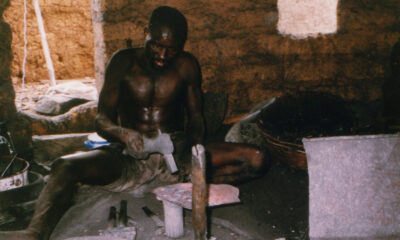
Blacksmithing was usually a family profession, as knowledge was passed from one generation to the next, often from father to son, though extended family members could also be trained. Young boys typically began their apprenticeship early. At first, they observed, ran errands, operated the bellows, and learned how to manage the fire. Over time, they progressed to handling tools, heating iron, and eventually forging simple items under close supervision.
Training required patience and discipline. A master Awka blacksmith did not simply teach techniques. He taught judgment, precision, and professional ethics. Apprentices learned how different metals responded to heat, how to strike with control, and how to produce tools that would withstand years of use. It was a demanding education but one that prepared them for a respected profession.
The forge itself was an important space in Awka society. It was a workplace, a training ground, and a centre of economic activity. The steady rhythm of hammer on anvil was part of daily life. Customers came to commission tools, repair broken implements, or place orders for specialized items. Farmers needed hoes and machetes before planting season. Hunters required spears and traps. Warriors sought weapons, while households depended on knives, gongs, and cooking utensils.
Awka blacksmiths did not work in isolation. Many belonged to professional guilds known as Otu Uzu. These associations regulated standards, protected trade secrets, supervised apprenticeships, and settled disputes among members. The guild system helped to preserve the reputation of Awka blacksmiths across Igboland. It also ensured that quality remained consistent, regardless of where an Awka smith worked.
Blacksmithing also influenced the social structure of Awka. Successful smiths often enjoyed considerable respect and economic security. Their expertise gave them standing within the community, and many held titles or occupied leadership positions. The traditional ruler’s title, Eze Uzu, meaning “King of Smiths,” speaks directly to the importance of the craft in Awka life.
Perhaps most remarkable was the mobility of Awka blacksmiths. They frequently travelled far beyond their hometown, establishing temporary workshops or settling in other communities where their services were needed. This movement helped to spread the reputation of the town throughout Igboland and neighbouring regions.
In every sense, blacksmithing was central to precolonial Awka society. It supported families, connected communities, and gave the town a reputation that endured for centuries. To many across southeastern Nigeria, Awka was simply the home of master smiths.
Tools, Techniques, and Products

The reputation of Awka blacksmiths rested on skill, experience, and a deep understanding of iron. Their workshops were practical spaces built around fire, metal, and precision. Every tool had a purpose, and every stage of production required careful attention.
A typical Awka forge contained essential equipment such as the anvil, hammer, tongs, chisels, punches, and a furnace fuelled by charcoal. Bellows, often made from animal skin, supplied the intense airflow needed to raise the fire to the right temperature. Without that steady stream of air, iron could not be heated enough for effective forging.
The blacksmith began by placing a piece of iron into the furnace until it glowed red or orange. Once heated, the metal was removed with tongs and placed on the anvil. There, it was hammered repeatedly into the desired form. This process demanded strength, timing, and accuracy. A misplaced strike could ruin hours of work.
Awka blacksmiths excelled in forge welding, bending, punching, riveting, and sharpening. They knew when to reheat the iron, when to cool it, and how to harden the finished product for durability. Experience mattered. The best smiths could judge temperature simply by observing the colour of the heated metal.
Their product range was extensive. Agriculture depended heavily on their work. Farmers purchased hoes, machetes, cutlasses, sickles, and digging tools. These implements were indispensable in a region where farming was the backbone of daily life.
Hunters and warriors relied on Awka blacksmiths as well. Spears, arrowheads, knives, traps, and, in later centuries, gun parts were among the items produced. Security and survival often depended on the quality of these weapons.
Households also made constant use of Awka products. Kitchen knives, cooking tripods, gongs, chains, locks, and metal fittings were common. Many homes across Igboland contained at least one item forged by an Awka smith.
Beyond practical goods, Awka blacksmiths created ceremonial and ritual objects. Staffs of office, title insignia, sacred implements, and decorative pieces were commissioned for religious leaders, titled men, and community institutions. These items carried cultural and spiritual significance.
One reason Awka blacksmiths became so highly regarded was consistency. Their tools were known for their durability and fine finish. Buyers trusted that an Awka-made hoe would last through many planting seasons. A knife from Awka would hold its edge. That reputation travelled far beyond the town itself.
As imported metals became more available in the nineteenth century, Awka blacksmiths adapted quickly. They incorporated scrap iron and European steel into their work while maintaining traditional forging methods. This flexibility helped them to remain competitive in changing economic conditions.
The products of Awka blacksmiths touched nearly every aspect of life in precolonial Igbo society. Their tools cleared farmland, prepared food, supported trade, defended communities, and served ceremonial purposes. In many ways, the everyday functioning of society depended on their craftsmanship.
Economic Importance of Awka Blacksmiths Across Igboland
In precolonial Igbo society, the work of Awka blacksmiths carried strong economic weight. Their influence was not limited to Awka alone. It spread across towns, villages, and trading networks throughout Igboland and beyond. Wherever farming, hunting, or local trade existed, there was demand for iron tools, and Awka blacksmiths became one of the most trusted sources.
Agriculture was the backbone of the economy in precolonial Igboland. Communities depended heavily on farming, and farming depended on tools. Hoes, machetes, and digging instruments were not optional items. They were essential for survival. Awka blacksmiths supplied many of these tools, which meant that their work directly supported food production and seasonal farming cycles.
Their economic role extended into trade. Awka blacksmiths often travelled long distances to sell their products or offer services. Some worked temporarily in other communities by setting up small forges where demand was high. Others maintained long-term trade relationships with specific markets. This mobility created a wide commercial network that connected Awka to different parts of southeastern Nigeria.
Markets played a key role in this system. In Igboland, market days rotated across communities in such a way that created regular opportunities for exchange. Awka blacksmiths participated actively in these markets by selling tools and repairing broken items. Their presence was often expected, especially in regions where farming activity was intense.
The demand for Awka products also encouraged specialization. Instead of producing everything for themselves, many communities relied on Awka smiths for high-quality iron goods. This dependence strengthened the position of the town within the regional economy and made their craft highly valuable.
In addition, Awka blacksmiths contributed to local economies through service-based work. They repaired tools, reshaped worn-out implements, and modified items based on customer needs. This repair culture extended the lifespan of tools and reduced waste, thereby making their services even more important.
Their economic influence was also tied to reputation. In many parts of Igboland, the phrase “Awka-made” became associated with quality. Buyers were willing to travel or pay more to obtain their products because they trusted the standard of workmanship. This trust helped to sustain demand across generations.
Some Awka blacksmiths accumulated wealth through their craft, especially those who combined production with trade. Wealth was often reinvested into apprenticeships, extended family support, and further travel for business. This created a cycle of skill development and economic stability within smithing families.
Over time, Awka blacksmiths became more than producers. They became economic connectors. Their tools supported agriculture, their trade linked communities, and their services helped to maintain daily life across Igboland. In a practical sense, they were part of the economic infrastructure of precolonial society.
Social Status and Cultural Prestige
In precolonial Awka society, blacksmithing carried a level of respect that went beyond ordinary craftsmanship. It was a skilled profession, and in many Igbo communities, skill was closely tied to social standing. Awka blacksmiths were not only valued for what they produced, but also for the knowledge, discipline, and responsibility their work required.
A master smith was often regarded as someone with authority in his own right. The forge demanded patience, focus, and experience, and those who succeeded in the craft gained recognition within their families and wider community. In many cases, successful Awka blacksmiths enjoyed economic independence which naturally translated into social influence.
Within Awka, blacksmithing families often held a distinct position. Their work connected them to traders, farmers, hunters, and visiting clients from other regions. This constant interaction expanded their social reach far beyond their immediate villages. As such, Awka blacksmiths became familiar figures not only at home but also in distant communities where their services were needed.
Respect for the craft was also expressed through titles and leadership roles. The traditional ruler of Awka carries the title Eze Uzu, meaning “King of Smiths.” This title is not symbolic alone. It points to a historical reality in which blacksmithing was central to Awka identity and social organization. It shows that leadership and craftsmanship were closely linked in the town’s cultural structure.
In the broader Igbo society, craftsmanship was often admired. But then, Awka blacksmiths stood out because of their consistency and mobility. They were known to travel widely, setting up workshops in different communities. Wherever they went, they brought their reputation with them. Over time, the phrase “Awka blacksmith” became a form of endorsement that signalled trust and quality.
The cultural prestige of Awka blacksmiths was also tied to the importance of iron in everyday life. Iron tools were essential for farming, hunting, building, and defense. Because Awka blacksmiths supplied many of these tools, they were indirectly connected to nearly every aspect of community life. This practical importance contributed to the respect they received.
In addition, blacksmithing knowledge was considered specialized. It was not easily acquired and required years of training. Apprenticeship systems ensured that skills were carefully passed down, and this controlled transfer of knowledge added to the profession’s prestige. Not everyone could become a smith, and this exclusivity increased its social value.
While Awka community was not rigidly hierarchical in the way of some centralized kingdoms, status was still influenced by occupation, achievement, and reputation. In this context, Awka blacksmiths occupied an important position. They were respected, well-connected, and often economically stable.
Their standing in society was not based on force or political power, rather on usefulness, skill, and trust. In a world where survival depended on tools, those who made the tools naturally held a respected place in the social order.
Spiritual and Religious Dimensions
In precolonial Awka society, blacksmithing was not viewed as a purely technical occupation. It was closely tied to spiritual belief and traditional religion, as was common in many parts of Igboland. The work of Awka blacksmiths involved fire, transformation, and heat, elements that were often understood in both physical and spiritual terms.
The forge was more than a workplace. It was a controlled space where raw metal was turned into useful objects through heat and force. In traditional belief systems, this process of transformation carried deeper meaning. Iron was not just material. It was seen as something powerful, capable of protection, authority, and influence in daily life.
Because of this, Awka blacksmiths operated within a framework of rituals and taboos. Certain actions were avoided in the forge, and specific practices were followed to ensure safety and success. These customs were not random. They were part of a wider worldview that connected craftsmanship with spiritual order.
Before major work began, some smiths observed rituals or offered prayers according to local customs. These practices were meant to seek favour and stability in their work. Fire, in particular, was treated with respect because of its unpredictable nature and its central role in ironworking.
Iron itself carried symbolic importance in Igbo culture. It was associated with strength, protection, and authority. Objects made of iron such as tools and weapons were often believed to hold more than practical value. They were connected to ideas of security and control over the environment.
Scholarly studies of Igbo metallurgy note that blacksmithing was often linked to religious understanding of the world. The act of forging iron was seen as a form of transformation that mirrored broader ideas about change, creation, and balance in nature. As such, Awka blacksmiths were not only craftsmen, they were also custodians of specialized knowledge that carried cultural and spiritual weight.
Some traditions also associate blacksmithing with ancestral guidance. Skills were believed to be inherited not only physically but also spiritually through lineage. This reinforced the idea that mastery of ironworking required more than training alone.
The respect given to Awka blacksmiths was, therefore, shaped by both practical and spiritual considerations. Their ability to control fire and form iron placed them in a unique position within society. They worked with materials that were essential to daily life, yet also surrounded by cultural meaning.
In this sense, blacksmithing in Awka cannot be fully understood without recognizing its spiritual dimension. It was a profession grounded in skill but also embedded in belief systems that gave deeper meaning to the act of creation itself.
Awka Blacksmiths Guild System
One of the key reasons Awka blacksmiths maintained their reputation across precolonial Igboland was the strength of their internal organization. Blacksmithing in Awka was not an unregulated craft practiced individually without structure. It was supported by a well-defined guild system that helped to preserve standards, manage training, and protect professional knowledge.
These guilds were commonly referred to as Otu Uzu, meaning associations of smiths. Membership was not casual. It was based on lineage, apprenticeship, and acceptance by established masters within the profession. This structure helped to ensure that only properly trained individuals practiced as full blacksmiths. That protected the integrity of Awka’s reputation.
Apprenticeship was the foundation of the guild system. Young trainees learned under experienced smiths for several years. During this period, they were introduced step by step to the craft. They began with basic tasks such as preparing charcoal, operating bellows, and assisting in the workshop. Over time, they progressed to more technical work like heating metal, shaping tools, and finishing products under supervision.
The guild system also functioned as a form of quality control. Because Awka blacksmiths worked across many communities, consistency was important. The guild helped to maintain uniform standards so that tools produced by different smiths still met expectations of durability and usefulness. This consistency strengthened trust in Awka products throughout Igboland.
Another important role of the guild was knowledge protection. Blacksmithing techniques were considered specialized skills that required careful transmission. The guild system helped to regulate how knowledge was shared, ensuring that training followed established methods rather than random experimentation. This contributed to the long-term stability of the craft.
Disputes among smiths were also handled within the guild structure. Conflicts over apprenticeship, trade, or workshop conduct were resolved internally through senior members. This reduced external interference and helped to maintain unity within the profession.
The Otu Uzu system also supported mobility. Awka blacksmiths were known for travelling to other communities for work. When they did, the guild system provided a sense of identity and recognition. Being part of an established group made it easier to gain trust in new locations and secure contracts or commissions.
In addition, the guild reinforced social responsibility. Members were expected to uphold the reputation of Awka blacksmiths wherever they worked. Poor workmanship or misconduct by one individual could affect how the entire group was perceived. So, discipline was taken seriously.
Over time, this system became one of the reasons Awka blacksmiths stood out from other ironworking groups in the region. It combined training, regulation, and professional identity in a way that supported both individual success and collective reputation.
In practical terms, the guild system helped to transform blacksmithing in Awka from a household skill into a structured profession. It ensured continuity across generations and helped to keep the high level of respect associated with Awka blacksmiths in precolonial Igbo society.
Awka Blacksmiths Beyond Awka
The influence of Awka blacksmiths was not confined to their hometown. One of the most distinctive features of their history in precolonial Igbo society was their movement across regions. They were widely known as travelling craftsmen who carried their skills far beyond Awka, reaching many parts of southeastern Nigeria and neighbouring areas.
This mobility was not accidental. It was built into the structure of the profession. Once trained, many Awka smiths left their home communities to seek work in places where demand for iron tools was high. Farming communities, trade centres, and expanding settlements all needed reliable access to tools and repairs. Awka blacksmiths filled that gap.
In many cases, they did not simply visit briefly. They stayed for extended periods, setting up temporary forges in host communities. Some eventually settled permanently, integrating into local societies while still maintaining their identity as Awka smiths. This movement helped to spread their reputation widely and created long-standing trade relationships across regions.
Their presence was especially valued in areas where iron tools were essential for agriculture and hunting. Communities often depended on Awka smiths for hoes, machetes, knives, spears, and repair services. Because these tools were central to survival, the arrival of a skilled smith was a significant event in many villages.
Awka blacksmiths also benefited from strong networks of trust. Reputation travelled quickly through Igbo market systems where goods and information moved regularly between communities. A smith known for quality work in one town could easily find demand in another. Over time, this created a wide network of recognition that extended far beyond Awka itself.
Early ethnographic accounts describe Awka smiths as widely dispersed across Igboland, often dominating ironworking in many areas. Their presence was noted not only in rural communities but also in larger trade centres where competition for skilled labour was higher.
This expansion also encouraged cultural exchange. As Awka blacksmiths moved, they shared techniques, influenced local practices, and adapted to new environments. In return, they learned from the materials and demands of different regions. This exchange helped to refine their craft over time.
Despite their mobility, Awka smiths maintained strong ties to their homeland. The guild system and family networks ensured that identity and tradition were preserved, even while working far from home. Many returned home periodically, bringing earnings, knowledge, and experience back to their communities.
Their movement across regions played a major role in establishing the reputation of the town as a centre of ironworking excellence. In many parts of Igboland, the phrase “Awka blacksmith” became associated not only with skill but also with reliability and long-distance craftsmanship.
Through travel, trade, and settlement, Awka blacksmiths extended their influence far beyond their geographic origins. Their work connected communities, supported local economies, and carried the reputation of the town across a wide cultural landscape in precolonial West Africa.
Colonialism and the Decline of Traditional Blacksmithing

The arrival of colonial rule in southeastern Nigeria brought major changes to local economies, and Awka blacksmiths were deeply affected. Before colonial contact expanded, blacksmithing in Awka had already developed into a strong and widely respected profession across Igboland. However, the colonial period introduced new materials, new trade systems, and new technologies that gradually disrupted traditional ironworking industries.
One of the most significant changes was the introduction of imported metal goods. European manufactured tools such as hoes, cutlasses, knives, and nails began to enter local markets in large quantities. These items were often produced in factories which allowed them to be made faster and in bulk. As a result, they were sometimes cheaper than locally forged tools, even if the quality was not always superior.
This shift affected demand for Awka blacksmith products. While many communities still valued local craftsmanship, imported goods gradually became more common, especially in areas closer to colonial trading centres. Over time, this reduced the volume of orders that traditional smiths received.
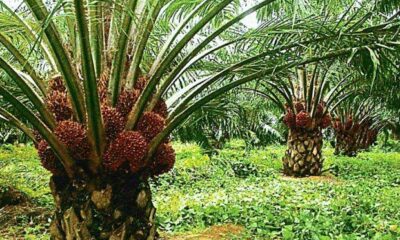
Colonial economic policies also contributed to structural changes. The emphasis on cash crops such as palm oil and cocoa altered farming systems and market priorities. As trade patterns shifted, some traditional crafts, including ironworking became less central to the formal colonial economy.
Another important factor was the decline of indigenous iron smelting in many parts of West Africa during the nineteenth century. Studies on Igbo metallurgy show that local smelting traditions had already been weakening before full colonial control, due in part to changing resource availability and competition from imported iron. Awka blacksmiths adapted by increasingly working with imported scrap metal rather than locally smelted iron.
Despite these challenges, Awka blacksmiths did not disappear. Many adapted their work to new conditions. Instead of producing large quantities of traditional farming tools, some focused more on repair work, customization, and smaller-scale metal products. Others continued serving rural communities where demand for locally made tools remained strong.
The resilience of Awka smiths is important to note. Even as imported goods became widespread, many communities still trusted local craftsmanship for certain needs. In some cases, Awka-made tools were preferred for durability or for specific cultural uses that imported items could not replace.
However, over time, the economic centre of gravity shifted. Factory production, colonial trade systems, and modern industrial goods gradually reduced the dominance of traditional blacksmithing. What had once been a major regional industry became more localized and specialized.
Historical accounts also suggest that colonial observers often misunderstood or undervalued indigenous technologies. This contributed to a wider pattern in which local crafts were seen as outdated, even when they remained functional and culturally important.
By the mid-twentieth century, blacksmithing in Awka had changed significantly from its earlier precolonial scale. It survived, but in reduced form, often relying on adaptation rather than large-scale production.
Even so, the legacy of Awka blacksmiths remained intact. Their historical role in shaping agriculture, trade, and daily life across Igboland ensured that their contribution could not be erased by economic change alone.
The Legacy of Awka Blacksmithing Today
Although the scale of traditional ironworking in Awka has reduced compared to its precolonial peak, its legacy remains deeply rooted in the identity of the town and in wider Igbo history. Awka is still widely remembered as a historic centre of blacksmithing, and this reputation continues to influence how the town is perceived within and beyond southeastern Nigeria.
In present times, blacksmithing in Awka exists in a more localized and adapted form. Small workshops still operate, producing and repairing metal tools such as cutlasses, hoes, knives, gates, and agricultural implements. While industrial manufacturing has replaced many traditional functions, local blacksmiths continue to serve rural and semi-urban communities where handmade or repair-based metalwork is still needed.
What has endured most strongly is the cultural memory of Awka blacksmiths. The town’s identity is still closely linked with ironworking. The traditional title of the ruler, Eze Uzu remains one of the clearest symbols of this heritage. It serves as a reminder that blacksmithing was once central to Awka’s social structure, economy, and prestige.
There have also been growing efforts to preserve and document this heritage. Researchers, historians, and cultural organizations have studied Awka’s ironworking traditions as part of Nigeria’s broader indigenous technological history. These studies highlight the importance of Awka blacksmiths in precolonial trade networks, agricultural development, and craft specialization across Igboland.
In addition, oral histories continue to play an important role in keeping the story alive. Elderly craftsmen and community leaders still recount how Awka blacksmiths once travelled widely, set up forges in distant towns, and supplied tools that supported everyday life across regions. These accounts help to bridge the gap between historical documentation and lived experience.
Modern artisans in Awka often combine traditional knowledge with newer methods and materials. Scrap metal, industrial steel, and modern tools have replaced some older techniques. However, the foundational skills of heating, shaping, and forging iron remain part of their practice. This continuity shows how the craft has adapted rather than disappeared completely.
Culturally, Awka’s blacksmithing heritage continues to inspire pride. It is frequently referenced in discussions about Igbo innovation, indigenous technology, and precolonial economic systems. For many people, it stands as evidence of a long-standing tradition of technical skill and problem-solving within African societies.
Today, Awka blacksmithing is no longer the large-scale regional industry it once was. However, its influence persists in identity, memory, and surviving craft practices. The legacy is carried not only in surviving workshops but also in history books, oral traditions, and cultural consciousness.
Essentially, Awka blacksmiths remain present in a different form. Their work may no longer dominate regional economies but their contribution continues to hold an important place in the story of Igbo civilization and indigenous African technology.
Conclusion …
The story of Awka blacksmiths is basically a story of everyday usefulness that grew into lasting historical significance. In precolonial Igbo society, their work was not distant from daily life. It was part of it. From farming tools that influenced harvests to weapons that supported security, their ironwork quietly supported how communities lived, worked, and traded.
Across generations, Awka blacksmiths built more than tools. They built trust. Their reputation spread through markets, trade routes, and long-standing relationships across Igboland. That trust was earned through consistency, skill, and a system of apprenticeship and guild organization that preserved standards over time.
Their influence also went beyond economics. Blacksmithing in Awka carried social recognition and cultural meaning. It shaped identity, supported mobility, and earned the town a distinct place in Igbo history. Even when colonial changes reduced the scale of traditional ironworking, the legacy did not disappear. It shifted, adapted, and remained visible in memory, language, and surviving craft practices.
Today, Awka blacksmiths remain an important reference point in discussions about indigenous technology in Africa. Their history reminds us that innovation existed long before industrial factories, and that local knowledge systems played a real role in building and sustaining societies.
References
- Wikipedia contributors. (n.d.). Awka. In Wikipedia. https://en.wikipedia.org/wiki/Awka
- Basden, G. T. (1921). Among the Ibos of Nigeria. Seeley, Service & Co. https://archive.org/details/among-ibos-of-nigeria
- Boston, J. S. (1960). The Igala Kingdom. Oxford University Press. https://archive.org/details/igala-kingdom-boston
- Brill. (n.d.). Iron technology and religious dimensions in Igboland. Journal of Religion in Africa, 21(3), 194–215. https://brill.com/view/journals/jra/21/3/article-p194_2.xml
- Njoku, O. N. (1988). Awka and early iron technology in Igboland: Myths, probabilities and reality. Smithsonian Institution. https://www.si.edu/object/siris_sil_595968
- ResearchGate. (2016). The blight of African indigenous technology in the 21st century: The way forward. https://www.researchgate.net/publication/309855245_The_Blight_of_African_Indigenous_Technology_in_the_21st_Century_The_Way_Forward
- Vanguard Nigeria. (2019, February). How Awka lost its fame as blacksmith city. https://www.vanguardngr.com/2019/02/how-awka-lost-its-fame-as-blacksmith-city/
- Odogwu Blog. (n.d.). Awka battling to reinvent age-long vanishing blacksmithing vocation. https://www.odogwublog.com/awka-battling-to-reinvent-age-long-vanishing-blacksmithing-vocation/
You might want to check this out …