

Igbo culture
15 Powerful Medicinal Plants in Igboland and Their Traditional Healing Uses

Medicinal plants in Igboland have long been part of traditional healing, family care, and everyday life among the Igbo people. Discover 15 powerful herbs, leaves, roots, and trees traditionally used across southeastern Nigeria.

Before the pharmacies, capsules, and hospital waiting rooms became part of everyday life, many Igbo families already knew where healing could be found. Sometimes, it grew beside the kitchen. Sometimes, it climbed quietly around backyard fences. Other times, it came from deep forest paths known only to elders, herbalists, and mothers who understood the language of leaves, roots, bark, and seeds.
Medicinal plants in Igboland have long been woven into daily living. They were not seen as rare or mysterious. They were part of ordinary life. Bitter leaf was squeezed for stomach troubles. Scent leaf simmered in pots during cold nights. Uda flavoured postpartum pepper soup for new mothers. Neem leaves soaked in buckets during fever seasons. In many homes, healing and cooking often happened in the same space.
What makes traditional Igbo herbal knowledge fascinating is not only the plants themselves but the stories and practices attached to them. Much of this wisdom survived through memory, observation, and experience passed from one generation to another. Grandmothers taught daughters. Herbalists trained apprentices. Families held on to remedies that had served them for decades.
Even today, many medicinal plants in Igboland remain deeply respected, despite the rise of modern medicine. Some are still used in soups, herbal teas, and home remedies across Igbo communities. Others continue to carry spiritual, cultural, and historical importance.
This article explores 15 powerful medicinal plants traditionally used in Igboland, their cultural significance, and the healing roles they have played in the lives of the Igbo people for generations.
Medicinal Plants in Igboland and Traditional Healing Practices
The knowledge of medicinal plants in Igboland was usually passed down through observation, storytelling, family tradition, and the guidance of elders and traditional healers. Some plants were used in soups and herbal teas, while others were prepared for childbirth recovery, digestion support, body cleansing, and general care during illness.
Even today, many medicinal plants in Igboland remain part of daily life across southeastern Nigeria, where traditional herbal knowledge continues to exist alongside modern healthcare practices.
Below are some of the most respected medicinal plants traditionally used in Igbo communities and their healing uses.
1. Bitter Leaf (Onugbu)
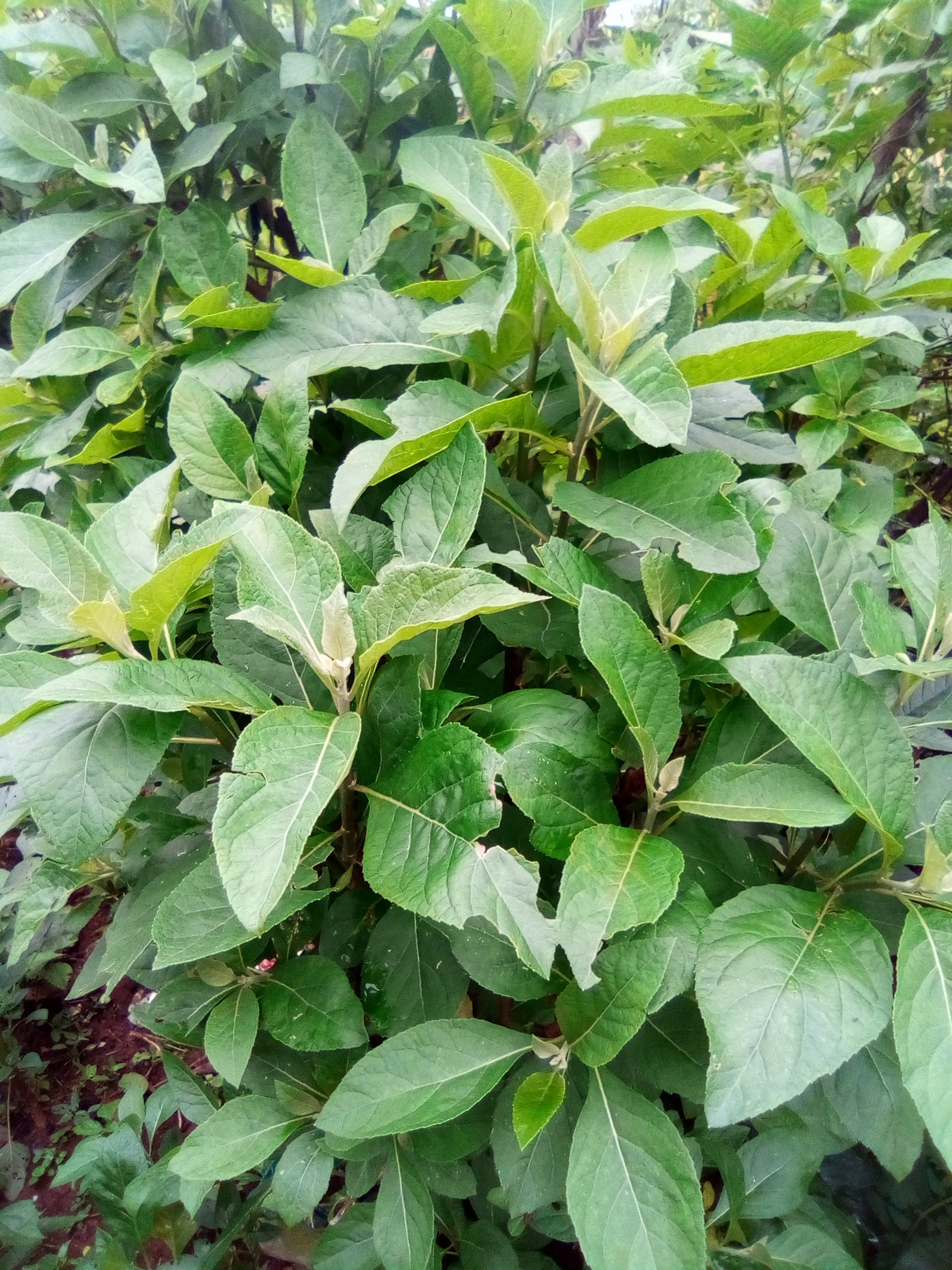
Among the most respected medicinal plants in Igboland is bitter leaf, known as Onugbu in Igbo. The plant has long been part of traditional healing and everyday cooking across southeastern Nigeria.
In many Igbo homes, bitter leaf was traditionally used for stomach discomfort, loss of appetite, fever-related illnesses, and general body cleansing. Fresh leaves were sometimes squeezed in water and taken as a bitter herbal tonic.
Beyond its healing uses, Onugbu is also one of the most important vegetables in Igbo cuisine. Bitter leaf soup remains a beloved traditional meal in many communities.
Like many medicinal plants in Igboland, bitter leaf exists naturally between food and wellness, making it an important part of Igbo cultural life.
Scientific name: Vernonia amygdalina
Traditional uses: Stomach support, appetite support, fever-related conditions, and body cleansing.
2. Scent Leaf (Nchuanwu)
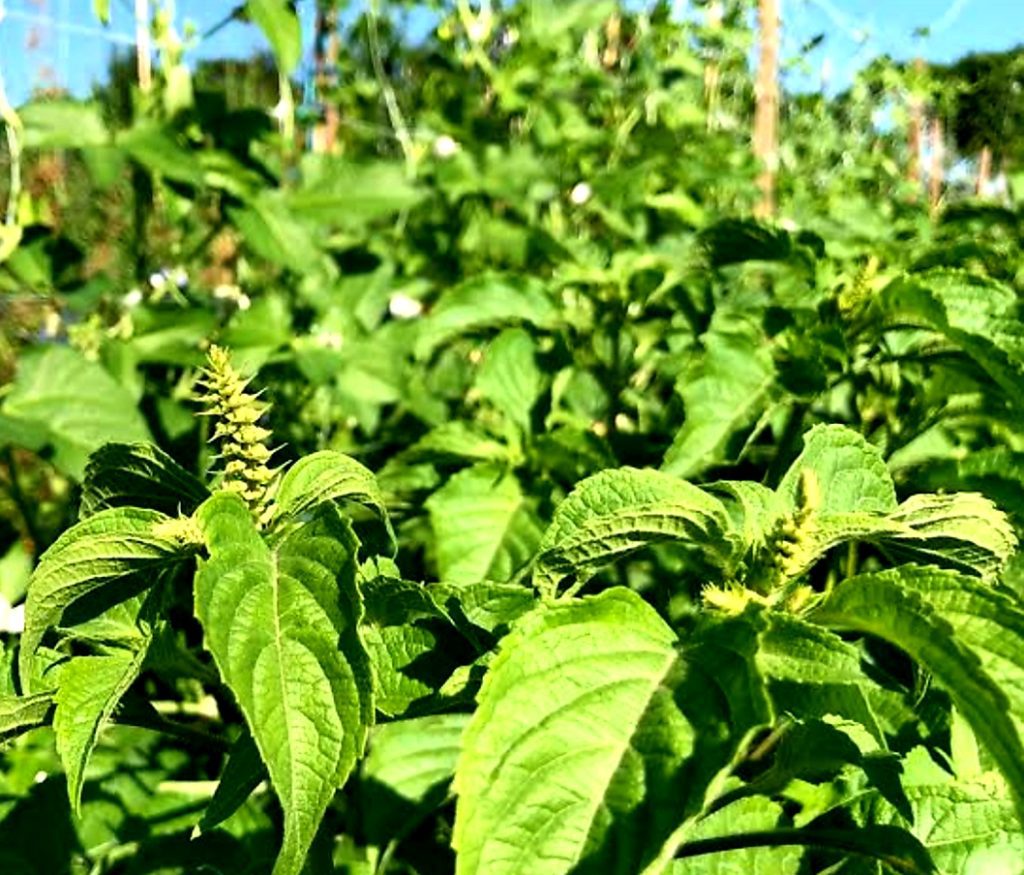
Scent leaf, known as Nchuanwu in Igbo is one of the most common medicinal plants in Igboland. It is easily recognized by its strong aroma and fresh taste. Traditionally, many Igbo families used scent leaf for cough, cold, stomach upset, and fever-related illnesses. The leaves were often boiled into herbal tea or added to pepper soup during sickness and recovery.
Nchuanwu is also deeply connected to everyday cooking in southeastern Nigeria. Its rich scent and flavour make it a popular ingredient in soups and local dishes.
Like many medicinal plants in Igboland, scent leaf is valued both as food and as a traditional home remedy.
Scientific name: Ocimum gratissimum
Traditional uses: Cough relief, stomach support, fever-related conditions, and herbal cleansing.
3. Utazi (Gongronema latifolium)
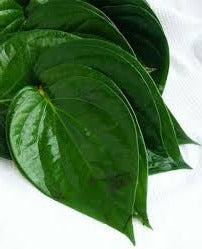
Utazi is one of the well-known medicinal plants in Igboland easily recognized by its slightly bitter taste and wide use in traditional cooking.
In many Igbo homes, Utazi has long been used to support digestion and improve appetite, especially after illness or childbirth. It is often added to soups and pepper soup as both a flavouring and a traditional wellness ingredient.
Beyond food, Utazi is valued for its role in everyday herbal practices across southeastern Nigeria. Its bitterness is often linked with cleansing and body balance in traditional belief.
Like many medicinal plants in Igboland, Utazi sits between nourishment and home-based healing, making it a familiar part of daily life.
Scientific name: Gongronema latifolium
Traditional uses: Digestive support, appetite stimulation, postpartum recovery support, and general wellness.
4. Uziza Leaf and Seed

Uziza is one of the familiar medicinal plants in Igboland used both as a spice and as a traditional herbal ingredient. It is known for its sharp, peppery taste and strong aroma.
In many Igbo homes, Uziza leaves and seeds are traditionally added to soups, especially pepper soup. It is often used in postpartum meals where it is believed to support recovery and help to warm the body after childbirth.
Uziza is also used in everyday cooking for flavour. However, its value goes beyond taste. In traditional practice, it is associated with body strength and comfort during cold weather or weakness.
Like many medicinal plants in Igboland, Uziza sits naturally between food and healing in daily life.
Scientific name: Piper guineense
Traditional uses: Postpartum recovery support, digestion support, body warmth, and seasoning in traditional soups.
5. Oha Leaf (Ora)
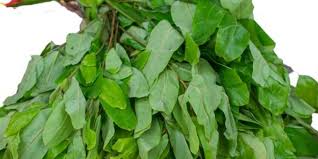
Oha leaf, also known as Ora in some parts of Igboland is one of the familiar medicinal plants in Igboland widely used both as food and in traditional wellness practices.
In many Igbo homes, Oha soup is prepared as a nourishing meal, especially for people recovering from illness or needing strength. The leaf is valued for being soft, easy to digest, and rich in traditional nourishment.
Beyond its role in cooking, Oha leaf is often associated with body strength and recovery in everyday Igbo food culture. It is commonly included in meals served during family gatherings and special occasions.
Like many medicinal plants in Igboland, Oha leaf exists at the intersection of nourishment, care, and cultural identity.
Scientific name: Pterocarpus mildbraedii
Traditional uses: Nutritional support, recovery meals, digestion support, and general wellness through traditional diet.
6. Nturukpa

Nturukpa is one of the medicinal plants in Igboland closely associated with traditional cooking and indigenous herbal knowledge. In many communities, it is regarded as a variety closely related to Oha leaf, often identified within the same plant family but with a slightly different taste and usage.
Traditionally, Nturukpa is used in soups much like Oha, especially in rural Igbo households where seasonal leaves are valued for nourishment. Some elders also associate it with strength and recovery after illness, based on long-standing cultural experience.
Knowledge of Nturukpa is largely passed through oral tradition where identification is learned by taste, appearance, and seasonal growth rather than written records.
Like many medicinal plants in Igboland, Nturukpa exists at the boundary between food and traditional wellness, showing how everyday meals often carry cultural meaning beyond nutrition.
Scientific name (commonly associated group): Pterocarpus santalinoides (related classification varies by region)
Traditional uses: Nutritional support, recovery meals, and traditional soup preparation.
7. Neem Tree (Dongoyaro)

Neem, commonly called Dongoyaro in Igboland and many parts of Nigeria is one of the widely recognized medicinal plants in Igboland today, even though it is not originally native to the region.
Traditionally, the leaves are boiled and used for bathing or washing during fever, skin irritation, or general body discomfort. Some households also use neem water for simple cleansing purposes around the home.
Its strong bitter taste and distinct smell made it known as a “cleansing” plant in local herbal practice. Over time, it became one of the most commonly used household herbal remedies across southeastern Nigeria.
Like many medicinal plants in Igboland, neem is valued for its everyday accessibility and its role in basic home-based care.
Scientific name: Azadirachta indica
Traditional uses: Fever care support, skin cleansing, body wash preparations, and general herbal hygiene practices.
8. Lemon Grass
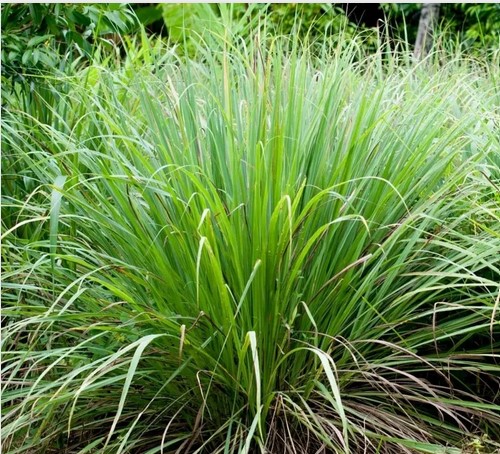
Lemon grass is one of the familiar medicinal plants in Igboland valued for its fresh scent and calming effect in traditional herbal practice.
In many Igbo homes, it is commonly boiled into tea and taken for relaxation, fever-related discomfort, or general body refreshment. It is especially used during cold seasons or after long, tiring days.
Lemon grass is also often combined with other herbs like ginger or scent leaf in simple home remedies.
Like many medicinal plants in Igboland, lemon grass is part of household care where healing is simple, natural, and closely tied to daily living.
Scientific name: Cymbopogon citratus
Traditional uses: Relaxation support, fever-related comfort, herbal tea preparation, and general body refreshment.
9. Alligator Pepper (Ose Oji)
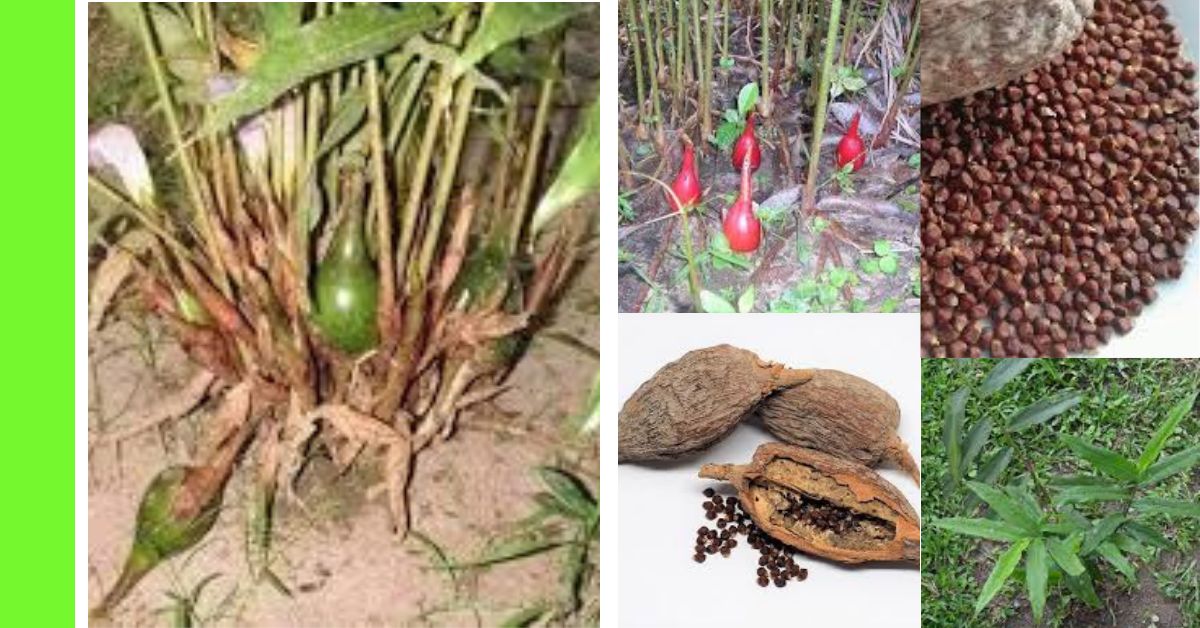
Alligator pepper known as Ose Oji in Igbo is one of the most culturally significant medicinal plants in Igboland. It is easily recognized by its sharp taste and strong aroma. Traditionally, it is used in small amounts for digestion support, warmth, and general alertness. Some people also chew it during ceremonies or important gatherings as part of cultural practice.
Beyond its medicinal use, Ose Oji holds deep cultural meaning in Igbo society. It is often presented alongside kola nut during visits, prayers, and traditional events as a symbol of respect and hospitality.
Like many medicinal plants in Igboland, alligator pepper sits between healing and cultural identity. It carries both practical and symbolic importance.
Scientific name: Aframomum melegueta
Traditional uses: Digestion support, body warmth, alertness, and cultural and ceremonial purposes.
10. Uda Seeds (Negro Pepper)

Uda which is also known as negro pepper is one of the well-known medicinal plants in Igboland, especially valued in traditional cooking and postpartum care.
In many Igbo homes, uda is commonly used in pepper soup prepared for women after childbirth. It is traditionally believed to support recovery and help warm the body during the postpartum period. The spice is also widely used in everyday soups for its strong aroma and distinctive taste. Its presence in food is often associated with comfort and nourishment.
Like many medicinal plants in Igboland, uda connects food and healing in a simple, familiar way that is deeply rooted in home traditions.
Scientific name: Xylopia aethiopica
Traditional uses: Postpartum recovery support, body warmth, digestive comfort, and seasoning in traditional soups.
11. Pawpaw Leaf

Pawpaw leaf is one of the commonly used medicinal plants in Igboland found in many homes where pawpaw trees grow easily around compounds and gardens.
Traditionally, the leaves are boiled and used for fever-related discomfort and general body weakness. Some households also prepare it as a bitter herbal drink for digestive support.
Because the tree is widely available, pawpaw leaf became one of the most accessible home remedies in many Igbo communities. It is often used when quick, simple herbal care is needed at home.
Like many medicinal plants in Igboland, pawpaw leaf is part of everyday household healing practices passed down through experience and family tradition.
Scientific name: Carica papaya
Traditional uses: Fever support, digestive comfort, body cleansing, and general home herbal care.
12. Aloe Vera
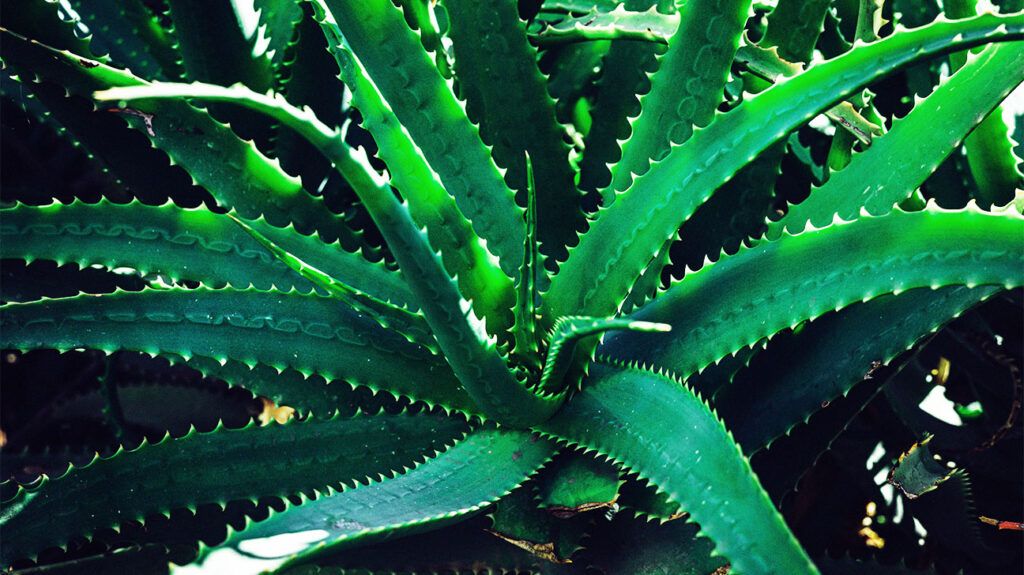
Aloe vera is one of the widely used medicinal plants in Igboland, especially in modern Igbo households where traditional knowledge meets everyday home care.
The gel inside the plant is commonly applied to burns, minor wounds, and skin irritation. Some families also use it in simple homemade skin and hair treatments.
Aloe vera became popular because it is easy to grow and does not require special care. That makes it available in many compounds and gardens.
Like many medicinal plants in Igboland, aloe vera is valued for simple, practical healing that fits easily into daily life.
Scientific name: Aloe barbadensis miller
Traditional uses: Skin care, burn relief, minor wound care, and basic home herbal treatment.
13. Ogirisi Tree (Newbouldia laevis)

Ogirisi is one of the most respected medicinal plants in Igboland often seen growing around compounds, shrines, and village spaces where it carries both cultural and traditional significance.
In many Igbo communities, parts of the Ogirisi tree are used in herbal preparations and cleansing practices. It is also commonly planted near homesteads where it is believed to offer protection and mark important cultural spaces.
Beyond its medicinal use, Ogirisi holds strong symbolic value in Igbo tradition. It is often associated with ancestry, spiritual awareness, and community identity.
Like many medicinal plants in Igboland, Ogirisi is not only about physical wellness, it is also about cultural meaning passed through generations.
Scientific name: Newbouldia laevis
Traditional uses: Herbal cleansing, traditional remedies, and cultural or spiritual significance in Igbo communities.
14. Aidan Fruit (Yokiri Yokiri)
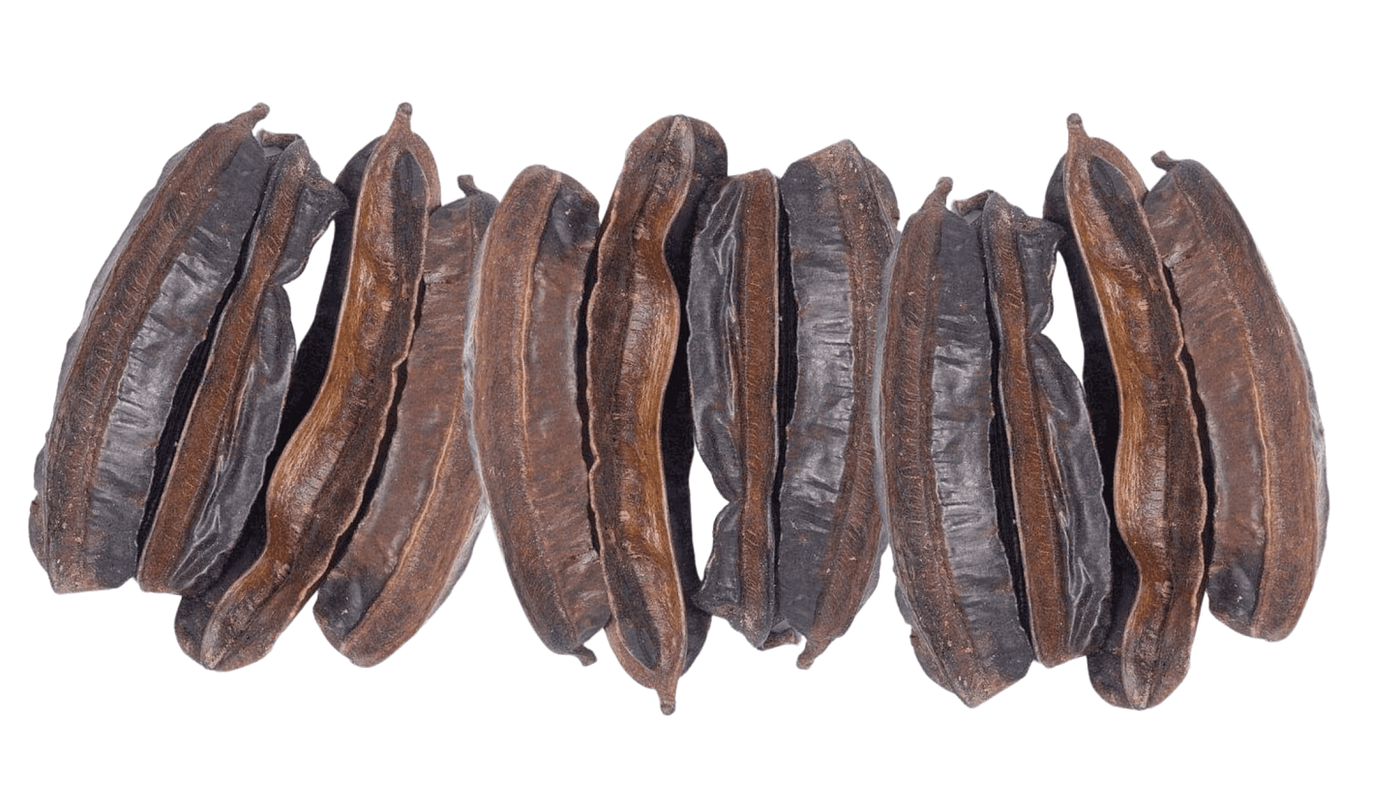
Ukpo is one of the traditional medicinal plants in Igboland commonly associated with postpartum care and herbal wellness practices. The long brown pod is well known in many southeastern Nigerian homes, especially among the older generations.
Traditionally, aidan fruit is added to pepper soup and herbal mixtures prepared for women after childbirth. In many communities, it is believed to support recovery, warmth, and body strength during the postpartum period.
Its strong aroma and distinctive taste make it a familiar ingredient in traditional cooking and home remedies. Some families also combine it with uda and uziza in herbal soup preparations.
Like many medicinal plants in Igboland, it exists between food and healing where traditional cooking often carries wellness value.
Scientific name: Tetrapleura tetraptera
Traditional uses: Postpartum recovery support, body warmth, traditional soup preparation, and herbal wellness practices.
15. Bitter Kola
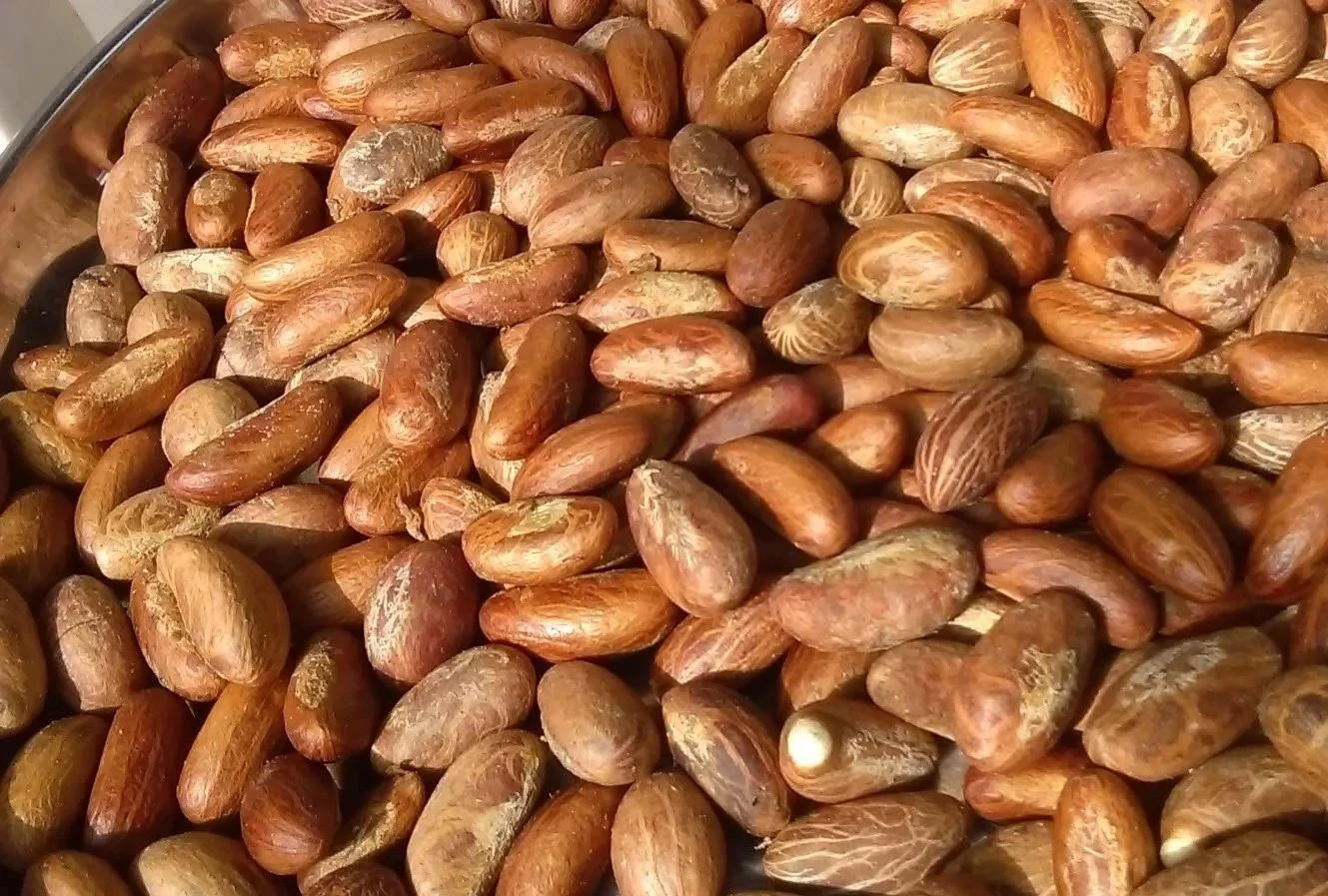
Bitter kola is one of the well-known medicinal plants in Igboland widely valued across many Nigerian communities for both cultural and traditional wellness uses.
In Igbo tradition, bitter kola is often chewed in small amounts for alertness, body warmth, and general strength. It is commonly shared among elders during visits, discussions, and social gatherings.
The bitter taste of the seed is strongly linked to traditional beliefs about cleansing and endurance. Because of this, it has long been respected as more than just a snack or seed.
Like many medicinal plants in Igboland, bitter kola carries both everyday and cultural importance that connects wellness with social life.
Scientific name: Garcinia kola
Traditional uses: Alertness, body warmth, digestive support, and cultural hospitality practices.
The Role of These Medicinal Plants in Healing and Wellness in Igboland
Medicinal plants in Igboland have long played an important role in everyday healing and wellness among the Igbo people. For generations, many families relied on herbs, leaves, roots, bark, and seeds for basic care before modern healthcare became widely available.
These plants were used in different ways, depending on the need. Some were prepared as herbal teas for fever and body weakness. Others were added to soups for nourishment and recovery after illness or childbirth. Certain herbs were valued for digestion support, cleansing, relaxation, or general body strength.
In many Igbo communities, healing was closely connected to nature and daily living. Plants growing around homes, farms, and forests were trusted because they were familiar and had been used across generations.
Even today, many medicinal plants in Igboland remain part of household wellness practices. Families still use herbs like bitter leaf, scent leaf, uda, and uziza alongside modern healthcare in a way that keeps traditional knowledge alive in everyday life.
The Spiritual Side of Healing in Igbo Culture
In Igbo culture, healing is not always seen as only physical. Many traditional beliefs connect wellbeing with balance between the body, the community, and the unseen world.
This is why some medicinal plants in Igboland are used not just for physical symptoms but also in cleansing practices, prayers, and protection rituals. Certain herbs and trees are treated with respect because they are believed to carry deeper meaning beyond their physical form.
In many communities, plants like Ogirisi and Alligator Pepper are used in cultural ceremonies where intention, prayer, and tradition come together. These practices are usually guided by elders or traditional practitioners who understand the cultural meaning attached to each plant. Healing, in this sense is not separated from life. It is part of how people maintain harmony within themselves and their surroundings.
Even today, this spiritual dimension remains present in many rural Igbo communities where traditional beliefs and modern life continue to exist side by side.
Why Traditional Herbal Knowledge Is Fading
The knowledge of medicinal plants in Igboland is not disappearing suddenly but slowly across generations. In many communities, what was once common knowledge is now known only by a few elders.
One major reason is urban life. As people move from villages to cities, daily contact with forests, farms, and natural plants reduces. Herbs that once grew around compounds are no longer easily available or recognized.
Another reason is changing lifestyles. Many younger people now depend more on modern healthcare systems and packaged medicine, while traditional learning through observation and apprenticeship has reduced.
There is also the issue of oral transmission. Much of this knowledge was never written down. It was passed through memory, practice, and experience. When elders pass away without sharing or documenting what they know, some of that knowledge is lost.
Researchers have noted this gradual decline in ethnobotanical knowledge across parts of Nigeria, especially in rural-to-urban transitions.
Still, in some communities, efforts continue quietly to preserve this heritage through family teaching, cultural documentation, and continued use of herbal practices in daily life.
Medicinal Plants Still Common in Igbo Homes Today
Despite modern medicine being widely available, many medicinal plants in Igboland are still part of everyday life in Igbo homes.
Some herbs have remained constant because they are easy to find and familiar to families. Bitter leaf is still used in soups and traditional tonics. Scent leaf is still boiled for coughs and mild fever. Uda continues to play an important role in postpartum pepper soup. Lemon grass is still used for simple herbal tea at home.
In many households, these plants are not seen as “alternative medicine,” but rather as part of normal living. They sit in kitchens, gardens, and backyard spaces, ready for use when needed.
What is also common today is the blending of practices. Many families now combine hospital treatment with trusted home remedies passed down through generations. This balance reflects how tradition and modern healthcare continue to exist side by side.
Like many medicinal plants in Igboland, these herbs remain relevant because they are accessible, familiar, and deeply rooted in daily culture.
Conclusion …
Medicinal plants in Igboland are more than leaves, roots, and bark. They are part of memory, daily life, and cultural identity. They tell the story of how Igbo people once understood health, using what the land freely provided.
From bitter leaf to scent leaf, from uda to ogirisi, each plant carries a role that goes beyond treatment. Some are tied to food, some to family care, and others to tradition and belief. Together, they form a quiet system of knowledge that has supported communities for generations.
Even as modern medicine becomes more common, many of these plants still remain in homes across southeastern Nigeria. They continue to appear in kitchens, gardens, and family remedies, often used alongside hospital care.
The story of medicinal plants in Igboland is also the story of continuity. What is remembered, used, and shared today is what keeps this heritage alive.
References
- Adebayo, J. O., & Krettli, A. U. (2011). Potential antimalarials from Nigerian plants: A review. Journal of Ethnopharmacology, 133(2), 289–302. https://doi.org/10.1016/j.jep.2010.10.003
- Ajibesin, K. K., Ekpo, B. A., Bala, D. N., Essien, E. E., & Adesanya, S. A. (2008). Ethnobotanical survey of Akwa Ibom State of Nigeria. Journal of Ethnopharmacology, 115(3), 387–408. https://www.sciencedirect.com/science/article/pii/S0378874107005375
- Bako, S. P., Bakfur, M. J., John, I., & Bala, E. I. (2005). Ethnomedicinal and phytochemical screening of medicinal plants in Nigeria. Journal of Pharmaceutical Research. https://journals.nbrda.gov.ng/njbr/article/view/33
- Idu, M., & Erhabor, J. O. (2014). Ethnobotany of medicinal plants in Nigeria. Ethnobotany Research and Applications. https://ethnobotanyjournal.org/index.php/era/article/view/922
- Okoli, R. I., & Okere, O. S. (2010). Antimicrobial activity of Vernonia amygdalina leaf extract. African Journal of Biotechnology. https://www.ajol.info/index.php/ajb/article/view/78452
- Osemeahon, S. A., et al. (2010). Phytochemical and antimicrobial studies of Gongronema latifolium. African Journal of Pharmacy and Pharmacology. https://www.ajol.info/index.php/ajb/article/view/65086
- Sofowora, A. (1993). Medicinal plants and traditional medicine in Africa (2nd ed.). Spectrum Books. https://www.africabib.org/rec.php?RID=Q00016668
You might want to check this out …