


African Culture and Traditions
Amorka, Anambra State: History, Culture, Traditions, Key Facts

Amorka is a historic town in Ihiala Local Government Area of Anambra State, Nigeria. Explore Amorka – location, civil war history, villages, culture, festivals, leadership, economy, infrastructure, landmarks, challenges, and recent community efforts.
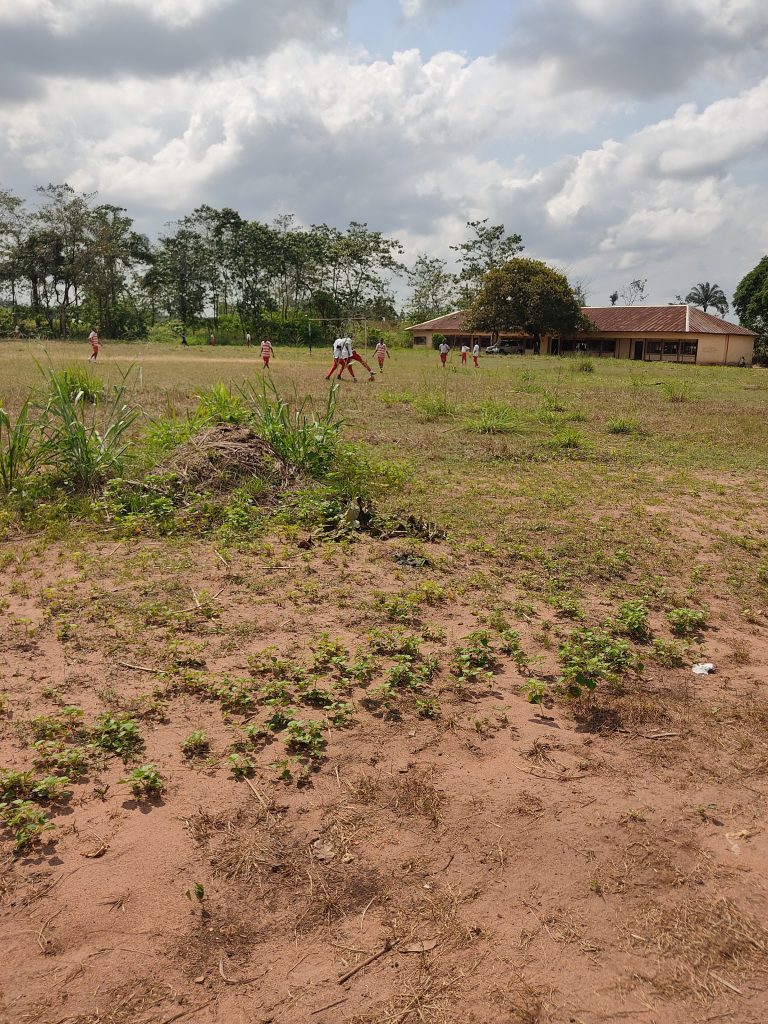
Amorka is a historic community in Ihiala Local Government Area of Anambra State, Nigeria known for its important role during the Nigerian Civil War. Amorka sits along the busy Onitsha Owerri Expressway and welcomes visitors with its rich stories, strong traditions, and vibrant everyday life. The town is home to the famous wartime airstrip and the Ojukwu Bunker, two heritage sites that continue to draw interest from historians, students, and tourists.
Beyond its history, Amorka is a warm and lively place with farmers, traders, churches, village groups, and cultural festivals that bring families together. The New Yam Festival, annual Amorka Day celebration, and strong community spirit make the town a symbol of resilience and unity. Its villages, social structures, and customs reflect the broader Igbo culture while its people continue to preserve their identity across generations.
This article gives a fact checked look at Amorka. It covers the history, culture, traditions, economy, landmarks, challenges, and recent community efforts.
Whether you are researching Nigeria’s civil war history, exploring Anambra towns, or reconnecting with your roots, this helps you to understand what makes Amorka unique and why it remains an important part of Nigeria’s cultural landscape.
Historical Background of Amorka
Amorka is one of the communities that make up Ihiala Local Government Area in Anambra State. Like many Igbo towns, its early history is preserved mainly through oral tradition passed down by elders and custodians of local heritage.
These accounts describe Amorka as part of the larger Ihiala cultural area, a region whose people trace their ancestry to ancient Igbo settlements that expanded over centuries through family lineages and kinship groups.
Although there are no written precolonial records that document the exact founding date of Amorka, historical and cultural studies on the Ihiala area indicate that the communities in this zone developed from clusters of extended families who settled on the fertile land, farmed, traded locally, and formed organized village structures.
In this tradition, each community gradually grew into a town with recognized kindreds, age grades, cultural authorities, and sacred spaces used for governance and communal life. Amorka is one of these long-standing settlements that evolved through this typical Igbo pattern of land inheritance, family expansion, and inter-community relations.
Before colonial contact, Amorka and its neighbours participated in regional trade using footpaths that linked Igbo communities from today’s Anambra, Imo, and parts of Rivers State. The wider Ihiala area was known for farming activities, palm produce, and local crafts.
During the colonial period, the British administration reorganized local governance in Southern Nigeria, and the communities that make up today’s Ihiala LGA, including Amorka were grouped into administrative units for taxation, road maintenance, and oversight. The construction of what later became the Onitsha-Owerri road increased movement through the area and strengthened the position of the town as a roadside settlement.
Amorka entered national and international consciousness during the Nigerian Civil War of 1967 to 1970.
Documented accounts show that the Biafran airstrip widely referred to as the Uli Airstrip was actually located in Amorka, not Uli town. The airfield became a lifeline for the secessionist State of Biafra and served as the only functional link to the outside world, when the region was cut off by federal forces
The airstrip allowed humanitarian flights carrying food, medicine, and relief materials to land at night. It was also used for bringing in critical supplies for the Biafran population.
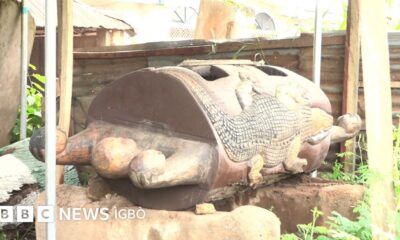
Amorka also hosted a secret underground shelter known as the Ojukwu Bunker which served as a secure hideout for Chukwuemeka Odumegwu Ojukwu, the Biafran leader during high-risk moments in the conflict. The bunker was carefully concealed by thick vegetation, making it extremely difficult to locate during air raids.
Because of these two strategic facilities, the town became one of the most sensitive and protected locations in the entire Biafran territory. International aid agencies, including church-based groups, humanitarian pilots, and journalists recorded the importance of the airstrip as the point through which aid entered the besieged region during the final stages of the war.
When the war ended in 1970, the wartime structures in the town were abandoned. Over the years, community members and journalists have noted that the airstrip and the bunker have not been preserved as heritage sites.
In 2018, the Anambra State Government announced plans to convert the Ojukwu Bunker in Amorka into a tourism site to help preserve its historical significance. However, more recent reports show that the site still remains largely undeveloped.
Today, Amorka continues to carry both layers of history, namely, its deep-rooted ancestral origins as part of the Ihiala cultural landscape, and its dramatic wartime legacy as a strategic point in one of Nigeria’s most defining national conflicts.
This combination of cultural beginnings and historic wartime events makes the town one of the most historically significant towns in present-day Anambra State.
Geography and Location of Amorka
Amorka is located in Ihiala Local Government Area of Anambra State, in southeastern Nigeria. It is one of the ten autonomous towns in the LGA and is strategically situated along the Onitsha‑Owerri Expressway which connects it to major towns and cities in the region.
The town shares borders with Mgbidi in Imo State to the south, Ibiasoegbe to the east, Ozara to the west, and Uli to the north. This positioning places the town near the border of Anambra and Imo States, and gives it an important role in cross-State travel and local commerce.
The landscape around Amorka is characterized by gently rolling farmland, patches of forest, and rural settlements typical of southeastern Nigeria. The tropical climate, with distinct rainy and dry seasons makes the area fertile for crops such as yams, cassava, maize, and vegetables. Within the town, several villages and kindreds form the core of social and community life. This reflects the organization and cultural heritage of the town.
The location of Amorka along a major highway and its border position have shaped its history and economy. Its strategic placement was one reason the town hosted a wartime airstrip during the Nigerian Civil War.
Today, its geography supports both agriculture and roadside commerce while also presenting challenges common to border towns. The land around Amorka is typical of Inland South East Nigeria. Farms and patches of forest and palm trees are part of the local landscape. The climate is tropical with rainy and dry seasons. Rainfall supports yam, cassava, maize, and vegetables, which are common crops for local farmers.
Communities, Villages and Social Structure
Amorka is made up of several villages, each forming a distinct social and cultural unit within the town. The main villages include Umuezike, Umueze, Ikenga, Umuejim, Umuezeala, Umunnakwa, Umuokpara, Umuanum, Umuorilike, and Umuonigbo. These villages, also called kindreds serve as the foundation for local governance, social organization, and community identity.
Each village maintains its own family groups and elders who play key roles in decision-making, conflict resolution, and the preservation of customs and traditions. Some villages such as Umuorilike have recently achieved autonomous status which allows them to manage local affairs while remaining part of the greater Amorka community. This process reflects the flexible but organized approach to growth and local leadership in the community.
Social life in Amorka is strongly influenced by family, age grades, and communal associations. Families work together on farming, construction, and celebrations while age-grade groups organize community projects, festivals, and other civic activities.
Women’s associations are also active as they support education, health initiatives, and social welfare programmes. The structure of villages and kindreds ensures that decision-making is participatory and that traditions, customs, and local history are preserved across generations.
Overall, the village system and social structure in the town provide a strong sense of belonging and community cohesion and help the town to maintain its cultural identity while adapting to modern development and administrative changes.
Culture and Traditions
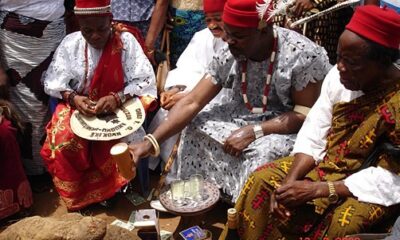
Amorka is rich in cultural heritage which reflects the broader Igbo traditions of southeastern Nigeria. The town observes a variety of festivals, ceremonies, and social practices that bring the community together and preserve its identity.
Among the most important cultural events is the New Yam Festival, locally known as Iri Ji or Iwa Ji which celebrates the harvest of yams, a staple crop in the region. The festival usually takes place between August and September and is marked by thanksgiving, traditional music, dance, and communal feasting. Residents and members of the diaspora often return home to participate, thus making the festival both a cultural and social gathering.
Religious life in Amorka is predominantly Christian, with churches playing a central role in its social and spiritual activities. The introduction of Christianity over the last century has influenced local practice. Yet, many traditional customs continue to be observed, especially during festivals, naming ceremonies, and agricultural rites. This blending of Christian and traditional values defines the identity and daily life.
Traditional music and dance remain important in cultural events, especially masquerade performances during festivals, weddings, and other communal celebrations. Drumming, flutes, and local songs accompany dances that tell stories, honour the ancestors, or entertain the community. Marriage ceremonies in Amorka follow both cultural and religious protocols, with formal family meetings, bride-price negotiations, and respect for elders forming essential parts of the process.
Age-grade groups and women associations are active participants in cultural life. They organize communal labour, support educational and health initiatives, and help to coordinate celebrations and festivals. Through these structures, residents maintain social cohesion, ensure intergenerational participation, and safeguard traditional knowledge and values.
There is also the Amorka Day, an annual celebration that takes place in the first week of January.
Overall, the culture of Amorka is a vibrant combination of Igbo tradition, Christian influence, and community cooperation. Its festivals, music, dances, and social customs not only celebrate life and heritage but also strengthen the bonds that hold the community together.
Governance and Leadership

Amorka operates a traditional governance system that coexists with modern administrative structures. At the local level, the town is headed by a traditional ruler who serves as the custodian of culture, land, and community values. He works alongside a council of elders drawn from the various villages who advise on matters of custom, land disputes, family issues, and community development.
Each village within Amorka, known as a kindred or clan has its own head, typically a senior family elder who represents the village in the general council of the town. These village heads are responsible for mediating disputes, organizing community events, and ensuring that the customs of the town are respected. The leadership system encourages participation from all age groups through age-grade organizations which handle communal projects and social responsibilities.
In addition to traditional structures, Amorka falls under the Ihiala Local Government Area which provides formal governance and administrative oversight, including infrastructure development, health services, and educational programmes. The town benefits from this dual system of governance where traditional authorities maintain cultural continuity while local government ensures compliance with State and national laws.
Women’s groups also play a significant role in leadership at the community level. They are often involved in decision-making related to social welfare, festivals, and community development projects. This inclusive approach ensures that governance in Amorka is participatory and reflective of the entire population.
Overall, Amorka’s governance system combines traditional authority, village representation, age-grade participation, and modern administrative oversight, thereby creating a balanced leadership structure that preserves cultural heritage while promoting development and cohesion.
Economy and Livelihood
The economy of Amorka is primarily based on agriculture, trade, and small-scale businesses which reflects the patterns common in southeastern Nigeria. Farming is the main occupation for many residents, with crops such as yams, cassava, maize, vegetables, and palm produce forming the backbone of local food supply and income. The fertile land and favourable tropical climate of the Ihiala area make Amorka suitable for both subsistence and commercial farming.
Trade is another significant contributor to the livelihood of the town. Its location along the Onitsha-Owerri Expressway has encouraged roadside markets and small businesses that serve travellers and local residents alike. Shops, food stalls, and service-oriented enterprises provide employment and support the circulation of goods within and beyond the town.
In addition to farming and trade, residents are engaged in various artisan and service occupations, including carpentry, tailoring, hairdressing, and transportation. Youths often combine these activities with farming or market trading to contribute to household income and community development. Some residents also work in nearby urban centres or larger towns, commuting for jobs in education, health services, and civil administration.
The economy has historically been influenced by its strategic location. During the Nigerian Civil War, the airstrip and Ojukwu Bunker located in Amorka indirectly stimulated local commerce, as supplies, relief materials, and humanitarian activities passed through the area. While these wartime functions are no longer active, the geography of the town continues to support trade and commerce along the major expressway.
Amorka’s economy is largely informal, with limited industrial presence. The community relies on local resources, agriculture, and small businesses for livelihood, and many residents participate in cooperative efforts such as age-grade associations and women’s groups to organize farming, market activities, and communal projects. These initiatives strengthen social ties while supporting the town’s economic resilience.
Overall, the economy reflects a blend of traditional agriculture, trade, artisanal work, and community enterprise which is a demonstration of its adaptability and entrepreneurial spirit despite limited formal infrastructure.
Education, Health and Infrastructure
Education in Amorka is supported by a combination of public and private schools that cater to primary and secondary levels. The town has several primary schools and at least, a few secondary schools where children receive basic and secondary education.
These institutions follow the Nigerian educational curriculum and provide students with access to literacy, numeracy, and vocational skills. While some schools are government-funded, private schools have emerged to meet increasing demand for quality education in the area.
Health services in Amorka are provided mainly through local clinics, health centres, and private medical practitioners. Residents often rely on primary healthcare facilities for routine medical care, maternal and child health services, and treatment of common illnesses. For more specialized or advanced medical services, people travel to nearby larger towns or cities such as Ihiala town or Onitsha where hospitals and secondary healthcare facilities are available.
Infrastructure in Amorka reflects both its rural and strategic urban characteristics. The town benefits from its location along the Onitsha-Owerri Expressway which provides road connectivity for trade, commuting, and transport of goods. Local roads within the town link villages and kindreds, though some are in need of maintenance and improvement, as noted by community reports. Utilities such as electricity and water are present but often inconsistent. This is a reflection of broader infrastructural challenges common to many towns in southeastern Nigeria.
Community development projects, often organized through village associations, age-grade groups, and women’s organizations play a key role in supplementing public services. These initiatives may include road repairs, school support, sanitation projects, and small-scale health interventions, demonstrating the community’s resilience and capacity for self-help.
Overall, education, health, and infrastructure in Amorka are functional but evolving, with local efforts supplementing government provision. The town continues to balance its rural traditions with the demands of modern living and leverages community cooperation and strategic location to improve the well-being of residents.
Landmarks and Places of Interest

Amorka Airfield (1966 – 1970)
Amorka is home to several landmarks that reflect both its rich history and cultural heritage. The most notable among these is the Ojukwu Bunker, a hidden underground shelter that served as the hideout for Chukwuemeka Odumegwu Ojukwu, the leader of Biafra during the Nigerian Civil War. The bunker, concealed under dense vegetation played a crucial role in wartime strategy and has since become a point of historical interest for researchers, students, and visitors.
Another historically significant site is the wartime airstrip, often associated with the so-called Uli Airstrip. Located in Amorka, this airfield was Biafra’s primary lifeline for receiving humanitarian aid, food, and military supplies during the war. While the airstrip is no longer operational, its location remains a key point of historical memory in the town.
Amorka also features cultural landmarks such as community squares and traditional meeting places where festivals, town meetings, and age-grade gatherings occur. These venues are central to the town’s social life and cultural celebrations, including the New Yam Festival and other annual events.
The natural environment, including farmland, riverine areas, and scenic roadside views along the Onitsha-Owerri Expressway adds to its local attractions. Visitors can experience both the cultural and historical significance of Amorka while enjoying its rural landscapes.
Overall, the Ojukwu Bunker, wartime airstrip, community squares, and traditional sites make Amorka a town of historical depth and cultural richness that attracts interest from both locals and tourists interested in Nigeria’s heritage.
Challenges and Development
Like many towns in southeastern Nigeria, Amorka faces a range of developmental challenges, despite its historical significance and strategic location. One major issue is infrastructure, including roads, electricity, water supply, and sanitation. While the Onitsha-Owerri Expressway provides good connectivity, many internal roads within the town and its villages require maintenance, and residents often report inconsistent electricity and water services.
Another challenge is education and health services. Although the town has several primary and secondary schools and basic healthcare facilities, residents, sometimes, need to travel to larger towns or cities for higher education or specialized medical care. Limited facilities can affect quality of life and access to essential services.
Economic development also faces constraints. Most residents rely on farming, trade, and small businesses, and there is limited industrial investment or formal employment opportunities. Youth unemployment and underemployment are concerns, as they prompt some young people to seek opportunities in nearby urban centers or abroad.
Despite these challenges, community initiatives play a key role in promoting development. Age-grade groups, women’s associations, and village councils organize projects such as road repairs, school support, sanitation campaigns, and local market improvements.
The town has also drawn attention from the Anambra State Government, particularly regarding the preservation of historical sites like the Ojukwu Bunker, which has potential for tourism development.
Overall, Amorka faces typical rural and semi-urban challenges but demonstrates resilience through community action, cultural cohesion, and strategic location. With focused investment in infrastructure, education, healthcare, and heritage tourism, the town has significant potential for sustainable development.
In Conclusion …
Amorka is a town that embodies both historical significance and cultural richness in Anambra State. From its early Igbo roots and community traditions to its key role during the Nigerian Civil War, including harbouring the Ojukwu Bunker and wartime airstrip, the town has a story that reflects resilience and heritage. Its fertile land, strategic location along the Onitsha-Owerri Expressway, and vibrant community life support agriculture, trade, and small-scale businesses that sustain the local economy.
The people, led by the traditional ruler, village elders, and active community groups maintain a strong sense of identity through festivals, age-grade organizations, and social cooperation. While challenges in infrastructure, healthcare, education, and employment remain, community initiatives and local leadership continue to drive development and preserve the town’s cultural legacy.
Amorka stands as a living example of tradition, history, and community-driven progress, making it not only a significant town in Ihiala LGA but also a proud custodian the heritage and values of Anambra State.
References
- https://en.wikipedia.org/wiki/Amorka
- https://en.wikipedia-on-ipfs.org/wiki/Amorka
- https://nnewi.info/about-anambra/
- https://ihiala.org/about/
- https://www.emmason247.com.ng/blog/history-origin-culture-and-traditions-of-amorka-town-in-anambra-state/WRZIIWICWb
- https://www.thisdaylive.com/2020/11/18/the-neglect-of-ojukwus-safe-haven-biafras-window-in-amorka/
- https://businessday.ng/uncategorized/article/ojukwu-bunker-boost-anambras-tourism-offerings/
- https://thesun.ng/anambra-amorka-community-bemoans-lack-of-amenities/
- https://iwitness.ng/amorka-community-celebrates-2025-day-advocates-for-unity-and-peace/
You might want to check this out …