



Anambra News
Awkuzu Town, Anamlbra State: A Tapestry of History, Culture & Resilience

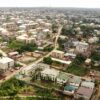
In the heart of Oyi Local Government Area of Anambra State lies Awkuzu, a town steeped in ancestry, traditional significance, and communal strength. Though modest in appearance, Awkuzu carries the weight of history, a town whose roots reach deep into the story of the ancient Igbo people, and whose people continue to uphold long-standing customs and values. Located just about 25 kilometers from the commercial city of Onitsha, Awkuzu’s position along the Onitsha–Otuocha expressway makes it a vital gateway into the Omambala valley region of Anambra.
Awkuzu is not just a settlement, it is a symbol of cultural continuity, a town that has weathered internal disputes and national attention but has held firmly to its identity. For those seeking to understand the Igbo cultural structure, religious traditions, festivals, and governance dynamics, The Town offers a compelling case study.

Geography and Boundaries
Awkuzu is strategically positioned within the fertile plains of southeastern Nigeria. The landscape is predominantly flat and covered in rich red soil, suitable for agricultural activities that sustain many households. Natural water sources, including streams and seasonal rivers, traverse its lands and contribute to farming and traditional cleansing rituals.
The town is bounded by several notable communities:
To the north and northwest, it shares borders with Nteje and Umunya, fellow Oyi LGA towns.
To the east, it connects with Ifitedunu, Ukwulu, and Ukpo in Dunukofia LGA.
On the southern side, Awkuzu is bordered by Aguleri, Umueri, and Nando towns that share ancestral ties.
To the west, it is close to Abba, in Njikoka LGA.
These boundaries place Awkuzu at a crossroad of kinship and commerce. Roads from Awkuzu lead not only to major towns like Onitsha and Awka but also to ancestral communities that share bloodlines with it.
Ancestral Roots
To understand it’s place in Igbo history, one must begin with the story of Eri, the progenitor of many eastern Nigerian communities. Eri, according to oral traditions, migrated from the north and settled in present-day Anambra where he established a spiritual and political base. Among his children was a daughter, Iguedo, who would go on to birth the progenitors of several towns including Awkuzu, Nteje, Umueri, Aguleri, and Nando.
Thus, Awkuzu is a child of Iguedo, a heritage it shares with its neighboring towns. This Iguedo connection is more than symbolic, it defines the cultural structure, traditional governance, spiritual beliefs, and even the settlement patterns of the people. Through Iguedo, Awkuzu is considered part of the Umu-Iguedo clan, known for its strong warrior traditions, spiritual depth, and communal order.
The Structure of the Town: Ezi, Ifite, and Ikenga
Like many other ancient Igbo towns with Iguedo roots, Awkuzu is traditionally divided into three major quarters known as Ezi, Ifite, and Ikenga. These quarters represent not just physical divisions but social and political arrangements that influence marriage, land inheritance, age grade formations, and the rotation of leadership.
Ezi Quarter: Often referred to as the ancestral seat, this is the original settlement of the town. It includes sub-villages such as Mbagozu and Ezi-Awkuzu. It is home to elders and priests who oversee ancient shrines and traditional rituals. Most spiritual activities begin here.
Ifite Quarter: Known for its sprawling farmland and rural extensions, Ifite is where many of the town’s farmers reside. The quarter is associated with expansion, hospitality, and growth. Kindreds here include Isioji and Amabo, among others.
Ikenga Quarter: As the name suggests, this quarter symbolizes strength, productivity, and spiritual valor. Ikenga is often associated with warriors, hunters, and those who play protective roles in traditional society. It includes sub-villages like Otoko (Isi-Ikenga), Ezinkwo, Dusogu, Umudioka, and Ukpomachi.
Each of these quarters contributes to the balance of power and culture in Awkuzu. During communal decision-making or festival planning, delegates from all three must be consulted, ensuring fairness and unity.
Traditional Leadership and Kingship Crisis
For a long time, the town lacked an officially recognized king, an issue that created division among the people and stalled some developmental efforts. The last widely acknowledged Igwe was John Ejikeme Nebolisah, popularly known as Joneb or Arusi Awkuzu. He was a flamboyant and generous leader who ruled with charisma and influence. His Lagos home was known as a hub for hospitality, where many Awkuzu sons and daughters were empowered or supported.
However, following his death, the town was without a traditional ruler for nearly two decades. This vacuum led to disputes over succession, with multiple candidates emerging from different quarters and claiming legitimacy.
In recent years, two major contenders have been at the center of the kingship tussle:
1. Prof. Charles Anikweze, who was recognized by the Anambra State Government as the traditional ruler of Awkuzu.

Prof Charles at an Event
2. Chief Chibuike Okafor, who was crowned Ezeaganama III by traditional elders and the Okpala Awkuzu (the oldest man), following ancient customs though he lacked official government endorsement.
This situation has led to a dual kingship dilemma, where each ruler has his own loyalists and platform. Despite the confusion, many citizens continue to hope for a peaceful resolution and reconciliation that respects both tradition and legality.
Cultural Life, Festivals, and Masquerades
Culture is at the heart of the people life. The town celebrates numerous traditional festivals, each rooted in spirituality, harvest, or community renewal. Some of the most prominent include:
Mme Mme Onwa Ato and Onwa Asato
These are deeply spiritual periods in the Igbo calendar when ancestral spirits are honored. Rituals during this period include offerings, fasting, and night vigils. It is during these times that certain taboos are strictly observed, and spiritual cleansing takes place.

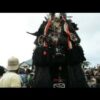
During the Onwa Isaa Festival, Photo Credit: Fargo Nwa Awkuzu Comedy
Iti Mmonwu (Masquerade Processions)
This is one of the most anticipated events in the town. The town comes alive with the sound of native flutes, gongs, and chants as masked spirits (mmonwu) perform along village squares. Each masquerade represents a different spirit or ancestral presence. Notable among them are Obaha, a fierce and dramatic masquerade, and the majestic Ijele, a towering and colorful figure that signifies royal presence.
Iwa Ji (New Yam Festival)
Celebrated between June and July, this festival is more than just a celebration of harvest. It is a spiritual offering of the first yam to the gods and ancestors before it is eaten by the people. There are dances, sacrifices, prayers, and feasts. It symbolizes renewal, thanksgiving, and prosperity.
These festivals not only entertain but also reinforce communal bonds, transfer traditions to the younger generation, and affirm Awkuzu’s place in the broader Igbo cultural space.
Education and Learning in Awkuzu
Education has long been valued in the town, with several generations of families prioritizing learning as a pathway to progress. The town boasts a mix of public and mission schools, most notably the Community Secondary School, Awkuzu, which serves students from across the Oyi axis. In addition, there are a number of primary schools, including both government-owned and private institutions.
Despite this enthusiasm for education, many of the schools face significant challenges, such as:
- Insufficient classroom space
- A shortage of qualified teachers, especially in sciences and technical subjects
- Poorly maintained infrastructure
- Lack of access to digital learning tools
In recent years, indigenous associations and townsmen in the diaspora have stepped in, sponsoring scholarship schemes, donating books and chairs, and even funding school renovations. Their goal is to ensure that no child from Awkuzu is left behind academically due to lack of resources
Healthcare Challenges and Efforts
Awkuzu’s healthcare system remains largely underdeveloped. The town relies on a few primary health centers, which struggle with:
- Shortages of drugs and equipment
- Limited access to qualified medical staff
- Poor emergency response services
For serious health conditions, residents are often referred to hospitals in Awka, Onitsha, or even farther. Pregnant women sometimes have to travel several kilometers to access reliable maternal care. However, NGOs and community-based healthcare missions have made periodic interventions, offering free medical checkups, surgeries, and child immunization programs.
There is also increasing advocacy by local youth groups for the establishment of a general hospital in the town, which could serve not only Awkuzu but neighboring towns in the Oyi region.
Notable Sons and Daughters
Rev. Fr. Prof. Amechi Akwanya
Perhaps the most academically celebrated son of Awkuzu is Rev. Fr. Prof. Amechi Nicholas Akwanya, a Catholic priest, literary scholar, and former dean at the University of Nigeria, Nsukka. A prolific writer and Fellow of the Nigerian Academy of Letters (FNAL), he has contributed richly to both theological and academic development in Nigeria.
Igwe John Ejikeme Nebolisah (Arusi Awkuzu)

Igwe Joneb, Arusi Awkuzu
Until his death, Igwe Joneb was a towering figure in traditional leadership, a philanthropist and cultural icon who was respected far beyond the borders of Awkuzu. His legacy continues to inspire new generations.
The SARS Scandal and National Spotlight
For years, Awkuzu was unfortunately known across Nigeria as the base of one of the most feared branches of the Special Anti-Robbery Squad (SARS). The Awkuzu SARS office, located within the town, was often accused of gross human rights violations, including:
- Illegal arrests
- Torture and beatings
- Extrajudicial killings
- Extortion and unlawful detention
Multiple investigative reports from Amnesty International, Sahara Reporters, and Premium Times documented chilling stories of detainees who disappeared or were never seen again. The unit’s notoriety became a rallying point during the #EndSARS protests of 2020, where thousands of Nigerian youths called for police reform.
Although SARS has since been disbanded, the scars remain. Many families in Awkuzu and beyond still await justice. The town is also working to rebuild its image, especially among young people and the public.
Development Gaps and Emerging Initiatives
Despite its rich history, culture, and human capital, Awkuzu still grapples with developmental deficits. These include:
- Poor road networks within town
- Lack of clean water infrastructure
- Limited power supply
- Inadequate health and sanitation services
- Youth unemployment and brain drain
However, a few positive trends are emerging:
- Town unions and age-grade associations are increasingly active in development discussions
- More youth-led organizations are launching tech, health, and skills training programs
- Awkuzu diaspora forums are coordinating efforts to support education, business grants, and cultural festivals
- There is also growing talk about leveraging the town’s festival tourism potential to attract cultural tourists and investors, especially through its New Yam Festival and masquerade shows.
Conclusion
Awkuzu is a town where history and modern struggle walk side by side. It has seen moments of great celebration — from rich cultural festivals to academic brilliance and moments of sorrow, such as the human rights abuses tied to the now-disbanded SARS unit.
Yet, Awkuzu’s story is far from over. Its people are resilient. Its cultural identity remains unshaken. And as the younger generation embraces education, enterprise, and civic action, there is strong hope that the town will rise again reclaiming its place as one of the most vibrant, united, and visionary communities in Anambra State.
Related Topics
Nteje Town, Anambra State: History, Culture, and People
Achalla Town, Anambra: A Peaceful Capital Rich in Culture and Tradition