



Ethnic Studies
The Remarkable Story of the Esan People: Rich History, Powerful Traditions, and Hidden Cultural Treasures

Esan people are a vibrant ethnic group in Edo State, Nigeria known for their rich history, strong traditions, unique language, and deep cultural heritage that is connected to the Benin Empire.
The Esan people have built communities in Edo State that carry centuries of history, culture, and identity. Their roots trace back to the influential Benin Empire. But their story is far from frozen in the past. It thrives in the language they speak, the festivals they celebrate, and the social bonds that define their everyday life.
Life in Esanland moves at its own rhythm. Children grow learning stories of their ancestors, artisans create works that depict tradition, and kings and elders maintain systems of governance that have endured through generations. These practices are not relics. No. They are living expressions of what it means to be Esan.
In this article, we explore the Esan people in Nigeria through their history, traditions, language, and hidden cultural treasures. From the founding of their kingdoms to the modern developments in education and daily life, you will discover how this remarkable group has preserved a rich heritage as they navigate the demands of the present.
Who Are the Esan People?
The Esan people are a prominent ethnic group in Edo State that live mainly in a region known as Esanland. This area includes towns like Ekpoma, Irrua, Uromi, Ubiaja, and Igueben. These towns form vibrant communities where traditions, language, and social values remain central to everyday life.
Esan society is organized around kingdoms led by an Onojie, or king who works with a council of chiefs and elders to administer governance, resolve disputes, and preserve community values. The Esan language which is part of the Edoid family is widely spoken across Esanland and carries the people’s stories, proverbs, and cultural identity.
Culturally, the Esan people are known for their strong community bonds, respect for elders, and enduring traditions in art, music, festivals, and family life. They are a people whose identity is clearly rooted in place, language, and social connection, even as they find their way through the modern life.
Origin and Historical Background of the Esan People

The story of the Esan people began centuries ago intertwined with the history of the Benin Empire. Scholars and historians agree that many of the Esan ancestors originally lived within the Benin Kingdom. During the reign of Oba Ewuare in the 15th century, political reforms and strict social rules prompted groups of people, especially the members of the royal family and nobles to leave Benin and settle in nearby areas.
These settlers moved across the fertile lands to the east and northeast of Benin City founding communities that eventually grew into what is now known as Esanland. Over time, these communities organized themselves into distinct kingdoms, and each had its own Onojie or traditional ruler. The term “Eguare” came to describe the central administrative village in each kingdom which served as both the political and spiritual centre.
By the 16th century, Esanland consisted of about 30 to 35 kingdoms, each of which maintained some autonomy while still acknowledging historical ties to the Benin Kingdom. These kingdoms developed sophisticated systems of governance where the councils of chiefs and elders assisted the Onojie in decision-making, justice, and maintaining social order.
The arrival of European colonial powers in the late 19th century brought significant changes. The British administration reorganized local governance, introduced new administrative structures, and impacted traditional authority. Despite these shifts, the Esan people preserved much of their political structure, cultural identity, and social norms.
Esan oral tradition also plays an important role in understanding their history. Stories of migration, founding kings, and ancestral achievements are passed down through generations. Proverbs, songs, and folktales not only entertain but also record historical events and social values. These oral accounts complement written records, and provide a fuller picture of the Esan people’s journey from the Benin Empire to the present-day communities across Edo State.
Today, the history of the Esan people is celebrated in festivals, educational curricula, and local museums. It is a history marked by resilience, adaptation, and a commitment to preserving identity. While modern life continues to introduce new influences, the foundational stories of origin and kingdom formation remain central to Esan cultural consciousness.
Geography and Esanland
Esanland stretches across the central part of Edo State, and forms a region that is both geographically rich and culturally distinct. It lies northeast of Benin City and is bordered by various other ethnic territories. This gives it a unique position in southern Nigeria. The land is largely flat with patches of rolling hills, forests, and fertile plains that have supported agriculture for centuries.
Esanland is divided into multiple local government areas which include Esan West, Esan Central, Esan North-East, Esan South-East, and Igueben. Each area contains several towns and villages, many of which trace their origins back hundreds of years to the migration from the Benin Empire.
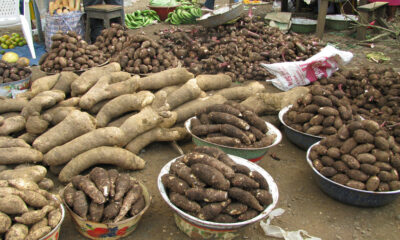
The natural environment has strongly influenced Esan life. The fertile soil supports the cultivation of staple crops such as yam, cassava, maize, and vegetables. Palm trees are abundant, and their products have traditionally been important for food, trade, and local crafts. Rivers and streams across Esanland provide water for farming and daily life, while the forests have long offered resources for hunting, building, and cultural practices.
The climate in Esanland is tropical, with a rainy season that typically runs from April to October. This season nourishes crops and sustains the rivers and forests, thereby making agriculture the mainstay of the economy. The dry season, from November to March allows for community gatherings, festivals, and traditional ceremonies, many of which are tied to the agricultural calendar.
Esanland is not just a physical space. It is a cultural landscape where geography and human activity intersect. The layout of towns, the positioning of Eguares (kingdom centres), and even the routes between communities reflect centuries of planning and adaptation. Roads and pathways often follow old migration trails that connect the modern Esan towns to their historical roots.
Understanding the geography of Esanland provides insight into how the Esan people live, work, and organize themselves. Their connection to the land is evident in their farming, settlement patterns, and cultural practices. It is a land that has shaped their way of life, and the people themselves have shaped the land into a lively, enduring region of southern Nigeria.
Language and Communication
The Esan people have a language that is as rich and expressive as their culture. Known simply as the Esan language, it belongs to the Edoid group of the Niger-Congo language family. This language is spoken across Esanland. There are slight differences in pronunciation and vocabulary between towns. Nevertheless, all the dialects remain largely mutually intelligible.
Language in Esan society is more than a tool for communication. It carries values, traditions, and history. Proverbs, for example, are a cornerstone of everyday life. A simple saying can teach respect, caution, or wisdom, and these expressions are used in homes, schools, marketplaces, and festivals. Stories, songs, and oral histories are similarly important in preserving the accounts of migration, the founding of kingdoms, and the deeds of the ancestors.
The Esan language also adapts to modern life. It is taught in primary and secondary schools in Edo State with the aim of ensuring that the younger ones maintain a connection to their heritage. Local radio stations, publications, and community events use the language alongside English, thus allowing it to flourish in both traditional and contemporary contexts.
Non-verbal communication is equally significant. Gestures, facial expressions, and ceremonial actions carry meaning in Esan culture, especially during rituals, festivals, and traditional council meetings. These non-verbal cues strengthen social norms and cultural values without the need for words.
Despite the pressures of urbanization and the dominance of English in education and business, the Esan language still plays a central role in maintaining the identity of the Esan people. It is both a marker of belonging and a bridge between generations that links the stories of the past to the lives of the present.
Traditional Political Structure and Leadership

The Esan people have long maintained a well-organized system of traditional governance that balances authority, community input, and cultural values. Central to this system is the Onojie who is the king of each Esan kingdom. The Onojie is not only a political leader but also a spiritual custodian tasked with preserving traditions, overseeing social conduct, and ensuring harmony among the people.
Each Esan kingdom operates with a council of chiefs and elders that support the Onojie. These councils advise the king, resolve disputes, and organize community activities. Chiefs often represent different quarters or clans within the kingdom, to give the governance system a wide base of participation. This structure allows decisions to reflect the needs of the people while remaining anchored in cultural values.
The Onojie’s role is both ceremonial and practical. During festivals, rituals, and traditional marriages, the king performs duties that connect the community to its ancestral roots. In everyday governance, the Onojie ensures the enforcement of customary laws, mediates conflicts, and protects the welfare of the inhabitants of the kingdom.
Despite the influence of modern government and legal systems, traditional leadership remains highly respected in Esanland. Many families consult the Onojie or the council of elders on matters ranging from land disputes to cultural observances. This enduring respect highlights how the Esan people have integrated modernity without losing the authority of their heritage.
The political system also reflects the importance of communal values. Leadership is seen as service rather than privilege, and those in authority are expected to demonstrate fairness, wisdom, and adherence to cultural norms. This system has helped the Esan people to preserve cohesion, identity, and a sense of belonging across generations.
In essence, the traditional political structure of the Esan people is a living framework that maintains cultural continuity, social stability, and collective responsibility.
Rich Culture and Traditions of the Esan People

The Esan people are widely recognized for the richness of their culture which has been preserved through centuries of tradition, community life, and storytelling. Culture in Esanland is not a static concept. It is expressed in festivals, music, dance, art, dress, and social customs, all of which connect the past to the present.
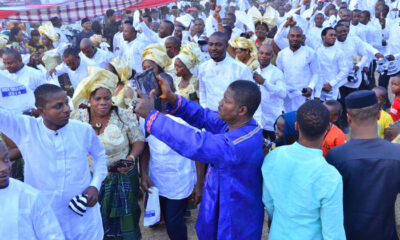
Festivals are central to Esan society as they bring the communities together to celebrate harvests, honour the ancestors, and consolidate social bonds. Many festivals are tied to the agricultural calendar. During these events, the communities come together to eat, perform rituals, and give thanks for the year’s harvest.
Music and dance are integral parts of Esan culture. Traditional instruments such as drums, gongs, and flutes accompany dances that tell stories of historical events, community achievements, and spiritual beliefs. Performances are often highly participatory, involving both the young and the old. These dances both entertain and communicate values, preserve history, and strengthen communal identity.
Esan artisans are skilled in carving, weaving, and beadwork. Carved wooden sculptures, masks, and ceremonial objects play significant roles in religious and social events. Beadwork is used in royal regalia, traditional dress, and ceremonies as way of expressing status, heritage, and art. Art in Esanland is deeply intertwined with spiritual and social life, and represents both aesthetic and cultural significance.
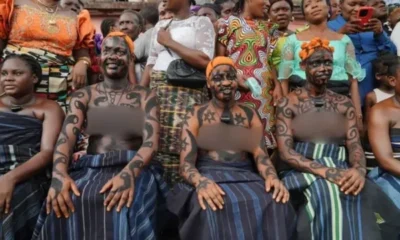
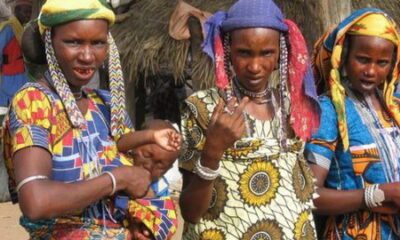
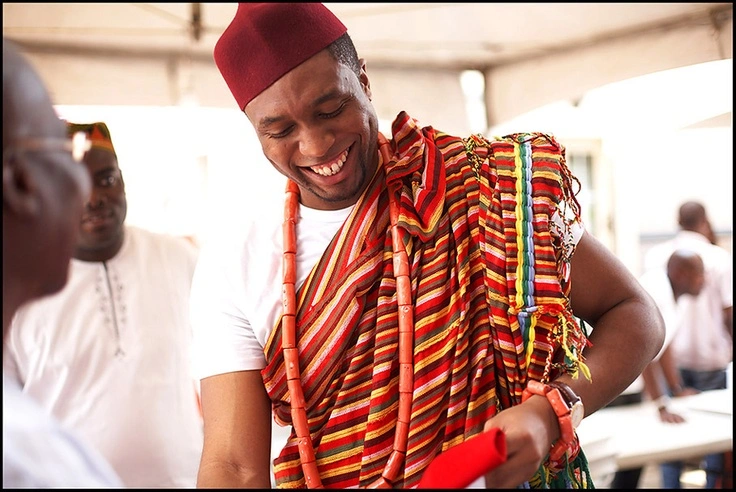
Clothing in Esan society is a clear expression of identity and tradition. Men often wear wrappers with embroidered tops, while the women wear beautifully patterned dresses complemented by coral beads and jewelry. Traditional attire is worn proudly during festivals, ceremonies, and important family events. Clothing conveys social status, age, and sometimes, marital position, thus making dress a visible marker of cultural identity.
Beyond visible expressions like festivals and dress, the Esan people maintain strong social customs. Respect for elders, adherence to communal decisions, and the observance of traditional rites are central to everyday life. These customs help to sustain community harmony and preserve cultural knowledge across generations.
Through all these, the Esan people have kept their traditions alive by blending history with daily life. Their culture is not confined to museums or historical texts, rather, it is visible in how they live, celebrate, and interact with one another. For anyone visiting Esanland, the richness of this culture is both immediate and enduring, and is a reflection of the pride and identity of its people.
Esan Traditional Marriage Rites
Marriage in Esanland is more than a union between two people. For the Esan people, it is a communal celebration, a binding of families, and a passage steeped in tradition. Even today, these ceremonies reflect a deep respect for history, ancestry, and cultural values.
Courtship and Family Involvement. In Esan culture, the process of marriage begins with courtship which is often guided by the elders and family members. Young couples are expected to demonstrate respect, patience, and integrity throughout the process. Families play an active role in assessing compatibility, character, and family background. This communal involvement ensures that marriages are not just personal choices but decisions that strengthen social bonds.
Marriage Ceremonies and Symbolism. The traditional marriage ceremony known as “Oko-Rite” in some communities is filled with symbolic acts. One of the central elements is the bride price which is a token of appreciation and respect to the bride’s family. It is not seen as a purchase but as a sign of commitment and goodwill.
Ceremonial rituals also include the presentation of gifts, prayers, and blessings. These acts carry spiritual significance as they connect the couple to their ancestors and the larger community. Music, dance, and traditional attire mark the event, and turn it into both a social gathering and a spiritual milestone.
Modern Influences on Esan Marriage. While many Esan families continue to honour these traditions, modern life has introduced new elements. Christianity, education, and urban living have influenced how ceremonies are conducted. Today, it is common to see couples combine church or civil weddings with traditional rites. Despite these changes, the core values which include respect, family involvement, and cultural symbolism remain intact.
The resilience of these marriage rites reflects the adaptability of the Esan people. They preserve tradition, even as they embrace modern practices, thus ensuring that cultural identity remains relevant in a changing world.
Religion and Belief Systems
Religion has always been central to the life of the Esan people as it influences their worldview, values, and daily practices. Traditionally, the Esan practiced indigenous belief systems that honoured the ancestors, nature, and spiritual forces. These systems emphasized the connection between the living and the spiritual world where ancestors played an active role in guiding, protecting, and advising the community.
In the past, Esan communities held ceremonies and rituals to appease the gods and the ancestors. Sacred groves, shrines, and ritual objects were common in towns and villages. These practices were not only spiritual but also social as they reinforced community cohesion, moral conduct, and respect for elders. Festivals and rites often coincided with agricultural cycles.
With the arrival of European missionaries in the 19th and early 20th centuries, Christianity gradually became widespread across Esanland. Today, a large majority of the Esan people identify as Christians, and as such, attend churches and participate in Christian rituals. Missionary schools also contributed to literacy and education, and influenced both spiritual and social development.
Even with the influence of Christianity, many Esan people retain aspects of their traditional beliefs. For instance, respect for ancestors and observance of certain cultural rituals continue alongside church practices. This fusion illustrates the Esan people’s ability to honour their heritage as well as embrace new religious perspectives.
Religion in Esanland is woven into community life, governance, festivals, and social interactions. It influences moral behaviour, strengthens communal bonds, and ensures that cultural identity remains grounded, even as modern influences expand.
Occupation and Daily Life
The daily life of the Esan people is closely tied to the land, community, and cultural traditions. For centuries, agriculture has been the backbone of their economy that provides both sustenance and trade goods. Yams, cassava, maize, rice, and vegetables are widely cultivated, while palm oil and palm wine are important for both domestic use and commerce. Farming is often a family activity, and the knowledge and techniques are passed from one generation to the next.
Trade has long complemented farming in Esanland. Local markets are vibrant centres where people buy, sell, and exchange goods such as foodstuffs, textiles, crafts, and handmade tools. Some towns, like Uromi and Irrua have become notable for trading agricultural products beyond Esanland, thereby connecting the communities with neighbouring regions. Trade is not only economic but also a social activity that strengthens relationships across families and clans.
Apart from farming and trade, craftsmanship plays a significant role in Esan daily life. Many Esan people are skilled in weaving, carving, beadwork, and pottery. These skills are often tied to cultural and ceremonial purposes like creating traditional attire, musical instruments, and ritual objects. Artisans continue to contribute to both the economy and the preservation of Esan heritage.
While agriculture and traditional trades remain vital, many Esan people now engage in modern professions. Education has opened doors to careers in teaching, medicine, civil service, business, and technology. Urbanization and migration have also introduced new economic activities. Now, some families combine modern jobs with traditional responsibilities.
Daily life in Esanland is community-oriented. Families gather for meals, festivals, and ceremonies. Respect for elders, participation in community decision-making, and observance of cultural norms remain central. Children learn values, history, and skills from parents and elders. This helps to create continuity between generations.
The Esan people have successfully combined tradition with modernity. While their daily life reflects contemporary changes, it continues to honour agriculture, craftsmanship, family, and community.
Challenges Facing the Esan People Today
While the Esan people have preserved a rich heritage and maintained strong cultural identity, they face a variety of challenges in the modern era. These issues span social, economic, and environmental areas, and reflect both local and national pressures.
Urbanization and migration. Many Esan youth move to cities like Lagos, Abuja, and Benin City in search of education and employment. While this opens opportunities, it also leads to a gradual erosion of traditional practices. Families are sometimes, separated, and knowledge of rituals, oral history, and local governance may not always transfer to the younger people.
Economic challenges. Agriculture remains central to life in Esanland. But then, small-scale farmers face issues such as declining soil fertility, limited access to modern tools, and fluctuating market prices. Trade and craftsmanship, once key economic activities are also challenged by mass-produced goods and competition from the outside regions. These economic pressures affect household income and the sustainability of traditional livelihoods.
Preservation of language and culture. Although the Esan language is still widely spoken, the younger members of the community increasingly use English, especially in schools and urban areas. This creates a risk of language dilution over time. Similarly, some cultural practices and festivals face the danger of being abandoned or simplified under modern pressures. Efforts to document and teach Esan history, proverbs, and rituals are ongoing but face resource constraints.
Environmental Concerns. Deforestation, climate change, and soil degradation affect the agricultural base of Esanland. Rivers and streams, once reliable sources of water for farming and daily use are under pressure from pollution and changing rainfall patterns. These environmental challenges threaten not only food security but also traditional ways of life tied to the land.
Integration with Modern Governance. While traditional governance remains respected, the overlap with modern government structures can create confusion or tension. Local leaders sometimes, face difficulties enforcing customary laws alongside statutory laws. This dynamic requires careful navigation to maintain social cohesion while adapting to national frameworks.
Despite these challenges, the Esan people demonstrate resilience and resourcefulness. Community initiatives, cultural documentation projects, and education programmes are helping to preserve traditions, strengthen economic livelihoods, and protect the environment. The ability to adapt while maintaining identity ensures that Esanland and its people keep thriving.
Hidden Cultural Treasures of the Esan People
Beyond festivals, music, and daily life, the Esan people possess cultural treasures that are often overlooked outside their communities. These treasures reflect the ingenuity, spirituality, and artistic excellence of Esanland which make it a region rich in heritage and identity.
Traditional art and craft. Esan craftsmanship is a remarkable cultural asset. Skilled artisans create intricately carved wooden masks, stools, and ceremonial objects that hold both aesthetic and spiritual significance. Beadwork is another treasure used not only for decoration but also to signify social status, age, and ceremonial roles. These arts are carefully preserved and passed down through generations, and are often taught within families or guilds.
Oral literature and folklore. The Esan oral tradition is a hidden reservoir of knowledge. Proverbs, folktales, and historical accounts are handed down verbally with the aim of keeping history alive without relying on written records. These narratives provide insight into values, ethics, leadership, and social norms, while also entertaining and educating the younger people.
Sacred sites and ancestral shrines. Scattered across Esanland are sacred groves, ancestral shrines, and ritual spaces that have endured for centuries. These sites are living centres of spiritual life where prayers, offerings, and traditional ceremonies connect the community to their ancestors. Many of these locations remain protected by local regulations and taboos as a way of preserving both their physical and cultural integrity.
Indigenous knowledge and agricultural practices. The traditional ecological knowledge of the Esan people is a hidden cultural treasure. Generations have mastered sustainable farming methods, crop rotation, and natural resource management. These practices reveal a deep understanding of the local environment and continue to influence modern agricultural approaches in the region.
Festivals with unique symbolism. While some Esan festivals are known outside the region, many hold subtle, symbolic meanings that are rarely discussed. Ritual dances, masquerades, and seasonal celebrations often carry coded messages about community history, moral lessons, and spiritual beliefs. Experiencing these firsthand offers a window into the rich, nuanced culture of the Esan people.
These hidden treasures show that the Esan people have cultivated a heritage that is both tangible and intangible. From art and folklore to sacred spaces and ecological wisdom, Esanland is home to cultural wealth that inspires pride, identity, and connection among its people.
Why the Esan People Remain Remarkable
The Esan people stand out in Nigeria’s cultural story because of their resilience, creativity, and strong sense of identity. Their history, traditions, and social systems have been preserved despite centuries of political change, colonial influence, and modern pressures. This endurance makes them a community worth celebrating and studying.
One reason the Esan people remain remarkable is their ability to balance tradition and modernity. While they maintain ancestral practices, festivals, and ceremonies, many Esan communities embrace education, urban opportunities, and contemporary professions. This balance allows them to excel socially, economically, and culturally without losing their heritage.
Another factor is the depth of their cultural knowledge. The Esan people possess rich oral literature, art, craftsmanship, and traditional governance systems. From storytelling to music, from intricate beadwork to ceremonial rituals, these elements communicate wisdom, ethics, and history across generations. These things are not relics of the past, rather, they actively define daily life and community cohesion today.
Community and family values also set the Esan people apart. Respect for elders, communal decision-making, and strong family networks help to preserve social harmony. Even in urban areas, Esan people often maintain ties to their hometowns by participating in cultural events, festivals, and family obligations which reinforces identity across generations.
Finally, the Esan people are remarkable for their hidden cultural treasures. Sacred sites, ancestral shrines, and sustainable agricultural practices showcase a sophisticated understanding of spirituality, ecology, and social organization. These treasures which are often unnoticed by outsiders reflect a deep connection to land, history, and culture.
Essentially, the Esan people remain a shining example of how a community can preserve its identity, adapt to change, and sustain cultural richness. Their story is one of resilience, creativity, and enduring pride. A legacy that continues to inspire both within and beyond Esanland.
In Conclusion …
The Esan people are a remarkable community whose history, culture, and traditions still thrive in modern Nigeria. From their origins in the Benin Empire to the vibrant towns of Esanland, they have preserved a unique identity that combines resilience, creativity, and communal values. Their festivals, music, dance, craftsmanship, and traditional governance reflect centuries of wisdom and social cohesion. Their adaptability to modern life demonstrates the enduring strength of their heritage.
The hidden cultural treasures, oral literature, and sacred sites reveal the depth of Esan society, and show how knowledge, spirituality, and artistry are interwoven with daily life. Even as urbanization, education, and globalization influence new opportunities, the Esan people maintain respect for elders, communal responsibility, and pride in their traditions.
Ultimately, the story of the Esan people is one of continuity and balance where the past informs the present, and cultural identity is celebrated rather than lost. Their legacy is not just historical, it lives in everyday practices, ceremonies, and the shared values that guide the communities across generations. This understanding and appreciation of the Esan people offers insight into the richness of Nigeria’s cultural story and the power of a people who remain steadfast in their heritage.
References
- https://www.esanland.org/2015/09/esan-people-ebho-esan.html
- https://www.nairaland.com/4273328/history-esan-people-edo-state
- https://esancongress.org/history/
- https://www.esandfw.com/esan-people-who-we-are-1
- https://en.wikipedia.org/wiki/Esanland
- https://edostate.gov.ng/edo/
You may want to check this out …