


Igbo Communities
Ishiagu, Ebonyi State: History, Economy, Education, and Cultural Life

Ishiagu is a historic town in Ivo LGA of Ebonyi State, Nigeria known for mining, agriculture, education, festivals, pottery, and strong community life rooted in Igbo culture.
Ishiagu may sound like just a name on a map in Ebonyi State, Nigeria but it is more than that. It is a town with voices that echo from its farmlands into its classrooms, from the laughter of the morning markets to the quiet focus of students in the lecture halls.
To many, Ishiagu is where tradition meets opportunity. It is a place with deep roots in farming and community life, a place that once drew miners to its rich soil, and a place that now draws young people eager to learn.
You feel the pulse of Ishiagu long before you fully understand it. There is history in the soil, stories in the marketplace, and promise in the future that local families and students work toward every day.
This is a town defined by hard work, shared meals and shared goals, and by the endless rhythms of life in southeastern Nigeria. As you read on, you will discover how Ishiagu grew from a cluster of villages into a community known for its culture, economy, education, and the many lives that have passed through its paths.
Location and Description of Ishiagu
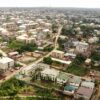
Ishiagu is a town located in the Ivo Local Government Area of Ebonyi State in southeastern Nigeria. The town spreads across fertile plains that have long supported farming, and sits in a region known for its balance of rolling hills and flat lands. This geography makes it both a peaceful home and a productive hub for agriculture.
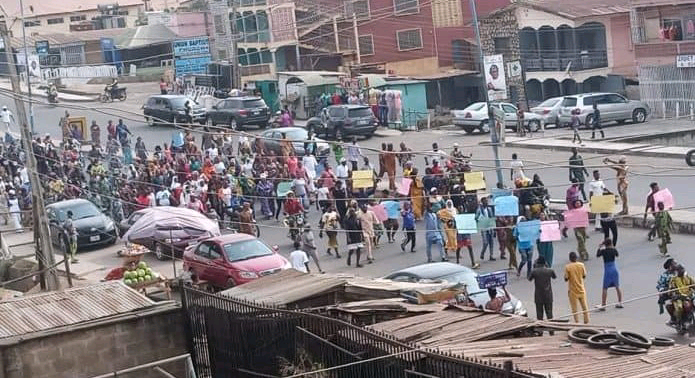
Travelling into Ishiagu, you will notice the mix of natural beauty and human activity. As the farmers are tending to cassava, yam, maize, and rice fields, the children are making their way to school along dusty or paved paths. The streets are alive with the sound of conversations, market chatter, and the occasional bicycle or motorcycle weaving through. Life in Ishiagu moves to a rhythm influenced by the seasons, community gatherings, and daily work.
Despite being a town with deep-rooted traditions, Ishiagu has access to neighbouring towns and states through local roads which keeps it connected to the larger economy and culture of Ebonyi State. Visitors and residents alike often remark on the warmth of the community, the friendliness of its people, and the way life in the community feels both vibrant and grounded.
In many ways, Ishiagu embodies a balance between history and modern life. While the fields still feed families and local markets, the town also hosts institutions that draws students and professionals from across Nigeria. This combination of tradition and progress gives Ishiagu a unique character that visitors and locals recognize instantly.
History of Ishiagu
The story of Ishiagu began long before the modern maps and formal records. This town grew from a collection of villages where families settled, farmed, and built lives together. Over time, seventeen villages came to form a unified community, each with its own small history but all linked by language, culture, and shared traditions.
Local residents often speak of a shared ancestry that binds these villages into a single town. While the exact names of the earliest settlers are not documented in formal records, oral traditions describe how different lineages came together to form a strong social fabric. Stories passed down from grand-parents recall families cooperating in farming, trading, and community building. These tales, though not formally recorded remain a living part of Ishiagu’s identity and are felt in the everyday rhythms of life in the town.
In the mid-20th century, Ishiagu gained wider recognition because of its mineral wealth. A lead and zinc open-pit mine began operation in 1965 and continued until the early 1980s. This mining activity brought employment opportunities and economic attention to the town while also introducing environmental challenges that have been studied by scientists and researchers.
Even during the mining era, agriculture remained central to life in Ishiagu. Families cultivated cassava, yams, maize, and rice which fed both their homes and the local markets. In Ishiagu, farming has always been more than an economic activity. It has been a cultural and social practice, that shaped how the people live, celebrate, and work together.
Education became another defining element of Ishiagu history. The town now hosts the Federal College of Agriculture, Ishiagu (FCAI) which moved to the area in the early 1990s and became fully established by 1995. The college provides National Diploma and Higher National Diploma programmes focused on agriculture, food processing, and rural development. Students from across Nigeria come to institution to learn practical and scientific approaches to farming. This has made the town a centre of agricultural education in southeastern Nigeria.
Through every chapter of its history, Ishiagu has maintained continuity. Its identity emerges from the land, the community, and the pursuit of knowledge. Families remember the efforts of past generations, fields continue to nourish lives, and the classrooms at FCAI carry forward its legacy of learning and progress. The history of Ishiagu is not just a record of events but a living narrative felt in the daily life of its people.
Economy and Industry
The economy of Ishiagu is rooted in the land, in both its natural resources and the skills of its people. Agriculture has always been at the heart of daily life in the community. Families cultivate cassava, yam, maize, and rice, and produce enough to feed their homes and supply to the local markets. Farming in Ishiagu is not just a means of survival, it is a tradition that ties people to the soil, the seasons, and each other. Markets buzz with activity, and bring together farmers, traders, and artisans to exchange goods, services, and stories.
Ishiagu’s history with mining also informed its economy. The lead and zinc mine which operated from 1965 to the early 1980s brought jobs and industrial activity to the town. While mining has ceased, its legacy remains visible in the land and in the studies on the environmental and health impacts. The mining era introduced Ishiagu to wider economic networks and helped to diversify its experience beyond agriculture.
Beyond farming and mining, small-scale industries also contribute to the livelihood of the town. Pottery, local crafts, and food processing are common in homes and community workshops. These industries support family income, preserve traditional skills, and add character to its economy. Handcrafted goods and market produce travel from village to village, and connect Ishiagu to the surrounding towns while sustaining its reputation as a hub of local trade.
The presence of the Federal College of Agriculture, Ishiagu (FCAI) has also influenced the local economy. Students, staff, and visitors create demand for housing, food, transportation, and services. This contributes to the thriving of small businesses, from roadside eateries to stationery shops, and enhances the profile of the community as an educational and economic hub in southeastern Nigeria.
Today, Ishiagu balances traditional farming, small-scale industries, and educational-driven commerce. Residents embrace both modern methods and long-standing practices that make the town a resilient and dynamic community. From the fertile fields to the busy classrooms, from market trade to artisanal crafts, every aspect of Ishiagu economy reflects the creativity, dedication, and resourcefulness of its people.
Education and Institutions

Education has become a cornerstone of Ishiagu that also define its identity beyond its agricultural roots. The most notable institution in the town is the Federal College of Agriculture, Ishiagu (FCAI) which was moved to the town in the early 1990s and became fully established by 1995. The college is a centre for learning, research, and practical training in agriculture that attracts students from across Nigeria.
At FCAI, students pursue National Diploma (ND) and Higher National Diploma (HND) programmes in fields like crop production, animal science, soil management, and food processing. Classes are complemented with hands-on experiences on experimental farms, research projects, and community outreach programmes. This practical approach helps students to connect knowledge to real-world farming challenges.
Beyond FCAI, the town hosts secondary schools and vocational training centres that provide foundational education and skill-building opportunities. These institutions serve both the local youth and students from nearby towns, thereby strengthening the role of the town as an educational hub in southeastern Nigeria. Education in Ishiagu shapes community development, encourages entrepreneurship, and empowers the young people to contribute to the economy and culture of the region.
The presence of the college and other schools has also boosted local businesses. Students and staff increase demand for housing, food, transportation, and retail services which creates a ripple effect in the economy. Small shops, eateries, and service providers thrive alongside the growing educational community.
Education in Ishiagu represents both heritage and progress as it builds on the agricultural tradition of the town while preparing residents for modern-day challenges. The classrooms, experimental farms, and study halls are now part of the rhythm of life that weaves learning into the social and economic fabric of the community.
Culture and Lifestyle

Life in Ishiagu is a combination of tradition, community, and the everyday rhythms of work and celebration. The culture is visible in the way people farm, trade, and gather, and in the stories, food, and crafts that pass from one generation to the next. The markets hum with activity as neighbours meet, exchange goods, and share news, while the homes are spaces where family life remains central to daily routines.
Traditional crafts like pottery and weaving, though less widespread than in the past are still practiced and reflect Ishiagu’s long history of artisanal skill. These crafts are often displayed in local markets and festivals to remind the residents and visitors alike of the creative heritage of the town. Food is another important cultural marker. Local dishes prepared with cassava, yam, and vegetables from nearby farms are shared at family meals, community gatherings, and special occasions.
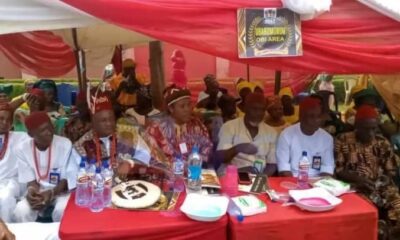
Festivals and ceremonies are central to Ishiagu social life. While formal documentation is limited, the residents celebrate seasonal events, agricultural milestones, and communal achievements with music, dance, and storytelling. These occasions strengthen community bonds and pass traditions to the younger generations, thus preserving the identity of the town.
Community life in Ishiagu also emphasizes cooperation and mutual support. Families rely on extended networks for farming, education, and social activities to create a sense of connection that is felt in every street and market. Even as education and economic activities grow, this communal spirit remains a defining feature of the town.
In Ishiagu, culture is not confined to history books or museums. It lives in the everyday routines, in the laughter shared over meals, in the stories told at sunset, and in the dedication of farmers, teachers, and students who sustain its traditions as they embrace progress. This vibrant combination of work, learning, and celebration makes Ishiagu a community where culture is both lived and cherished.
Notable People from Ishiagu
Over the years, Ishiagu has produced individuals who have made significant contributions to Nigeria and beyond. Among the most well-known is Senator Anyim Pius Anyim, a native of Ishiagu who has held several important national roles. He served as the Senate President of Nigeria and later became Secretary to the Government of the Federation.
Senator Anyim’s journey from a community in Ebonyi State to national leadership is a source of pride for residents of Ishiagu. His story reflects the values of hard work, education, and community support that are central to the identity of the town. Families in the community often point to his achievements as inspiration for young people to pursue education and public service.
Beyond politics, the town has nurtured educators, business leaders, and professionals who contribute to regional development. Many graduates from the Federal College of Agriculture have gone on to careers in farming, research, and agribusiness where they use skills learned locally to impact communities across Nigeria.
While formal records of every notable person are limited, the town values the achievements of those who carry its name beyond its borders. Their successes reflect the commitment of the town to education, tradition, and innovation. In Ishiagu, the accomplishments of one inspire many, and create a cycle of aspiration, mentorship, and community pride.
Current Issues and Community Development
Today, Ishiagu stands at the intersection of tradition and modern progress. While the town continues to thrive in agriculture, education, and small-scale trade, it faces challenges that require attention and planning. One ongoing concern is the environmental impact of past mining activities, particularly the legacy of lead and zinc extraction. Studies have shown traces of heavy metals in the soil, and this has prompted local authorities, researchers, and community leaders to focus on safe farming practices and land rehabilitation.
Education and infrastructure remain key priorities for community development. The Federal College of Agriculture, Ishiagu continues to expand its programmes and reach by offering opportunities for the youth while creating demand for housing, transportation, and local services. These developments boost the economy of the town, but in addition, require investment in roads, electricity, and public facilities to sustain growth.
Healthcare access is another area where Ishiagu continues to grow. Local clinics and health centres serve the town and surrounding villages. However, expanding services and public awareness programs can further improve the well-being of the residents. Community initiatives often focus on maternal health, child nutrition, and general preventive care which help families to maintain healthy lives alongside their busy farming and educational routines.
Despite these challenges, the community spirit of Ishiagu drives solutions. Residents, local leaders, and institutions collaborate on projects that strengthen the town socially and economically. Market initiatives, cooperative farming programmes, and youth empowerment projects reflect a proactive approach to development. Festivals, cultural events, and educational programmes also play a role in uniting the community and fostering pride in the heritage of the town.
In many ways, the story of Ishiagu today is one of resilience and forward-thinking. The town honours its past through culture, education, and community cohesion while actively addressing current issues. The residents are not just preserving tradition, they are building a future where Ishiagu thrives as a centre of learning, farming, and social development in southeastern Nigeria.
Landmarks and Places of Interest
Though Ishiagu is often celebrated for its agriculture and educational institutions, the town also offers several landmarks and points of interest that reflect its culture, history, and natural environment. These sites make the town inviting for visitors and offer residents spaces of pride and community life.
One of the most distinctive attractions in Ishiagu is its traditional pottery works. For generations, local artisans have moulded clay into cooking pots, water vessels, and ceremonial items. Visiting the pottery workshops offers a glimpse into living craftsmanship where age-old techniques are preserved and passed from one generation to the next. The handcrafted pots and decorative pieces showcase the creative spirit of the town and connect visitors to the cultural roots of the town.
Another key landmark is the Federal College of Agriculture, Ishiagu (FCAI). While primarily an educational institution, the college has become a central feature of the identity of the time. Its classrooms, research farms, and training facilities draw students, educators, and agricultural experts from across Nigeria. FCAI contributes not only to learning but also to the local economy as students and staff support markets, housing, and services in the town.
Beyond the town itself, Ishiagu is part of a region rich in natural and cultural sites. Nearby salt lakes, waterfalls, and rock formations provide scenic escapes and highlight the unique landscape of southeastern Nigeria. While some of these are a short drive from the town, they are part of the broader experience of visiting Ishiagu that offer opportunities for nature exploration and cultural context.
Finally, the local markets and communal spaces serve as informal landmarks where the social life of the community unfolds. These are places where residents meet, trade, share stories, and celebrate achievements. Whether it is the bustling market or a festival gathering, these spaces give Ishiagu its vibrancy and showcase the living culture of the town.
In Ishiagu, landmarks are not just physical spaces, they are part of its story. From pottery workshops to educational institutions and community spaces, each site reflects the heritage, creativity, and resilience of the people. They make the town a meaningful destination for both residents and visitors alike.
The Legacy of Mining in Ishiagu
Mining has played a defining role in the history and economy of Ishiagu. In 1965, the town became the site of one of Nigeria’s significant lead and zinc mining operations. The mine operated for nearly two decades, and attracted workers, investment, and attention from across the country. For Ishiagu, this period was transformative as it brought both opportunity and challenges.
During the mining era, families found new employment opportunities, small businesses grew to meet the demands of workers, and the town gained wider recognition beyond its agricultural roots. The industry introduced modern equipment, technical training, and exposure to industrial practices which contributed to a broader understanding of work and commerce in the community.
However, the legacy of mining in Ishiagu is not only about the growth. Researchers have highlighted environmental concerns stemming from lead and zinc extraction. Traces of heavy metals remain in some areas which affects soil and water quality. This has led to ongoing efforts to educate local farmers about safe farming techniques and to monitor environmental health.
Despite these challenges, mining left an indelible mark on Ishiagu. It impacted its economy, influenced migration and settlement patterns, and inspired a generation to pursue education and technical skills. Today, while the mine no longer operates, its influence remains visible in the infrastructure of the town, community stories, and economic experience.
The legacy of mining in Ishiagu is a reminder of how industry can transform a community. It brought modernity, opportunity, and challenges, all of which continue to inform decisions about development, agriculture, and community planning. The residents remember the mining era not only as a period of change but as a chapter in the ongoing story of Ishiagu’s growth and resilience.
In Conclusion …
Ishiagu is a town where history, culture, education, and economy intersect. From its early settlers and shared ancestry to its agricultural heritage and the transformative mining era, Ishiagu reflects the resilience and resourcefulness of its people. While the markets, festivals, and traditional crafts keep the culture alive, institutions like the Federal College of Agriculture, Ishiagu ensure the town continues to grow as a centre of learning and innovation.
There are challenges, though, from the environmental concerns linked to past mining to the need for expanded infrastructure and healthcare services. Yet, the community’s strong sense of cooperation, commitment to education, and entrepreneurial spirit provide a foundation for sustainable growth. Ishiagu is a town where the past informs the present, and the residents work together to shape a promising future, thus making it a vibrant and enduring part of Ebonyi State.
References
- https://en.wikipedia.org/wiki/Ishiagu
- https://en.wikipedia.org/wiki/Ivo%2C_Ebonyi
- https://www.ebonyistate.gov.ng/page/towns-and-villages
- https://www.sciencedirect.com/science/article/abs/pii/S0731724784800038
- https://www.sciencedirect.com/science/article/abs/pii/S0375674218305053
- https://theeagleonline.com.ng/ishiagu-community-where-illustrious-sons-share-legacy-of-love/
- https://ikengaonline.com/2024/09/29/police-attack-ebonyi-communitys-new-yam-festival-venue/
- https://nnewicity.com/ishiagu-pottery-works-traditional-igbo-craftsmanship-in-ebonyi-state/
- https://ebonyiface.com/state/culture/the-tourist-attractions-in-ebonyi-state.html
- https://ebonyiface.com/state/culture/the-tourist-attractions-in-ebonyi-state.html