





Igbo People and Culture
Izzi People of Ebonyi State: Origins, Culture, Festivals, and Way of Life

The Izzi people belong to is a vibrant community in Ebonyi State known for its rich history, culture, festivals, language and way of life. Discover the origins, traditions and everyday life of the Izzi people and why their heritage matters.

Izzi is not just a place on the map of Ebonyi State. It also refers to a people, land, memory, and a way of life that has endured for generations. Located in southeastern Nigeria, the Izzi people are a part of the wider Igbo world, even though they carry an identity that is distinctly their own. From farming communities spread across fertile plains to market towns alive with daily trade, its life has always been rooted in connection to the land and to one another.
For centuries, the Izzi people have preserved their history through oral traditions, festivals, language, and communal living. Their customs, especially agricultural celebrations tell stories of gratitude, survival, and continuity. Even as modern life reshapes parts of Ebonyi State, Izzi culture remains visible in everyday practices, family structures, and shared values.
This article explores the origins, culture, festivals, language, and way of life of the Izzi people of Ebonyi State. It brings together history, lived experience, and verified accounts to offer a clear and grounded understanding of who they are, where they come from, and why their heritage still counts today.
Who Are the Izzi People?
The Izzi people are an ethnic group in southeastern Nigeria and one of the major communities that make up Ebonyi State. They belong to the larger Igbo ethnic group specifically classified as a North Eastern Igbo subgroup. For generations, they have lived on their ancestral land, and have built strong communities shaped by farming, kinship, shared history, and deep respect for tradition.
The name Izzi refers both to the people themselves and to the area they occupy known today as Izzi Local Government Area, with Iboko as its administrative headquarters. Beyond the LGA, the people are also found in other parts of Ebonyi State and across Nigeria, especially in cities where many have migrated for education, work, and trade. Despite this movement, ties to home remain strong, and many return regularly for festivals, family gatherings, and communal events.
Culturally, the Izzi people are known for their close-knit social life. Extended families form the backbone of the society, and community decisions traditionally involve the elders, age groups, and family heads. Farming has long been central to their life, with crops like yam, cassava, rice, and maize supporting both household needs and local economy. These agricultural roots are also closely tied to their cultural practices and seasonal celebrations.
The people speak the Izzi dialect also known as Izii which belongs to the Igboid language group. While many of the people today are bilingual, using both their native dialect and standard Igbo or English, the dialect remains an important marker of identity, especially within homes and rural communities.
Above all, the Izzi people are defined by a strong sense of belonging. Their history, customs, festivals, and everyday practices connect them to their land and to one another, thus making it not just a place but a shared identity carried across generations.
Origins and Historical Background

The origins of the Izzi people are deeply rooted in the broader history of the Igbo of southeastern Nigeria. Like many Igbo communities, Izzi history is preserved mainly through oral traditions passed down from elders, family heads, and community custodians. These accounts trace the ancestors of the Izzi people to early Igbo populations that settled across the fertile lands that now make up Ebonyi State, long before the arrival of colonial rule.
Oral narratives commonly describe gradual migration and settlement rather than a single founding event. Groups moved in search of arable land, water sources, and security, and eventually formed stable communities bound by kinship and shared ancestry.
Over time, these settlements developed into the distinct Izzi identity, separate but closely related to neighbouring groups such as the Ezza, Ikwo, and Mgbo, with whom the Izzi share linguistic and cultural similarities. These relationships suggest a long history of interaction, intermarriage, and shared heritage within the North Eastern Igbo area.
Before colonial contact, Izzi society, like other Igbo communities was organized around autonomous villages and clans. Each community governed itself through councils of elders, age groups, and lineage heads. Authority was collective rather than centralized, and leadership depended on wisdom, experience, and moral standing within the community. Social order was maintained through customs, taboos, and ancestral laws that guided land ownership, marriage, and conflict resolution.
Agriculture played a central role in early Izzi history. The availability of fertile soil allowed farming to flourish, particularly the cultivation of yams which became both an economic staple and a cultural symbol. Farming cycles influenced social life, religious observances, and communal cooperation.
The arrival of British colonial administration in the early twentieth century brought significant change. Traditional governance structures were altered as colonial authorities introduced warrant chiefs and new administrative boundaries. Izzi land was eventually grouped into what is now known as Izzi Local Government Area. While colonial rule disrupted aspects of indigenous leadership and justice systems, many traditional practices continued at the local level, especially in cultural and social life.
In the post-colonial era, the creation of Ebonyi State in 1996 gave the Izzi people greater political visibility within Nigeria. Since then, Izzi communities have played an important role in the social, economic, and political development of the state while still maintaining strong links to their historical roots.
Today, the history of the Izzi people remains a living story. It is visible in their language, land use, festivals, and communal values. Though shaped by migration, colonial influence, and modern change, the past continues to guide the present-day identity and community life of the area.
Geographic Location and Communities
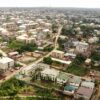
The Izzi people primarily live in Izzi Local Government Area (LGA) which is one of the largest and most significant LGAs in Ebonyi State, southeastern Nigeria. The LGA covers an area of approximately 2,264 square kilometers, thus making it a region with both extensive farmland and clustered settlements. Its administrative headquarters is in Iboko, a historic town that has long served as a hub for governance, trade, and cultural gatherings.
Izzi communities are spread across several towns and villages, including Ebunwana, Azuogwu, Ezza-Ama, Ezillo, and Nkalaha, among others. These towns are home to extended families and clans that trace their roots to ancestral lineages, often maintaining strong connections with neighbouring villages. The arrangement of these communities reflects both social organization and access to agricultural land which has historically shaped settlement patterns.
The region features a tropical climate with distinct wet and dry seasons. Fertile plains, river valleys, and rolling hills dominate the landscape, and provide ideal conditions for cultivating yams, cassava, rice, and maize. Rivers and streams crisscross the area and supply water for both household use and irrigation. The combination of fertile land and water sources has long made farming central to Izzi life.
Markets and trading centre in towns like Iboko and Ezillo are vital to community life. They serve as places not only for economic exchange but also for social interaction, news sharing, and cultural events. These hubs strengthen connections between villages and provide a platform for both small-scale traders and farmers to engage with the wider markets.
The geographic position of Izzi also places it near other significant communities in Ebonyi State and bordering states such as Ikwo, Ezza, and parts of Cross River and Benue States. This proximity has fostered cultural exchange, intermarriage, and trade relationships over centuries which allow the Izzi people to maintain a distinctive identity while participating in a broader regional network.
In essence, the geography of Izzi shapes everyday life. From the layout of villages to the seasonal rhythms of farming and the locations of markets, the land is central to how the Izzi people live, work, and maintain their community ties. The close-knit network of towns and villages ensures that cultural traditions, festivals, and social values continue to thrive across generations.
Language and Identity
Language is a central part of Izzi identity and plays a key role in connecting the community to its history, culture, and social life. The Izzi people speak the Izzi dialect, also called Izi or Izii which belongs to the Igboid branch of languages spoken in southeastern Nigeria. This dialect is closely related to the languages of neighbouring groups, including Ezza, Ikwo, and Mgbo, thus making it mutually intelligible with many North Eastern Igbo communities.
For the Izzi people, language is more than a means of communication. It preserves oral history, proverbs, songs, folktales, and communal knowledge that have been passed down through generations. Elders often use the Izzi dialect to teach young people about customs, social responsibilities, and family lineage. Through these interactions, the language reinforces a sense of belonging and continuity.
While English and standard Igbo are widely spoken in schools, towns, and formal settings, the Izzi dialect remains the primary language in homes and rural communities. During festivals and traditional ceremonies, the language takes centre stage, especially in storytelling, songs, and rituals that celebrate its culture.
Language also plays a role in identity and pride. Being able to speak and understand Izzi dialect is seen as a mark of belonging. Even Izzi people who live in cities or abroad often return home during festivals or family events and use the dialect to reconnect with relatives and the community.
In contemporary times, efforts are underway to preserve the Izzi dialect. Scholars, local educators, and community leaders encourage teaching the language in schools, recording oral histories, and using it in written form for cultural publications. These measures ensure that the Izzi language remains a vibrant part of community life that keeps the people connected to their root.
Simply put, the Izzi dialect is both a cultural treasure and a living link to identity. It carries the stories, values, and traditions of the Izzi people and reminds each generation of where they come from and the community they belong to.
Traditional Social and Political Structure

The Izzi people have long maintained a social and political system rooted in family, lineage, and community cohesion. Before the arrival of colonial administration, Izzi communities were largely self-governing, with authority distributed among elders, age groups, and family heads rather than centralized in a single ruler. This structure allowed the community to make collective decisions, maintain social order, and manage land and resources effectively.
At the village level, leadership rested with the elders and titled men who were respected for their wisdom, experience, and moral integrity. These leaders oversaw important matters such as land allocation, conflict resolution, and the enforcement of customs and taboos. They also played a central role in planning and executing community projects, including farming initiatives, infrastructure development, and festival organization.
Age grades were another important aspect of Izzi social organization. Men and women were grouped according to age and social responsibilities which allowed communities to coordinate labour for farming, construction, and defense. The younger members learned from the older generations by gradually taking on responsibilities that prepared them for leadership and social roles within the community.
Family and lineage were the foundation of social life. Extended families often lived in close proximity by sharing compounds and working collectively on farming and other economic activities. Decisions that affected multiple families such as marriages, land disputes, or communal projects were usually mediated by the elders and family heads to ensure that outcomes reflected the interests of the wider group.
Colonial administration in the early twentieth century introduced new political structures, including warrant chiefs and indirect rule which altered the traditional balance of authority. Despite this, many communities retained their customary councils, especially for cultural and social matters as a way of ensuring continuity in local governance.
Even today, traditional structures coexist with modern political institutions. Community elders continue to advise on local issues, resolve disputes, and lead cultural ceremonies. The chiefs and village heads often serve as liaisons between the Izzi people and government authorities, thus preserving their voice in broader state and national affairs.
In essence, the traditional social and political structure of the Izzi people is community-centered, participatory, and deeply rooted in respect for elders and kinship networks. It reflects a system designed to promote unity, cooperation, and continuity which ensures that every member of the community has a role in sustaining the social fabric.
Cultural Values and Everyday Life
The Izzi people are guided by cultural values that emphasize family, community, respect, and cooperation. These values are woven into daily life, and shape how individuals interact with one another, approach work, and participate in social activities. Family is the cornerstone of Izzi society. Extended families often live near one another or share compounds to create a network of support where responsibilities and resources are shared. Elders are highly respected, and their guidance is sought in decision-making, conflict resolution, and maintaining moral standards.
Daily life in Izzi communities is closely linked to agriculture. Most people spend significant time farming yams, cassava, rice, and vegetables which provide both sustenance and income. Farming is not only an economic activity but also a communal one. Families and neighbours work together during planting and harvest seasons. This helps to strengthen social bonds and foster a sense of shared purpose.
Hospitality is a defining feature of Izzi culture. Guests are welcomed warmly, offered food, and treated with care. This practice reflects a broader value placed on generosity and social connection. People are also expected to show respect to elders, maintain harmony within the family and community, and participate in communal activities.
The Izzi worldview places importance on morality, honesty, and communal responsibility. Social norms guide behaviour, and deviations from expected conduct are usually addressed through discussion, mediation, or ritual, rather than punitive measures alone.
Children in Izzi communities learn cultural values through observation and participation. The elders teach them the significance of family ties, respect for authority, and the importance of contributing to communal life. Young people also assist in daily tasks such as farming, fetching water, or helping in markets, thereby instilling a sense of responsibility and connection to the land and community.
Festivals, rituals, and communal gatherings punctuate everyday life and serve as reminders of shared heritage and collective identity.
Essentially, the everyday life of the Izzi people is a mix of work, social interaction, and cultural practice. Their values foster unity, resilience, and continuity in the bid to ensure that traditions, relationships, and community cohesion remain strong across generations.
Festivals and Ceremonial Life

Festivals and ceremonies are central to the Izzi people’s cultural life as they serve as moments to celebrate, give thanks, and strengthen community bonds. Among the Izzi people, festivals are closely tied to the agricultural calendar, social milestones, and spiritual traditions that reflect both gratitude for the land and recognition of ancestral guidance.
One of the most important celebrations is the Ojiji Festival which marks the end of the yam harvest and the beginning of a new farming season. Yams are a central crop for the Izzi because it symbolizes life, prosperity, and community well-being. During the festival, families prepare special dishes made from newly harvested yams and share them with neighbours, friends, and visiting relatives.
Ojiji Festival is also a time for music, dance, and storytelling. Traditional songs recount the history and values of the Izzi people while dances bring together people of all ages. The elders often lead rituals of thanksgiving to the ancestors where they offer prayers for protection, good harvests, and communal harmony. These rituals are deeply symbolic as they link past generations with the present and reinforce cultural continuity.
In addition to agricultural festivals, the Izzi people observe ceremonies for important life events such as births, marriages, and initiation into age grades. Marriage ceremonies are elaborate, and involve negotiations between families, presentations of gifts, and public celebrations. Initiation rites mark the transition of youth into adulthood where they are taught the responsibilities and the expectations of community life.
Markets and public gatherings also take on ceremonial importance during festival periods. Temporary shrines or ceremonial spaces are prepared, and traditional leaders, titled men, and elders play prominent roles in coordinating events. Participation is considered a civic and cultural duty.
While Christianity and modern influences are present in Izzi communities today, festivals remain a vital expression of identity and heritage. They allow the people to celebrate continuity, express gratitude, and reinforce bonds across families and villages. Through festivals like Ojiji and other ceremonial practices, the Izzi people maintain a living connection to their history, land, and shared values.
In essence, the festivals and ceremonial life of the Izzi people are not just events but a reflection of their worldview which links agriculture, spirituality, community, and tradition in ways that sustain cultural identity across generations.
Traditional Occupations and Economy

The Izzi people have traditionally built their livelihoods around agriculture, trade, and small-scale craftsmanship. Farming is the cornerstone of the Izzi economy with families relying on the fertile land of Ebonyi State to cultivate staple crops such as yams, cassava, rice, maize, and vegetables. Yams, in particular hold both economic and cultural significance as they serve as a primary source of food, a commodity for local markets, and a symbol of prosperity celebrated during the Ojiji Festival.
Farming is typically a communal activity. Family members work together during planting and harvest seasons, and neighbouring households often assist one another. Agricultural practices combine traditional knowledge passed down through generations with modern techniques, including the use of improved seedlings, basic irrigation, and crop rotation to maintain soil fertility.
Apart from farming, the Izzi people engage in trading and small-scale commerce. Market towns such as Iboko and Ezillo serve as hubs where local produce, crafts, and goods from surrounding areas are bought and sold. Traders, especially women play a vital role in the economy by selling foodstuffs, textiles, and handmade items.
Some Izzi families also pursue animal husbandry, including the rearing of goats, chickens, and small livestock. These activities supplement household income and provide additional sources of nutrition. Traditional craftsmanship such as weaving, pottery, and woodworking has historically supported local needs and trade, though modern economic pressures have shifted much of this work to hobby or supplementary income.
The economy of the Izzi people has gradually adapted to contemporary changes. While farming remains central, many community members now engage in formal employment, education, and urban trade. Migration to cities and other states has expanded economic opportunities while maintaining strong connections to ancestral land through remittances, seasonal farming, and participation in festivals.
Summarily, the traditional occupations of the Izzi people, i.e. farming, trading, animal husbandry, and craftsmanship form the foundation of their economy. These activities are deeply tied to cultural life, community interaction, and the natural environment, and ensure that the economic and social fabric of Izzi society remains resilient across generations.
Religion and Beliefs
Religion and spirituality play an important role in the lives of Izzi people. Historically, the Izzi observed indigenous religious beliefs that focused on the worship of ancestors, spirits, and deities associated with the land, rivers, and harvests. These practices were closely tied to agriculture, community well-being, and moral conduct.
For example, libations and prayers were offered to the ancestors during planting and harvest seasons to ask for protection, fertility, and prosperity. Sacred spaces such as shrines or groves were central to these rituals and served as sites for community gatherings and ceremonies.
With the spread of Christianity in southeastern Nigeria, most Izzi people today practice Christian faith alongside traditional customs. Churches, particularly Catholic, Anglican, and Pentecostal denominations are prominent in towns and villages. Christian observances have become integrated into community life as complements rather than entirely replacing indigenous rituals. Many families attend church services regularly while still respecting traditional festivals and cultural practices.
The Izzi worldview emphasizes gratitude, respect, and moral responsibility, values reinforced by both religious and cultural teachings. Traditional beliefs continue to influence daily life, especially regarding social behaviour, family life, and community harmony. Even in Christian households, elders often maintain practices that honour the ancestors and celebrate key agricultural milestones. This reflects a syncretic approach that balances faith with heritage.
Religious leaders, both traditional and Christian play an important role in guiding the community. They oversee ceremonies, counsel families, and provide spiritual support during times of hardship or celebration. This dual religious framework allows the Izzi people to navigate modern life while remaining connected to their ancestral values.
In essence, the religion and beliefs of the Izzi people illustrate a harmonious blend of tradition and modern faith. Their spiritual practices, whether ancestral or Christian continue to guide moral conduct, strengthen community ties, and sustain cultural identity across generations.
Izzi People in Contemporary Times
The Izzi people have experienced significant changes in recent decades as a way of adapting to modern life while maintaining a strong connection to their cultural roots. Today, Izzi communities balance tradition with education, economic development, and urban migration, thus creating a society that is both rooted and dynamic.
Education has become a central focus for many Izzi families. Schools are present across towns and villages to provide the children and youth with opportunities to learn beyond traditional knowledge. Many young people from Izzi now attend universities and technical institutions across Nigeria, and some even pursue careers abroad. Despite these migrations, cultural ties remain strong, and many return home for festivals, family events, and communal activities.
Urban migration has also introduced new economic opportunities. Members of the Izzi community engage in civil service, private businesses, and professional careers in cities like Abakaliki, Enugu, and Lagos. These roles complement traditional occupations like farming and trading, and allow families to diversify income and improve standards of living.
Cultural preservation remains important in contemporary Izzi life. Festivals like the Ojiji Festival continue to unite families and villages while the elders and community leaders work to teach the younger generations about their language, customs, and history. Modern media, including social networks and local radio stations have become tools for promoting Izzi culture, sharing announcements about cultural events, and connecting members of the diaspora.
Politically, the Izzi people are active participants in Ebonyi State governance. Community members hold positions in local government, civil service, and state leadership, and as such, contribute to policymaking and development initiatives. This political engagement has strengthened the visibility of Izzi interests within the broader state context.
Despite modernization, the Izzi people continue to value family, community, and land. Many households maintain small farms, participate in local markets, and uphold traditional ceremonies alongside modern practices. Its ability to integrate new ideas while respecting cultural heritage reflects resilience and adaptability, and ensures that Izzi identity remains strong in a changing world.
Overall, the Izzi people in contemporary times live at the intersection of tradition and modernity. They embrace education, economic growth, and political participation as they continue to celebrate festivals, maintain social bonds, and preserve their unique language and customs. This balance allows the Izzi community to thrive and pass their rich heritage to future generations.
Cultural Significance of the Izzi People
The Izzi people hold an important place in the cultural landscape of Ebonyi State and southeastern Nigeria. Their traditions, language, festivals, and communal practices offer a living link to the history and identity of the region which contribute to both local and broader Igbo heritage.
One of the key aspects of Izzi cultural significance is their preservation of indigenous knowledge and customs. Through oral histories, proverbs, folktales, and rituals, the Izzi maintain a deep understanding of their past and pass it on to the younger generations. This continuity ensures that values such as community cooperation, respect for elders, and moral responsibility remain central to social life.
Festivals like the Ojiji Festival are not only celebrations of the yam harvest but also expressions of gratitude, unity, and cultural pride. These events attract members of the diaspora, neighbouring communities, and scholars interested in Igbo culture. They serve as a platform for teaching the younger generations about traditional music, dance, cuisine, and social norms, thereby reinforcing the Izzi identity within a modern context.
The Izzi language also contributes to their cultural significance. As a distinct dialect within the Igbo language cluster, it preserves unique expressions, stories, and ways of thinking. Language acts as a vessel for culture, and allows the Izzi people to maintain a strong sense of belonging even as members migrate to urban centres or abroad.
Economically and socially, the Izzi people have shaped regional life through farming, trade, and craftsmanship. Their agricultural practices, market systems, and communal cooperation have historically supported not only their communities but also neighbouring areas.
Politically and socially, the Izzi people are active contributors to the development of Ebonyi State. By participating in governance, education, and civic initiatives, they ensure that their cultural perspectives are represented and respected. This engagement highlights how traditional communities can remain relevant while adapting to modern structures.
In essence, the cultural significance of the Izzi people lies in their ability to maintain a rich heritage while participating in contemporary life. Through festivals, language, social values, and economic contributions, they enrich Ebonyi State and the wider Igbo culture by providing a model of how traditions can coexist with progress. Their story reminds us that culture is not static but a living, evolving part of everyday life.
In Conclusion …
The Izzi people of Ebonyi State are a vibrant community whose history, culture, and way of life reflect resilience, unity, and continuity. From their early origins as part of the North Eastern Igbo group to their present-day role in education, governance, and economic development, they have maintained a strong sense of identity rooted in family, land, and tradition.
Their festivals, especially the Ojiji Festival, language, and communal practices serve as living expressions of cultural heritage that link generations and reinforce values such as respect, cooperation, and gratitude. Even as modern influences reshape aspects of daily life, the Izzi people continue to honour their traditions while embracing education, urban opportunities, and broader participation in state and national affairs.
By understanding the origins, culture, festivals, and everyday life of the Izzi people, we gain insight into the richness of the heritage of the southeastern Nigeria and the enduring importance of preserving indigenous knowledge.
The Izzi story is not only about survival but also about thriving with pride, passing a vibrant culture from one generation to the next, and contributing meaningfully to the social and cultural tapestry of Ebonyi State and Igboland.
References
- https://en.wikipedia.org/wiki/Izzi_people
- https://en.wikipedia.org/wiki/Izzi_(Ebonyi)
- https://en.wikipedia.org/wiki/Izi_language
- https://www.doorstepreporters.com/2025/08/ojiji-festival-how-new-yam-unites-izzi.html
- https://www.manpower.com.ng/places/lga/258
- https://nnewicity.com/ojiji-festival-in-izzi-ebonyi-state/