




Festivals & Traditions
Igwa Nshi Festival: A Celebration of the Cultural Heritage of Eke People in Udi LGA, Enugu State

Igwa Nshi Festival is a vibrant cultural celebration in Eke, Enugu State where the community members honour history through drumming, dancing, reunions, and tradition as they celebrate identity and togetherness.

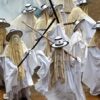
Igwa Nshi Festival is a cultural celebration held in Eke, Enugu State in southeastern Nigeria. It is the heartbeat of the community, a rhythm that calls families home, and a living story of history, culture, and togetherness. Every year, the streets of Eke fill with the steady drumbeats that echo tales of resilience and reunion. Children run alongside the elders, women sway gracefully to the music, and laughter blends with the sounds of traditional drums.
For the people of Eke, the festival is a time to reconnect with family, with neighbours, and with the stories of their ancestors. It is where history is remembered not in books but in movement, music, and ceremony. From the ceremonial drumming to the lively dances, every moment of the Igwa Nshi Festival is an invitation to experience Igbo tradition at its most vibrant. Visitors and locals alike witness a community celebrating identity, pride, and continuity.
Whether you are curious about Igbo culture, fascinated by African festivals, or simply love stories that mix music, history, and human connection, Igwa Nshi Festival offers a window into the soul of Eke. This is a festival where the past and present meet, where traditions are honoured, and where the rhythms of the drums keep memories alive for generations.
Overview of Eke
Eke is a historic Igbo community located in Udi Local Government Area of Enugu State, in southeastern Nigeria. It is one of the notable towns in the old Udi Division and is widely known for its strong cultural identity, communal values, and long-standing traditions. The town sits within a hilly landscape typical of the Udi Plateau, with fertile land that supports farming and settlement.
The community of Eke is traditionally made up of five villages, all linked by ancestry and shared history. These villages function together as one social and cultural unit with common festivals, markets, and leadership structures. Despite modern administrative changes, this sense of unity remains central to life in Eke.
Eke has a long history of agriculture with farming forming the backbone of its traditional economy. Crops like yam, cassava, cocoyam, and vegetables have sustained families in the community for generations. The rhythms of farming life are closely tied to cultural events, which is why festivals like the Igwa Nshi Festival hold deep meaning within the community.
Culturally, Eke is known for its respect for elders, strong kinship ties, and commitment to communal gatherings. Traditional institutions coexist with Christianity which is now widely practiced in the town. Many cultural celebrations have adapted to this reality of blending heritage with contemporary religious and social life.
Today, Eke is both a home community and a point of return. Although many of the indigenes live in cities across Nigeria and abroad, cultural events draw them back regularly. During festivals, the town becomes a centre of reunion, storytelling, music, and shared memory. This balance between rooted tradition and modern mobility is part of what keeps the cultural life of the community vibrant.
Within this setting, the Igwa Nshi Festival stands out as one of the most important expressions of Eke identity that brings together its history, people, and values in a way that few other events can, thereby making Eke not just a dot on the map but a living cultural community.
Meaning of Igwa Nshi Festival
Igwa Nshi Festival is a vibrant cultural celebration that takes place every year in Eke, Enugu State, in southeastern Nigeria. It is one of the most cherished events for the Eke community that draw families and visitors from near and far. At its heart, the festival is a time of reunion, joy, and cultural pride. It is when people gather to celebrate history, honour the ancestors, and embrace Igbo tradition in its most lively form.
Igwa Nshi Festival is often described as a festival of drums and reunion because drumming and music are central to the celebration. From the large ceremonial drums to the smaller hand instruments, the rhythms fill the air and call everyone to join in the dance, song, and communal festivities. Children, adults, and elders all participate in creating a powerful sense of togetherness.
Historically, the Igwa Nshi Festival began as a ritual connected to protection, community resilience, and thanksgiving. Early accounts from the elders indicate that it originated during periods of inter-communal conflicts when the people of Eke would celebrate the return of warriors and the preservation of the town. The drums, dances, and ceremonies were initially meant to honour the spirits and safeguard the community. Over time, the festival evolved into a cultural celebration. It retains its deep spiritual and communal significance, even as it becomes a joyful occasion for all.
Today, the Igwa Nshi Festival is a mix of tradition and modern celebration that showcases the rich heritage of the Igbo people and bring history to life through music, dance, and communal gatherings. Visitors to Eke during the festival are not only witnesses but participants in a centuries-old tradition that continues to thrive and inspire.
Origins and Historical Background
Igwa Nshi Festival in Eke, Enugu State began long before modern celebrations brought family reunions and dancing to Amankwo Square. Its roots reach deep into the history of the Eke people and the challenges they once faced as a community. According to oral tradition and local reporting, the festival emerged from a time of conflict and survival, and has grown into one of the most meaningful cultural celebrations for the people of Eke.
Eke is made up of five villages that trace their ancestry to a common forefather. When the people first settled in their current homeland, they faced repeated hostilities from neighbouring communities who sought to drive them away from their land. These conflicts scattered members of the community to surrounding areas. One courageous man, sometimes identified in tradition as Ezenwiyagha is remembered for returning to the abandoned settlement and rallying the people back home.
To protect themselves from further danger, the returning indigenes sought the help of a powerful traditional healer who prepared protective charms known as nshi. These charms were believed to offer spiritual protection and strength against enemies. Part of the healer’s advice was that the community should renew the protection each year to maintain peace and prosperity. This instruction became the foundation for what would later evolve into Igwa Nshi Festival.
At first, the event included rituals, sacrifices, and spiritual practices tied to protection and community renewal. Drums such as abia and ekwe were used in ways that carried symbolic meaning, not only as instruments for music but also to invoke spiritual strength and unity. The original focus was less about entertainment and more about community survival and thanksgiving.
With time, and particularly with the arrival of Christianity in Eke, many of the traditional rituals were adapted or set aside. The people of Eke today are predominantly Catholic, and the festival is no longer practiced as a spiritual rite in the traditional sense. Instead, it has been embraced as a cultural heritage celebration that honours history, identity, and togetherness. Despite these changes, the annual timing, drumming, and communal gathering of the Igwa Nshi Festival still carry echoes of the past.
The festival also holds seasonal meaning. In many years, it takes place around the planting or harvest season, thus linking the community’s agricultural cycles with thanksgiving and hope for good harvests and health. Through this evolution, the celebration became a time not only to remember the past challenges but also to look forward with optimism and unity.
Today, Eke people celebrate the Igwa Nshi Festival as one of their most important cultural events where they come together to share food, music, dance, and stories of their collective journey. What began as a ritual remembrance of protection and resilience has become a vibrant cultural festival that draws people home and binds generations together.
Cultural Significance and Meaning

Igwa Nshi Festival entails more than a series of dances and drumbeats. For the people of Eke, it is a celebration of identity, community, and continuity. Every rhythm, step, and chant carries meaning. It is a way to honour the ancestors, teach the younger generations about history, and bring everyone together in a shared experience of belonging.
At the heart of the Igwa Nshi Festival is the idea of reunion. Families scattered by work, education, or marriage return home to participate. The elders who carry the knowledge of the community’s history share stories and guidance. Children watch, learn, and participate with the aim of ensuring that the traditions pass from one generation to the next. This human connection is what makes the festival so powerful as it strengthens bonds and reminds everyone of their roots.
Drumming is central to this expression. Each beat signals more than music. It is a call to gather, a symbol of resilience, and a celebration of life. Dances and songs reflect joy, gratitude, and remembrance. The festival becomes a living classroom where the participants experience Igbo culture firsthand.
Beyond its local significance, the Igwa Nshi Festival offers insight into broader Igbo cultural values. It emphasizes community solidarity, respect for elders, and the importance of preserving memory and tradition. Visitors and participants are reminded that culture is not static. It lives in music, movement, and shared stories. By celebrating together, the people of Eke show how history, heritage, and daily life can coexist harmoniously.
In essence, Igwa Nshi Festival is a bridge that links the past and the present, the young and the old, home and diaspora. Each performance, each drumbeat, and each dance step is a reminder of resilience, unity, and the enduring spirit of Eke. The festival is both a memory and a celebration, a moment when culture comes alive in its fullest, most human form.
When and How It Is Celebrated
Igwa Nshi Festival in Eke, Enugu State is a celebration that combines history, culture, and community in a rhythm that resonates across the town. Unlike fixed-date holidays, the timing is traditionally guided by the Igbo lunar calendar and community announcements. The elders in Eke observe the moon and other seasonal signs to declare when preparations should begin. This keeps the festival closely connected to both cultural tradition and natural cycles.
Preparations often start weeks in advance. Families clean their homes, repair traditional attire, and polish drums. Young men and women practice dances, and drummers rehearse intricate rhythms. The atmosphere is filled with anticipation and excitement as the festival is not only a cultural event but also a homecoming. People who have moved to cities or even abroad plan their return months in advance to be part of the celebration.
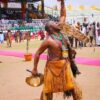
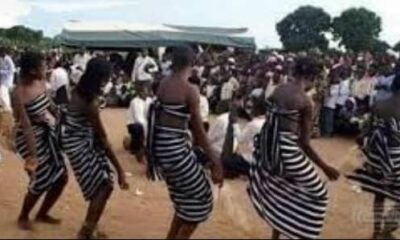
The main celebrations take place in Amankwo Square which is the heart of Eke. The square becomes a hub of activity, vibrant with sound, colour, and movement. Drummers play traditional instruments such as the abia and ekwe, and create rhythms that echo across the town and summon residents to join the festivities. Women and children perform traditional dances while the elders watch proudly, guiding and mentoring the younger generation.
Food and communal sharing are also central to the celebration. Local delicacies like yam dishes, pounded yam, soups, and palm wine are shared freely among families and visitors. The festival becomes an opportunity not only to celebrate culture but also to strengthen social bonds. Families who have lived apart reconnect, share stories, and enjoy the simple joy of being together.
Children also have special roles in Igwa Nshi festival. They participate in Nshi Umuaka, a series of small dances and performances that teach them about rhythm, coordination, and tradition. These activities are not just entertainment as they serve as practical lessons in cultural preservation to ensure that the festival remains alive for generations to come.
The celebration often lasts several days, beginning with smaller communal gatherings and building toward the main festival day. Every element, from the drumming to the dances, the communal meals to the storytelling is an expression of Igbo heritage and identity. Visitors are invited not only to watch but to participate, thus making the Igwa Nshi Festival a deeply immersive cultural experience.
Drumming and Dance: The Heartbeat of the Festival

No part of the Igwa Nshi Festival captures the spirit of Eke more vividly than its drumming and dance. The festival is often called a festival of drums because the rhythms are the life of every celebration. From the moment the first drumbeat sounds in Amankwo Square, the town comes alive. Drummers of all ages gather to perform intricate patterns that echo across the community, and draw everyone toward the centre of activity.
Drums in Eke are messengers of culture and history. Each beat signals a call to gather, announces the start of dances, or celebrates particular moments within the festival. Men and boys often play larger ceremonial drums while women and children join with smaller percussion instruments or claps, thereby creating a layered symphony that resonates through the town.
Dancing is inseparable from the drumming. Movements are lively, deliberate, and often tell stories of past struggles, triumphs, and everyday life in Eke. Some dances are passed down for generations and require practice, coordination, and an understanding of rhythm. Young participants learn from the elders in a way that ensures that each movement and gesture carries the tradition forward. The dances are joyful, yet meaningful as they embody history, culture, and communal pride.
The combination of drumming and dance creates a shared energy. People watching are often invited to join in by clapping hands or stepping into the circle of dancers. The festival blurs the line between the performer and the observer and allows everyone to experience the vibrancy of Igbo culture firsthand.
Even beyond the performance, the drumming and dance have deeper meaning. They remind participants of the resilience of the community, of the ancestors who protected the land, and of the ongoing commitment to keep traditions alive. Every drumbeat and every dance step tells a story. The Igwa Nshi Festival is a living expression of Eke heritage that is passed from one generation to the next in a celebration that continues to grow in both spirit and joy.
Modern Celebration and Community Life
While the Igwa Nshi Festival has deep historical roots, today it thrives as a lively cultural celebration that bridges the past and the present. Even though modern life has shaped the way the festival is celebrated, it has not diminished its meaning. The event continues to bring families together, honour tradition, and provide a space for joy, music, and dance.
In contemporary Eke, most residents are Catholic, and the festival often begins with prayers or a church service that blesses the gathering and honours the ancestors in a spiritual sense. After these early ceremonies, the streets and squares fill with activity. Community members, regardless of age, participate in drumming, dancing, and singing with the goal of keeping the Igbo culture alive and vibrant.
Families who have moved away return to Eke specifically for the festival, thus making it a homecoming event. Children meet grandparents, parents reconnect with siblings, and friends renew bonds that may have stretched across years or cities. The festival becomes a living reunion that strengthens social ties and ensures that cultural knowledge is passed on naturally.
Beyond the communal gathering, local leaders have begun promoting the festival as a cultural attraction. Visitors from other parts of Nigeria and even the diaspora attend, drawn by the rhythms, dances, and stories of the Eke heritage. This has turned the Igwa Nshi Festival into both a cultural preservation effort and a platform for community pride.
Food plays a central role in the modern festival. Local delicacies like yam dishes, soups, and palm wine are shared freely. These meals go beyond nourishment to symbolize hospitality, community, and the joy of togetherness. The sights, sounds, and tastes of the festival create an immersive cultural experience for both locals and visitors.
The Igwa Nshi Festival today represents a balance between tradition and modern life. It preserves the heritage of Eke, even as it embraces the changes that time brings. It is a celebration where everyone, young or old, local or visitor can participate, learn, and experience the richness of Igbo culture in a meaningful and joyous way.
Comparison with Other Igbo Festivals

Igwa Nshi Festival is one of the many vibrant cultural celebrations in Igboland that holds a special place in the cultural calendar of Eke, Enugu State. While Igbo people celebrate numerous festivals, each has its own focus, meaning, and rituals, and understanding these helps to highlight what makes Igwa Nshi unique.
A widely known festival across Igboland is the New Yam Festival, or Iri Ji which marks the start of the yam harvest. This festival is celebrated with thanksgiving to the gods and ancestors for a bountiful harvest, and it includes rituals, offerings, music, and dancing. Like Igwa Nshi, the New Yam Festival brings families together and strengthens community bonds. However, its focus is largely agricultural and spiritual.
In contrast, the Igwa Nshi Festival is deeply tied to community memory, resilience, and reunion. While music, dance, and food are central to both festivals, Igwa Nshi festival emphasizes the story of the Eke people – their history, protection, and enduring cultural identity. Its ceremonial drumming and dances recall a time when the town relied on courage, unity, and ancestral guidance to overcome challenges. This connection to history and homecoming makes Igwa Nshi a festival that is as much about social cohesion as it is about celebration.
Other regional Igbo festivals such as the Ogene Festival or the Mmanwu masquerade celebrations also share elements of music, dance, and ritual. But Igwa Nshi festival is distinctive in its combination of drumming, reunion, and historical storytelling. Visitors to Eke quickly notice that the festival is not just a performance, it is rather a living narrative of the community expressed through rhythm, movement, and the joy of being together.
In essence, while Igbo festivals may share some cultural threads, the Igwa Nshi Festival stands out as a celebration that preserves the Eke unique history, connects generations, and invites everyone to take part in the story of resilience, tradition, and communal identity. It is a festival where music, dance, and shared memory meet in a way that is deeply rooted, yet vibrantly alive today.
Preserving the Igwa Nshi Festival
Igwa Nshi Festival is more than a yearly celebration. It is a living record of Eke history, a bridge between generations, and a symbol of Igbo heritage that the community is determined to preserve. In a world where modern life often overshadows tradition, the elders of Eke, cultural leaders, and families have taken intentional steps to ensure that this festival continues to thrive.
One key way Igwa Nshi festival is preserved is through oral storytelling and mentorship. The elders share the history, meaning, and rhythms of the festival with children and young adults. They teach the dances, the drumming patterns, and the significance behind each ritual and song. These lessons are a transfer of cultural identity and pride.
Documentation efforts have also grown in recent years. Community members and cultural enthusiasts have started recording performances, taking photographs, and writing about the festival. These materials are shared locally and online to give a broader audience the chance to witness the vibrancy of Eke culture. Videos of the drumming and dances not only attract tourists but also serve as educational tools for the younger generations.
Local schools and cultural organizations, sometimes, include lessons about the Igwa Nshi Festival in their curriculum to help the students appreciate the significance of their heritage. The festival is positioned as a source of pride and a reminder that cultural knowledge is as important as academic learning. By engaging the youth in this way, the community ensures continuity and relevance in modern times.
Tourism and cultural promotion also play a role in preservation. By welcoming visitors and encouraging participation, Eke maintains public interest and generates resources that can support the festival. This careful balance of tradition and modern engagement ensures that the Igwa Nshi Festival remains a living celebration rather than a forgotten ritual.
Ultimately, preserving the Igwa Nshi Festival is about keeping the story alive. It is about passing down the rhythms, dances, and communal spirit that have defined Eke for centuries. Each year, as the drums sound and the people gather, the festival renews itself by linking the past, the present, and the future in a joyful affirmation of identity, heritage, and togetherness.
In Conclusion …
Igwa Nshi Festival of Eke in Enugu State is a celebration that goes beyond music, dance, and food. It is a living testament to the spirit of community, resilience, and Igbo heritage. From its origins in ancestral protection and thanksgiving to its modern role as a festival of reunion, drumming, and cultural pride, Igwa Nshi festival connects generations and keeps history alive in the most vibrant way.
Every drumbeat, every dance, and every shared meal tells the story of Eke people – their struggles, victories, and enduring sense of togetherness. The festival brings families home, strengthens social bonds, and offers a space for both locals and visitors to experience the richness of Igbo tradition firsthand. It is a reminder that culture is not static but a living, breathing expression of identity.
Preserving the Igwa Nshi Festival means more than honouring the past. It involves teaching the young people the rhythms, dances, and stories that define their heritage with the aim of ensuring that the festival continues to thrive in the future. As the drums echo across Eke, they carry a message of unity, joy, and pride that transcends generations.
For anyone seeking to understand the Igbo culture, witness a festival alive with history, or simply experience the warmth of a community celebrating itself, the Igwa Nshi Festival is an unforgettable cultural experience. It is where tradition and modern life meet, and where the heartbeat of Eke continues to inspire all who attend.
References
- https://thesun.ng/festival-of-drums-reunion/
- https://dailytrust.com/enugu-community-celebrates-war-exploits/
- https://ozikoro.com/igwa-nshi-eke-a-thrilling-celebration-of-igbo-culture-and-resilience/
- https://nigerianfinder.com/igbo-festivals-in-nigeria/
- https://en.wikipedia.org/wiki/New_Yam_Festival_of_the_Igbo
You might want to check this out …