

Nigerian Ethnic Groups
Ogba People of Rivers State: Everything You Need to Know About Their Culture and Society

Ogba people of Rivers State are a minority ethnic group with a rich history, unique language, vibrant festivals, and deep cultural traditions that continue to thrive in modern Nigeria. Explore their society, heritage, and way of life in this in‑depth guide.
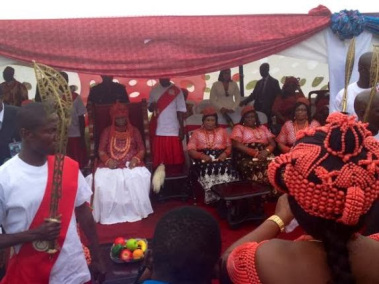
In the southern heartlands of Nigeria, there is a community whose traditions, language, and way of life have been carefully preserved for generations. The Ogba people of Rivers State are known for their rich cultural heritage, deep sense of community, and vibrant festivals that draw families and visitors together. From the bustling markets of Omoku to the ceremonial grounds where clans gather, life among the Ogba is a vivid mix of history, celebration, and everyday resilience.
The story of the Ogba people is not written only in books. It is told in the songs of their drummers, in the dances performed at festivals, and in the elders’ tales shared under the shade of trees. Imagine the Nchaka festival where the streets come alive with music, dance, and rituals passed down through centuries. Families gather to honour the harvest, connect with their ancestors, and celebrate the ties that bind them to their land and to each other.
This guide takes you into the heart of Ogba life. You will discover their origins, explore their language and social structures, and experience their traditions and festivals through words that bring their world to life.
At the end, you will understand why the Ogba people remain a proud and enduring part of Rivers State’s cultural tapestry that offers lessons in community, heritage, and the power of tradition in everyday life.
Origins and History of the Ogba People
The story of the Ogba people began long before written records captured the histories of southern Nigeria. According to oral traditions preserved by elders, the Ogba people trace their ancestry to early settlers who migrated into the fertile lands of what is now Rivers State. These early migrations were informed by the search for fertile farmland, water sources, and safety, and over time, the settlers organized themselves into clans and communities that formed the foundation of Ogba society.
Historically, the Ogba people are closely connected to other Igboid-speaking groups, including the Ekpeye and Ikwerre. Interactions with neighbouring communities influenced the Ogba social structures, language, and customs. While the exact timelines of these movements are difficult to trace, scholars agree that the Ogba people have inhabited the region for many centuries, and have developed a distinct identity that blends migration history, community resilience, and adaptation to their environment.
Central to the Ogba historical identity is the clan system. The Ogba people are traditionally divided into three main clans, namely, Usomini, Igburu, and Egi. Each clan historically governed itself through a council of elders and family heads while still participating in broader community affairs. These clans established patterns of cooperation, conflict resolution, and collective responsibility that have endured into modern times.
The arrival of colonial administrators in the late 19th and early 20th centuries brought new challenges and changes. Colonial records indicate that the Ogba people were organized in villages and towns with local leaders who maintained order and mediated disputes. Though the colonial period introduced new administrative structures, education systems, and economic opportunities, the Ogba managed to preserve core aspects of their culture and social organization.
Through centuries of migration, settlement, and external influence, the Ogba people developed a resilient society grounded in community, respect for elders, and the preservation of heritage. Today, the legacy of their ancestors is visible in the way families live, in the rhythm of festivals, and in the pride with which the Ogba people honour their history.
Language and Identity
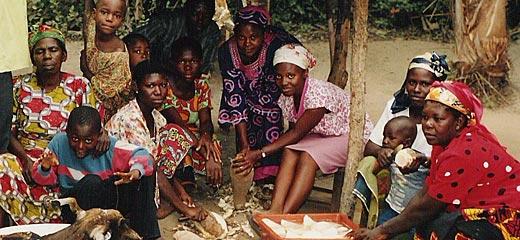
Language is at the heart of the identity of Ogba people. The Ogba language known as Olu Ogba or Ogbah belongs to the Igboid group of languages within the larger Niger-Congo family. It is more than a tool for communication, because it carries the stories, values, and heritage of the Ogba community. Every word, proverb, and song is a link to generations past that help the Ogba people maintain a strong sense of who they are.
Within Ogba land, the language is spoken in everyday life, from family conversations and market trade to community meetings and festival announcements. It reflects the three main clans – Usomini, Igburu, and Egi, with each contributing unique dialectical features, pronunciations, and expressions. These subtle differences help people to recognize their roots and relationships within the broader Ogba society.
Learning the Ogba language is often a family and community endeavour. The elders pass down songs, folk tales, and oral histories to children, using stories that teach morals, celebrate achievements, and preserve historical memory. Proverbial expressions and idioms rich in imagery and meaning are central to this teaching. They provide not only guidance but also a way to understand the worldview of the Ogba people which emphasizes respect, patience, and communal responsibility.
The Ogba language also plays a key role during cultural festivals, especially the Nchaka festival where chants, songs, and ritual calls are made in the mother tongue. This ensures that traditional knowledge, spiritual practices, and communal values remain intact. Even as modern education and global languages like English influence the younger generations, the Ogba language remains a cornerstone of identity that ties each individual to family, clan, and community.
In essence, the Ogba language is a living vessel of culture and heritage. It shapes social interactions, strengthens bonds, and reminds the community of its history. Preserving the language is not just about communication, rather, it is about maintaining a connection to the past while nurturing the cultural pride of the Ogba people in contemporary times.
Social and Political Structure

The society of the Ogba people is built on a foundation of clans, families, and communal leadership that has guided their communities for generations. Traditionally, social organization revolves around the three main clans each of which functions as both a social and administrative unit. Within these clans, families are led by elders who are respected for their wisdom, experience, and knowledge of customs. These elders play a vital role in maintaining harmony, mediating disputes, and teaching the younger ones the values of the Ogba people.
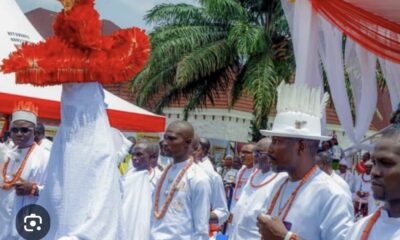
At the top of the traditional hierarchy is the Oba or Eze-Ogba, the ruler who serves as the central authority for the Ogba kingdom. The Oba works alongside a council of chiefs and senior elders who together make decisions on matters affecting the community, from land management and conflict resolution to the organization of festivals and other cultural events. This council ensures that every clan and family has representation in decisions that impact the wider society.
The Ogba political system is highly communal. Decisions affecting the community are often discussed openly to give families and clans a voice. This approach fosters cooperation and a shared sense of responsibility where everyone understands their role in supporting social order and cultural continuity. In addition to the Oba and chiefs, women and youth also contribute to community affairs through advisory roles and organized groups as a way of ensuring that perspectives from all parts of society are considered.
Traditionally, social norms and laws are enforced through a combination of customary practices and the guidance of elders. Disputes are resolved through mediation and consultation, with the goal of maintaining unity rather than punishment. These structures have endured through time by adapting to colonial influence, modern governance, and societal changes while retaining the core principles of respect, collaboration, and communal welfare.
The Ogba social and political system is not only a framework for governance, it is also a mechanism for cultural preservation. Leadership, clan identity, and family roles are all intertwined with festivals, rituals, and daily life. This structure allows the Ogba people to uphold their traditions, nurture communal bonds, and navigate modern challenges without losing the essence of their heritage.
Culture and Traditions
The Ogba people have a culture that is rich, vibrant, and woven into the daily rhythms of life. Their traditions guide how families relate, how communities celebrate, and how knowledge passes from one generation to the next. These practices give the Ogba people a strong sense of belonging and continuity.
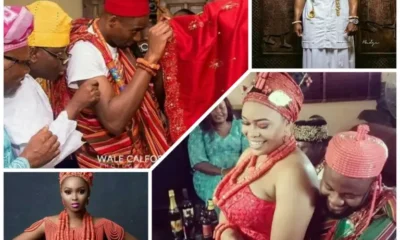
Family life is central to Ogba society. Extended families often live close to one another, and the elders play a guiding role in raising children, teaching values, and resolving conflicts. Marriage is both a personal and communal event. Traditional marriage ceremonies involve family negotiations, exchanges of gifts, and blessings from elders. The process is designed to honour ancestry and ensure the union strengthens bonds between families and clans.
Music and dance are indispensable in Ogba culture. Drumming, chanting, and dancing accompany festivals, weddings, and communal gatherings. Songs tell stories of the past, celebrate achievements, and mark significant milestones in the community. Traditional dances are often performed in groups in a way that brings families and neighbours together in shared expression of joy, respect, and heritage.
Oral storytelling is another vital part of Ogba traditions. The elders recount folktales, myths, and moral lessons that teach the young people about ethics, community responsibilities, and respect for the ancestors. These stories often include clever characters, humour, and scenarios that make lessons memorable and engaging. Through storytelling, the children learn the values and history of Ogba people in a way that is both entertaining and educational.
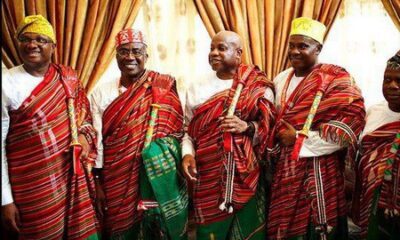
Traditional attire also plays an important role in culture. On festive occasions, women wear intricately wrapped fabrics with beadwork while the men wear garments that reflect their status or role in the community. Colours, patterns, and accessories carry meaning and help to signify occasions, clan affiliation, or achievements. Clothing is not only functional but a form of cultural expression that visually connects the wearer to their heritage.
Rituals and rites of passage mark important stages of life. Naming ceremonies, coming-of-age rituals, and ancestral commemorations are observed with care and reverence. These events reinforce family and community ties, and pass cultural knowledge while honouring the ancestors and spiritual traditions.
In the daily life of the Ogba people, culture is never distant. It is in the way children are raised, the meals shared, the songs sung, and the celebrations observed. This combination of family, music, dance, storytelling, attire, and rituals ensures that the Ogba heritage is not only preserved but lived and experienced every day.
Festivals and Celebrations
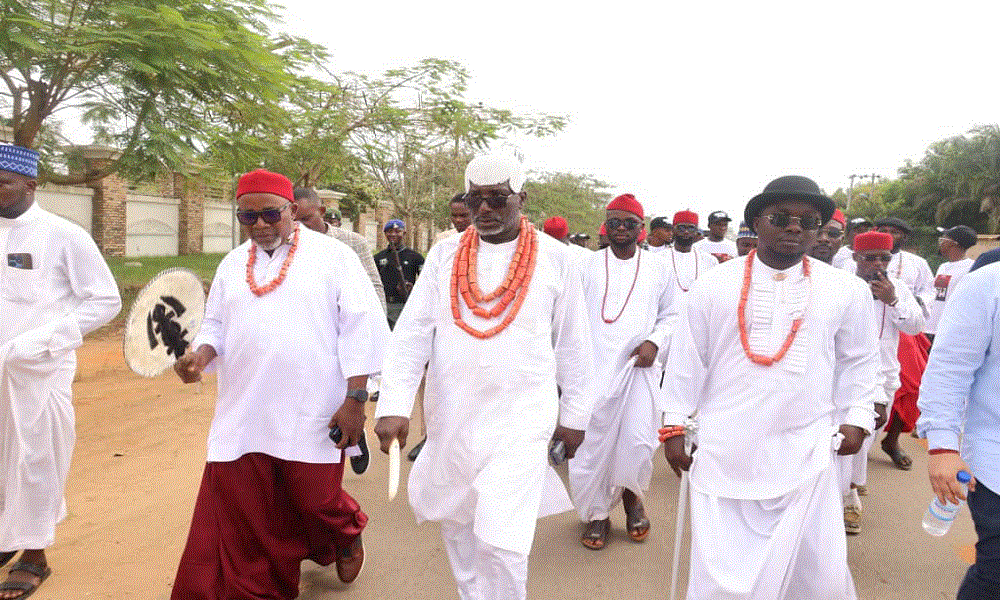
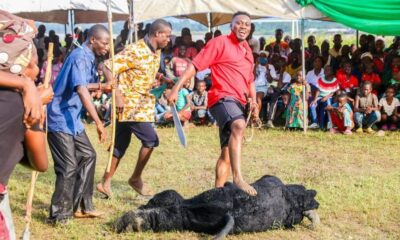
Festivals are the heartbeat of the cultural life of the Ogba people. Among these, the most important is the Nchaka festival which is also called Egwu-Ogba. This annual celebration usually held in November or December is a time for giving thanks for the harvest, paying homage to the ancestors, and bringing the community together in joy and reflection.
The festival begins with a royal proclamation by the Oba or Eze-Ogba accompanied by his council of chiefs. This announcement signals the start of days filled with music, dance, communal feasting, and ritual ceremonies. Markets are decorated, the streets are filled with colourful attire, and families travel from near and far to join the festivities.
During the Nchaka festival, drumming and singing tell the stories of the history and achievements of the Ogba people. Traditional dances, often performed in groups provide opportunities for families and friends to come together, celebrate, and express gratitude. The rituals include offerings to the ancestors and prayers for continued health, fertility of the land, and protection for the community.
Wrestling competitions and other communal games are also a highlight. These events showcase strength, skill, and friendly rivalry among participants while strengthening the social bonds and collective pride. More than entertainment, the festivals are a way of teaching the younger members of the communities about tradition, respect, and the values of the Ogba people.
In recent years, the Nchaka festival has grown to attract visitors from outside Ogba land. Diaspora communities often return to participate, thereby bringing a renewed sense of connection and pride. Modern adaptations include organized performances and cultural exhibitions that highlight Ogba art, music, and cuisine. Despite these changes, the festival remains true to its roots as a communal celebration of harvest, gratitude, and heritage.
For the Ogba people, festivals like Nchaka are living expressions of culture that unite clans, strengthen family bonds, and provide a tangible link between the past, the present, and the future. Participating in these celebrations allows anyone to experience the warmth, vibrancy, and resilience of Ogba society.
Economy and Occupations
The Ogba people have long relied on the land and its resources to sustain their communities. Traditionally, farming is at the heart of their economy. Fertile soils in Rivers State support crops such as yams, cassava, oil palm, and vegetables which provide food for families and produce for local markets. Agriculture is not just a source of livelihood but a central part of social and cultural life, with planting and harvest seasons often accompanied by communal work and traditional ceremonies.
Fishing is another traditional occupation. Rivers, streams, and creeks surrounding Ogba communities provide abundant fish that sustain families and contribute to local trade. Artisanal fishing techniques have been passed down through generations, often combining skill, patience, and knowledge of seasonal patterns.
Trade has always been important to the Ogba people. Local markets serve as hubs where food, crafts, and household goods are exchanged. Market days are lively events that bring together people from different villages and clans. Women often dominate trading in these spaces where they sell produce, crafts, and other goods as they socialize and maintain community connections.
In modern times, many Ogba people have expanded into professions beyond agriculture. Education, public service, and small businesses provide employment opportunities while proximity to Nigeria’s oil and gas industry allows some community members to work in energy-related sectors. Even as modern careers emerge, many families continue to farm or trade part-time.
Economic life in Ogba communities is intertwined with culture. Harvest festivals celebrate agricultural abundance, local markets remain central to social life, and community labour often supports public works and celebrations. Through these activities, the Ogba people maintain a sense of self-reliance, collaboration, and cultural pride.
Religion and Spiritual Beliefs
Spiritual life is a core part of the identity of the Ogba people. Traditionally, they believed in a supreme being as well as a host of deities and ancestral spirits connected to the land, water, and family life. These beliefs shaped daily routines, guided moral behaviour, and informed ceremonies, festivals, and rites of passage. Offerings, prayers, and ritual observances were ways for the community to seek protection, fertility of the land, and blessings for health and prosperity.
Ancestral reverence plays a significant role. Families often maintain shrines or sacred spaces where they honour their forebears, seek guidance, and give thanks for past support. This practice instills a sense of continuity that connect the living with those who came before and reinforce respect for the elders and communal wisdom.
With the arrival of Christianity, the religious landscape of the Ogba people expanded. Today, the majority of Ogba communities practice Christianity, alongside traditional observances. Churches are central to many communities as they offer spiritual guidance, education, and social support. Some families blend Christian practices with customary rituals by observing cultural festivals and also attending church services.
Religious and spiritual practices also intersect with major cultural events. During the Nchaka festival, prayers are offered in the traditional language for the welfare of the community, even as modern prayers and hymns are incorporated. Spirituality, whether traditional or Christian remains closely linked to family life, festivals, and social values.
For the Ogba people, religion is not separate from culture. It guides behaviour, strengthens community bonds, and provides a framework for understanding the world. This harmonious blend of traditional and modern beliefs contributes to the resilience and vibrancy of Ogba society.
Ogba People in Contemporary Times
The Ogba people live in a world where tradition and modernity embrace. While they honour centuries-old customs, many members of the community embrace education, professional opportunities, and global connections. Schools and higher education institutions are increasingly shaping the lives of the young Ogba people by preparing them for careers in business, public service, healthcare, and other fields.
Despite the pressures of modernization, the Ogba maintain strong cultural ties. Festivals like Nchaka continue to draw families back to their ancestral communities with the aim of ensuring that the young people remain connected to their heritage. Community elders, cultural groups, and youth organizations play an active role in teaching language, history, music, dance, and crafts. These efforts help to bridge the gap between modern life and traditional values.
Modern infrastructure, transportation, and communication have also affected Ogba life. Villages and towns are now connected to larger cities, opening up trade, professional opportunities, and social networks. Many Ogba people live in urban centres but return home for festivals, weddings, and family gatherings, thereby maintaining bonds across distances.
At the same time, challenges such as land disputes, environmental pressures, and the influence of globalization require careful navigation. The adaptive social and political structures of the community rooted in clan systems and guided by elders continue to help the Ogba society maintain unity and cultural identity in a changing world.
Today, the Ogba people exemplify how a community can honour its past while embracing progress. Education, professional work, cultural preservation, and social cohesion come together to form a living, evolving society. Their resilience and commitment to heritage ensure that the Ogba identity remains vibrant and meaningful for generations to come.
Cultural Significance and Lessons
The traditions, festivals, and social structures of the Ogba people carry lessons that go beyond the boundaries of Rivers State. Their cultural life emphasizes community, respect for elders, and the importance of shared responsibility. Every aspect of Ogba society, from language and family life to ceremonies and festivals, teaches values that have guided generations.
Festivals like the Nchaka festival are not merely celebrations, they are opportunities for learning. Through music, dance, and ritual, the younger ones absorb historical knowledge, moral guidance, and communal ethics. They learn to honour the past, even as they contribute to the present, with the understanding that their actions affect family, clan, and community.
The Ogba language, with its proverbs and stories carries wisdom that encourages patience, respect, and cooperation. Children are taught how to navigate relationships, understand societal norms, and develop pride in their identity. Elders model leadership, conflict resolution, and mentorship to show that knowledge and experience are valuable tools for sustaining a community.
Social and political structures demonstrate the importance of collective responsibility. Decisions are made with consultation, inclusivity, and fairness with the goal of reinforcing unity and harmony. This system encourages civic engagement and strengthens ties within and across clans.
Even in a modern context, the Ogba people provide lessons in balancing progress with tradition. They illustrate how communities can preserve cultural identity as they adapt to education, technology, and economic opportunities. The story of the Ogba people teaches the value of belonging, the power of shared heritage, and the enduring importance of passing wisdom from one generation to the next.
In essence, understanding the Ogba people provides insight into how culture, community, and tradition can guide daily life, inspire resilience, and foster a meaningful sense of identity in an ever-changing world.
In Conclusion …
The Ogba people of Rivers State offer a vivid example of how history, culture, and community can thrive together. From the ancestral stories and clan systems that organize daily life to the lively celebrations of the Nchaka festival, every aspect of the Ogba society reflects resilience, connection, and pride in heritage.
Their language carries wisdom and tradition that teach the younger members the values of respect, cooperation, and belonging. Music, dance, storytelling, and ritual create spaces where families and clans bond, celebrate achievements, and honour the past. The Oba and council of elders guide social and political life as a way of blending authority with inclusion, while families, youth, and women contribute to the collective wellbeing of the community.
Today, the Ogba people navigate the demands of modern education, professional life, and global change as they maintain cultural identity. They demonstrate how tradition and progress can coexist, and offer lessons on resilience, unity, and the importance of remembering one’s roots.
Exploring the life and society of the Ogba people offers more than an insight into one ethnic group in Nigeria. It is an invitation to witness a community where heritage lives in every word, rhythm, and celebration. A people that honour their past, even as they embrace the future with pride and purpose.
References
- https://en.wikipedia.org/wiki/Ogba_people
- https://en.wikipedia.org/wiki/Ogba_language
- https://naijadetails.com/tribes-in-rivers-state/
- https://dailytrust.com/nchaka-festival-where-humans-commune-with-spirits/
You might want to check this out