


Culture
Cultural Tourism: Top 10 Fascinating Nigerian States to Visit

Introduction
Nigeria is a giant mosaic of people, languages, and traditions. If you want to feel the country’s real heartbeat, visit the places where culture is not just remembered but lived every single day. Cultural tourism in Nigeria offers far more than sightseeing. It connects travelers to the roots of a people, the meaning behind their festivals, their dances, their foods, and their daily rituals.
Cultural tourism is also a powerful tool for development. It boosts local economies by creating jobs for artisans, guides, performers, and food vendors. It also strengthens unity by giving people from different backgrounds a reason to appreciate and respect each other’s heritage.
With more than 250 ethnic groups and hundreds of traditional festivals, Nigeria is one of Africa’s richest countries in terms of cultural diversity. In this article, we’ll look at the 10 most visited states in Nigeria for cultural tourism.
1. Lagos State
Lagos is Nigeria’s busiest city and also its most diverse. It blends old traditions with a fast-paced modern lifestyle. The state attracts cultural tourists for several reasons.
One of the biggest highlights is the Eyo Festival, also known as the Adamu Orisha Play. It’s a centuries-old event where white-robed masquerades known as “Eyo” parade the streets of Lagos Island in honor of departed kings and chiefs.

Eyo festival
Tourists also visit Badagry, a historical town where the transatlantic slave trade left deep roots. Places like the Mobee Slave Relics Museum, Seriki Abbas Slave Barracoon, and the Point of No Return offer emotional and historical insight into that dark era.
Art lovers and culture seekers often go to Nike Art Gallery in Lekki, the largest private art collection in Nigeria, filled with paintings, textiles, and handcrafted pieces.
With its beaches, nightlife, and cultural depth, Lagos offers an exciting and well-rounded cultural tourism experience.
2. Cross River State
Cross River State is widely known for hosting the largest street party in Africa, the Calabar Carnival, held every December. It’s a vibrant and colorful event filled with costumed dancers, music from across the globe, and cultural performances.
In addition to the carnival, visitors often travel to see the Ekpe Masquerade Festival, where sacred masquerades of the Ekpe society perform dramatic rituals and dances.
For those interested in colonial history, the Old Residency Museum in Calabar offers valuable exhibitions about early missionaries and the Efik people.
Tourists who enjoy nature also find joy in Obudu Mountain Resort, located in the northern part of the state. There, they can enjoy cable car rides, hiking, and visit nearby villages to experience the culture of the Bette-Obudu people.
Cross River’s combination of festivals, eco-tourism, and hospitality keeps drawing visitors year after year.
3. Kano State
Kano is one of the oldest cities in Nigeria and the cultural heart of Northern Nigeria. It is best known for its Durbar Festival, held during Islamic celebrations like Eid al-Fitr and Eid al-Adha. During the Durbar, hundreds of horsemen in colorful traditional wear ride through the streets to honor the Emir.
Cultural tourists also explore the ancient city walls and gates, some of which were built in the 14th century and still stand today.
Another major attraction is the Kofar Mata dye pits, where tourists can watch traditional indigo dyeing methods that date back centuries.
The Gidan Makama Museum, a former royal palace, showcases artifacts like swords, shields, and historic costumes that tell the story of the Hausa kingdom.

Gidan Makama Museum
Kano offers a deep and authentic glimpse into Hausa traditions, craftsmanship, and history.
4. Osun State
Osun State is home to one of the most spiritually powerful cultural sites in Nigeria, the Osun-Osogbo Sacred Grove. This forest, located on the outskirts of Osogbo town, is filled with sculptures and shrines dedicated to Osun, the Yoruba goddess of fertility.
Each year in August, the Osun-Osogbo Festival brings worshippers and tourists from around the world. Highlights include traditional rituals, music, dance, and the symbolic procession of the Arugba, a virgin girl who carries sacrificial offerings in a calabash.

Osun-Oshogbo festival
Visitors also stop by the Ataoja’s Palace, where Yoruba royal culture is preserved through architecture, court music, and oral history.
Osun State is also famous for its adire textile workshops, where tourists can learn how to make indigo tie-and-dye fabrics using traditional methods.
Many tourists describe their visit to Osun as deeply emotional and spiritual, especially after participating in the festival or walking through the sacred forest.
5. Enugu State
Located in southeastern Nigeria, Enugu is a top destination for those interested in Igbo culture and tradition.
One of the most celebrated events in Enugu is the Iri Ji (New Yam) Festival, which is held in many communities between August and September. The festival features masquerade displays, traditional dances, and community feasts in honor of the yam, a symbol of wealth and fertility.
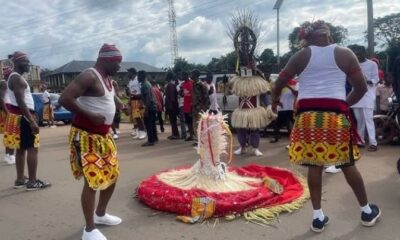
Cultural enthusiasts are also drawn to the Ijele Masquerade, which is said to be the tallest masquerade in Sub-Saharan Africa. Watching the Ijele perform is a once-in-a-lifetime experience for many visitors.

Ijele Masquerade
For those interested in spiritual tourism, the Awhum Monastery and Waterfall is a popular site. Pilgrims come to pray and meditate, while others visit to enjoy the scenery and local legends claim the water has healing powers.
Nature lovers are attracted to the Ngwo Pine Forest and Cave, a serene place where tourists can explore limestone caves linked to ancient spiritual practices.
Enugu gives tourists a perfect blend of nature, tradition, and living Igbo customs.
6. Ogun State
Ogun State is known as the cultural and intellectual heart of southwestern Nigeria. It is home to some of Nigeria’s most iconic historical sites, artisans, and writers.
One of its most famous attractions is Olumo Rock in Abeokuta, a sacred natural monument that once served as a fortress for the Egba people during inter-tribal wars. Tourists can climb the rock and explore its caves, shrines, and panoramic views.
Ogun is also the birthplace of Wole Soyinka, Africa’s first Nobel Laureate in Literature. His former home and local cultural centers often host festivals and events that celebrate Yoruba culture and literature.
Another tourist highlight is the Ake Palace, where traditional festivals and age-old ceremonies showcase the royal Yoruba way of life.
In markets like Itoku, visitors can watch local craftsmen create adire (indigo-dyed fabrics), handwoven textiles, and carvings. The experience is both educational and immersive, making Ogun a top destination for lovers of art, literature, and Yoruba heritage.
7. Delta State
Delta State, located in the oil-rich South-South region of Nigeria, is an ethnically diverse area with rich cultural heritage drawn from groups such as the Urhobo, Itsekiri, Ijaw, and Anioma people.
One of its most captivating events is the Okere Juju Festival in Warri. During this vibrant celebration, cultural dancers perform traditional music and rituals in honor of ancestral spirits.

Okere Juju Festival photo credit: Ukejuya Oki
The Owhoru Festival in Ughelli showcases Urhobo traditional wrestling, drumming, and masquerades that attract both locals and tourists.
Delta also boasts cultural tourism tied to its riverine lifestyle. Boat regattas and river dances reflect the people’s deep connection to the Niger Delta. The royal courts of the Olu of Warri and Obi of Owa remain powerful symbols of traditional authority and pride.
With its blend of land-based and river-based traditions, Delta is a culturally rich state waiting to be discovered by tourists.
8. Kaduna State
Kaduna is a key state in Northern Nigeria that blends ancient tradition with modern diversity. It is home to many ethnic groups, including the Hausa, Gwari, Bajju, and Kataf.
The Durbar Festival, held in Zaria during major Islamic holidays, is a visual feast where hundreds of horsemen in colorful regalia pay homage to the Emir. This festival alone draws visitors from across the country and beyond.
Kaduna is also famous for the Kaduna State Museum, where tourists can view artifacts from the ancient Nok civilization, including terracotta figures dating back over 2,000 years.
In the southern part of the state, the Kagoro and Bajju festivals showcase Christian cultural traditions such as thanksgiving dances, storytelling, and music.
Whether you are interested in pre-colonial empires or post-independence harmony, Kaduna offers a full range of cultural experiences.
9. Anambra State
Anambra State is a cultural and historical hub of southeastern Nigeria, rich in Igbo traditions and beliefs.
Its most famous celebration is the Ofala Festival, held in Onitsha, Aguleri, and Nnewi. During this event, traditional rulers dress in colorful robes, perform rituals, and receive homage from their subjects. It’s a royal affair filled with drumming, dances, and spiritual significance.

Onitsha Ofala Festival
Tourists also visit the Ogbunike Caves, a natural wonder with spiritual relevance. Traditionally, the caves were used for prayers and cleansing rituals, and today they attract those interested in both nature and heritage.
The Igbo-Ukwu bronze artifacts, dating back to the 9th century, are another testament to the region’s ancient creativity. Though housed in museums, replicas and historical exhibits can be found locally.
From ancestral shrines to artisan markets, Anambra is a destination that immerses visitors in true Igbo culture.
10. Benue State
Benue State is often described as the “Food Basket of the Nation,” but beyond its agriculture lies a vibrant cultural life rooted in the traditions of the Tiv, Idoma, and Igede people.
The Kwagh-hir Festival, performed by the Tiv, is a theatrical tradition involving wooden masks, puppetry, dance, and storytelling. These performances, usually held in village squares, address social, spiritual, and historical themes.
Another cultural attraction is the Tor Tiv Palace in Gboko. Visitors can witness traditional court systems, cultural councils, and the role of the king in preserving Tiv customs.
Benue is also a culinary hotspot. Tourists enjoy delicacies like pounded yam with egusi, beniseed soup, and pepper soup made from bush meat or fish.
For travelers interested in community-based tourism, oral traditions, and traditional governance, Benue State delivers an authentic and welcoming experience.
Why Cultural Tourism in Nigeria Should Be on Your Travel List
Cultural tourism in Nigeria is more than sightseeing, it’s an experience that opens your eyes to the country’s diversity, creativity, and heritage. With over 250 ethnic groups and centuries of tradition, each region offers something unforgettable. Whether you’re a local or an international traveler, exploring Nigeria through its culture will leave lasting memories.
Here are key reasons to embrace cultural tourism in Nigeria:
- Diverse Festivals: From the royal Ofala Festival in Anambra to the colorful Durbar Festival in Kano, every state has unique traditional events.
- Authentic Food and Music: Local cuisines like pounded yam and egusi, or music styles like Fuji, Igbo highlife, and Hausa drumming, immerse you in local life.
- Living History: Explore sacred groves, ancient palaces, and historical caves that tell stories of Nigeria’s ancestors.
- Royal Traditions: Witness the power and beauty of traditional monarchies, from the Ooni of Ife to the Oba of Benin.
- Cultural Crafts: Support local artisans who create beadwork, adire fabric, wood carvings, and other handcrafted souvenirs.
By participating in cultural tourism in Nigeria, you don’t just observe, you become a part of the story.
Conclusion
Nigeria is more than just a country, it is a mosaic of stories, peoples, and living traditions. From the royal parades of Kano to the spiritual groves of Osogbo, every state offers a different doorway into understanding what it means to be Nigerian.
Cultural tourism is not just about attending festivals or visiting palaces. It’s about connecting with people, respecting their customs, and taking home a new understanding of the world. It helps preserve traditions, support local economies, and promote peace through cultural pride and shared values.
If you are a traveler, student, cultural researcher, or simply someone curious about the beauty of Africa, let these ten states guide your journey. In each, you’ll find not just heritage, but heart.
For more information about cultural tourism destinations and festivals across the country, you can visit the Tour Nigeria website, a resource powered by the Nigerian Tourism Development Authority.