

Nigerian Ethnic Groups
Inside Efik Traditional Marriage: Rites, Customs, and Cultural Significance

Efik traditional marriage is a rich cultural ceremony of the Efik people in southern Nigeria that includes family negotiations, bride preparation in the fattening room, colourful attire, symbolic rites, and rich celebrations that unite families and communities.

Marriage in many African societies involves far more than a celebration between two people. It is a meeting of families, traditions, and generations of cultural wisdom. Among the Efik people of southern Nigeria, this idea comes alive through a marriage system that is rich in ceremony, symbolism, and community participation.
Efik traditional marriage is widely known for its colourful rituals, elaborate preparations, and deep cultural meaning. From the first family visit known as Mbop Iso to the joyful wedding celebration filled with music, dance, and traditional attire, every stage carries purpose. The elders guide the process, families take active roles, and the community gathers to witness the beginning of a new household.
One of the most fascinating elements of Efik traditional marriage is the careful preparation of the bride which include the well-known fattening room tradition where older women pass down knowledge about family life, cultural values, and marital responsibility. These customs turn the marriage process into more than a ceremony to become a cultural education and a celebration of identity.
In this article, we take a closer look inside Efik traditional marriage by exploring its rites, customs, and cultural significance. From early negotiations between families to the lively wedding day celebration, each stage reveals how the Efik people honour tradition as they welcome a new union into the community.
Who Are the Efik People?
To fully understand Efik traditional marriage, it helps to first understand the people behind the tradition. The Efik are an ethnic group found mainly in Cross River State in southern Nigeria with the historic city of Calabar serving as their cultural and historical cenre. For centuries, this coastal region has been known for trade, cultural exchange, and strong traditional institutions that continue to influence everyday life.
The Efik people speak the Efik language which is a member of the Lower Cross branch of the Niger-Congo language family. Their culture places strong emphasis on respect for elders, family loyalty, hospitality, and communal living. These values appear clearly in their ceremonies, festivals, and especially in Efik traditional marriage where families and community members play active roles throughout the process.
Historically, the Efik gained prominence as influential traders along the Cross River and the Atlantic coast. Through these interactions, the community developed a rich cultural identity that combines tradition, social organization, and artistic expression. Traditional institutions, age grade systems, and cultural societies have long guided community life.
These cultural foundations help to explain why Efik traditional marriage carries such importance. Marriage is not treated as a private affair between two individuals. It is a public and cultural event that strengthens family ties, preserves heritage, and welcomes a new generation into the community’s shared story.
Efik Traditional Marriage: The Importance in Efik Culture
Marriage among the Efik people goes far beyond the joining of two individuals. It is a social cornerstone that unites families, strengthens community bonds, and preserves cultural values. In Efik society, a wedding is seen as a responsibility as much as it is a celebration. It is the moment two lineages come together to create a foundation for future generations.
Efik traditional marriage carries deep significance because it serves multiple purposes at once. It formalizes relationships between families, ensures the continuation of lineage, and establishes social standing within the community. Every action, from the initial family visit to the wedding day celebrations is guided by respect for elders and adherence to long-held customs.
Family participation is central. Parents, relatives, and elders actively engage in discussions, decisions, and rituals with the aim of ensuring that the union begins on a solid cultural and social footing. Marriage is also a way to teach and pass down values such as respect, hospitality, and communal responsibility.
By observing these customs, Efik traditional marriage does more than celebrate love. It strengthens social cohesion, honours heritage, and gives both the bride and groom the support and guidance they need to start married life with dignity and purpose. This communal approach is what makes Efik weddings unique and enduring across generations.
The First Step – Mbop Iso (Knocking Ceremony)
The journey to Efik traditional marriage often begins with a ceremony known as Mbop Iso commonly called the knocking ceremony. This is the formal moment the groom’s family announces their intention to marry the bride and seeks the approval of her family. It is a highly respected tradition that sets the tone for all subsequent marriage preparations.
During Mbop Iso, representatives of the groom’s family, usually elders or appointed spokespersons visit the bride’s family bearing symbolic gifts like drinks, food, and small items to show respect. These gifts are not simply material offerings, rather, they represent goodwill, appreciation, and recognition of the bride’s upbringing.
The ceremony is guided by strict cultural etiquette. The groom’s family introduces themselves formally, explains their intentions, and answers questions from the bride’s family about the groom’s background, character, and family standing. The elders of the bride’s family carefully assess the proposal to ensure that the marriage aligns with cultural and social expectations.
Aside being a preliminary meeting of the families of the bride and the grom, Mbop Iso is a meaningful ritual that establishes trust, opens communication between families, and marks the official beginning of the marriage process.
When both families agree, they move forward to negotiate the bride price and other traditional requirements, thus paving the way for the next stage of Efik traditional marriage.
Bride Price and Marriage Negotiations
One of the most important stages in Efik traditional marriage is the discussion of the bride price and marriage negotiations. This step is not a bid to purchase the bride but a way of showing respect and appreciation to her family for raising and nurturing her. It is a symbolic gesture that honours tradition and confirms the commitment of the groom’s family to the union.
The bride price typically includes a mix of items chosen carefully according to family expectations and cultural customs. Common elements include:
- Traditional drinks like palm wine or locally brewed beverages
- Wrapped fabrics or clothing materials for the bride
- Food items and delicacies for the family
- Gifts for the bride’s parents and elders
Negotiations are usually overseen by elders from both families. Their role is to ensure fairness, maintain cultural etiquette, and guide discussions to prevent misunderstandings. This process often involves careful consultation, patient dialogue, and mutual agreement emphasizing respect and understanding between the two families.
The bride price and negotiations also serve to prepare both families for the responsibilities of marriage. They allow the groom’s family to demonstrate their readiness and willingness to care for the bride alongside honouring her family. As such, the process reinforces social bonds and ensures that Efik traditional marriage begins on a foundation of respect, goodwill, and cultural harmony.
The Fattening Room Tradition

One of the most distinctive and widely admired aspects of Efik traditional marriage is the fattening room tradition. This cultural practice is designed to prepare the bride for married life, both physically and socially, and has been an important rite of passage for generations.
The fattening room is a period of seclusion where the bride-to-be is guided and cared for by older women in the community, often relatives or experienced mentors. During this time, she receives lessons on household management, marital responsibilities, and cultural etiquette. She learns skills such as cooking traditional meals, caring for children, maintaining a household, and showing respect within her new family.
Historically, the tradition also emphasized physical appearance. Brides were encouraged to gain weight which was considered a sign of health, prosperity, and readiness for marriage. They were pampered with nourishing meals, massages, and beauty treatments that highlighted their cultural identity and personal elegance.
The fattening room also served as a social and educational space. Older women shared stories, wisdom, and values that would help the bride navigate married life successfully. It was a period of personal growth, preparation, and community support.
In modern times, the length and practices of the fattening room have evolved. Some families shorten the period of seclusion, and focus on cultural instruction and symbolic preparation rather than extended isolation. Despite these changes, the essence of the fattening room which is preparing the bride for marriage and instilling cultural knowledge remains a vital part of Efik traditional marriage.
This tradition illustrates the care, guidance, and cultural continuity embedded in Efik wedding practices to ensure that brides enter marriage with confidence, knowledge, and strong family support.
The Traditional Wedding Ceremony
The traditional wedding ceremony is the highlight of Efik traditional marriage where the months of preparation, negotiations, and cultural rites culminate in a joyous celebration. This event is a public affirmation of the union and brings together families, friends, and community members to witness and honour the couple.
On the wedding day, the groom and his family arrive at the bride’s home or designated venue, often with symbolic gifts and ceremonial items. Elders carefully verify that all prerequisites, including the bride price and prior negotiations have been fulfilled. This ensures the marriage follows the proper customs and traditions.
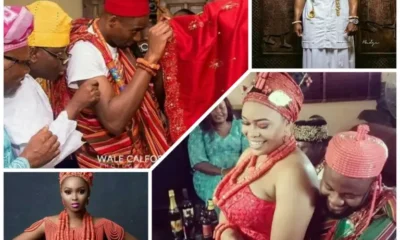
The bride is then formally presented, usually in full traditional attire adorned with coral beads, decorative wrappers, and headpieces that signify her cultural identity and marital status. The presentation may include a short procession or display that allows the guests to admire the beauty and preparation of the bride.
Once the bride is introduced, both families participate in symbolic rituals that confirm the marriage. Blessings are offered, prayers are said, and traditional drinks may be shared as part of the ceremony. Elders often lead these the rituals which emphasize respect, family unity, and cultural propriety.
The wedding ceremony is also a lively celebration. Music, dance, and traditional performances fill the venue, creating an atmosphere of joy and communal participation. Guests share in the food, laughter, and storytelling as a way of reinforcing social bonds and honouring the cultural heritage of the Efik people.
For the couple, the traditional wedding ceremony is not just a public event. It marks the formal start of their life together, blessed by family, elders, and community. It showcases the depth and richness of Efik traditional marriage, even as it celebrates the values, symbols, and customs that have been preserved across generations.
Traditional Attire and Cultural Display
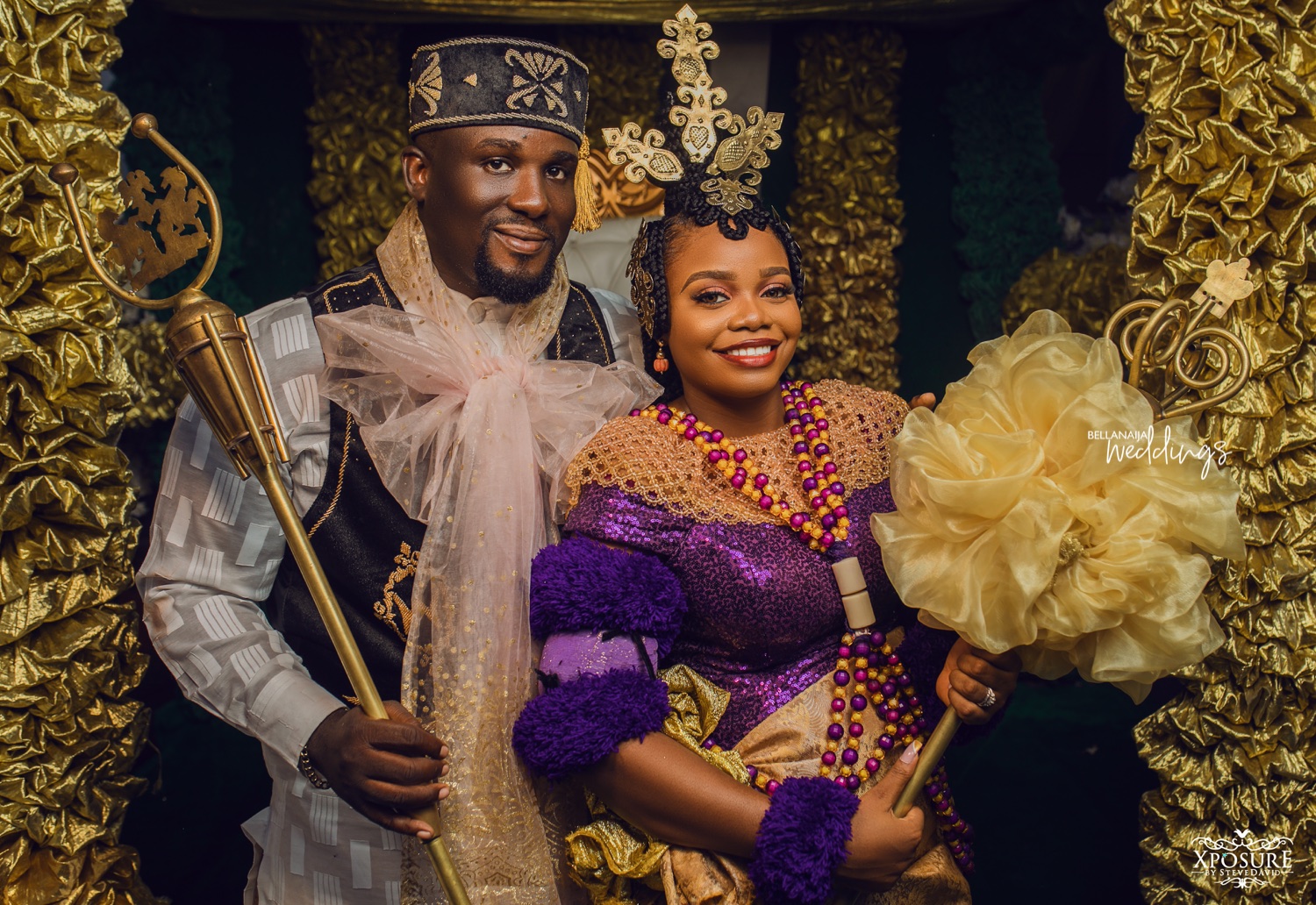
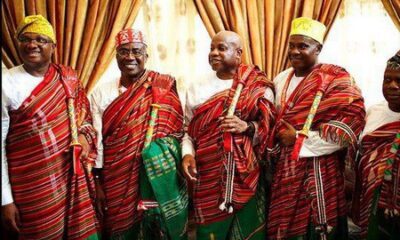
In Efik traditional marriage, attire means more than clothing. It is a visual expression of culture, identity, and family pride. Both the bride and groom wear outfits that reflect tradition, social status, and the beauty of Efik heritage.
The bride’s attire is often elaborate and colourful. She typically wears a wrapped fabric, usually made with George wrapper, accompanied by coral beads around her neck, wrists, and ankles. Decorative headpieces and accessories complete the ensemble, to create a regal and elegant appearance that highlights her importance during the ceremony. In some cases, she may carry a staff or fan as part of her ceremonial presentation which adds to the symbolic display of maturity and readiness for marriage.
The groom also wears traditional attire, often a combination of a flowing shirt or tunic with a wrapper, complemented by beads or cultural accessories. His outfit is designed to show respect for tradition as well as signal his role as the new husband.
Clothing in Efik weddings is closely tied to cultural symbolism. The coral beads, for example represent wealth, beauty, and social standing. The wrappers and colours chosen can signify family identity, personal taste, and adherence to cultural norms.
Beyond clothing, Efik traditional marriage features cultural displays like music, dance, and ceremonial movements. Guests participate in dances like the Ekombi, while traditional songs set the tone for celebration. These displays, combined with the visual beauty of the attire, create a vibrant and memorable experience that celebrates the richness of Efik culture.
Through dress and cultural presentation, Efik weddings transform the ceremony into a living showcase of tradition, and ensure that every element, from the clothing to the performance honours the values and identity of the community.
Music, Dance, and Celebration
Music and dance are at the heart of Efik traditional marriage. They turn the wedding ceremony into a lively and memorable celebration. These elements bring joy, energy, and cultural expression that engage everyone present in the festivities.
Traditional Efik weddings feature a variety of musical performances, including drumming, singing, and the use of indigenous instruments. Songs often celebrate the couple, honour their families, and recount stories of love, respect, and community values. The rhythms and melodies create an atmosphere that encourages participation and shared enjoyment.
Dance is equally central to the celebration. The Ekombi dance, for example is a popular performance at Efik weddings. It combines graceful movements with cultural storytelling, and allows the guests to express happiness as they honour tradition. Other dances may involve the families and community members.
Celebrations are not limited to music and dance. Guests are treated to a spread of traditional Efik dishes in tune with the hospitality and generosity attribute of the community. Food, laughter, and storytelling complement the cultural performances, thus creating an immersive experience that celebrates both the couple and the heritage they represent.
These rich displays serve a deeper purpose. They affirm social connections, honour the elders, and publicly celebrate the marriage as a union of families and communities. It is, therefore, safe to say that music, dance, and celebration are essential to Efik traditional marriage because they make the ceremony not only a formal event but also a joyful expression of culture and communal identity.
Cultural Meaning of Efik Marriage Customs
Every aspect of Efik traditional marriage carries cultural meaning that goes beyond the surface of the celebration. The customs, rituals, and symbols involved in the marriage process are carefully designed to communicate values, strengthen relationships, and honour family and community traditions.
Gift exchanges, for instance are not merely ceremonial formalities. They signify respect, appreciation, and recognition of the bride’s upbringing. The bride price is symbolic. It represents the groom’s acknowledgment of the care and effort invested in the bride by her family. These exchanges emphasize gratitude, social responsibility, and the importance of mutual respect between families.
The fattening room tradition also carries deep cultural significance. Beyond preparing the bride physically for marriage, it serves as a period of education, guidance, and cultural continuity. Older women teach skills, moral lessons, and social etiquette, and in doing that pass on knowledge that has been preserved for generations. The practice ensures that the bride enters marriage prepared to contribute positively to her new household.
Even elements like attire, music, and dance hold meaning. Coral beads worn by the bride represent beauty, prosperity, and social standing while traditional songs and dances convey joy, communal support, and cultural pride. These elements transform the ceremony into a celebration that engages the entire community and strengthens social bonds.
In essence, Efik traditional marriage customs are a way of honouring heritage, promoting family cohesion, and preparing couples for the responsibilities of married life. Every ritual, gift, and gesture reflects values that have guided Efik society for generations, thereby making marriage both a personal union and a communal affirmation of culture.
Modern Influences on Efik Traditional Marriage
While Efik traditional marriage remains deeply rooted in cultural heritage, modern influences have introduced changes that influence how these ceremonies are conducted today. Urbanization, education, religion, and exposure to global practices have all contributed to evolving wedding customs without erasing the essence of tradition.
One noticeable change is in the fattening room tradition. Historically, brides spent extended periods in seclusion learning household management, cultural etiquette, and marital responsibilities. Today, many families shorten this period or adapt it into symbolic sessions that focus on cultural instruction and personal development, rather than long-term isolation. This allows the brides to balance cultural preparation with modern lifestyles.
Religious practices also influence contemporary Efik weddings. Many couples now hold church or civil ceremonies, in addition to the traditional rites. These ceremonies are often integrated seamlessly, to allow couples to honour their faith, even as they preserve the cultural elements that define Efik marriage.
Urban settings have also affected the scale and style of celebrations. Large halls, professional event planning, and modern entertainment options complement traditional music, dance, and attire. Despite these changes, families continue to observe key rituals such as Mbop Iso, bride price negotiations, and the symbolic presentation of the bride with the aim of ensuring that the cultural foundation remains intact.
Even with modernization, the values behind Efik traditional marriage, namely, respect for elders, family involvement, community participation, and cultural education remain strong. Couples and families today find ways to combine tradition with contemporary practices. This keeps the ceremonies relevant and meaningful for modern life, even while celebrating the rich heritage of the Efik people.
Why Efik Traditional Marriage Remains Unique
Efik traditional marriage stands out among Nigerian cultural wedding practices because of its depth, symbolism, and strong community involvement. Unlike many contemporary weddings that focus primarily on the couple, Efik ceremonies emphasize the union of families and the preservation of cultural heritage.
One distinctive feature is the active role of the elders. From the initial Mbop Iso to the final wedding celebrations, the elders guide each stage, ensuring that every ritual is performed correctly. Their involvement reinforces respect for tradition and provides wisdom that helps both families navigate the marriage process.
The preparation of the bride, particularly through the fattening room tradition, is another element that sets Efik traditional marriages apart. This period of cultural education, personal growth, and mentorship equips the bride with knowledge and skills essential for married life. The practice highlights the commitment of the community to nurturing individuals as they transition into new roles within the family and society.
Traditional attire, ceremonial rituals, music, and dance further distinguish Efik marriages. The combination of colourful garments, coral beads, and cultural performances creates a visually stunning and memorable event. Each component carries meaning, from symbolizing prosperity and beauty to reinforcing communal values and family bonds.
Finally, Efik weddings remain unique because they successfully combine tradition with adaptability. Even as modern influences change aspects of the celebration, the core values of family involvement, cultural education, and communal participation still remain. This balance allows Efik traditional marriage to preserve its identity and still remain relevant in contemporary society, thus making it a cherished cultural institution in Nigeria.
In Conclusion …
Efik traditional marriage means more than a ceremony. Beyond that, it is a cultural journey that unites families, celebrates heritage, and prepares couples for the responsibilities of married life. From the first family visit during Mbop Iso to the joyful wedding day filled with music, dance, and vibrant attire, every stage carries meaning and purpose.
The bride price, the fattening room, and ceremonial rituals all serve to honour family, preserve cultural knowledge, and strengthen social bonds. These traditions ensure that marriage is not only a personal union but also a communal celebration that involves and benefits the wider society.
Even with modern influences and adaptations, the essence of Efik weddings remains intact. The focus on respect, family involvement, cultural education, and community celebration continues to distinguish Efik traditional marriage from other Nigerian traditional wedding practices.
By understanding and appreciating these customs, both the Efik people and observers gain insight into a culture that values tradition, family, and community. Efik marriages serve as a living testament to the richness of Nigerian heritage and the enduring power of cultural continuity.
References
- https://www.ucjui.com/culturethe-efik-traditional-marriage/
- https://www.pulse.ng/story/5-shocking-marriage-traditions-across-nigeria-2024080106470833610
- https://www.pulse.ng/story/efik-history-marriage-food-and-belief-of-this-adorable-ethnic-group-2024080122015285925
- https://businessday.ng/bd-weekender/article/nigerias-top-5-most-fascinating-wedding-customs/
- https://wadr.org/arts-culture-efiks-nkuho-fattening-room/
- https://nnewicity.com/the-efik-people-of-nigeria/
- https://nnewicity.com/inside-the-efik-fattening-room/