
Nigerian Ethnic Groups
The Oron People: Stunning Facts You Didn’t Know About Nigeria’s Hidden Cultural Treasure

Oron people are an ancient coastal ethnic group in Nigeria with a unique language, rich cultural heritage, and powerful ancestral traditions that many readers have not yet discovered.

Along the serene coastlines of Akwa Ibom State in southern Nigeria lives a people whose history and culture often go unnoticed. The Oron people have preserved traditions, languages, and art that tell stories that stretch back centuries.
From intricately carved Ekpu Oro figures to their vibrant festivals, their culture is a living, rich, and deeply meaningful one. Yet, for many, the Oron remain a hidden cultural treasure, a community whose contributions to Nigeria’s diverse heritage are rarely explored.
In this article, you will uncover stunning facts about the Oron people. You will learn about their language, their social systems, their ancestral art, and the unique ways they celebrate life. These are stories of resilience, creativity, and identity.
At the end, you will understand why the Oron people are not just another ethnic group in Nigeria, they are a living testament to a history that deserves recognition and admiration.
Who Are the Oron People?
The Oron people are one of Nigeria’s coastal ethnic communities that live mainly in the riverine and seaside towns of Akwa Ibom State. They form what is known as the Oron Nation which is a group of interconnected clans that share language, traditions, and ancestry. Their homeland stretches across five local government areas today, namely, Oron, Okobo, Mbo, Udung‑Uko, and Urue‑Offong/Oruko.
Known to themselves as Örö or Oro Ukpabang, the Oron people trace their origins to their early forebears with stories of migration from inland areas toward the coast. These movements were often tied to fishing, trade, and settlement along the waterways that feed into the Cross River and the Atlantic. Each clan within the Oron Nation has its own history, though all of them are united by a sense of shared ancestry and cultural memory.
The Oron people have a long-standing relationship with their environment. Rivers, creeks, and the Atlantic coast are central to daily life and traditional livelihood. Fishing, small-scale trading, and craftwork shaped the communities long before modern infrastructure arrived. These geographic realities also influenced social organization that led to the establishment of the councils of elders and community leaders who guided decision-making, resolved conflicts, and preserved cultural norms.
Interactions with neighbouring communities such as the Efik and Ibibio contributed to shared practices in language, festivals, and trade networks. Despite external influences over centuries, the Oron people have maintained distinctive traditions, especially in language, art, and ancestral worship. Their culture continues to flourish today as it combines heritage with modern life, even as it retains a strong sense of identity.
History of the Oron People

The history of the Oron people stretches back many centuries and is closely tied to the waterways and coastal settlements of what is now Akwa Ibom State in southern Nigeria. Oral traditions, linguistic studies, and historical records suggest that the Oron are among the early settlers in the Lower Cross River region, an area known for its trade routes and cultural interaction among many ethnic groups.
According to oral history, the ancestors of the Oron people migrated over time toward the coastal areas near the Cross River estuary and the Atlantic shoreline. These migrations were influenced by fishing opportunities, trade activities, and the search for fertile land. As communities settled along creeks and riverbanks, they established villages that later developed into the towns and clans that make up the Oron Nation today.
Traditionally, the Oron Nation consists of several related clans, and each has its own leadership structure and community identity. Over time, these clans organized themselves into the settlements that now correspond to modern local government areas, namely, Oron, Okobo, Mbo, Udung-Uko, and Urue-Offong/Oruko. Despite being divided into separate administrative units today, the people continue to see themselves as part of a shared cultural heritage.
The coastal location of the Oron people made them active participants in regional trade networks long before colonial rule. Fishing, canoe transport, and the exchange of goods like palm produce and seafood connected Oron communities with neighbouring groups which include the Efik, Ibibio, and other riverine societies. These interactions encouraged cultural exchange and multilingual communication across the region.
European contact began in the nineteenth century when traders and missionaries arrived along the Cross River and nearby coastal settlements. Colonial records from that period describe Oron communities as skilled fishermen and traders. With the arrival of Christian missionaries and colonial administration, new systems of education, governance, and commerce were introduced. These changes gradually transformed many aspects of daily life as traditional institutions continued to guide community values and social organization.
Despite the pressures of colonial rule and later, modernization, the Oron people maintained strong cultural traditions. Institutions like the Ahta Oro, the traditional monarch, and councils of elders remained important for local governance and cultural continuity. These structures helped to preserve customs, oral histories, and social norms through generations.
Today, the history of the Oron people is remembered not only through oral storytelling but also through artifacts such as the Ekpu Oro ancestral carvings which provide insight into the community’s past. Museums and cultural organizations continue to document and preserve these materials so that the future generations can learn about the origins and experiences of the Oron Nation.
Language and Communication
The Oron people speak the Oro language, sometimes spelled as Örö. The language belongs to the Lower Cross River branch of the Niger‑Congo family. Beyond being a means of communication, the language carries the history, identity, and values of the Oron Nation.
Oro has several dialects corresponding to the different clans within the Oron Nation. While the differences are subtle, they reflect the unique histories and interactions of each community. Traditionally, the elders were the custodians of language as they ensured that proverbs, folk stories, and oral histories were passed accurately from one generation to the next. These oral traditions were not merely for entertainment, rather, they taught lessons, preserved family lineages, and recorded the collective memory of the community.
Because of their geographic location, many Oron people also speak Efik, a neighbouring language widely used in southern Nigeria. Bilingualism became practical over time for trade, social relations, and cultural exchange. Today, many Oron people are also fluent in English which is the official language of Nigeria. This allows them to navigate education, government, and modern business.
Language plays a vital role in ceremonial life. Songs, chants, and storytelling during festivals and rites of passage rely on precise phrasing and rhythm. Specific phrases carry spiritual or ancestral significance that reminds the community of its roots and shared responsibilities. Even everyday greetings and expressions reflect respect for elders and family hierarchy.
In a modern context, the Oron people still value their language as a marker of identity. Community organizations and cultural programmes often include lessons in Oro for young people which aims at ensuring that the language remains alive amid global influences. Maintaining this linguistic heritage is seen not only as a cultural duty but also as a bridge that connects the past, present, and future generations.
Fascinating Facts About Oron Culture

The culture of the Oron people is as lively as the waterways that surround their communities. Every tradition, from art to social systems tells a story of a people who have navigated centuries of history, even as they hold on to their identity.
One of the most remarkable elements of Oron culture is their ancestral art, particularly the Ekpu Oro figures. These are carefully carved wooden statues that represent their ancestors and important community leaders. Some of these carvings are believed to be several centuries old and were traditionally used to preserve family lineages, convey historical events, and maintain spiritual connections.
The Oron Museum holds many of these figures while a few have also found their way into international collections, thus showcasing the craftsmanship and spiritual depth of the community.
Oron social life is also shaped by structured governance and councils of elders. Leadership traditionally revolves around the Ahta Oro, a monarch who collaborates with the elders from each clan to guide decisions affecting the community. These councils historically handled everything from land disputes to conflict resolution in order to ensure social cohesion.
Marriage customs in Oron society are unique and symbolic. Families observe rituals the Mbop which is a ceremonial knocking on the bride’s family door, and fattening rooms where young women are traditionally prepared for adulthood and married life. The payment of a bride is a formal acknowledgment of family bonds and respect for tradition.
Music, dance, and masquerade performances are central to Oron culture. During festivals or important ceremonies, the community comes alive with rhythmic drums, elaborate costumes, and storytelling through movement. Each performance carries specific meanings, whether to honour the ancestors, celebrate a successful harvest, or mark significant life events.
Oron art and crafts extend beyond statues and performances. Beadwork, traditional attire, and decorative items convey social status, achievements, and personal identity. For example, specific colours or patterns in clothing signal roles within the community or participation in a festival. This attention to detail reflects a culture that values both beauty and meaning in daily life.
Despite the influences of modernization and urbanization, the Oron people still celebrate and preserve their culture. Community gatherings, educational programmes, and cultural associations ensure that the younger generations grow up connected to their heritage. This combination of tradition and adaptation has allowed Oron culture to remain dynamic and relevant.
Festivals, Music, and Dance
The Oron people bring their history and heritage to life through festivals, music, and dance which remain central to community life. These celebrations offer both entertainment and a way to connect generations, honour the ancestors, and mark important milestones.
Oron festivals are often tied to the seasons, harvests, or significant cultural events. During these times, the towns and villages transform with decorations, ceremonial costumes, and rhythmic drumbeats that guide the dancers’ movements. Drums, flutes, and other traditional instruments are not only musical tools, they communicate messages, call the community together, and preserve ritual patterns that have lasted for centuries.
Masquerades are a highlight of Oron cultural life. Masked performers represent ancestral spirits and community heroes. They move in choreographed patterns to the music that has been passed down for generations. These masquerades appear during funerals, festivals, or initiation ceremonies as a reminder to the community of its shared history and values. Each dance, costume, and song carries specific meanings that are recognized and respected by the people.
Music is also a storytelling medium in Oron culture. Songs often recount historical events, celebrate family achievements, or offer lessons about life and morality. Traditional call-and-response singing engages everyone in the audience as a way of ensuring that stories are experienced collectively rather than just told. This participatory form of music reinforces community bonds and helps the younger ones to absorb cultural knowledge organically.
Dance in Oron society is both celebratory and symbolic. Movements are carefully designed to honour the theme of the event, whether it is thanksgiving, the recognition of bravery, or the celebration of a festival. Women and men often dance in coordinated groups using gestures and steps that reflect the natural environment, social status, or spiritual significance. Beadwork, costumes, and body paint complete the visual storytelling, thus adding layers of meaning to each performance.
Today, Oron festivals still evolve, even as they retain their traditional essence. Community organizations like the Oron Union organize cultural events that bring together people from local towns and the diaspora. These gatherings showcase traditional music, dance, and crafts, and ensure that Oron heritage remains alive in the hearts of the young people, even in a rapidly modern world.
Religion and Belief Systems
The Oron people have a long-standing spiritual tradition that combines ancestral worship, reverence for nature, and belief in a Supreme Being. Historically, religion was central to community life as it guided decisions, social behaviour, and cultural practices.
At the heart of traditional Oron belief is Abazi Oro, the Supreme Being who governs the universe. Abazi Oro is considered both distant and powerful as He oversees human actions and maintains cosmic balance. Communities would offer prayers, sacrifices, or ceremonial acknowledgments to honour this deity, particularly during important events like planting or harvest festivals.
Alongside Abazi Oro, the Oron people venerated their ancestors. Ancestral spirits were believed to influence daily life, protect the community, and offer guidance. This spiritual connection was often represented through Ekpu Oro figures, that is, the wooden carvings of revered ancestors kept in homes or community shrines. These carvings served as a link between the living and the spirit world, and reinforced social norms and family lineage.
Secret societies like the Ekpe also played a significant role in Oron religious and cultural life. These societies regulated community justice, organized ceremonial activities, and preserved sacred knowledge. Membership was typically restricted, and rituals often involved music, dance, and symbolic masks, thus creating a sense of both awe and respect within the community.
With the arrival of Christianity in the 19th and 20th centuries, many Oron communities gradually adopted new faith practices. Today, Christianity coexists with traditional beliefs, with churches and spiritual societies operating alongside cultural ceremonies. Even among Christian Oron people, ancestral respect and traditional festivals continue as an illustration of a harmonious blending of the old and new spiritual practices.
Religion in Oron society has always gone beyond personal faith to influence communal ethics, social hierarchy, and cultural preservation, ensuring that moral behaviour, respect for elders, and family responsibilities remained central to daily life.
Traditional Dress and Social Life

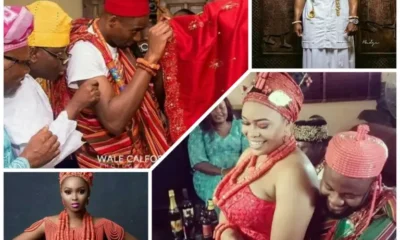
For the Oron people, clothing and social life are more than appearances. They are expressions of identity, status, and heritage. Traditional attire communicates personal history, community role, and cultural pride in ways that words alone cannot convey.
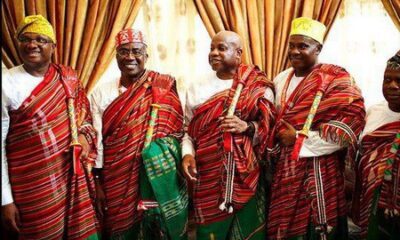
Men’s traditional clothing often includes brightly coloured wrappers, typically red or indigo, paired with simple shirts or tunics. Accessories such as beads, bracelets, and walking sticks signal social rank or achievements. During festivals or ceremonial events, men may wear more elaborate ensembles that combine fabric, ornaments, and insignias that honour the ancestors or indicate leadership positions.
Women’s traditional attire is equally rich and symbolic. Skirts and wrappers made of patterned cloth are paired with bead necklaces, bracelets, and headgear. Certain colours, patterns, and accessories reflect the wearer’s marital status, clan affiliation, or participation in a festival. Beads, in particular, are highly valued, both as decorative art and as markers of cultural identity.
Social life in Oron communities is closely tied to these cultural expressions. Festivals, weddings, and other communal events provide opportunities for people to gather, celebrate, and strengthen social bonds. Storytelling, music, and dance accompany these gatherings to ensuring that the younger ones absorb cultural knowledge naturally as they participate actively.
Beyond ceremonies, the Oron emphasize respect, hospitality, and community responsibility in daily life. Elders hold a special place in social structures because they offer guidance, mediate disputes, and pass on moral lessons. Community meetings and local councils remain central to decision-making.
Even in modern Oron towns and cities, traditional dress and social norms are not forgotten. People often wear traditional attire during cultural celebrations or family events as a way of creating visible continuity between the past and present. Social gatherings remain a space for teaching values, honouring heritage, and celebrating the enduring identity of the Oron people.
Oron People in Modern Times
The Oron people have always been tied to their waterways and ancestral lands. But then, modern life has brought new opportunities and challenges. Today, Oron communities balance traditional heritage with education, commerce, and migration.
Education has become a central focus for the Oron people. Many young individuals now attend universities, vocational schools, and professional training programmes across Nigeria and abroad. This shift has expanded career options, and enabled Oron professionals to work in fields like education, healthcare, government, and business, while still contributing to their communities.
Trade and commerce continue to flourish alongside traditional livelihoods. Fishing remains important. However, many Oron people now engage in small businesses, retail, and cross-river trade. These economic activities have strengthened community networks, and allow resources to circulate and support cultural initiatives like festivals and educational programmes.
The Oron diaspora also plays a vital role in modern cultural life. Many Oron people live in major Nigerian cities or abroad. Even at that, they remain connected through associations, unions, and cultural societies. Groups like the Oron Union organize events that celebrate heritage, promote community projects, and ensure that the younger members of the Oron communities maintain a connection to their roots.
Modern technology has also transformed how Oron culture is shared. Social media platforms, digital archives, and community websites now provide spaces for language lessons, historical storytelling, and cultural documentation, thus helping to preserve traditions in a fast-changing world. Even as urbanization and global influences grow, these efforts ensure that the Oron language, music, festivals, and arts remain vibrant.
At the same time, Oron people actively maintain the values that have guided them for centuries which include respect for elders, community solidarity, and the honouring the ancestors. These principles continue to influence social interactions, business ethics, and family life, demonstrating that modernization does not require abandoning identity.
A major moment in the modern history of the Oron people was the centenary celebration of the Oron Union, the foremost socio-cultural organization that represents the interests and unity of the Oron Nation. Founded in 1925, the Oron Union was created to promote education, social development, and cultural identity among the Oron people during the colonial period.
In 2025, the organization marked one hundred years of existence. The event drew attention from across Nigeria and the Oron diaspora. The celebration brought together traditional rulers, community leaders, scholars, and young people who share a commitment to preserving the heritage of the Oron Nation. Cultural exhibitions, historical lectures, and traditional performances were organized to showcase the achievements and enduring identity of the Oron people.
The centenary celebration also served as a moment of reflection. Community leaders highlighted the role the Oron Union has played in expanding educational opportunities, supporting community development projects, and strengthening cultural awareness among younger generations. Over the decades, the organization has helped unite Oron communities spread across different towns, cities, and countries.
For many participants, the centenary was more than a ceremonial anniversary. It was a reminder that the history, language, and traditions of the Oron people remain alive and relevant, even in a rapidly changing world. By celebrating a century of organized cultural advocacy, the Oron Union reaffirmed its mission to protect the identity and progress of the Oron Nation for generations to come.
Put simply, the Oron people of today are a community that carries its history forward it engages with the modern world. They are educators, entrepreneurs, cultural custodians, and innovators.
Why the Oron People Are a Hidden Cultural Treasure
The Oron people are one of Nigeria’s most remarkable yet often overlooked communities. Their culture, history, and creativity reveal a society that has endured centuries of change, even as they remained deeply connected to its roots. From the intricately carved Ekpu Oro ancestral figures to their expressive festivals, their traditions are living testaments to resilience, artistry, and identity.
What makes the Oron people particularly extraordinary is the way they balance tradition and modernity. They maintain language, ceremonies, and social structures, even as education, trade, and technology bring new opportunities. Their ability to preserve cultural knowledge while engaging with the contemporary world is a rare strength that many societies struggle to achieve.
Art and storytelling are central to this treasure. Every song, dance, and ritual carries layers of meaning that teach lessons about ancestry, community, and moral values. Traditional dress and beadwork are not merely decorative, they are expressions of identity that connect individuals to a broader cultural narrative that spans generations.
Despite globalization and urban migration, the Oron people still celebrate, teach, and innovate within their culture. Organizations like the Oron Union and local associations ensure that language, music, festivals, and social values are passed down both within Nigeria and in the diaspora. This commitment to cultural continuity makes the Oron a hidden treasure not just of Akwa Ibom but of Nigeria as a whole.
In discovering the Oron people, one uncovers more than a community. One encounters a living archive of history, art, and human connection. Their stories, rituals, and creativity invite admiration and study. Yet, they remain underrepresented in mainstream narratives about Nigeria’s ethnic diversity. Appreciating the Oron people is to recognize a culture that is both unique and universal. A culture that offer lessons in resilience, identity, and the enduring power of tradition.
In Conclusion …
The Oron people offer a glimpse into a world where history, culture, and community are deeply intertwined. From their ancestral Ekpu Oro figures to lively festivals, traditional attire, and intricate social systems, they have preserved a heritage that continues to thrive, even in modern times. Their language, music, dance, and spiritual practices reflect a people who honour their past as they engage with the present.
Though often overlooked, the Oron people stand out as a hidden cultural treasure of Nigeria that reminds us of the richness and diversity that exist along the country’s coastal communities. By exploring their stories, traditions, and way of life, we gain not only knowledge but a profound appreciation for a community that has formed, and continues to form its own identity with resilience and pride.
Celebrating the Oron people means acknowledging one ethnic group and recognizing the enduring value of culture, tradition, and human connection in a rapidly changing world.
References
- https://en.wikipedia.org/wiki/Oron_people
- https://councilofakwaibomtraditionalandreligiousleadersinfct.yolasite.com/
- https://www.101lasttribes.com/tribes/oron.html
- https://en.wikipedia.org/wiki/Oro_language
- https://en.wikipedia.org/wiki/Oron_Museum
- https://tribuneonlineng.com/akwa-ibom-oron-union-celebrates-100-years-of-unity-cultural-renaissance/
You might want to check this out …