


Festivals & Events in Nigeria
Echija Cultural Festival: Inside Idoma’s Greatest Celebration of Culture and Heritage

Echija Cultural Festival is a celebration of Idoma culture and heritage in Otukpo, Nigeria. Explore its history, significance, traditions, activities, people, impact, and practical tips for experiencing this epoch event.

Every December, the streets of Otukpo in Benue State come alive with rhythm, colour, and laughter as it is the season of Echija Cultural Festival. This is the heartbeat of the Idoma people, a celebration that weaves together generations, stories, and traditions into two days of pure cultural magic. From the vibrant masquerades that dance through the crowd to the infectious drumbeats of traditional Ogirinya performances, every moment of the festival tells a story of identity, pride, and community.
For anyone who has grown up in Idomaland, Echija is a reminder of childhood memories, of family gatherings, and of traditions that have been cherished for centuries. For visitors from outside, it is a dazzling introduction to the richness of Idoma culture, a chance to taste local delicacies, marvel at intricate costumes, and experience the joy of games, music, and dance that connect past and present.
In this article, we take you inside the Echija Cultural Festival by exploring its history, cultural significance, signature activities, and the people who bring it to life. Whether you are curious about the traditions of the Idoma people or planning to experience the festival yourself, this guide reveals why Echija is rightly celebrated as one of Idoma’s greatest cultural celebrations.
Origins and History of the Echija Cultural Festival
The Echija Cultural Festival has its roots deeply planted in the traditions of the Idoma people who have long celebrated community, play, and cultural expression through dance, music, and storytelling. The word “Echija” or “Ech’ija” itself translates roughly to “Day of Play” in the Idoma language. This reflects the original purpose of the festival which is a time for families, friends, and communities to come together and enjoy traditional games, music, and dances.
Although the idea of celebrating Idoma heritage formally began in the early 2000s, the first official Echija Cultural Festival was held in 2019 in Otukpo, Benue State. The festival was initiated by a group of cultural enthusiasts led by Amedu Davinci Iklaga who recognized that the younger generations were gradually losing touch with traditional Idoma practices. Their goal was simple but powerful – to create a vibrant annual event that would reconnect the Idoma people with their roots while also introducing outsiders to the richness of their culture.
Before becoming a large-scale festival, smaller community gatherings and cultural displays had taken place across Idomaland. These informal celebrations often included traditional dances like Ogirinya, masquerade parades, local music, and games. Over time, these local events inspired the organizers to create a festival that could serve as a central platform for Idoma heritage, and draw people from across Nigeria and beyond.
Since 2019, the Echija Cultural Festival has grown steadily in size and prominence. Each year, the festival attracts thousands of participants, including families, cultural enthusiasts, artists, and tourists. It has become a showcase of tradition and modernity as it combines authentic cultural performances with contemporary staging, lighting, and event planning. The festival has not only preserved Idoma customs but has also sparked renewed interest among young people in learning about their history, language, and art.
Through its evolution, Echija Festival has remained faithful to its original purpose as a celebration of joy, play, and cultural pride. From its humble beginnings to becoming one of Idoma’s most anticipated annual events, the festival continues to honour the past as it inspires the future generations to carry the heritage forward.
Cultural Significance of the Festival
The Echija Cultural Festival holds deep meaning for the Idoma people of Benue State. More than an annual gathering filled with music and colour, it is a living expression of identity, memory, and belonging. For many families in Otukpo and across Idomaland, Echija is the one time in the year when culture takes centre stage and everyone, young and old, steps into it fully.
Fundamentally, the Echija Cultural Festival protects and promotes Idoma culture in a fast-changing world. Languages fade. Customs are forgotten. The younger generations often grow up surrounded by global influences that slowly push local traditions aside. Echija cultural festival gently pushes back against that loss.
Through traditional dances, music, attire, food, and storytelling, the festival gives the Idoma language and heritage a visible, joyful platform. According to coverage by Daily Trust, the festival has been described as a revival of cultural pride that draws attention to practices that many feared were gradually disappearing.
One of the most powerful aspects of the Echija Cultural Festival is how it reconnects generations. The elders attend with stories in their hearts. They watch traditional dances and remember how they once performed them in village squares. The children see masquerades up close and ask questions about their meaning. The teenagers participate in games and performances that link them to something older than themselves. In these moments, culture is not a subject in a textbook, it becomes a shared experience.
The Echija Cultural Festival also strengthens community bonds. Families travel from different parts of Nigeria and even from abroad to attend Echija. People who have lived outside Idomaland for years return home during the festive period. The reunion feels personal. The streets fill with greetings, laughter, and handshakes. The celebration becomes a reminder that, beyond differences in politics, status, or location, there is a common heritage that ties everyone together.
Another important layer of the festival’s cultural value is visibility. The Echija Cultural Festival places the Idoma people on a wider cultural map within Nigeria. While larger ethnic groups often dominate national conversations, Echija provides a stage where Idoma music, dance, dress, and cuisine can be appreciated by visitors and media alike. Reports and features about the event have helped to introduce Idoma traditions to audiences beyond Benue State. This visibility builds respect and curiosity.
The emphasis on traditional games and play also carries meaning. The very name “Echija,” often translated as “Day of Play” speaks to a cultural philosophy that values joy, rest, and communal fun. In many traditional African societies, festivals were not only religious or ceremonial, they were moments of release and bonding. By keeping that spirit alive, the Echija Cultural Festival preserves an older understanding of celebration as something shared, not commercialized.
There is also a quiet educational role embedded within the festival. Young performers rehearse traditional dances. Designers study historical clothing patterns before recreating them for parades. Cooks prepare indigenous meals that might otherwise be replaced by modern fast food options. Each activity becomes a lesson in heritage. Instead of culture fading in silence, it is practiced openly and proudly.
For many attendees, the emotional impact is just as important as the cultural one. Standing in the crowd as drums echo through the air, watching a masquerade glide past, tasting a familiar local dish, people often feel a renewed sense of connection. It reminds them who they are and where they come from. That feeling is difficult to measure. Yet, it is one of the strongest reasons the Echija Cultural Festival continues to grow in importance.
In simple terms, the Echija Cultural Festival is relevant because it keeps the Idoma story alive. It celebrates heritage without turning it into something distant or for the museum. It invites participation. It encourages pride. It welcomes outsiders to learn while giving insiders a space to belong. That is the quiet power of Echija. It is culture lived in real time, carried forward by a community that chooses to celebrate itself openly and joyfully each year.
Festival Highlights and Activities

The Echija Cultural Festival is best experienced through its vibrant activities and lively performances. Every element of the festival, from the dance to the food, games, and masquerades offers visitors a window into the traditions of the Idoma people. It is a festival that engages all the senses, and makes culture tangible and unforgettable.
Traditional Dances and Music
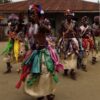
One of the most anticipated features of the Echija Cultural Festival is the display of traditional dances. Groups perform energetic routines dressed in colourful attire, and moving to the rhythms of drums and indigenous instruments. The Ogirinya dance is a signature performance at Echija. Its dynamic jumps, spins, and synchronized movements captivate audiences and draw cheers from the young and the old alike.
Music at the Echija cultural festival is as important as dance. Drums, flutes, and other local instruments create a rhythm that guides each performance. Songs often tell stories from Idoma history, celebrate heroes, or praise the community with the aim of allowing the attendees to connect emotionally with the heritage being showcased.
Masquerades and Costumes
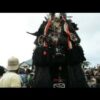
Masquerades are a highlight of the Echija cultural festival. Each masquerade carries historical and spiritual significance as they represent ancestral spirits or local folklore. Masqueraders wear elaborate costumes and masks. They parade through the streets and interact with the crowd in playful and ceremonial ways. Their movements are precise and practiced, and each appearance draws applause, laughter, and awe from the audience.
The colourful costumes at Echija are crafted with great attention to detail. Beads, fabrics, and symbolic patterns are used to tell stories, honour traditions, and showcase the artistic skills of the Idoma people. These masquerades transform the festival grounds into a moving canvas of culture and artistry.
Food and Crafts
No cultural festival is complete without traditional food, and Echija Cultural Festival is no exception. Local dishes like okoho soup, enyi gruel, pounded yam, and other indigenous delicacies are offered at various stalls. Sampling these foods gives visitors an authentic taste of Idoma culinary culture while connecting families and communities through shared meals.
Crafts and arts also play a key role in the festival. Artisans display handmade jewelry, carved wooden figures, traditional textiles, and paintings. Visitors can purchase souvenirs, support local businesses, and learn about the craftsmanship techniques passed down through generations.
Traditional Games and Activities
The festival emphasizes play to reflect the meaning of “Echija” as a day of communal fun. Traditional games such as suwe, ten-ten, and other local pastimes are played by children and adults alike. These games encourage participation, laughter, and friendly competition, and provide a lively counterbalance to the more ceremonial aspects of the festival.
Families and community members often join group activities, picnics, and storytelling sessions. These interactive experiences allow participants to not just observe culture but actively engage with it as a way of ensuring that traditions are lived rather than simply viewed.
Cultural Shows and Competitions
In addition to dances and games, Echija Cultural Festival hosts cultural competitions and showcases. The young people demonstrate skills in drumming, dancing, or costume design while the elders often give storytelling sessions that convey lessons from history and local folklore. Competitions bring a sense of excitement and pride, and motivate participants to practice and perfect their crafts.
These festival highlights and activities collectively create a full cultural immersion. Visitors are not passive spectators, rather, they experience music, art, food, and community life. Through these elements, the Echija Cultural Festival preserves Idoma traditions while inviting everyone to celebrate, learn, and connect.
The People Behind the Festival
The Echija Cultural Festival owes its success to the people who organize, perform, and participate in it. Without their dedication, the festival would be little more than an idea. From the elders to the young cultural ambassadors, each group plays a crucial role in bringing Idoma heritage to life.
At the top are the festival organizers which comprise a team of passionate individuals committed to preserving and promoting Idoma culture. Leaders like Amedu Davinci Iklaga and other members of the planning committee coordinate the logistics, plan performances, and ensure that traditional practices are presented authentically. Their work includes managing venues, coordinating masquerades, arranging food and craft stalls, and communicating with local and international visitors.
Equally important are the performers who train for months to present dances, music, and masquerades. These individuals are often drawn from local communities, schools, and cultural clubs. Many young people join traditional dance groups like the Ogirinya troupe to learn not only the steps but also the cultural meaning behind each movement. Participation instills a sense of pride and continuity that links the youth directly with their heritage.
The community volunteers form another essential layer of support. From guiding visitors to assisting with logistics, these volunteers ensure that the Echija Cultural Festival runs smoothly and remains welcoming to everyone. Families often take part in preparing food, setting up stalls, and decorating spaces to reflect the Idoma culture. Their involvement makes the festival a communal celebration rather than a purely commercial event.
Traditional leaders and elders also play a key role. They provide guidance on cultural protocols, approve ceremonial performances, and sometimes, deliver speeches during opening and closing ceremonies. Their presence reinforces the authenticity of the festival and bridges the gap between historical knowledge and modern celebration.
Finally, the visitors, both local and international bring life to the Echija Cultural Festival. Their participation, curiosity, and appreciation give meaning to the efforts of the performers. Attendees often join dances, try local foods, participate in games, and engage with artisans. That way, they become part of the living culture rather than just observers.
Essentially, the Echija Cultural Festival is a collaborative celebration. It thrives because the organizers, performers, volunteers, elders, and visitors all contribute to its energy, meaning, and success. Each person plays a role in keeping Idoma culture vibrant, visible, and celebrated.
Social and Economic Impact

The Echija Cultural Festival is more than a celebration of music, dance, and tradition. It also has significant social and economic effects that extend beyond the streets of Otukpo. By bringing thousands of participants together each year, the festival creates opportunities for community development, cultural exchange, and local economic growth.
Primarily, the festival strengthens community bonds. Families travel from different towns, and even from abroad to reunite with relatives and friends. The streets fill with laughter, greetings, and shared experiences. These interactions reinforce a sense of belonging and pride in being part of the Idoma community.
The Echija Cultural Festival also plays a role in cultural education. Young people who may have limited exposure to traditional practices witness dances, masquerades, and music performed with precision and passion. Workshops, storytelling sessions, and interactive activities allow participants to engage directly with the heritage. This hands-on learning helps to ensure that traditions are passed on naturally while fostering respect for history.
Additionally, the Echija Cultural Festival promotes social cohesion. By gathering people from diverse backgrounds within Idomaland and beyond, Echija encourages cooperation, mutual respect, and shared celebration. Visitors learn about Idoma values, beliefs, and customs. This creates a bridge between communities and strengthens national cultural awareness.
On the economic impact, Echija Cultural Festival also brings tangible economic benefits to Benue State. Local vendors sell traditional foods, crafts, clothing, and souvenirs, and generate income during the festival period. As artisans showcase their talents to a wider audience, it creates demand for handmade goods that might otherwise go unnoticed.
Hospitality and tourism also receive a boost. Hotels, transport services, and small businesses experience higher demand as visitors attend the festival. For some local entrepreneurs, Echija Cultural Festival provides an annual opportunity to introduce products and services to a broader audience.
Moreover, the festival creates job opportunities, both temporary and long-term. From the performers and musicians to event coordinators, food vendors, and craft sellers, Echija supports livelihoods while promoting cultural preservation. This combination of economic activity and cultural pride demonstrates how festivals can be a sustainable model for community growth.
Beyond local economic effects, the festival enhances the visibility of Idoma culture. Media coverage, online videos, and news reports have introduced Echija to audiences outside Benue State and even outside Nigeria. This exposure not only builds pride within the community but also positions the festival as a cultural attraction with potential for tourism and international recognition.
Through these social and economic contributions, the Echija Cultural Festival proves that cultural celebration can be both joyful and impactful as it brings people together, educates the young, supports livelihoods, and shares the richness of Idoma heritage with the world.
How to Experience the Echija Cultural Festival
Experiencing the Echija Cultural Festival is a unique opportunity to immerse yourself in the traditions of the Idoma people. Whether you are visiting from another part of Nigeria or from abroad, witnessing the festival firsthand allows you to connect with the culture in ways that books, videos, or stories alone cannot capture.
Echija Cultural Festival takes place annually in Otukpo, the largest town in Benue State. Traditionally, it is held in December with activities spanning two days. Each year, the dates are announced in advance to allow families, performers, and visitors to plan their participation. The timing aligns with the holiday season to make it convenient for reunion visits and travel.
Early preparation is key. Accommodation in Otukpo can fill up quickly during the festival period. Booking hotels, guesthouses, or local lodging options in advance ensures a comfortable stay. Travellers should also arrange transport to and from the festival venue, as roads can become busy with attendees.
Once at the festival, there are many ways to participate:
- Watch Traditional Performances – From Ogirinya dances to masquerade parades, witnessing these performances offers insight into the skills, stories, and creativity of the Idoma people.
- Taste Local Cuisine – Food is an integral part of the festival. Stalls offer traditional dishes such as pounded yam, okoho soup, and local delicacies, to give visitors a true taste of Idoma culinary heritage.
- Explore Crafts and Art – Artisans display jewelry, carvings, textiles, and other handmade items. Visitors can purchase these as souvenirs as a way of supporting local talent.
- Participate in Games and Activities – Traditional games like suwe and ten-ten are open to all. Engaging in these activities is a fun way to experience the playful spirit of the festival.
- Learn from Storytelling Sessions – The elders and cultural leaders share tales of Idoma history, folklore, and community values. Listening to these stories provides deeper understanding of the significance of the festival.
By following these tips, visitors can fully enjoy the Echija Cultural Festival, even as they honour the traditions that make it special. Experiencing the festival firsthand means participating in a vibrant, living cultural celebration that brings history, community, and joy together.
In Conclusion …
The Echija Cultural Festival stands as a remarkable celebration of Idoma culture and heritage. From its origins as a community initiative to preserve tradition, to its current status as a vibrant annual event, the festival captures the essence of identity, joy, and togetherness. It provides a space where music, dance, masquerades, food, and games converge to tell the story of a people proud of their roots.
Beyond entertainment, the festival strengthens community bonds, educates the younger ones, and provides economic opportunities for local artisans, performers, and businesses. Visitors leave not only with memories of vibrant dances and delicious meals but also with a deeper understanding of Idoma history, values, and traditions.
For the Idoma people, Echija is a reaffirmation of identity. For outsiders, it is a window into the richness of Nigerian culture which offers experiences that engage all the senses and leave a lasting impression. Every performance, every masquerade, every shared meal is a reminder that culture lives most vividly, when it is celebrated together.
As the festival continues to grow, it promises to maintain its role as a cornerstone of Idoma cultural life. It is an invitation to witness history in motion, to join a community in celebration, and to experience the joy of a tradition that has been preserved, cherished, and shared for generations.
The Echija Cultural Festival is the heart of Idoma heritage that beats in rhythm with every drum, dance, and song, and invites all who attend to become part of its story.
References
- https://www.echijaculturalfestival.com/
- https://www.echijaculturalfestival.com/mediapage
- https://dailytrust.com/how-echija-resonated-idoma-culture/
- https://africons-magazine-3.mozello.com/news/params/post/2680157/otukpo-echija-cultural-festival
- https://www.youtube.com/watch?v=EPwYhjW3pgs&
You might want to check this out …