


Festivals & Events in Nigeria
Ocho Festival: History, Rituals, Bans and the Historic Revival of the Rich Igala Heritage

Ocho Festival is a traditional celebration and cultural heritage of the Igala people of Nigeria. Discover the history, rituals, bans, and historic revival.

In the heart of Kogi State, in the historic town of Idah, when the air comes alive with the rhythm of drums, the colourful attires shimmer, and the excited chatter of people rise, it is time to celebrate one of Nigeria’s most cherished cultural traditions. It is the Ocho Festival, a festival that carries the heartbeat of the Igala people through centuries of history, ritual, and communal pride. From its early roots as a celebration tied to hunting and the agricultural calendar, to a period of decades-long proscription, and finally to its recent revival, the Ocho Festival tells a story that represents both richness and resilience.
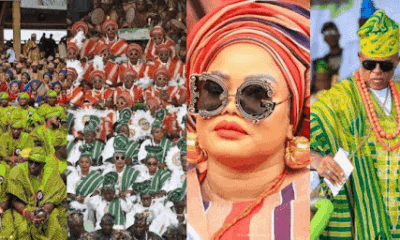
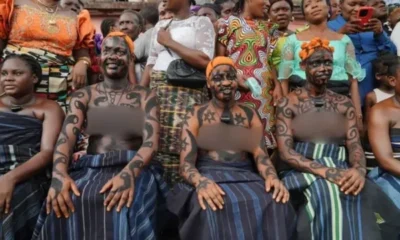
Walking through the festival grounds, one sees more than music and dance. The masquerades that glide gracefully across open spaces embody the spirits of the ancestors. The songs echo lessons from the past while the community comes together in joy, reflection, and gratitude. For the Igala people, the Ocho Festival is a living testament to heritage, identity, and cultural pride that binds generations together.
Today, the Ocho festival has regained its rightful place as a symbol of the rich Igala cultural heritage that draws attention from across Nigeria and even the Igala diaspora abroad. It invites everyone to witness history, experience vibrant traditions, and understand the enduring spirit of a people who refused to let their customs fade away. This is the story of the Ocho Festival, a journey through time, culture, and revival.
Who Are the Igala People?
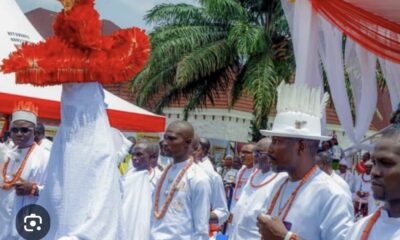
Located along the banks of the River Niger in central Nigeria is Idah, the ancient capital of the Igala people. The Igala are one of the country’s oldest ethnic groups, with a history that stretches back centuries. They are known for their organized kingdom under the leadership of the Attah Igala, a traditional ruler who continues to play a vital role in preserving customs, settling disputes, and guiding the community through both everyday life and cultural celebrations.
The Igala people have a rich cultural heritage that combines traditional governance, religion, and social practices. Festivals are central to their society. They serve as moments to honour the ancestors, mark seasonal cycles, and foster unity. Among these, the Ocho Festival holds a special place. It is not only a celebration of music, dance, and masquerade, it is a cultural compass that connects generations.
Historically, the festival has guided the community through the rhythms of agricultural life, as it marks the transition from the dry season to the hunting and planting periods. It provides a time for reflection, thanksgiving, and community bonding. For the Igala people, the Ocho Festival is a living story that preserves identity, teaches shared values, and celebrates the resilience of a people determined to honor their heritage.
Today, the festival continues to unite the Igala, both in Nigeria and across the diaspora by keeping their history alive while sharing it with the world. By understanding the people behind the celebration, we gain insight into why the Ocho Festival is not just an event but a cultural heartbeat that continues to resonate across generations.
The Origins and Historical Significance of the Ocho Festival
The Ocho Festival has roots that stretch back hundreds of years embedded deeply in the history and daily life of the Igala people. Traditionally, it began as a celebration tied to hunting and the agricultural calendar. In the heart of Igala land, communities relied on the seasons to guide planting, harvesting, and hunting, and the festival became a way to mark these transitions with gratitude, prayers, and communal participation.
Historically, the festival also served as a platform for the Attah Igala, the king of the Igala people, to lead symbolic hunts. These activities were not just ceremonial, they reflected the community’s connection to the land, the animals, and the spirits that watched over their sustenance. Returning from the hunt, the king would distribute portions of the catch, which symbolizes blessing, provision, and unity. Every movement, every drumbeat, and every chant during the festival carries meaning that links the present to the ancestors who first performed these rites.
The Ocho Festival was a guide for society that strengthened social hierarchies, taught the young members about respect, courage, and responsibility, and provided opportunities for the entire community to come together in shared purpose. Scholars note that such festivals preserved oral history, transmitted knowledge about survival and cultural practices, and ensured continuity in a society that valued collective memory.
Beyond hunting and agriculture, the Ocho festival also had spiritual significance. Offerings were made to ancestral shrines, and masquerades represented spiritual forces that protected and guided the Igala people. The festival became a bridge between the living and the dead, the seen and the unseen. Every ritual performed was a declaration of identity, a statement that the Igala people honoured their past while they prepared for the future.
Over time, the Ocho Festival became a symbol of Igala cultural pride. It captured the essence of their beliefs, values, and traditions, and its historical significance has endured even through periods of disruption. Today, it is remembered not just as a festival of music, dance, and feasting but as a cornerstone of Igala identity, a living reminder of centuries-old practices that continue to shape the community.
Rituals and Cultural Practices That Define the Ocho Festival

One of the most captivating aspects of the Ocho Festival is its rich landscape of rituals and cultural practices. For the Igala people, these customs are not merely performances, they are a living expression of history, spirituality, and community. The festival is filled with music, dance, masquerades, and symbolic acts that communicate the values and stories of generations.
At the heart of the Ocho festival is the symbolic hunting activity led by the Attah Igala, the king of the Igala people. Traditionally, the king would journey into the forest to perform ritual hunting which was meant to invite prosperity and protection for the community. The hunted game was shared among the elders, chiefs, and families as a gesture of blessing, abundance, and unity. Each step of the hunt, the preparation, and the offering held deeper meaning that reflects gratitude to the ancestors and respect for the land.
Masquerades play a central role in the Ocho festival. These figures, adorned in vibrant attire and sometimes, intricate masks, are believed to represent ancestral spirits. They glide through the crowds with rhythm and grace in a way that reminds the participants of the enduring presence of the ancestors and the strength of the community.
Masquerades have a clear hierarchy, and each one has a specific role, movement, and symbolic meaning. Before entering the central arena, they often pay homage to senior masquerades by presenting kola nuts or other offerings as a sign of respect.
Music and dance are inseparable from the Ocho Festival. Drums, flutes, and other traditional instruments create rhythms that guide both the masquerades and the dancers. The songs often recount tales of bravery, ancestral wisdom, and community achievements. Through dance, the participants express gratitude, joy, and hope, and allow the festival to become an immersive experience that engages all senses.
Communal feasting is another hallmark of the Ocho festival. Families and neighbours come together to share meals prepared with care and tradition. The food served often reflects local agricultural produce and hunted game in a way that links the celebration to the rhythms of Igala life. This communal sharing strengthens social bonds and allows participants to experience a sense of belonging and cultural pride.
Even today, the Ocho Festival maintains these rituals, with small adaptations for modern life. While the forest hunts may be symbolic rather than practical, the essence remains. The Ocho Festival rituals still connect people to their past, educate the younger generation, and celebrate the rich Igala cultural heritage that has endured through centuries.
Proscription and Its Cultural Impact
Despite its importance, the Ocho Festival did not always enjoy uninterrupted celebration. In the 1950s, during the colonial and post-colonial administrative periods, authorities imposed a ban on the festival. This proscription extended to other Igala traditional festivals as well. The reasons were a mix of political control, concerns over public order, and a misunderstanding of the cultural significance of these events. For decades, the people of Idah and other Igala communities were unable to celebrate the festival openly.
The ban left a profound cultural impact. Generations grew up without the firsthand experience of the rituals of the Ocho festival, music, dances, and masquerades. Oral transmission of the meanings and practices became sporadic, and some of the deeper lessons about community, respect, and seasonal wisdom were at risk of fading from memory. The elders remembered the festival vividly, while the younger members could only hear stories of its grandeur.
The absence of the festival also created gaps in social cohesion. The Ocho Festival had always been a moment for communal gathering, a time to unite families, clans, and the wider community. Without it, opportunities for public celebration, shared teaching, and strengthening cultural identity were lost. The ban disrupted not only the cultural calendar but also the spiritual and social rhythms of Igala life.
Yet, even in its absence, the memory of the Ocho Festival stayed. Families maintained private traditions, storytellers recounted tales of past celebrations, and elders kept the essence of the rituals alive in their homes. These quiet efforts ensured that when the festival was finally revived, the community could reconnect with its heritage and restore what had been paused for decades.
The proscription of the Ocho Festival serves as a reminder of how fragile cultural practices can be when external pressures interrupt the continuity. It also highlights the resilience of the Igala people, who, despite decades of restriction, retained the knowledge, stories, and reverence that would one day allow the festival to return in full splendour.
The Historic Revival of the Ocho Festival
After decades of absence, the Ocho Festival returned to Igala cultural life. This marked a historic moment for the people of Idah and the wider Igala community. In 2018, efforts by the Attah Igala, traditional leaders, and the Kogi State government culminated in the lifting of the ban that had silenced this cherished celebration for more than 50 years. The revival was not just about restoring a festival, it was about reclaiming identity, culture, and communal pride.
The restored festival saw the return of the ritual hunting, masquerades, music, and communal feasts which brought life back to the streets of Idah and gathered people from across Kogi State and the Igala diaspora. The Attah Igala played a central role in this revival. He led ceremonies, blessed the participants, and ensured that the rituals respected tradition while they accommodate modern sensibilities.
News outlets captured the excitement. Drums echoed through the town, colourful masquerades moved through the crowds, and the air was filled with songs of gratitude, joy, and hope. The elders watched with pride as the younger ones experienced the rituals they had once feared might be lost forever. The revival was not only a return to tradition but also an educational moment that taught the value of cultural preservation and passed ancestral knowledge to a new generation.
The comeback of the Ocho Festival also had broader significance. It strengthened cultural tourism in Kogi State as it offered visitors a chance to witness Igala heritage in its most authentic form. It demonstrated the resilience of the Igala people, and showed how a community can reclaim its traditions and ensure that its cultural heartbeat continues to resonate across generations. The historic revival of the Ocho Festival stands as a testament to the enduring spirit of the Igala people and the power of tradition to unite, educate, and inspire.
The Ocho Festival Today and Its Significance

Indigenous Igala people of USA started the celebration of Ocho festival in 2021, and it is an annual event.
Today, the Ocho Festival is a vibrant symbol of identity, community, and continuity for the Igala people. After its historic revival, the festival has regained its place as a highlight of Kogi State’s cultural calendar that draws not only the locals but also visitors and members of the Igala diaspora eager to reconnect with their roots.
Modern celebrations maintain the essence of the rituals of the Ocho Festival while embracing new opportunities for education and tourism. Masquerades still make their ways gracefully through the streets, drumming and dancing still energize the crowds, and symbolic hunting rituals continue, often adapted to suit contemporary realities. Families gather to share meals, young people learn about the ancestral significance of each act, and the elders guide the ceremonies to ensure traditions remain authentic.
The significance of the Ocho Festival extends beyond entertainment to serve as a cultural classroom that teaches lessons about respect, community, and the values of the Igala people. It reminds participants of their shared heritage, thereby connecting generations and reinforcing a sense of belonging. For many, witnessing or participating in the festival is an emotional experience, a chance to honour the ancestors while celebrating contemporary achievements.
The Ocho Festival has also become a driver of cultural tourism. Visitors from across Nigeria and abroad come to Idah to witness the pageantry, the music, and the rituals. The festival boosts local businesses, encourages investment in cultural preservation, and creates opportunities for storytelling and documentation that ensure the rich Igala heritage is passed on to future generations.
Above all, the festival represents resilience. Despite decades of proscription, the Igala people revived this cornerstone of their culture with pride and dedication. Today, the Ocho Festival unites communities, educates the young, and shares the richness of Igala traditions with the world. It stands as a living testament to the enduring power of culture, history, and collective memory.
Lesser-Known Insights About the Ocho Festival
The Ocho Festival is full of fascinating details that many people do not know. For example, the timing of the festival is carefully chosen to align with both the farming and hunting calendars, and ensure that it serves practical as well as spiritual purposes. Masquerades which are a highlight of the festival do not only entertain but also carry messages about social roles, morality, and ancestral wisdom. Each mask, costume, and dance step has a meaning that communicates values to the young members of the community.
Another interesting aspect is how the Ocho festival incorporates storytelling. The elders use songs, chants, and dramatic performances to share tales of bravery, community history, and moral lessons. These stories are often playful, yet instructive, and they help to preserve the oral history of the Igala people.
Food also plays a central role. Traditional dishes prepared during the festival are often based on local produce and game, in reflection of the close relationship between the people and their environment. Sharing meals strengthens social bonds and reminds participants that culture is as much about community as it is about the ritual.
Through these subtle but meaningful practices, the Ocho Festival becomes a comprehensive cultural experience that educates, entertains, and binds the community together by ensuring that the rich heritage of the Igala people continues to thrive.
Ocho Festival and the Future of Igala Cultural Heritage
The revival and continued celebration of the Ocho Festival highlight a broader movement to preserve Igala cultural heritage in a world that is modernizing. Today, young people are actively learning about the rituals, dances, and meanings behind the festival. Schools and cultural organizations often use the festival as a platform for education to teach students about history, social values, and traditional practices.
Technology has also played a role in keeping the festival alive. Videos, documentaries, and social media coverage now allow Igala communities abroad to participate and engage with the festival. The diaspora uses these platforms to organize viewing events, celebrate aspects of the festival in their own communities, and educate others about Igala traditions.
Looking ahead, the Ocho Festival has the potential to become a central feature of cultural tourism in Nigeria. By attracting visitors, the festival not only promotes Igala traditions but also provides economic opportunities for local artisans, musicians, and business owners. Its preservation is a collaborative effort that should combine traditional knowledge with modern tools to ensure that the festival remains vibrant, relevant, and celebrated by future generations.
Through festivals like Ocho, the Igala people prove that culture is dynamic, and can adapt, grow, and thrive, even in a rapidly changing world, thus, offering both continuity and inspiration for communities seeking to honour their heritage.
In Conclusion …
The Ocho Festival is a living thread that ties the past, the present, and the future of the Igala people together. From its historical roots in hunting and agricultural rituals, to decades of proscription, and its eventual revival, the festival tells a story of endurance, identity, and cultural pride.
Every drumbeat, dance, and masquerade carries the wisdom of the ancestors and the joy of a community that has preserved its heritage through generations. Today, the festival is not only a cultural landmark in Kogi State but also a symbol of resilience and unity that educates the young and inspires everyone who witnesses it.
The Ocho Festival reminds us that culture is alive when the people cherish, practice, and share it. It celebrates the richness of Igala cultural heritage and invites the world to witness a tradition that has survived the challenges of time and continues to thrive with renewed vibrancy.
By participating in, observing, or learning about the Ocho Festival, we connect with a people who honour their roots, celebrate their community, and ensure that their stories, rituals, and values endure for generations to come.
References
- https://www.ijtrd.com/papers/IJTRD25227.pdf
- https://kogireports.com/ocho-festival-held-64-years-after/
- https://guardian.ng/sunday-magazine/55-years-after-proscription-ancient-ocho-festival-holds-in-idah/
- https://pmnewsnigeria.com/2018/02/15/gov-bello-lifts-ban-5-igala-traditional-festivals/
- https://kogireports.com/cultural-festivals-in-igala-land-as-a-source-of-revenue-generation/
You might want to check this out …