






Igbo Culture & Heritage
Pottery in Traditional Igbo Society: Rich History, Methods, and Cultural Significance

Pottery in traditional Igbo society is one of the oldest indigenous crafts that combines history, culture, and everyday life across Igboland. Explore its origins, methods, cultural meaning, regional practices, and modern relevance.
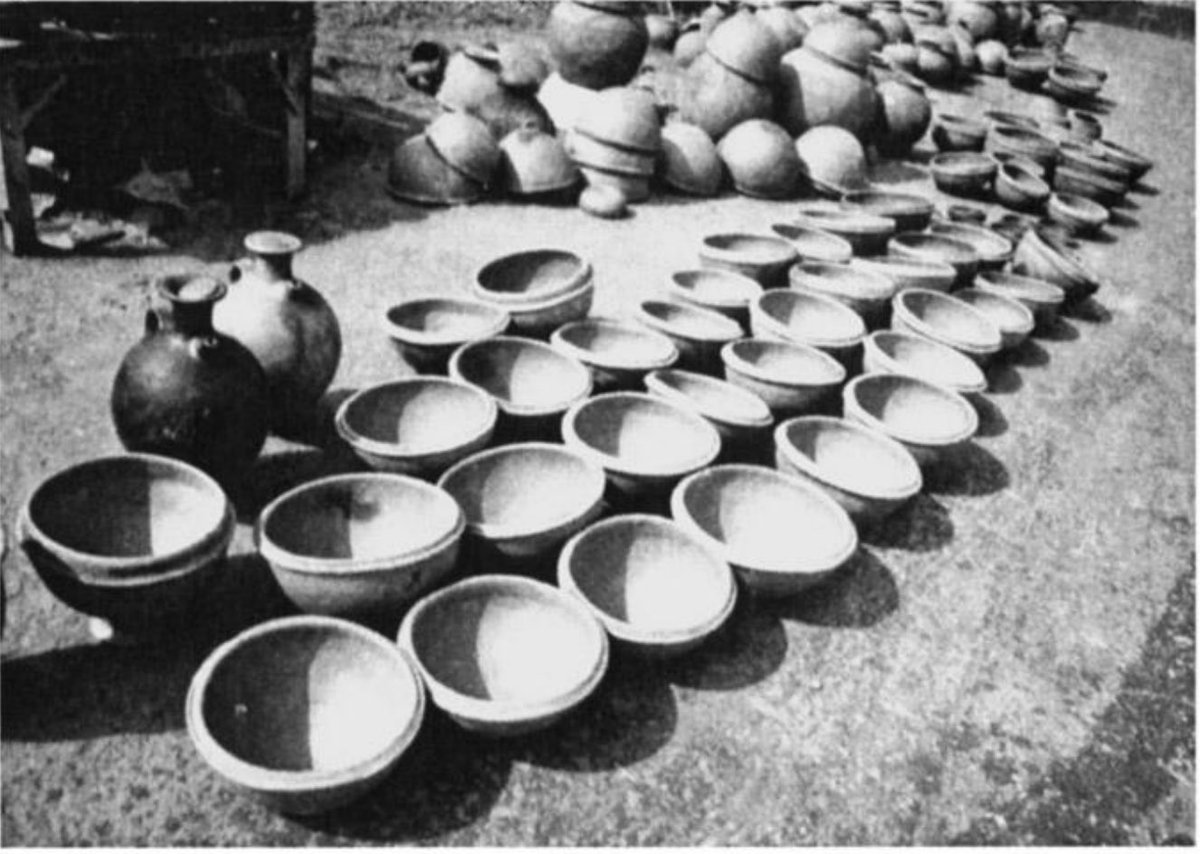
Pottery is one of the quiet but powerful crafts that has shaped everyday life in Igbo society for centuries. Long before modern containers, plastics, and metal pots became common, clay vessels were used for cooking, storage, rituals, and trade across Igboland.
In many Igbo communities, pottery was not just a craft. It was a way of life passed through generations, often within families and local groups who understood the relationship between clay, fire, and patience. Even today, despite modern changes, the craft still survives in parts of southeastern Nigeria as both a cultural heritage and a living skill.
This article explores pottery in traditional Igbo society in detail. It looks at its history, methods, regional presence, cultural meaning, and how it continues to adapt in a changing world.
Historical Origins of Pottery in Traditional Igbo Society
The history of pottery in traditional Igbo society goes back many centuries. It is one of the oldest known crafts in the region and has been part of everyday life long before modern tools and industrial production existed. Clay was easy to find in many parts of Igboland, so people learned early how to turn it into useful household items.
One of the strongest pieces of evidence for this long history comes from archaeology in southeastern Nigeria. Sites such as Igbo-Ukwu in present-day Anambra State show that Igbo people were already working with clay in very skilled ways many centuries ago. Ceramic objects found there, including pots and fragments show that it was not random or new at the time. It was already developed and widely used in daily life.
Beyond Igbo-Ukwu, other archaeological findings across Igboland also point to long-standing pottery traditions. These discoveries show that pottery was not limited to one town or community. It was spread across different areas, each adapting the craft based on local needs and available clay.
In pre-colonial Igbo society, pottery had a clear place in everyday living. People used clay pots for cooking, storing water, and preserving food. Some vessels were also used in rituals and traditional ceremonies. Because of this, the craft was both practical and cultural at the same time.
Although we may not have full records of how every ancient pottery workshop operated, the large number of ceramic findings suggests that pottery making was a well-established skill passed down through generations. It was part of community life, often learned through observation and practice rather than formal instruction.
Over time, this tradition continued to evolve. Even as societies changed, the use of clay vessels remained important in many Igbo communities, especially in rural areas where traditional lifestyles were more preserved.
Regional Distribution of Pottery Across Igboland
Pottery in Igbo society is not found in just one place or limited to a single group. It exists across many parts of Igboland, though the level of practice and style can differ from one area to another. These differences are shaped by local resources, community needs, and long-standing traditions.
In rural communities where good clay is available, pottery developed as a steady household craft. People in these areas used nearby rivers, streams, and clay deposits as their main source of raw material. Because of this, the craft became closely tied to the environment and daily survival.
Across different parts of Igboland, especially in states like Enugu, Abia, Anambra, and Ebonyi, pottery has been part of traditional life for a long time. In some communities, it was a regular activity within households, while in others it supported small-scale trade in local markets.
Although the general purpose is similar across Igboland, the products are not always the same. Some communities produce larger water storage pots, while others focus more on cooking vessels or containers used for local food processing. The differences often come from what people need most in their daily lives.
There are also variations in how clay is prepared and how firing is done. Some areas rely more on open-air firing methods, while others use slightly different traditional approaches, depending on available space, fuel, and experience passed down through generations.
Even with these differences, one thing remains clear. Pottery across Igboland shares a common foundation. It is a craft rooted in local knowledge, shaped by environment, and passed from one generation to another within communities.
Materials Used in Traditional Igbo Pottery
The making of pottery in Igbo society begins with materials that come directly from nature. Everything used is simple, local, and available within the environment. This is one of the reasons it became a common household craft across many Igbo communities.
Clay is the most important material in pottery. It is usually collected from riverbanks, stream beds, or natural clay deposits in rural areas. Not all clay is the same, so potters often look for types that are smooth, flexible, and strong enough to hold shape after firing. Once collected, the clay is cleaned carefully. Stones, roots, and other unwanted materials are removed so that the final product will not crack or break easily during use.
Water is added to soften the clay and make it workable. It helps the clay to become smooth and easy to handle during the early stages of preparation. The amount of water used is controlled carefully because too much can weaken the clay.
In many traditional practices, potters mix clay with fine sand or small crushed pieces of old pots. These added materials help to strengthen the clay and reduce the chance of cracking when the pot dries or is fired. This mixture also improves durability, especially for pots used for cooking over fire.
Traditional Igbo potters do not rely on complex equipment. Instead, they use simple tools found around them. These may include smooth stones for polishing surfaces, wooden paddles for pressing and refining the clay, leaves or shells for decoration or finishing touches, and flat ground or mats for drying finished work. Each tool has a practical purpose and is often reused for many years.
Firewood is an important material in the final stage of pottery making. It is used to heat and harden the clay after it has been formed and dried. The choice of firewood can affect the quality of the final pot. So, dry and steady-burning wood is preferred.
Together, these materials show how pottery in Igbo society is closely connected to the natural environment. Nothing is artificial or industrial. Everything comes from the land and is used with care and experience passed down through generations.
Traditional Methods of Pottery Making in Igbo Society
The process of pottery in Igbo society is careful and patient. It is not rushed, because every stage affects how strong and useful the final pot will be. The methods used are traditional and passed down through observation, practice, and family teaching, especially within rural communities.
The process begins with preparing the clay. After it is collected from riverbanks or clay pits, it is cleaned to remove stones, roots, and other unwanted materials. The clay is then soaked in water and left for some time to soften. After that, it is kneaded repeatedly until it becomes smooth and easy to work with. This stage is very important because poorly prepared clay can lead to weak pots.
Once the clay is ready, the potter begins to form the vessel using hand methods. In many Igbo communities, the most common technique is coiling. Here, long rolls of clay are placed one on top of another and carefully joined together. The potter then smooths the inside and outside surfaces until the shape becomes firm and even.
Another method used in some cases is pinching, where the clay is pressed and slowly opened with the fingers to create small containers. These methods allow potters to produce different types of pots, depending on their purpose.
After the main form is created, the surface of the pot is refined. Potters use simple tools like stones, shells, or wooden paddles to smooth the surface. Some pots are decorated with light patterns or markings, depending on local tradition and personal style. These designs are usually simple and functional rather than purely decorative.
The formed pot is then left to dry slowly. It is usually placed in a shaded area or under gentle sunlight. This step must be carefully managed. If the pot dries too fast, it may crack. If it stays too wet, it will not survive the firing stage. Proper drying gives the pot strength before it meets fire.
The final stage is firing. In traditional Igbo society, this is often done in an open space using firewood, dried leaves, or other natural materials. The dried pots are arranged carefully and covered to allow even heating. The fire is controlled to ensure that the pots harden without breaking. After firing, the pots are allowed to cool slowly. At this stage, clay becomes ceramic material, strong enough for cooking, storage, and daily use.
These methods show that pottery in Igbo society is built on patience, skill, and close knowledge of natural materials. Every step depends on experience and careful handling, passed down through generations of practice.
Cultural Significance of Pottery in Igbo Society
In Igbo society, pottery is more than a household craft. It is part of daily living, food culture, belief systems, and shared community memory across Igboland. Even though modern materials have reduced its everyday use in some areas, its cultural meaning remains strong.
For many generations, clay pots were essential in Igbo homes. People used them for cooking, storing water, and keeping food items safe. In many rural areas, clay containers were preferred for water because they helped to keep it cool for longer periods. These everyday uses made pottery a trusted part of family life.
Pottery also has a strong link to Igbo food traditions. Some meals are traditionally prepared in clay pots because of the way they cook food slowly and evenly. Fermented foods and local dishes often develop better taste and texture when prepared in earthenware. Because of this, pottery became part of how food culture was preserved and passed down.
In some Igbo communities, pottery items were also used in rituals and ceremonial activities. Clay vessels could appear in shrine settings, ancestral observances, and community rites. These pots were treated with care because they were connected to spiritual and cultural practices, not just daily use.
Clay comes directly from the soil, and this gives pottery a deeper meaning in Igbo worldview. It represents a close relationship between the people and the land they live on. The process of turning raw clay into useful objects is often seen as part of human interaction with nature and survival.
Pottery also helps to preserve cultural identity across Igboland. Different communities developed their own ways of making and using clay vessels. These differences carry history, memory, and local knowledge. Even without written records, this traditional craft helps to tell the story of how people lived and adapted over time.
Economic Importance of Pottery in Igboland
In Igbo society, pottery was not only a cultural craft. It also played an important role in local economies across Igboland. For many households, especially in rural communities, pottery provided both daily usefulness and a source of income.
For generations, many families depended on pottery as a form of work. Women, in particular, were often involved in making clay pots for household use and for sale. The income from selling these pots helped to support food, clothing, and other basic needs. In some communities, the craft was one of the steady ways families contributed to their local economy.
Clay pots were commonly sold in village markets and regional trading centres. Traders and buyers would come from nearby communities to purchase cooking pots, water jars, and storage containers. Because these items were needed in almost every home, there was regular demand for them.
In many cases, pottery was exchanged not only for money but also through barter systems. People could trade pots for food items like yams, palm oil, or other goods needed in the household.
Pottery also helped to strengthen rural economic life. Since the materials used were locally available, production costs were low. This made it easier for small-scale producers to participate in trade without needing large capital. The craft, therefore, supported informal but stable economic activity within communities.
Some pottery products moved beyond the immediate community where they were made. Through local trade networks, clay vessels were carried to neighbouring towns and markets. This movement helped to connect different parts of Igboland economically and encouraged exchange between communities.
In recent times, the economic importance of pottery has reduced in many areas due to modern alternatives like metal, glass, and plastic containers. However, the craft still exists in some rural communities and also survives as a cultural craft and art form.
Today, some potters produce items for tourism, cultural exhibitions, and artistic markets. This shift shows how the craft continues to have economic value, even if in a different form from the past.
Gender Roles in Traditional Pottery Production

In many parts of Igboland, pottery has long been connected to clear roles within the community, especially when it comes to gender. The way it is produced, shared, and passed down often reflects how responsibilities are organized in traditional Igbo society.
In most Igbo communities where pottery was widely practiced, women were the main producers. They collected clay, prepared it, formed vessels, and sold finished products in local markets. This work was not seen as separate from household life. Instead, it fit into daily routines that combined family care, farming, and craft production.
The craft also gave many women a source of personal income. Through selling clay pots, they contributed to household needs and local trade. As such, pottery supported both family survival and women’s economic participation in rural communities.
Pottery skills were often passed from mothers to daughters. Young girls learned by observing and gradually assisting in the process. Over time, they developed the ability to work independently. This informal learning system helped to preserve the craft within families and communities for many years.
Because of this, the craft was not just a skill but also part of cultural upbringing. It carried knowledge about materials, patience, and careful work, all learned through practice rather than formal instruction.
Although women were the main potters in many areas, men were not completely absent from the process. In some communities, men helped with tasks such as collecting firewood, digging clay, or assisting during firing. These activities required physical strength or group coordination, especially during large firing processes. However, the main creative and production work usually remained in the hands of women.
Pottery also carried social meaning. A woman’s ability to produce good-quality pots was respected within her community. It showed skill, patience, and practical knowledge of natural materials. In some cases, pottery contributed to a family’s social standing, especially where the craft was well established.
With modernization and the introduction of industrial containers, fewer young people are learning the craft today. This has affected traditional gender roles linked to it. In some places, pottery is now practiced more as cultural preservation or artistic expression rather than a daily economic activity.
Changes and Modern Influences on Igbo Pottery
Over time, pottery in Igbo society has gone through major changes. What once served as a daily necessity in most homes is now less common in many areas, especially in towns and cities. These changes did not happen suddenly. They came gradually through shifts in lifestyle, technology, and economy.
One of the biggest changes came with the introduction of modern household items. Metal pots, aluminium cookware, glass containers, and later, plastic storage products became widely available. These items were easier to mass-produce, more uniform in design, and often lasted longer under certain conditions. As these materials became common, many households began to replace traditional clay pots with modern alternatives. This reduced the everyday demand for pottery in many communities.
As more people moved into towns and cities, daily life also changed. Urban living often requires faster cooking methods, limited outdoor space, and different storage systems. These conditions made traditional pottery less practical for many urban households. In rural areas, the craft continued longer because traditional cooking and storage practices remained part of daily life. But even there, changes have slowly reduced its regular use.
Another major change is the reduced interest among the younger generations. In the past, children learned pottery by watching and assisting older family members. Today, many young people are more focused on formal education and different types of work. As a result, fewer people are learning pottery as a full-time skill. This has affected the continuity of the craft in some communities.
Even though pottery is less common in everyday household use, it has not disappeared. In many places, it is now valued more for cultural, artistic, and historical reasons. Some pottery items are produced for decoration, cultural exhibitions, or tourism. Museums, cultural organizations, and researchers also show interest in the craft as part of Igbo heritage. This has helped to preserve knowledge of the craft, even if its practical use has reduced.
In some communities, potters have adapted by creating items for modern markets. These include decorative pieces, souvenirs, and culturally inspired designs. This shift allows pottery to survive in new economic spaces, even outside traditional household use.
Challenges Facing Traditional Pottery in Igbo Society
Although pottery in Igbo society has a long and respected history, the craft faces many challenges today. These challenges have affected how often it is practiced, how it is valued, and how it is passed on to the younger ones across Igboland.
One of the biggest challenges is the reduced demand for clay pots in everyday life. Many households now rely on metal, glass, and plastic containers. These modern items are widely available and often seen as more convenient. As a result, fewer people buy traditional pottery for daily use, and this reduces income for potters.
Another major challenge is the declining interest among young people. In the past, pottery skills were learned at home through observation and practice. Today, many young people prefer formal education and modern careers. Because of this shift, fewer apprentices are entering the craft, and knowledge is not being passed on as widely as before.
In some areas, potters face difficulty accessing good clay deposits. Urban expansion, land use changes, and environmental pressure have reduced or restricted some traditional clay sources. Without reliable access to quality materials, production becomes harder and less consistent.
Traditional pottery is often time-consuming and physically demanding. At the same time, it does not always bring high financial returns compared to other forms of work. This imbalance makes it difficult for many artisans to continue the craft full-time, especially when they need stable income for their families.
Pottery production also depends heavily on natural conditions. Weather affects drying, while firing requires steady access to firewood and safe outdoor space. Changes in the environment, including deforestation and land development, can make these processes more difficult.
In many cases, traditional pottery receives limited support from formal institutions. There are few training centres, funding programmes, or structured efforts to promote the craft as an economic activity. Without strong support systems, it becomes harder for pottery traditions to grow or modernize sustainably.
Preservation and Revival of Pottery Traditions in Igboland
Even with the many changes affecting pottery in Igbo society, the craft has not completely disappeared. In different parts of Igboland, efforts are being made to preserve it and bring it back into cultural and economic relevance. These efforts focus on keeping the knowledge alive and helping the younger ones understand its value.
One of the key ways pottery is being preserved is through research and documentation. Scholars, archaeologists, and cultural researchers study the traditions to record how they were made, used, and passed down. These studies help to protect knowledge that might otherwise be lost over time.
Archaeological findings and ethnographic research also provide evidence of how deeply pottery is rooted in Igbo history. This documentation helps to connect present-day practices with older traditions.
Museums and cultural centres play an important role in preservation. They collect, display, and explain traditional pottery pieces so that people can learn about them. These spaces help the public see pottery not only as old objects but as part of living cultural history. In some cases, exhibitions and cultural events include demonstrations of traditional crafts, allowing visitors to observe how pottery is made.
Schools also contribute to revival efforts by introducing students to indigenous knowledge systems. When young people learn about traditional crafts like pottery, they begin to understand their cultural background. This can help to create interest in preserving and even practicing the craft in the future.
Pottery has also gained attention in cultural tourism. Visitors interested in Igbo heritage often seek authentic experiences that include traditional crafts. Some communities and artisans now present pottery making as part of cultural tours or local exhibitions. This creates a new form of value for the craft beyond daily household use.
In some areas, potters are adapting their work to modern markets. Instead of only producing household items, they also create decorative pieces, souvenirs, and artistic designs. This adaptation allows pottery to survive in a changing economy while still maintaining its traditional foundation.
The internet and digital platforms have also become tools for preservation. Articles, videos, and social media content help to share knowledge about pottery with wider audiences. This digital visibility helps to document practices that may no longer be common in everyday life.
Conclusion …
Pottery in Igbo society is more than an old craft from the past. It is part of a living history that connects people to their roots, their environment, and their everyday way of life. From ancient archaeological evidence to practices still seen in some rural communities today, pottery has remained a steady part of Igbo cultural experience.
Across Igboland, clay pots once supported almost every aspect of daily living. They were used for cooking, storing water, and preserving food. They also carried cultural meaning in rituals, family life, and local traditions. Even though modern materials have changed how people live today, the memory and value of pottery still remain.
The journey of the craft also tells a wider story of change. It shows how communities adapt to new materials, new economies, and new lifestyles while still holding on to parts of their heritage. In many ways, pottery reflects resilience, because it has survived shifts in time, even if its everyday use has reduced.
Today, it continues to exist not only as a craft but also as a symbol of identity and cultural pride. Through research, education, tourism, and local practice, efforts are being made to keep it alive and meaningful for future generations.
Ultimately, pottery is not just about clay and fire. It is about memory, tradition, and the quiet ways culture is carried forward.
References
- Cambridge University Press. (n.d.). Ethnoarchaeological studies on pottery in West Africa. Proceedings of the Prehistoric Society. https://www.cambridge.org/core/journals/proceedings-of-the-prehistoric-society
- Springer Nature. (n.d.). African Archaeological Review journal articles on ceramic traditions. https://link.springer.com/journal/10437
- ScienceDirect. (n.d.). Ceramic traditions and archaeological evidence in West Africa. https://www.sciencedirect.com/topics/earth-and-planetary-sciences/ceramics
- Shaw, T. (1970). Igbo-Ukwu: An account of archaeological discoveries in eastern Nigeria. Faber and Faber. https://www.worldcat.org/title/igbo-ukwu-an-account-of-archaeological-discoveries-in-eastern-nigeria/oclc/18573
- Connah, G. (2015). African civilizations: An archaeological perspective (3rd ed.). Cambridge University Press. https://www.cambridge.org/core/books/african-civilizations/
You might want to check this out …
- https://nnewicity.com/ishiagu-pottery-works-traditional-igbo-craftsmanship-in-ebonyi-state/
- https://nnewicity.com/indigenous-crafts-of-precolonial-igbo-society/