




African Culture
Igbo Traditional Dressing: A Powerful Expression of Cultural Identity

Igbo traditional dressing is a rich expression of cultural identity, history, and status. Explore its origins, symbolism, fabrics, and modern relevance in Igbo society.
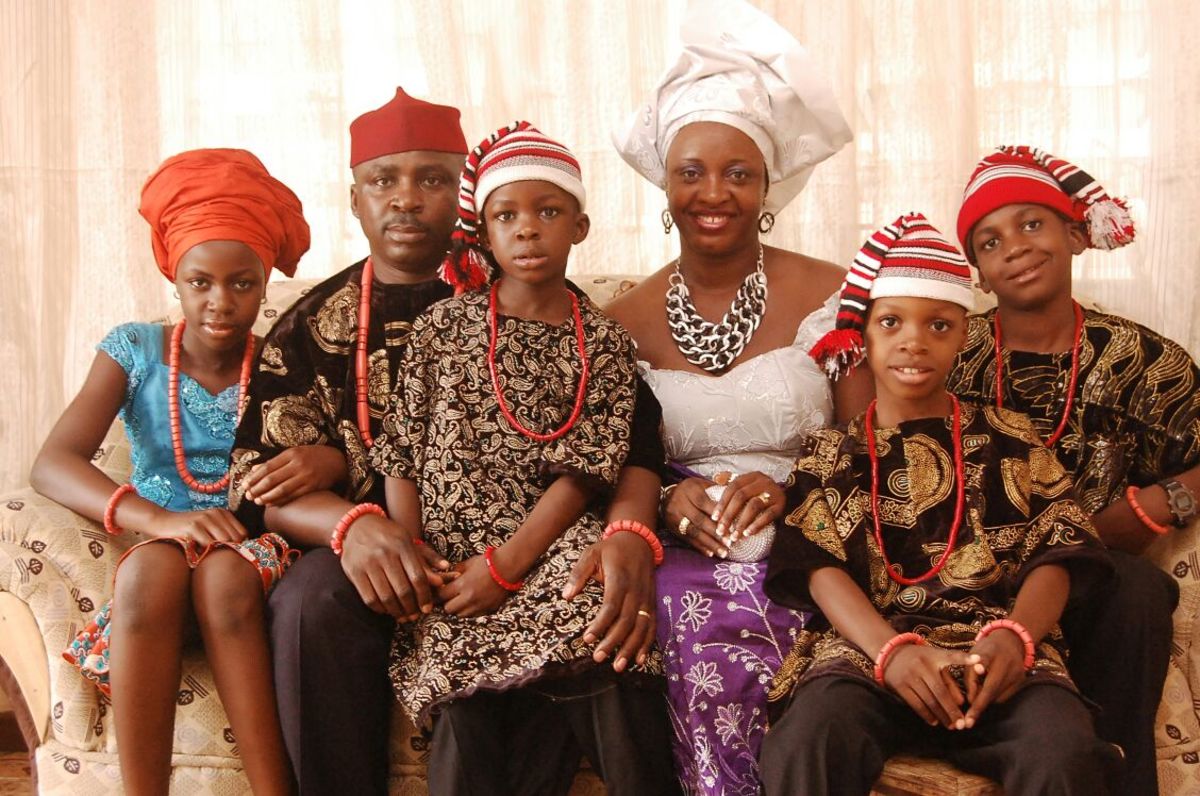
In Igbo society, the fabric is not just cloth. Beyond the fabric, there is history, community and belonging. The way a man wears his Isiagu top, or a woman ties her wrapper tells a story about who they are and what the occasion is. Colours, beads, and head ties are more than decoration. They are symbols of achievement, social standing, and cultural memory.
Igbo traditional dressing has roots that stretch back centuries. The early garments were simple, made from raffia and handwoven fibres. Yet, they served the same purpose they do today which is to communicate identity without words. Over time, imported fabrics and evolving styles have layered new forms of expression onto these traditions. Notwithstanding, the meaning has remained.
This article takes you through the history, elements, and symbolism of Igbo traditional dressing. You will see how clothing connects generations, marks occasions, and preserves a culture that values identity, pride, and continuity. It is a tradition that continues to live, adapt, and resonate in everyday life of the Igbo people.
What Is Igbo Traditional Dressing?
When we talk about Igbo traditional dressing, we are referring to the clothing styles and accessories worn by the Igbo people of southeastern Nigeria, especially during cultural, social, and ceremonial occasions. It is more than just clothing. It is a form of communication. Through the fabric, colour, and design, people convey identity, social status, age group, family ties, and even achievements.
Historically, everyday attire was simple and practical, designed to suit the climate and daily activities. Men often wore wrappers with minimal tops, while the women wore single or double wrappers with basic adornments. Over time, ceremonial dressing became more elaborate. Special fabrics, head ties, beads, and caps were introduced to indicate rank, status, family background, and occasion.
Today, Igbo traditional dressing combines centuries-old techniques with modern fabrics and designs. Items like the Isiagu top for men, wrappers and head ties for women, and coral bead accessories continue to carry deep cultural meaning. Every outfit tells a story and serves as a visual marker of heritage, pride, and belonging.
Historical Origins of Igbo Traditional Attire
The story of Igbo traditional dressing stretches back centuries, long before modern fabrics or mass-produced clothing reached southeastern Nigeria. In early Igbo society, clothing was practical but carried cultural significance. Men often wore minimal wraps or loincloths made from raffia, while women used wrappers woven from local fibres. These early garments were designed for daily activities, the tropical climate, and ease of movement. Yet, they also communicated identity and belonging within the community.
Archaeological discoveries at Igbo-Ukwu dating as far back as the 9th to 13th centuries reveal that the Igbo people had advanced weaving techniques and produced textiles for both practical and ceremonial use. Fragments of raffia and plant-based fabrics recovered from these sites show evidence of intricate patterns and designs, and suggest that early attire was not only functional but also a form of expression.
Trade and cultural contact later introduced new materials. Cotton and imported fabrics became available, and allowed for more elaborate garments. By the pre-colonial period, ceremonial dress had grown more complex, incorporating beads, decorative caps, and patterned fabrics to signify status, achievements, and family identity. These changes did not erase older traditions but layered additional meaning, to create a rich vocabulary of clothing that could communicate social and spiritual roles.
Today, Igbo traditional dressing continues to honour these historical roots. Modern fabrics like George cloth, lace, and Ankara are used for ceremonies. But the principles remain the same – clothing is a symbol of identity, status, and heritage, thus linking the present to a long and meaningful past.
Key Elements of Igbo Traditional Dressing

Igbo traditional dressing is recognized for its rich fabrics, careful styling, and the symbolic meaning behind each piece. Every element, from the choice of material to the accessories worn tells a story about social status, heritage, and occasion. Over time, these elements have evolved but continue to honour centuries of tradition.
Men’s Traditional Attire
In Igbo traditional dressing, the men’s attire combines elegance, authority, and symbolism. Some of the most notable pieces include:
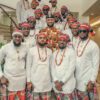
Isiagu Top which is one of the most iconic garments for Igbo men. It is usually worn during ceremonies or by titled men. The embroidered patterns symbolize strength, prestige, and leadership. This makes it a clear marker of status.
Wrapper (George or similar fabrics). Wrappers are long pieces of cloth tied around the waist. They complete the outfit and can be made from cotton, George fabric, or other decorative textiles. The way a wrapper is tied and the material used often signals the formality of the occasion.
Caps (Okpu or Red Cap). Headgear is a critical component of male dressing. The red cap, for example, is reserved for titled men and signifies authority and respect within the community. Caps can vary in style, depending on region and title.
Accessories. Beads, walking sticks, and occasionally horsetails are added for formal events. These accessories reinforce identity and convey cultural pride.
Women’s Traditional Attire
In Igbo traditional dressing, the women’s outfit emphasizes elegance, beauty, and storytelling through colour and fabric. Key elements include:
Blouse and Wrapper. Women often wear a blouse paired with a single or double wrapper. The fabric may be locally woven, imported, or hand-dyed, depending on the occasion. The wrapper is tied carefully to allow ease of movement while maintaining style.
George Fabric and Lace: For ceremonies, women frequently use George fabric, lace, or Ankara textiles. These fabrics are usually brightly coloured and patterned, and this reflects both personal taste and cultural significance.
Headgear (Ichafu). The ichafu is a head tie that completes a woman’s outfit. Its size, style, and how it is tied often indicate formality or the importance of the occasion.
Beads and Jewelry. Coral beads and necklaces are widely used in ceremonial attire. They signify status, wealth, and family heritage. In some cases, specific bead patterns are linked to particular lineages or chieftaincy titles.
Common Features of Igbo Traditional Dressing Across Men and Women
Color and Pattern. In Igbo traditional dressing, colours are chosen carefully. Red, white, and black often carry spiritual or social meaning. Patterns may reflect family symbols or local motifs.
Fabric Quality. In Igbo traditional dressing, the choice of fabric often reflects wealth and occasion. Imported fabrics like George, Lace, Ankara, or locally woven Akwete cloth are reserved for important events.
Accessories. Whether beads, walking sticks, or hats, accessories are never merely decorative in the Igbo traditional dressing. They communicate identity and respect cultural norms.
Igbo traditional dressing is a visual language. Every piece is purposeful, and together, they form a complete story of heritage, social structure, and cultural continuity.
Symbolism and Cultural Meanings
In Igbo culture, clothing is not just about appearance. Igbo traditional dressing carries deep symbolic weight. Every colour, fabric, pattern, and accessory communicates something about the wearer, their community, their role in society, and the occasion. Understanding this symbolism allows us to see attire as a form of non-verbal communication that has endured for centuries.
Clothing as a marker of identity. In Igbo traditional dressing, the way someone dresses can indicate their age, family background, and social standing. For men, the Isiagu top or a red cap signals that the wearer has achieved a particular status or title. For women, the style of the wrapper or the arrangement of the ichafu can show marital status, family heritage, or the importance of a ceremony. Clothing tells stories that words cannot capture, thus making it an essential part of cultural life.
Colours and their meanings. Colours are carefully chosen in Igbo traditional dressing, and they often carry cultural or spiritual significance. Red often symbolizes vitality, courage, and sometimes authority. Red beads and caps are commonly associated with titled individuals.
White is linked to purity, peace, and sacred occasions. White fabrics are often used in important rituals or ceremonies. Black represents maturity, respect, or solemnity, and is frequently seen in elder attire or during funerals. Bright patterns are used in festive events, as they symbolize joy, celebration, and family pride.
Fabrics and social status. Some fabrics are reserved for specific purposes or social classes. For instance, Ukara cloth is historically linked to secret societies and high-ranking individuals as a symbol of power and authority. Akwete cloth which is woven locally reflects skill, wealth, and cultural sophistication.
Beads and accessories. Beads in Igbo traditional dressing are never merely decorative. Coral beads worn by women or men indicate family lineage, social achievement, or spiritual affiliation. Walking sticks, horsetails, and other ceremonial accessories are also loaded with meaning. They may represent authority, respect, or connection to ancestral traditions.
Ceremonial vs everyday symbolism. In Igbo traditional dressing, even simple, everyday garments held symbolic meaning among early Igbo society. The difference today is that ceremonial dress has become more elaborate. Apart from that, the principle remains that clothing communicates cultural identity and values. Whether worn for daily life or major life events, each outfit carries stories that connect individuals to their community and heritage.
Occasions and Social Contexts
Igbo traditional dressing is closely tied to the events and social settings in which it is worn. Clothing is never arbitrary. It signals the importance of an occasion, the role or status of the wearer, and the cultural expectations of the community. Each piece of fabric, accessory, and style of tying carries meaning depending on the context.
Traditional weddings
Traditional weddings are among the most visible displays of Igbo traditional dressing. The bride and groom wear carefully chosen outfits that reflect taste, family heritage and social status. Women often wear elaborately tied wrappers, colourful blouses, and intricately arranged head ties called ichafu, while men may don the Isiagu top, wrapper, and ceremonial beads. Families and guests also coordinate colours and styles to honour the event, thereby creating a vibrant heritage of tradition.
Festivals and cultural celebrations
Festivals, like the New Yam Festival are occasions where communities display cultural pride through attire. Bright fabrics, patterned designs, and ceremonial accessories distinguish participants. Wearing traditional clothing during these events is both a celebration of heritage and a visual record of community identity.
Title-Taking and chieftaincy ceremonies
In title-taking ceremonies, Igbo traditional dressing reflects rank and achievement. Men who have earned a title may wear the red cap and specialized garments such as the Isiagu, while women may wear coral beads or head ties that signify family prominence. These garments communicate respect, authority, and recognition within the community.
Funerals and mourning events
Even in solemn events, Igbo traditional dressing carries meaning. Funeral attire often uses subdued colours like black or white, depending on the customs of the family or community. Clothing communicates respect for the deceased and signals the mourner’s relationship to the family.
Everyday Dressing vs. Ceremonial Dressing
Historically, everyday attire was simpler as they used locally woven fabrics suited to daily life. Today, ceremonial dressing is more elaborate. Notwithstanding, casual traditional clothing maintains cultural markers. Simple wrappers, head ties, or beads can still communicate identity, family affiliation, or social role.
Igbo traditional dressing serves as a cultural guide for social behaviour. How someone dresses indicates their participation in the life of the community and helps to maintain harmony, respect, and understanding of social norms.
Regional Variations of Igbo Traditional Dressing Within Igbo Land’

Igbo traditional dressing is not uniform across southeastern Nigeria. Different communities have developed unique styles, fabrics, and accessories that reflect local customs, climate, and historical influences. These regional variations give Igbo attire a rich diversity while maintaining its shared cultural identity.
Differences in fabrics and patterns. Some Igbo communities prefer certain fabrics over others. For example, in parts of Anambra State, women often favour brightly patterned George or Ankara wrappers with intricate embroidery, while in Imo and Abia States, handwoven Akwete cloth is more commonly worn to reflect their weaving heritage. Men’s wrappers and tops may also feature local motifs or embroidery styles that identify the wearer’s community.
Variations in accessories. Beads, head ties, and caps can differ significantly from region to region. In some areas, coral beads are more prominent in women’s dressing, while in others, multi-coloured beads or cowrie shells are preferred. Male headgear may vary in shape or style, and walking sticks or horsetails may be included in some communities but not in others.
Styling and wrapping techniques. How wrappers are tied, blouses are fitted, or head ties are arranged can signal regional identity in Igbo traditional dressing. For instance, in Enugu State, women may tie their ichafu in elaborate layered styles, while in Abia State, simpler, streamlined head ties are more common. Men’s wrappers may also be folded or draped differently, depending on local custom.
Ceremonial emphasis by region. In Igbo traditional dressing, certain communities emphasize different elements for specific ceremonies. Some may highlight beads and coral jewelry for weddings, while others focus on the cut and pattern of men’s Isiagu tops for title-taking ceremonies. These distinctions allow outsiders to recognize a person’s community or lineage through attire alone.
Despite these regional differences, the underlying purpose of Igbo traditional dressing remains the same, and that is to communicate identity, status, and cultural values. These subtle variations enrich the culture, and show how tradition adapts, even as it stays rooted in shared heritage.
Evolution of Igbo Traditional Dressing
Igbo traditional dressing has a long history, and like any living culture, it has evolved over time. Early attire was simple and practical, made from local fibres such as raffia and bark cloth. These materials were handwoven and suited daily life, yet they also carried cultural meaning that reflected age, family, or social role/status. Over centuries, the attire grew more elaborate by blending tradition with external influences.
Before trade networks expanded, clothing was almost entirely locally sourced. Raffia, cotton, and plant fibres formed the foundation of daily and ceremonial wear. With trade and cultural exchanges, imported fabrics such as George cloth, lace, and later, Ankara became more common. These new textiles allowed for bolder patterns, brighter colours, and more complex designs, especially in ceremonial dress.
The arrival of the Europeans introduced new fabrics, styles, and tailoring techniques. Igbo people adapted these influences, though still maintaining traditional symbolism. For example, the Isiagu top evolved in cut and embroidery to incorporate imported fabrics. But it continued to signal authority and achievement. Similarly, women incorporated imported lace and patterned textiles into wrapper and blouse combinations for special occasions.
In contemporary society, Igbo traditional dressing blends heritage with modern aesthetics. Designers incorporate traditional fabrics, patterns, and motifs into ready-to-wear outfits suitable for urban settings, weddings, and festivals. In place of wrappers, men now wear matching trousers, and the women make wrapper-like gowns.Young people increasingly wear traditional attire as a statement of pride and identity, sometimes, mixing old and new styles to create innovative looks that honour their roots.
Despite these changes, the cultural significance of Igbo traditional dressing has remained constant. It continues to communicate social status, family heritage, and participation in communal life. Evolution has made the attire more versatile and widely appreciated, though the meaning behind the fabrics, colours, and accessories remains deeply rooted in tradition.
Igbo Traditional Dressing in Contemporary Society
Today, Igbo traditional dressing is both a cultural statement and a source of pride. While it was once reserved mostly for ceremonies and special events, modern Igbo communities embrace traditional attire in everyday life, cultural festivals, weddings, and even professional settings. Clothing has become a way to celebrate heritage while engaging with contemporary fashion trends.
Igbo traditional dressing continues to dominate weddings, title-taking ceremonies, festivals, and family celebrations. Men wear well-tailored Isiagu tops with matching wrappers/trousers and caps, while women showcase brightly coloured wrappers/wrapper-like dresses, blouses, and elaborately tied ichafu. Coral beads, gold jewelry, and ceremonial accessories remain important, as they signal social standing and honour cultural traditions.
Young Igbo men and women are increasingly incorporating traditional clothing into daily life and social media expressions. Fashion designers have adapted traditional fabrics and patterns into modern cuts that allow for more versatility without losing cultural meaning. Wearing these garments has become a visible way for the younger people to assert identity, connect with their roots, and celebrate Igbo heritage in a globalized world.
Igbo traditional dressing has also influenced Nigerian and African fashion more broadly. Designers showcase traditional fabrics like George, Ankara, and Akwete in contemporary collections that combine heritage with modern design. On social media, influencers and cultural enthusiasts highlight traditional attire by bringing attention to the meaning behind each outfit and encouraging wider appreciation.
The contemporary revival of Igbo traditional dressing has economic benefits as well. Local artisans and weavers continue to produce fabrics, while tailors and designers create innovative pieces that support small businesses. This movement not only preserves traditional skills but also ensures that Igbo clothing remains relevant and accessible in the modern era.
Through these adaptations, Igbo traditional dressing demonstrates resilience, and remains a living tradition, evolving with the times while maintaining its core purpose – expressing identity, heritage, and social connection.
Why Igbo Traditional Dressing is Still Relevant Today
In a rapidly changing world, clothing can easily become just a matter of style. But for the Igbo people, Igbo traditional dressing remains far more than just appearance. It is a living link to history, family, status, role and community. Wearing traditional attire is a way to honour the ancestors, preserve cultural knowledge, and assert a sense of belonging.
Igbo traditional dressing helps individuals and communities to stay connected to their roots. Each outfit communicates who a person is, their social role, and the values they uphold. For young Igbo people, wearing traditional clothing reinforces pride in heritage and provides a visible connection to centuries of cultural practice.
Clothing carries stories. From the patterns woven into Akwete cloth to the choice of beads, every element of Igbo attire preserves knowledge about family, achievements, and traditions. By continuing to wear these garments, communities ensure that cultural memory is not lost.
In Igbo society, clothing functions as a form of social language. It signals respect during ceremonies, communicates status in gatherings, and helps to maintain harmony within communities. Even subtle differences in colour, fabric, or accessory can convey important information about relationships, rank, or occasion.
Today, Igbo traditional dressing is also a symbol of resilience and adaptability. It adapts to contemporary fashion trends without losing its cultural essence. Wearing traditional clothing publicly affirms identity in an increasingly globalized world and helps to showcase the richness of Igbo culture to the wider society.
Simply put, Igbo traditional dressing is still relevant today because it preserves history, reinforces identity, fosters social understanding, and ensures that the heritage of the Igbo people remains visible and respected. It is both a celebration of the past and a living, evolving practice that connects generations.
In Conclusion …
Igbo traditional dressing is far more than fabric and adornments. It is a language, a history, and a way of life. From early handwoven raffia and bark cloth to the vibrant ceremonial outfits of today, each piece carries meaning that communicates identity, social status, family heritage, and respect for tradition.
Despite changing times, the essence of Igbo attire remains. Modern fabrics, innovative styles, and youthful adaptations have expanded its reach. However, the symbolism, pride, and cultural continuity endure. Wearing traditional clothing today is both an act of celebration and a statement of belonging.
Ultimately, Igbo traditional dressing tells the story of a people who value heritage, community, and self-expression. It is timeless, adaptable, and deeply rooted in cultural identity. By understanding and embracing Igbo traditional dressing, we connect the past with the present, and ensure that this vibrant tradition continues to inspire, educate, and unite generations to come.
References
- https://traditionalattire.co.za/the-igbo/
- https://traditionalattire.co.za/igbo-traditional-attire-men/
- https://en.wikipedia.org/wiki/Archaeology_of_Igbo-Ukwu
- https://en.wikipedia.org/wiki/Ukara_cloth
- https://en.wikipedia.org/wiki/Akwete_cloth
- https://en.wikipedia.org/wiki/Akwa_Ocha
You might want to check this out …