







African Culture and Traditions
Is Igbo Language Going Extinct?

Explore the current status of the Igbo language, its challenges, and efforts towards revitalization. Understand the factors contributing to its decline and the importance of preserving this rich aspect of our cultural heritage.

Igbo language is one of Nigeria’s major indigenous tongues that carries centuries of history, culture, and identity. Spoken by over 20 million people primarily in southeastern Nigeria, it is more than just a means of communication. It represents a living repository of the Igbo people’s traditions, stories, and wisdom.
Yet, in today’s fast-changing world, the survival of the Igbo language is under threat. With globalization, the dominance of English, and declining use among younger generations, these questions arise: Is the Igbo language going extinct? Can it survive in the 21st century?
In this article, we explore the current state of the Igbo language, the factors contributing to its decline, and the powerful initiatives aimed at preserving and revitalizing it.
If you care about cultural heritage and language preservation, understanding the fate of the Igbo language is a matter of urgency.
A Closer Look at the Present State of the Igbo Language
Despite being spoken by millions across southeastern Nigeria and in the diaspora, Igbo language, is facing significant challenges in maintaining its prominence. UNESCO has categorized Igbo as a “vulnerable” language, signaling that, while it is still widely spoken, it is at risk of declining, if urgent measures are not taken.
This classification considers factors such as the number of fluent speakers, the frequency of daily use, and the degree to which the language is passed on to younger generations.
A major concern is the dwindling usage among children and young adults. Many Igbo families, influenced by the dominance of English in schools and workplaces, often prioritize English over Igbo. This shift has created a generational gap where fewer young people speak Igbo fluently or understand its cultural nuances.
Igbo language still thrives in literature, music, and oral traditions, but without deliberate efforts to encourage daily use, its survival could be jeopardized. Understanding the current state of Igbo is essential for developing strategies that can safeguard this rich cultural heritage for future generations.
Why Younger Generations Are Speaking Less Igbo
One of the most pressing challenges facing the Igbo language is the noticeable decline in fluency among children and young adults. While older generations often speak Igbo fluently, many young people of Igbo roots, including those being raised in southeastern Nigeria are increasingly using English, or even Nigerian Pidgin as their primary means of communication.
This shift is not just a matter of convenience, it a reflection of broader social and educational pressures that prioritize English over indigenous languages
Several factors contribute to this decline. At home, some parents, believing that English proficiency guarantees academic and professional success, encourage their children to speak English rather than Igbo.
In schools, where English dominates the curriculum, students have limited exposure to Igbo in formal education. Even in informal settings, urbanization and social trends often favour English as the “language of modernity,” causing Igbo to lose its everyday relevance.
This generational gap has serious implications. Without consistent use and transmission, younger speakers may struggle to fully understand Igbo literature, proverbs, and cultural nuances, threatening the continuity of Igbo identity.
Addressing this decline requires a deliberate focus on education, family practices, and community initiatives that make speaking Igbo both valuable and rewarding for the youth.
Key Reasons Igbo Language is Struggling
The decline of the Igbo language is not accidental. It is driven by a combination of social, cultural, and educational pressures. Understanding these factors is essential to addressing the challenges and finding effective solutions. Here, we explore the main reasons why Igbo is losing ground in everyday use
English and Globalization
One of the most significant challenges facing the Igbo language today is the pervasive influence of English, fueled by globalization. As the official language of Nigeria, English dominates education, government, business, and media. This widespread use gives English a clear advantage, making it the go-to language for formal communication, career advancement, and international connectivity.
Globalization intensifies this trend by connecting communities worldwide through English-dominated platforms such as social media, streaming services, and online learning. For many young Igbo speakers, fluency in English is not just practical but essential, while proficiency in Igbo is often seen as secondary or purely cultural.
This dominance of English has subtle but profound consequences. It reduces the daily use of Igbo in homes, schools, and workplaces, weakening the intergenerational transmission of the language.
Unless strategic measures are taken to make Igbo relevant in modern spaces, globalization risks pushing the language further to the margins.
Negative Perceptions
Another critical factor in the decline of the Igbo language is the negative attitude some speakers hold toward indigenous languages. In many communities, speaking English is associated with education, modernity, and social status, while Igbo is sometimes seen as “old-fashioned” or unsuitable for professional and academic success.
This mindset often leads parents to discourage their children from speaking Igbo at home, believing that prioritizing English will give them better opportunities. Over time, these attitudes erode pride in the language, making younger generations less likely to learn or use it fluently.
Negative perceptions also affect institutional support. When communities undervalue the language, fewer educational and media resources are dedicated to teaching Igbo, further limiting exposure and use. Shifting these attitudes is crucial, not just for preserving words and grammar, but for safeguarding the cultural identity and collective memory embedded in the Igbo language.
Dialect Diversity and the Struggle for Standardization
One of the unique yet challenging aspects of the Igbo language is its vast dialectal diversity. Linguists estimate that there are more than 20 distinct Igbo dialects, each with its own pronunciation, vocabulary, and expressions.
While this variety reflects the richness and adaptability of Igbo culture, it also poses a serious challenge to achieving a unified standard form of the language.
Efforts to standardize Igbo began as early as the 1960s, with the creation of Igbo Izugbe (Standard Igbo), intended to serve as a common form for education, media, and official use. However, this initiative faced resistance from speakers of various dialects who felt that their local linguistic identity was being suppressed.
As a result, while Standard Igbo is taught in schools and used in print, many people still prefer their native dialects in daily conversation.
This lack of widespread acceptance of a standard form creates inconsistencies in teaching, writing, and communication. It limits the production of uniform educational materials and makes it harder for new learners, especially those in the diaspora to grasp the language.
Finding a balance between preserving dialectal diversity and promoting a functional standard remains one of the most urgent linguistic challenges for the Igbo language today.
Education and Policy Gaps
The role of education in preserving or eroding a language cannot be overstated. In Nigeria, the dominance of English within the school system has placed indigenous languages like Igbo at a serious disadvantage.
Although the National Policy on Education mandates that children should receive early instruction in their mother tongue or the language of their immediate environment, implementation has been weak and inconsistent. Most schools, especially, in urban areas conduct all instruction in English, with Igbo offered as an optional subject, if at all.
This neglect in formal education sends a damaging message that Igbo is less important or less useful than English. As a result, children grow up associating English with intelligence and success, while viewing Igbo as informal or irrelevant. In some private schools, students are even punished for speaking indigenous languages, further reinforcing this negative perception.
The lack of well-trained Igbo teachers and standardized learning materials also contributes to the problem. Many schools struggle to find qualified instructors, and existing textbooks often vary widely in quality and approach. Without strong policy enforcement and curriculum development, the teaching of Igbo remains superficial, limited to basic vocabulary and grammar rather than cultural appreciation and expressive fluency.
To reverse this trend, educational authorities must prioritize the Igbo language by developing engaging curricula, training competent teachers, and enforcing the existing language policy. True preservation thrives in the classroom where young minds learn not only to speak Igbo, but to value it.
Ongoing Efforts to Save Igbo Language
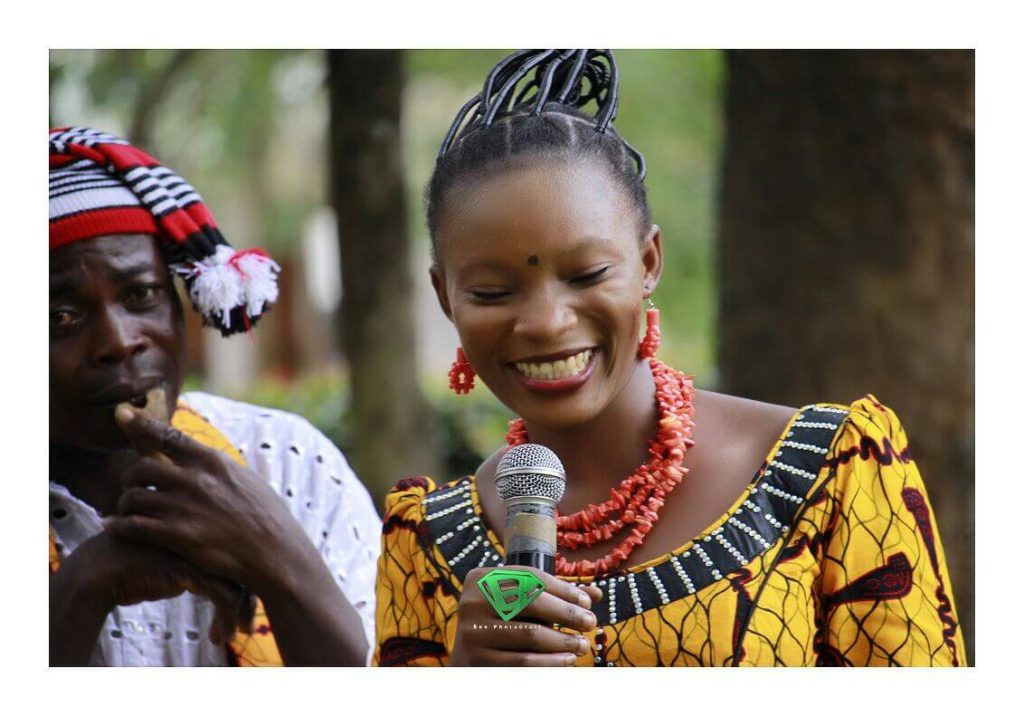
Despite the many challenges threatening its survival, Igbo language is far from defeated. Across Nigeria and the diaspora, individuals, communities, educators, and technology innovators are taking bold steps to breathe new life into the language.
From classrooms and cultural festivals to social media platforms and digital learning tools, these collective efforts are proving that Igbo language can adapt, evolve, and thrive in the modern world.
The Family as the Heartbeat of Igbo Language Preservation
While schools and digital tools play vital roles in reviving the Igbo language, the real foundation of its survival lies in the home. The family remains the first and most powerful institution where language is learned, nurtured, and passed down. When parents speak Igbo at home, sing lullabies in Igbo, or tell folktales in the language, they are not just communicating, they are preserving a heritage.
Unfortunately, many modern families, especially in urban areas, have shifted to using English as the primary language of communication at home. Parents often believe that speaking English will give their children a competitive edge in education and society. However, research has shown that children who grow up bilingual fluent in both their mother tongue and a second language tend to have stronger cognitive skills, better cultural awareness, and a deeper sense of identity.
Revitalizing Igbo language must therefore begin at home. Parents, grandparents, and caregivers should make deliberate efforts to speak Igbo daily, teach proverbs, and use Igbo names and greetings naturally in family conversations.
The emotional bond between parent and child makes the home the most effective classroom for language transmission. If every Igbo household made the language a living part of daily life again, the battle for its preservation would already be half won. The revival of Igbo language begins not in government offices or lecture halls within the walls of the home where words and culture first take root. Parents should mandatorily adopt Igbo language at home and leave learning English language for the school. That way, children gain at both ends.
Teaching the Tongue
Education remains one of the strongest weapons in the fight to preserve the Igbo language. Across Nigeria and beyond, educators and language advocates are working tirelessly to reintroduce Igbo into classrooms and learning spaces in engaging, modern ways.
Several universities, including the University of Nigeria, Nsukka (UNN), Nnamdi Azikiwe University, and Imo State University offer degree programs in Igbo language and culture, training a new generation of linguists, teachers, and cultural ambassadors.
At the basic education level, some schools in southeastern Nigeria have begun to strengthen Igbo instruction through storytelling, drama, and song, methods that make language learning both enjoyable and memorable for children.
Outside formal classrooms, technology is also revolutionizing language education. Platforms such as “Learn Igbo”, “Igbo101”, and “Ndị Igbo App” provide online lessons, vocabulary games, and pronunciation guides for learners worldwide. These digital tools bridge the gap between tradition and technology, ensuring that even members of the Igbo diaspora can connect with their linguistic roots.
Moreover, cultural organizations like the Society for the Promotion of Igbo Language and Culture (SPILC) and Otu Suwakwa Igbo are collaborating with schools to organize debates, spelling bees, and essay competitions in Igbo. Such efforts not only build fluency but also restore pride among young speakers who once saw their mother tongue as irrelevant.
These educational initiatives prove that revitalizing Igbo language is possible when learning becomes participatory, accessible, and infused with cultural meaning.
Bridging the Digital Gap in Igbo Language Revival
In today’s digital age, media and technology have become powerful tools for shaping language use and cultural identity. While technology was once seen as a threat to indigenous languages, encouraging English dominance through global entertainment and online communication, it is now being creatively repurposed as a means of revival for the Igbo language.
Across social media platforms like YouTube, TikTok, and Instagram, young Igbo creators are producing engaging content in Igbo, from comedy skits and storytelling to language tutorials and music. These digital spaces are helping to normalize the use of Igbo among younger audiences who spend much of their time online. Influencers and educators such as Nollywood actors, language tutors, and online podcasters are using technology to show that speaking Igbo can be cool, modern, and relevant.
Technology has also made it easier to learn the language from anywhere in the world. Mobile apps like Ulu, Igbo101, and Speak Igbo offer interactive lessons, pronunciation guides, and vocabulary exercises that appeal to both beginners and fluent speakers. Podcasts, audiobooks, and Igbo-language YouTube channels are helping users reconnect with their roots even in the diaspora.
Moreover, Nollywood movies, radio programs, and TV shows produced in Igbo are contributing to this linguistic revival. Platforms like DSTV’s Africa Magic Igbo and YouTube streaming channels make these programmes widely accessible, offering daily exposure to the language through storytelling, music, and culture.
When harnessed intentionally, media and technology can turn the tide from language erosion to preservation. By filling digital spaces with Igbo expressions, songs, and stories, the language can thrive not just as a cultural relic, but as a living, evolving medium of identity for the modern Igbo generation.
Keeping Igbo Language Alive Through Tradition
Language and culture are inseparable, and nowhere is this connection more visible than in Igbo cultural festivals and community gatherings. These events are more than just celebrations. They are living classrooms where Igbo language comes alive in music, dance, storytelling, and ancestral rituals.
From the vibrant New Yam Festival (Iri Ji) celebrated across Igbo communities to local Age-Grade ceremonies, traditional weddings (Igba Nkwu), and masquerade performances, these cultural expressions reinforce the importance of speaking Igbo in context. During such events, greetings, chants, songs, and folktales are performed in Igbo, providing both adults and children a chance to learn and use the language naturally.
Community-based organizations and cultural associations, both in Nigeria and the diaspora are also playing vital roles. Groups like Ohanaeze Ndigbo, Ndi Igbo Cultural Associations, and several diaspora-led initiatives organize Igbo Day events, debates, and youth contests that promote fluency and pride in speaking Igbo. These community efforts help to strengthen cultural identity while passing the language to the next generation in fun, meaningful ways.
Schools and churches that integrate traditional events into their calendars are also helping sustain interest. When children perform Igbo songs, recite proverbs, or act out folktales on stage, they experience the joy and pride of belonging to a culture rich in expression.
Ultimately, cultural festivals and community engagement give Igbo language a heartbeat, a shared sense of pride that keeps it alive in public consciousness. By celebrating culture in language, and language through culture, the Igbo people will ensure that their mother tongue remains a central part of who they are.
Why Preserving Igbo Language Matters More Than Ever
Igbo language is more than a means of communication. It is the heartbeat of a people, the living archive of their history, wisdom, and worldview. To let it fade away is to risk erasing generations of knowledge, values, and identity. Preserving Igbo language is not just about saving words, it’s about protecting a culture, strengthening communities, and ensuring that future generations resonate with their roots and identity.
Cultural Identity
Language is the lifeblood of culture. Igbo language reflects the people’s unique worldview, traditions, and customs. Every greeting, proverb, and story carries deep cultural meaning. When Igbo is spoken, it connects individuals to their ancestors, their values, and their shared sense of belonging. Preserving the language ensures that these cultural markers continue to define the Igbo identity in an increasingly globalized world.
Intellectual Heritage
Igbo language is a storehouse of wisdom, passed down through proverbs, idioms, songs, and folktales. These expressions do not just communicate linguistic beauty, they encode lessons about life, morality, leadership, and community.
For example, proverbs like “E jiri mara ndi Igbo bụ ilu” (Igbo are known by their proverbs) remind us that language is the key to cultural intelligence. Losing Igbo would mean losing centuries of indigenous knowledge and intellectual depth that no translation can fully capture.
Social Cohesion
A shared language builds unity. Within Igbo communities, speaking the same tongue creates emotional and social bonds that strengthen trust, solidarity, and cooperation. It bridges generations and helps young people feel connected to their elders. When communities maintain their native language, they preserve not just communication, but the spirit of togetherness that defines who they are.
In essence, preserving Igbo language is about more than words; it is about preserving identity, memory, and the collective future of a people.
In Closing…
Taking Pride in Who We Are
The case of Igbo language does not have to end in silence. Its survival lies not in institutions or policy documents alone, but in the everyday rhythm of home conversations, bedtime stories, and family gatherings. For many of us who grew up before the digital revolution, Igbo was not just a language, it was the air we breathed.
We spoke it freely, laughed in it, argued in it, and yet still mastered English and other global languages with ease. We thrived bilingually because Igbo was truly our mother tongue, forming the foundation upon which other languages stood.
Today, the situation is different. Many young Igbo children struggle to speak their own language fluently, not because they lack intelligence, but because they are rarely immersed in it. The home, which was once the cradle of language and culture, has become more English than Igbo. But it doesn’t have to remain that way.
The change can begin at home with parents, grandparents, and guardians who make the deliberate choice to speak Igbo with their children, to tell folktales in Igbo, to sing traditional songs, and to celebrate milestones in their native tongue. Children learn love through what we love. Iif they see us value our language, they will grow to value it too.
Writers and cultural ambassadors like Chimamanda Ngozi Adichie are already lighting the way. Through her public speeches and literary works, she proudly infuses Igbo expressions, demonstrating that the language has a place in modern storytelling and intellectual discourse. Her example reminds us that promoting Igbo is not rejecting progress, rather, it’s carrying our identity into the future with pride.
If first world countries like China, Korea, Germany still speak their native languages, despite globalization, we do not have to lose who we are because the world has become a global village.
The truth is simple: no one else will preserve Igbo language for us. Technology, schools, and policies can only support it, but the heart of the language beats strongest in the home. If every family commits to speaking Igbo daily, singing it, praying in it, and passing it on with love, we will not only keep the language alive, we will make it thrive again.
So, let us begin today. Speak Igbo to your children. Teach them to greet in Igbo, to think in Igbo, to dream in Igbo. Let your home echo with the music of your mother tongue. Because the future of the Igbo language depends on the voices that rise within our homes.
References
- https://scispace.com/pdf/preventing-the-extinction-of-igbo-language-sk849vro6c.pdf
- https://scholarworks.umb.edu/cgi/viewcontent.cgi?params=/context/africana_faculty_pubs/article/1016/&path_info=007_Igbo_as_an_Endangered_Language.pdf
- https://languagehat.com/standardizing-igbo/
- https://fileserver.core.ac.uk/pdf/pdf/234680852.pdf
You might check this out too…