

Igbo people
NNEWI: THE KINGDOM; THE PEOPLE AND THE THRONE

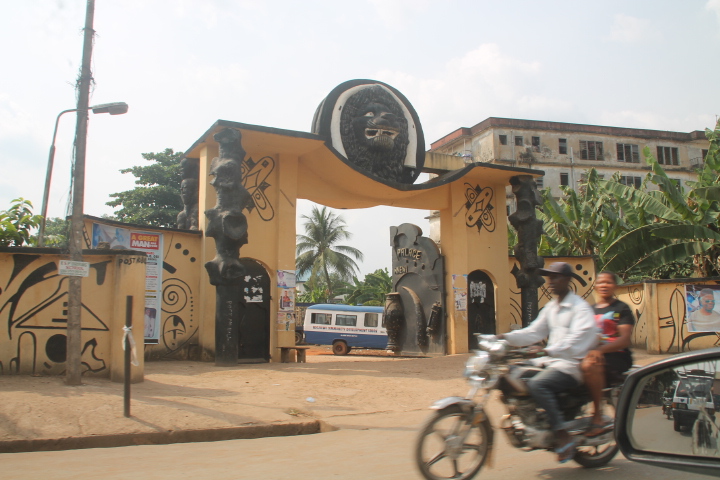
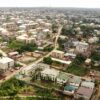
Nnewi! “The Japan of Africa”! Only a few towns in Nigeria capture the blend of ancient royalty, cultural pride and entrepreneurial spirit that this ancient town parades. Called the Japan of Africa for a reason which is its unmatched industrial energy, Nnewi is far more than a hub of spare parts and commerce. It represents a kingdom with deep roots, a people with enduring identity, and a throne that carries centuries of legacy.
From its sacred shrines to the bustling markets that now define its skyline, Nnewi’s story is one of transformation where tradition and modernity walk side by side. How did a once quiet Igbo settlement become one of West Africa’s most dynamic towns? Who are the people behind its relentless drive? And what does its ancient throne still symbolize in today’s world?
This article explores the heart of Nnewi along the line of the kingdom, the people, and the throne.
The Kingdom
Nnewi, also known as Anaedo (translated as Land of Edo), according to oral tradition, came into existence around the 15th century. Its origin is traced to a man named Mmaku who is considered the ancestor of the Nnewi. From Chief Mmaku came lineages which included migrants from surrounding Igbo regions and beyond who settled in the land known today as Nnewi.
Nnewi consists of four quarters, namely, Otolo, Uruagu, Umudim, and Nnewichi, in the order of seniority. Each quarter is made up of villages which are further divided into family units known as umunna. Each of these family units have heads referred to as Obi who handles local disputes, organizes communal labour, and oversees customary rites.
Political and spiritual power is shared across these structures. Otolo, being the eldest son of Nnewi produces the paramount ruler who doubles as both the Igwe Nnewi and Obi of Otolo.
The pre-colonial Nnewi enjoyed internal peace, social order, customary laws, and spiritual belief systems rooted in Igbo cosmology (Odinani), worship of ancestors, land spirits, gods of fertility, etc. The economic life of the kingdom back in the day was a mixture of agriculture, trade with neighbouring towns, crafts, and barter. Land ownership was central. All of these helped to build the identity of this Kingdom called Nnewi.
Around 1904, the British colonial masters arrived the area, and subsequently, Nnewi got its status as a town. The British established their administration and thereafter, introduced new laws, taxation, colonial courts, and interactions that changed some of the old structures.
In 1991, Nnewi was incorporated a city. Available data ranks it as the second largest in Anambra State as well as the largest village community in eastern Nigeria. Its landmass spans over 2,789km2.
Like many African societies, Nnewi parades a number of deities prominent among which are Edo, Ezemewi, Eze, Ele and Ana. Edo is regarded as the “supreme” deity of the land, explaining why it is called “Anaedo”. According to oral history, Edo was said to be a female deity – a ravishing beauty from Nnobi who got married to Ezemewi of Nnewi.
The shrine of Edo sits in the heart of the town, close to the famous Agbo-Edo Nkwo Nnewi market. Even though the town is today, predominantly a Christian enclave, these deities are still very much relevantly revered and worshipped by a sizeable number of the populace – men and women who are adherents of traditional religion, either in belief, principle or practice.
Geographically and demographically, Nnewi has grown fast. It is said to be the only town in Nigeria that has the status of a local government, i.e. Nnewi North LGA.
Economically, Nnewi is one of the major industrial and trading hubs in Nigeria. It is famous for its auto spare parts markets, notably the Agbo Edo Motor Spare Parts Market, manufacturing, small and medium industries, and in recent times, for vehicle assembly e.g. Innoson Vehicle Manufacturing. Despite its urban status, agricultural activities still go on in the town.
Back in the day, the economy of the town was local and self-sufficient, encompassing farming, palm oil, crafts and barter trade. Craftspeople, blacksmiths, potters, hunters, artisans had specific roles. Markets existed, but trade with neighbouring towns was more regional.
Religion was indigenous, with spiritual beliefs in ancestors, land spirits, gods for fertility, rainfall, harvest. Customs regulated morals, marriages, births, deaths. Women had roles in trade, ritual, craft, even though many political and lineal roles were for male. Social status depended on family lineage, titles, wealth in land and farm produce, spiritual purity.
Given its commercial status, the town is home to many people from different parts of Nigeria and beyond – traders, manufacturers, artisans and civil servants who, though are not indigenes but are making a living in the town.
Nnewi is reckoned to be the pioneer of the apprenticeship system (Igba Boi) – a system that has produced countless number of successful businessmen. It is common knowledge that many local businessmen learned craft, trade, mechanical skills through traditional apprenticeship before scaling up.
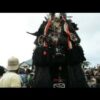
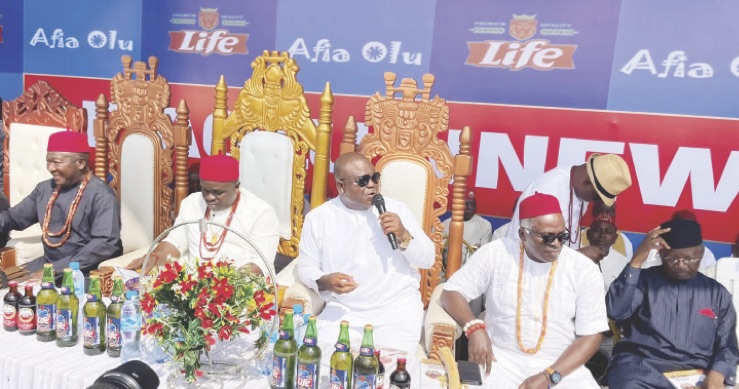
Culturally, Nnewi has a rich heritage. From Afiolu – the town’s four-day New Yam Festival held annually in the last week of August to Ofala festival – a two-day epoch event held annually in the last week of December in honour and celebration of the Igwe and his coronation anniversary to traditional marriage (Igba Nkwu), and a number of pagan celebrations/festivals.
THE PEOPLE

Nnewi people are unique in many ways. For one, they are a people acknowledged to be divinely gifted with wisdom, ingenuity, enterprise, diligence, resilience, the ability to make something almost out of nothing, and a business out of available resources or opportunities.
This is evident in the numerous successful businesses and industries scattered, not just all over the town but in different parts of the world that are proudly owned and run by its sons and daughters.
Nnewi people, over centuries, have developed a strong sense of community, family, lineage, and communal responsibility. Life is organized around umunna (clan/family units), which oversees land rights, marriages, dispute resolutions, inheritance, and festivals.
Typically, an indigene of the town, however “unattractive” a business opportunity may present, will embrace it, never minding public perceptions. To him or her, the money made out of such venture at the end of the day is what justifies and makes it worthwhile. This is how they have been able to invent and pave the way into trading, manufacturing, transportation and the likes.
Bold, ingenuous and enterprising in nature, it is not surprising that this town has produced the likes of Chief Louis Odumegwu Ojukwu, Dim Chukwuemeka Odumegwu Ojukwu, Chief Ilodibe (Ekenedilichukwu), Chief Ubajaka (Izuchukwu), Chief Innocent Chukwuma (Innoson), Chief Chika Okafor (Chicason), Chief Cletus Ibeto, Sir Louis Onwugbenu (Louis Carter), Sir Dennis Ofodeme (OTC), Engr. Ajulu Uzodike (Cutix), Chief Mrs. Stella Okoli and a whole lot of other illustrious people.
Nnewi people are accommodating. History has it that many people who, today identify as indigenes are people whose ancestors migrated from other communities and settled in the town. The evidence of the hospitable and accommodating nature of Nnewi is also seen in the many non-indigenes who own properties in the town as well as those who have been integrated as part and parcel of the town.
Essentially, Nnewi people are strong-willed. A typical native of the town has a will that often proves too strong and difficult to shush, intimidate or shove aside.
THE THRONE

The traditional throne of Nnewi dates back to the 15th century. Contrary to the common saying “Igbo e nwe Eze”, Nnewi was reported to have been an independent kingdom and with a very unique traditional leadership structure as at 1904 when the British people showed up in the town. The structure was so admirable and effective that, instead of appointing warrant chiefs like they did in other communities, the British colonial administrators recognized and endorsed the leadership structure they saw in the town.
Nnewi practices a monarchical system of traditional leadership that could be likened to that of Britain. For instance, both are founded on the traditional patrilineal right of inheritance. However, unlike the British monarchical system were female children stand a chance in the succession, only male children can become Igwe or Obi in Nnewi.
In Nnewi, the throne is not open to any form of contest, election or appointment. It is inherited and the monarch is born, not made. In the event of death of a sitting monarch, his oldest son automatically becomes the next in line.
Where the deceased monarch did not have a male child, his immediate younger brother who must be deemed fit and worthy takes over. This rarely happens, though as it is one of the reasons most African monarchs practice polygamy.
There are certain conditions under which the throne can be abdicated. The crown prince may, voluntarily give it up, or for some reasons, he is adjudged incapable or unworthy to sit on the throne. Whatever the case, the right person for the central throne must come from the Nnofo royal lineage.
Since inception, the central throne of Nnewi has never lacked the right son to sit on it. From Chief Mmaku, the pioneer traditional leader to Ezeugbonyamba, the grandfather of Igwe Orizi III, the throne has had over fifteen kings sit on it at different times. The title has changed from Chief to Obi, and now Igwe, but the throne has remained same and strong.
Presently, His Royal Highness Kenneth Onyemeke Orizu III (MON) is the sitting Igwe Nnewi. About the 20th monarch in the Nnofo royal lineage, Igwe Orizu III ascended the throne in 1963 following the demise of his father, Chief Nnaji, and acknowledged to have sat on it for the longest time.
The Igwe is the paramount ruler of the town. His office carries both political, spiritual, and judicial responsibilities. He mediates in disputes. He presides over traditional ceremonies. He makes decisions about war or defense. And he oversees linkages with other neighbouring kingdoms.
While the Igwe may not have any constitutional executive power under Nigeria’s State government, his position is legally recognized under the chieftaincy laws. He has moral authority, spiritual leadership, and great influence in local culture, land matters, dispute resolution, mediation, community development. His palace remains a centre for many traditional ceremonies, festivals, and communal gatherings.
It is noteworthy that this age-long system of succession to the throne practiced in Nnewi has been subject to intense debate and opposition in some quarters both in and outside the town. However, it is a no-brainer that it has contributed immensely to the relative peace in the town.
Considering what obtains in most other communities where the throne is contested and as a result, often steeped in conflicts, violence and enmity, it’s right to commend the wisdom of the ancestors for keeping it the way it is.
NNEWI OF TODAY
Today, Nnewi is a bustling town where ancient tradition meets modern hustle. Everything, from population and industry to roads, culture and challenges is changing rapidly. Here’s a broad look at what life and structure in Nnewi are like in the present day.
Population & Urban Growth
Nnewi has grown enormously. Estimates for 2025 put the metro/urban population at about 1,361,840 people. This growth rate is fairly high around 4.5-5% yearly. What this means is that many more people are moving in or being born in the city.
The city is a local government of its own i.e. Nnewi North LGA.
Economy and Industry
Nnewi is often called the “Japan of Africa” because of its strong manufacturing and trade sectors. Major industries in Nnewi include automobile & auto-parts manufacturing, electrical goods, cables, plastics, textiles, and small cottage industries. Big names like Innoson Vehicle Manufacturing, Cutix Plc, Ibeto Group, Chicason Group, Uru Industries Ltd exist alongside small and medium businesses.
Many traders started by just distributing or reselling parts but over time, have built factories or workshops to produce locally. This has helped in keeping costs down and retaining profits within the local economy.
Infrastructure
Road condition has been a serious issue in Nnewi. Many internal and connecting roads are in poor shape and difficult to drive, especially during rainy seasons. To address this, the Anambra State government has flagged off several road construction and rehabilitation projects namely:
- The Okpunoeze-Uruagu road.
- Projects to improve roads leading to the Teaching Hospital, market areas, and link roads between quarters .
- Plans to dualise the road from Nnewi to Awka, and build or expand expressways linking Nnewi to other towns.
Like many growing towns in Nigeria, Nnewi faces challenges with reliable electricity, water supply, and drainage. Factories often have to run on generators while some private industries invest in their own systems (water, power) in order to keep running.
Erosion is a growing threat. In parts of Umudim, Oba-Nnewi-Okigwe expressway, soil erosion threatens buildings, factories and infrastructure. Drainage systems are under stress because of heavy rains and insufficient planning.
Commerce, Markets & Trade
Markets remain central. Nkwo Nnewi Market is a major hub for wholesale and spare parts trade comprising motor parts, motorcycle parts, electrical components. The market draws traders from all over Nigeria and beyond.
The culture of trade is strong. Many people in Nnewi grow up in families where trade is the norm. Kids learn from parents, uncles, or mentors. It is common for someone to start as a trader / dealer, then move into manufacturing or bigger scale operations.
Culture, Education, Health & Social Life
Traditional ceremonies, festivals (like Afiolu, Ofala), respect for elders, communal rites are still widely practiced. Even among people who are Christian or more modern in outlook, these customs remain important.
There are many primary and secondary schools in Nnewi, and people generally place high value on education. The presence of Nnamdi Azikiwe University Teaching Hospital (NAUTH) contributes to education, especially in the medical field, among other fields.
Health facilities are improving but still under strain. Although the Teaching Hospital is a major institution, however, access and quality of service vary. Poor roads, power outages, sanitation issues, sometimes, affect health outcomes.
CHALLENGES
Like every fast-growing town, Nnewi faces its share of challenges. Behind the thriving industries and busy markets lie real issues that affect daily life, from poor roads and unstable electricity to environmental problems and rising living costs.
These obstacles test the resilience of the people but also highlight their determination to keep moving forward.
Despite its growth, infrastructure remains inadequate namely, bad roads, intermittent power, water supply issues, drainage problems, erosion. These slow down trade, damage property, and raise cost of doing business.
Traffic and congestion are increasing. As more vehicles, trucks, motorcycles ply roads, movement within quarters and between quarters becomes slower.
Environmental issues like erosion, flooding during heavy rains, poor waste management are real concerns. Some factories are threatened by soil erosion.
As Nnewi continues to grow, cost of housing, land, utilities tends to rise. Some people farther from centre struggle with commuting or accessing services.
Traditional structures (quarters, family units, Igwe, Obis) still work, but often coexist uneasily with formal government planning (LGAs, state government). Coordination is, sometimes poor. Also, funding and accountability are ongoing issues.
THE WAY FORWARD
For Nnewi to reach its full potential as a modern African industrial city, there must be a clear plan that builds on its strengths while tackling its weaknesses. The town’s story is already one of determination and self-help, and with the right vision, collaboration, and leadership, Nnewi can grow into a model city for innovation, culture, and development.
- Strengthening Infrastructure
The first and most urgent need is infrastructure renewal. Good roads, stable electricity, proper drainage, and efficient transportation will boost both trade and industry. The government should continue to rehabilitate internal roads connecting Otolo, Uruagu, Umudim, and Nnewichi.
Public–private partnerships (PPPs) can be introduced for building and maintaining key roads and markets., just like what obtains in Abriba, Abia State.
Expanding the power grid, investing in solar micro-grids, and improving waste disposal will enhance both living standards and productivity.
With better infrastructure, manufacturers and traders can work efficiently, transport goods easily, and attract investors who are often discouraged by poor facilities.
- Supporting Local Industries
Nnewi’s strength has always been its entrepreneurial spirit. The town’s success in auto-parts manufacturing and small-scale industries should now be scaled up.
The government can offer tax incentives and low-interest loans to encourage young entrepreneurs and factory owners. Creating a dedicated industrial park or cluster for Nnewi would help group manufacturers in one location, allowing them to share resources, improve quality control, and attract foreign buyers.
Promoting Made-in-Nnewi branding through trade fairs and online platforms would increase local and international visibility. By supporting local innovation, Nnewi can become not just the “Japan of Africa,” but a genuine African hub for mechanical engineering and technology.
- Urban Planning and Environmental Management
As Nnewi expands, it needs a well-designed urban plan to prevent overcrowding, environmental degradation, thus giving it the status befitting of a city. The town should adopt a master plan that includes new residential layouts, industrial zones, and green spaces.
Erosion control projects must be prioritized, especially, in areas like Umudim where gully erosion threatens homes and factories. Also, encouraging tree planting and sustainable waste management will help keep the environment healthy and attractive for investors.
A clean, well-planned Nnewi will not only improve quality of life but also strengthen its image as a modern industrial kingdom.
- Education, Skills and Innovation
To sustain its industrial reputation, Nnewi needs a strong knowledge base. Schools and technical institutions should partner with industries to provide practical training and apprenticeships for young people.
More vocational centres should be established to teach modern skills in engineering, technology, and business management. Having research and innovation hubs within the town, especially near the NAUTH, can stimulate creative problem-solving.
By aligning education with industry, Nnewi will continue producing the skilled, enterprising youth that drive its economy.
- Leveraging Technology and Digital Transformation
The future of commerce is digital, and Nnewi must adapt quickly. Traders and manufacturers can benefit from e-commerce platforms to sell parts and products nationwide and abroad.
Introducing digital payment systems and record-keeping tools will improve efficiency and transparency in business. The services of local government offices can also be digitized to make things like permits, taxes, and information easier to access.
When digital innovation meets Nnewi’s traditional business energy, the results could redefine how African towns do business.
- Promoting Good Governance and Community Participation
Real progress depends on inclusive governance. The relationship between the traditional council, local government, and community associations should be strengthened. Town meetings, youth groups, and women’s associations should have a voice in development planning.
Transparency in project funding, fair distribution of opportunities, and regular community feedback will build trust and accountability.
Strong, people-focused governance will help Nnewi grow in unity, thus balancing tradition, modernity, and good leadership.
- Preserving Culture and Identity
Even as Nnewi becomes more urban and industrial, its unique cultural identity must be preserved. Annual festivals like the Ofala Igwe and Afiolu should be well-organized and promoted as cultural tourism attractions.
Documenting and teaching local history, proverbs, and traditional crafts will keep younger generations connected to their roots, no matter where they are in the world. The palace and traditional institutions should continue to play a unifying role in guiding morals, peace, and community values.
Cultural pride remains one of Nnewi’s strongest forces. It binds the people and reminds them of who they are, no matter how far they go.
- Building Partnerships Beyond Borders
Finally, Nnewi’s people in the diaspora – traders, engineers, academics, and investors can play a major role in development. Establishing a Development Fund supported by the diaspora can finance roads, scholarships, and community projects.
Partnerships with international organizations can bring in expertise, investment, and exposure for local industries, and encouraging networking between local entrepreneurs and global business leaders will open new markets for Nnewi-made products.
By thinking globally while acting locally, Nnewi can maintain its growth and relevance for decades to come.
The way forward for this promising town lies in unity, innovation, and responsible leadership. The town already has what many others lack: industrious people, a strong sense of community, and a deep cultural heritage.
With deliberate planning, better infrastructure, and renewed collaboration Nnewi can become a shining example of how an African town transforms itself, not by chance, but by choice.
IN CONCLUSION…
The story of Nnewi is not just the story of an age-long town, it is the story of a people who built greatness from the ground up. From its deep-rooted kingdom and sacred traditions to the bustling markets and humming factories of today, Nnewi represents what can happen when vision meets hard work, and culture meets innovation.
Generations of Nnewi sons and daughters have turned challenges into opportunities, preserving the dignity of their throne while shaping the modern identity of one of Africa’s most industrious towns. The spirit of enterprise that flows through the streets of Otolo, Uruagu, Umudim, and Nnewichi continues to inspire a new generation – one that dreams beyond borders but never forgets home.
As the throne of Nnewi endures, so does the people’s promise to keep their kingdom strong, their traditions alive, and their town ever growing. The future of Nnewi is bright, not only because of what it has achieved, but because of what it continues to believe – that greatness is built by hands that never stop working and hearts that never stop believing.
REFERENCES
- https://en.wikipedia.org/wiki/Nnewi_Kingdom
- https://biography.igbopeople.org/biography/igwe-dr-kenneth-onyeneke-orizu-iii
- https://nnewi.info/living-in-nnewi
- https://rsisinternational.org/journals/ijrsi/articles/apprenticeship-practices-and-poverty-reduction-in-nnewi-anambra-state-nigeria
- https://worldpopulationreview.com/cities/nigeria/nnewi
You might want to check this out…