

History and heritage
Obosi Town, Anambra State: History, Culture, Festivals

Obosi is a town in Anambra State, Nigeria with deep history, vibrant culture and colourful festivals that reflect the spirit of its people. Explore the history, culture, festivals and other important facts about this ancient town.

Obosi is a historic town in Idemili North Local Government Area of Anambra State, Nigeria, known for its rich history, vibrant culture, and lively festivals. As one of the prominent Igbo towns, Obosi has preserved centuries-old traditions, even while embracing modern growth which makes it a unique blend of heritage and progress.
The town is widely celebrated for its colourful cultural festivals such as the Ito Ogbo Festival and Obiora (New Yam Festival) which honour elders, mark the harvest season, and bring the community together in joyous celebration.
This article takes you on a journey through Obosi’s origins, cultural practices, and the significance of its festivals, with highlights on why it remains a symbol of Igbo identity and communal pride.
By exploring its history, traditions, and annual celebrations, readers will gain a deeper understanding of the town and why it continues to thrive as a community where culture, community, and heritage embrace.
History and Origins of Obosi
According to strong oral tradition, Obosi was first settled by a hunter‑farmer named Adike, sometimes called Adike‑Okpala who migrated from what is now Ojoto. Adike is said to have left Ojoto in search of a forested area rich in wild game. That search drew him to the thick forest that eventually became Obosi.
The name “Obosi” itself has a meaningful origin. As the story goes, when Adike tried to build his first home there, the soil was unstable and the mud house he built kept collapsing. The land was called Mbosisi. Later, after spiritual rituals and interventions, the name was changed to Obosi which symbolized that the challenge was overcome and the settlement succeeded.
From this single founder, lineage divisions grew over generations. Adike had two sons, namely, Oba (first son) and Okodu (second son). The descendants of these sons expanded over several generations into multiple lineages. By the time of what local legends call the great grandchildren of Adike, the original settler families had evolved into distinct lineages.
Due to a war triggered by a conflict over harvest yields, some lineages were said to have been exiled or lost their claim to land. The surviving lineages formed the core of what later became Obosi proper. According to these accounts, modern Obosi comprises five main villages or quarters which are Umuota, Ire, Ugamuma, Mmakwum, and Uruowulu.
Beyond the lineage stories, the town developed over centuries into a hub of trade and commerce, likely from as early as the 16th century, thanks to its strategic location near routes linking several towns.
Geographically, Obosi is situated in a hilly area, bordered by towns such as Onitsha, Nkpor, and Oba which places it close to important commercial and riverine routes that enhanced its role in regional trade.
Over time, the community structure rooted in kinship, clan identity, and shared history formed the basis for traditional governance, communal land ownership, and cultural life, thus setting the foundation for Obosi as it is today.
Leadership Structure in Obosi

Obosi has a well-established leadership structure that blends traditional authority with modern governance systems. This structure has guided the community for generations and continues to play a central role in maintaining order, preserving cultural values, and promoting development.
At the top of its traditional system is the Igwe, the traditional ruler of the town. The Igwe is the symbolic and spiritual leader of the community who represents Obosi in cultural, social, and sometimes political matters. The position is hereditary, passed down according to the customs, and is highly respected among indigenes.
Supporting the Igwe is the Igwe-in-Council which consists of senior chiefs, titled men, and representatives of various kindreds. The council advises the Igwe on matters ranging from conflict resolution to land allocation, communal development, and cultural observances. Together, the Igwe and his council ensure that tradition and community governance remain intertwined.
Obosi is divided into multiple villages and kindreds, each led by village heads or chiefs. These leaders are responsible for the day-to-day management of their communities. They oversee local matters such as dispute resolution, family issues, and coordination of community projects. They serve as the link between the Igwe-in-Council and the grassroots population and ensure that decisions made at the town level are effectively implemented.
Age-grade associations are another key feature of Obosi’s governance. These groups are organized by generational cohorts and play active roles in social, cultural, and development activities. Age grades are often involved in organizing festivals, maintaining public spaces, and assisting in communal works. They also provide a system of accountability and ensure that community members contribute to collective responsibilities and uphold social norms.
In addition to traditional structures, Obosi is part of the Idemili North Local Government Area which introduces modern administrative systems, including elected representatives and government offices. Traditional leaders collaborate with local government officials on infrastructure projects, social programmes, and community development initiatives which help to ensure that both heritage and modern governance contribute to the town’s growth.
The leadership framework of the town ensures harmony between tradition and modernity. The Igwe, council, village heads, and age grades work together to maintain social order, promote cultural continuity, and guide the community through changing times. This integrated system allows Obosi to preserve its heritage while participating effectively in broader governance structures in Anambra State and Nigeria.
Culture and Traditions
Obosi people maintain a rich and living cultural heritage rooted in tradition, community values, crafts, and vibrant festivals. Their customs reflect deep respect for the ancestors, the land, elders, and communal identity, even as it adapts to modern changes.
The community remains grounded in clan‑ and kinship‑based organization. Families in Obosi trace identity through lineage, and households across kindreds make up the backbone of social and political life.
Traditionally many people in the town engaged in subsistence farming. Residents rear domestic animals like goats and sheep, keep poultry, and farm food crops as a reflection of the agrarian roots of the community.
Despite growing urbanization and trading influence, especially given its proximity to commercial hubs, these rural and agrarian practices continue to define daily life and cultural identity of the people.
Obosi is known for traditional crafts such as pottery, weaving, and wood‑carving. These art forms have been passed down through generations to preserve both skills and cultural meanings. Music and dance play important roles in the cultural life of the town. Traditional music, drumming, dances and masquerade performances are integral in ceremonies and festivals as they convey stories, history and communal values.
Respect for elders and age is central to Obosi culture. Elders are honoured and regarded as custodians of community memory and moral values. Communal solidarity also remains strong. Kinship, shared heritage, mutual cooperation, and collective celebrations reinforce identity and belonging.
Even as Obosi experiences urbanization and the influx of non-indigenes, many citizens still uphold traditional norms, customs, and social institutions linked to clan identity and communal governance.
Festivals and Celebrations

The cultural life of Obosi town shines brightest during its festivals and community celebrations. These events are living expressions of identity, heritage, respect, and community spirit. Two festivals stand out as the most important and vibrant in the town – Ito Ogbo Festival and Obiora (Iwaji) Festival.
Ito Ogbo Festival
Ito Ogbo Festival is perhaps the most distinctive festival in Obosi. It is a celebration held every three years to honour people in the community who have reached the age of 80 or more. For each such festival cycle, all eligible octogenarians are celebrated together as a group, rather than having individual birthday celebrations.
On the day of the celebration, the elders who are in that category are publicly recognized and given symbolic honours by the traditional ruler of Obosi. Men may receive a red cap and the title Ogbueshi while women receive equivalent honours. The festival is usually marked with music, dancing, traditional drumming, prayers, processions, feasting, and public celebration of life and longevity. Families, neighbours, and well‑wishers gather to honour the elders.
Ito Ogbo serves deeper cultural and social purposes beyond honouring age. It reinforces respect for elders, values longevity, strengthens community bonds, and passes cultural memory and respect across generations. The festival has drawn wider attention in recent years. For example, government officials have proposed upgrading Ito Ogbo to a national festival and possibly seeking recognition as cultural heritage.
Obiora (Iwaji / New Yam) Festival
Obiora Festival, also known locally as the Iwaji or New Yam Festival is an annual cultural celebration in Obosi that marks the harvest season. This festival is deeply symbolic as it stands for gratitude to God and the ancestors for a successful farming season, thanksgiving for yield, and acceptance of the new agricultural cycle.
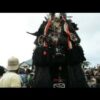
During Obiora, the community comes alive. Traditional music, dances, masquerades, cultural displays, public processions, and feasting fill the town. It becomes a vibrant showcase of cultural identity and heritage. Masquerades play a central role during the festival. They are seen as spiritual embodiments that bridge the living with ancestral spirits, and their performances, drumming, and dances are considered sacred, entertaining, and meaningful.
The festival also welcomes indigenes living far away in other parts of Nigeria or abroad. Many return home for Obiora to reunite with families and reconnect with cultural roots. In recent years, Obiora has grown beyond just cultural celebration. It now blends tradition with community development and civic engagement. For example, the 2025 Obiora festival kicked off with a youth carnival and included a scholarship scheme for local pupils and students.
Moreover, before the New Yam offering, there is often a period of reconciliation and peace-building. Families and kindreds settle disputes, restore harmony, and recommit to unity. This aligns with the cultural emphasis on communal harmony, mutual respect, and solidarity.
Essentially, Obiora is much more than thanksgiving for harvest. It is a communal ritual of renewal of land, relationships, identity, unity, and hope for prosperity, both materially and socially.
Other Cultural Observances
Obosi’s cultural life is not limited to just these two festivals. Over time, the community’s traditions have continued alongside changes. Traditional dances, music, masquerades, respect for elders, craftsmanship and communal values remain part of everyday life.
These practices help to preserve the identity of the town and link past generations to present ones. Even as some parts of life change through education, modern religion, urbanization, culture remains a binding thread.
Significance of Festivals and Culture in Obosi
The festivals and cultural practices of Obosi hold deep social, spiritual, and communal importance. They function as living systems that preserve identity, connect generations, promote unity, and reinforce the values that hold Obosi together as a community.
Festivals such as the Ito Ogbo and the Obiora Festival help to preserve its cultural identity. Through traditional music, masquerades, rites of honour, and communal participation, these events reinforce the stories, beliefs, and customs passed down through generations. This ensures that younger members of the town understand and appreciate the heritage that define their community.
Respect for age is central in the community. Ito Ogbo, which publicly honours people who reach eighty reinforces this core value. Celebrating elders while they are alive highlights the community’s respect for wisdom, longevity, and moral leadership. This way, festivals serve as platforms that uphold social virtues and transmit them across generations.
Obosi festivals naturally bring people together. Families reunite, indigenes return from other States and abroad, and villages within Obosi connect through shared celebrations. Events such as the Obiora also encourage peace and reconciliation. In many cases, disagreements are set aside and relationships restored so that the community enters the new agricultural cycle with unity and goodwill.
Cultural celebrations function as collective efforts involving elders, youth, community leaders, cultural groups, and families. The preparation and execution of festivals strengthen cooperation among different groups and keeps the communal spirit alive. This cooperation reinforces the traditional social structure where community welfare and mutual support remain important.
Obosi cultural practices are closely tied to spirituality. Festivals that honour elders or mark harvest seasons express gratitude to God and acknowledge ancestral guidance. Masquerades, often present during major festivals symbolize spiritual presence and continuity between the living and past generations. These practices ground the community in spiritual awareness and a sense of shared destiny.
In recent times, festivals in the town have evolved to include more contemporary elements that support social development. For example, recent Obiora celebrations have incorporated scholarship awards and youth programmes. This shows how traditional culture can adapt to modern needs, using festivals as platforms for empowerment, education, and community growth.
Obosi, like many towns close to urban centres continues to change. However, its festivals serve as anchors that preserve continuity. Even as the town urbanizes and becomes more diverse, the festivals act as reminders of identity and shared heritage. They help to maintain cultural stability while allowing the community to grow and embrace modernism.
Landmarks and Places of Interest in Obosi
Obosi has a number of places that reflect its cultural identity, commercial strength and unique geography. While the town is best known for its traditions and festivals, several physical locations also stand out because of their historical or social importance. Today, the town is home to several historic landmarks such as Ojukwu Bunker, Oba’s Palace, and Obosi Community Museum.
One of the most notable places in Obosi is Mgbuka Obosi Market, a major trading centre that draws thousands of buyers and sellers from within and outside Anambra State. The market is widely described as one of the well-known open markets in Nigeria, especially for second-hand goods and general merchandise. Its strategic location near Onitsha and Nkpor has helped it grow into a major commercial hub for people across the region.
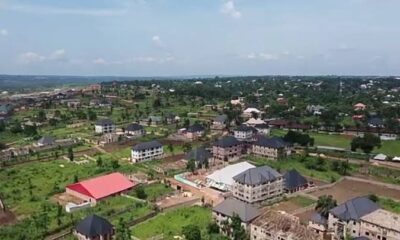
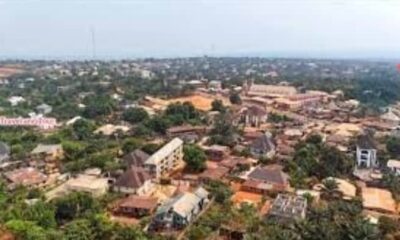
The town also features several fast-growing residential and urban layouts. Areas such as Enekwasumpu, Ozalla, Umuota, and other neighbourhoods highlight its expansion over the years. These communities make up the modern physical landscape of the town and reflect the population growth that continues to influence its development.
Overall, these landmarks and places of interest offer a window into the town’s evolving identity. They show a community that balances history, commerce and modern life, while it continues to hold on to the cultural values that make it unique.
Notable People from Obosi
Obosi has produced several individuals who have contributed to national and international development through leadership, scholarship, public service, and the arts. Their achievements reflect the strength, ambition, and cultural pride of the community.
Emeka Anyaoku
Emeka Anyaoku is one of the most distinguished figures from Obosi. He served as the third Secretary-General of the Commonwealth of Nations, the first African to hold the office. His diplomatic career spanned decades, and he remains a respected global statesman. Beyond his international roles, he is also an important community figure in the town where he holds the traditional title of Adazie Obosi. His life and work continue to bring honour to the town.
Amaechi Muonagor
Amaechi Muonagor was a well-known Nigerian actor and filmmaker born in Obosi. He appeared in numerous Nollywood films and was recognized for his versatility and memorable performances. His long career in the Nigerian film industry made him one of the actors who helped to shape Nollywood’s growth and popularity. He is remembered for his talent, humour, and significant contribution to entertainment.
Amaechi Robinson Mgbakogu
Amaechi Robinson Mgbakogu is a medical laboratory scientist, researcher, and academic from Obosi. He has served as the provost of the Anambra State College of Health Technology, Obosi since 2013. His work in health education and medical laboratory sciences has influenced the training of health practitioners in Anambra State. His academic achievements and leadership role make him one of the notable intellectual figures from the town.
Emmanuel Nwobosi
Emmanuel Nwobosi was a Nigerian army officer from Obosi. He was involved in national events in the early 1960s and later served as a colonel in the Biafran Army during the Nigerian Civil War. His life represents an important part of Nigeria’s political and military history, and he is remembered within Obosi for his courage, experiences, and contribution during a turbulent period in the country’s past.
Obosi Today
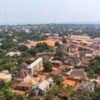
Obosi today is a town where long-standing cultural traditions coexist with rapid social and economic development. Located in Idemili North Local Government Area of Anambra State, the town benefits from its proximity to major urban and commercial areas, especially Onitsha. This strategic location has influenced its growth, expanded its population, and created opportunities that link the community to both traditional and modern lifestyles.
While the town is increasingly urbanized, it still maintains the structures and cultural expressions that have shaped it for generations. Traditional institutions such as the Igwe-in-Council, village meetings, age-grade systems, and cultural groups continue to guide community affairs and preserve social values. These systems remain active and visible during major cultural events, especially the Ito Ogbo Festival and the annual Obiora celebrations.
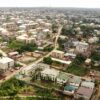
Modernity, however, is equally present. Obosi has seen steady residential expansion, the rise of new housing developments, improved access to schools, and growing commercial activity influenced by its closeness to Onitsha and Nkpor. Its connection to major transport routes around the Onitsha-Owerri corridor has also contributed to increased mobility, trade, and business opportunities.
Education, youth development, and civic engagement have become more visible in recent years. Obiora festivals, for instance, now include scholarship awards and youth-focused programmes that blend cultural celebration with modern social support. These changes show how cultural institutions in Obosi are adapting to current needs while still retaining their symbolic importance.
Obosi also reflects the challenges and realities of towns undergoing urban growth. Like many parts of southeastern Nigeria, the community faces issues related to erosion, land use, and rapid population increase. At the same time, local leaders and community organizations continue to focus on development, cultural preservation, and communal unity as ways to navigate change.
In essence, Obosi is a town negotiating two worlds. Its heritage remains strong, sustained by cultural festivals, traditional governance, and communal values that have endured for centuries. Yet, it also embraces the dynamism of modern life, shaped by education, commerce, technology, and urban influence. The result is a community that honours its past while actively shaping its future.
Challenges and Outlook
Obosi faces a mix of environmental, social, and economic challenges as the town grows. At the same time, there are clear signs of local efforts and opportunities that point to a hopeful outlook.
Gully erosion is a major and well documented problem in Obosi. Multiple large gullies affect several quarters of the town and damage roads, farmland, homes, and public infrastructure. Government and development reports identify the town among the erosion-vulnerable communities in Idemili North that require careful engineering and remediation.
The proximity of Obosi to commercial hubs such as Onitsha and Nkpor has driven population growth and new development. This increased pressure highlights gaps in roads, drainage, waste management, and basic public services. Infrastructure plans and environmental management studies for the area emphasize the need to match development with sustainable public works.
Like many communities near larger urban centres, Obosi faces social pressures related to changing livelihoods, youth employment, and migration. While trade and small business offer opportunities, there is also the risk that younger residents may move away for work or lose touch with traditional cultural roles. Studies of the region note socio-economic impacts where erosion and land loss reduce farming income and community resilience.
Remediating gullies and stabilizing vulnerable sites require long-term investment, good project oversight, and community cooperation. Reports and news coverage show that projects have started at erosion sites but timely completion, contractor performance, and sustained maintenance remain critical challenges for lasting results.
On the positive side, Obosi has been included in environmental and social management plans and erosion control initiatives. Government and development partners have documented plans and activities for gully stabilization and watershed management which, if properly implemented, can reduce risk and protect livelihoods.
Cultural events such as Obiora and Ito Ogbo have evolved into platforms for community development. These developments show that cultural institutions are being used to support modern social needs.
Ito Ogbo festival has attracted national attention and discussions about upgrading its profile, including proposals for national recognition and possible listing among intangible cultural heritage programmes. Such recognition can raise the profile of the town, encourage cultural tourism, and unlock support for preservation and local development.
Local leaders, traditional institutions, and diaspora networks regularly mobilize resources for civic projects, festival funding, and social programmes. This community capacity is important because successful long-term outcomes for erosion control, infrastructure, and youth development depend on local engagement as much as on external funding.
In Conclusion …
Obosi is a town with a long history, a strong culture, and traditions that continue to define its identity today. From its deep-rooted origins as one of the important communities in Idemili North to the vibrant festivals like Obiora and Ito Ogbo that bring families together across generations, it has remained a place where heritage is valued and preserved.
Even as the town faces modern challenges such as erosion, infrastructure pressure, and rapid population growth, the community continues to show remarkable resilience.
The efforts of local leaders, cultural institutions, and development partners reflect a town determined to protect its land, strengthen its economy, and maintain the customs that make it unique. The blend of tradition and modernity seen in everyday life, community events, and development projects shows that Obosi is not a town standing still. It is a community moving forward while staying connected to its roots.
As the people of Obosi work to secure a better future, the town remains a significant cultural reference point in Anambra State. Its history, festivals, and identity continue to inspire pride among indigenes and admiration among visitors. the story of Obosi is still being written, adorned by the strength of its people and the rich heritage they carry.
References
- https://en.wikipedia.org/wiki/Obosi
- https://www.emmason247.com.ng/blog/history-origin-culture-and-traditions-of-obosi-town-in-anambra-state/GRCDDVGbG
- https://idennia.blogspot.com/2018/11/all-about-obosi-history.html
- https://ozikoro.com/obosi-a-cultural-and-commercial-powerhouse-in-southeastern-nigeria/
- https://en.wikipedia.org/wiki/Ito_Ogbo_festival
- https://nnewicity.com/ito-ogbo-an-age-long-heritage-of-obosi-people/
- https://nnewicity.com/obiora-obosi-2025-celebrating-a-grand-heritage/
- https://www.anambradaily.com/2025/10/19/igwe-chidubem-iweka-marks-14th-obiora-iwaji-festival-on-eze-iweka-iii-throne/
- https://www.vanguardngr.com/2015/10/obosi-community-stands-still-as-igwe-iweka-celebrates-obiora-annual-cultural-fiesta/
- https://ead.gov.ng/wp-content/uploads/2017/11/Anambra-Ire-Obosi-Final-ESMP-Report.pdf