

Africans
The Beautiful Culture of the Toposa Women of South Sudan

A closer look at the traditional life, dress, and values of one of Africa’s most fascinating tribes, the Toposa of South Sudan.

Toposa Tribe
Introduction
In the far east of South Sudan, there lives a proud and traditional people called the Toposa. They are one of the largest tribes in the country, known for their deep cultural roots, strong pastoral lifestyle, and unique beauty traditions especially among the women.
From colorful beads and body scarification to powerful dance rituals and cattle-centered customs, the Toposa tribe is full of beauty, identity, and meaning. Let’s take a closer look at the life of Toposa women, their beauty, strength, and the traditions that still shine brightly in their part of South Sudan.
Who Are the Toposa?
The Toposa are part of the larger Nilotic ethnic group, which includes other tribes like the Turkana of Kenya and the Karamojong of Uganda. The Toposa mainly live in Kapoeta and other parts of Eastern Equatoria State in South Sudan.
For many generations, they have been semi-nomadic cattle herders, depending on cows, goats, and sheep for food, wealth, and tradition. Their land is dry and vast, but their spirit is strong and proud.

The Role of Women in Toposa Society
In Toposa culture, women are highly respected, especially mothers and elderly women. They play important roles in:
- Farming and herding animals
- Fetching water and firewood
- Raising children
- Creating traditional crafts like beadwork and pottery
Toposa women are the backbone of the home and the heart of the culture. Their lifestyle is not easy, but it is full of purpose, pride, and beauty.
The Traditional Dress of Toposa Women
One of the most striking features of Toposa women is the way they dress and decorate themselves.
1. Beads, Beads, and More Beads
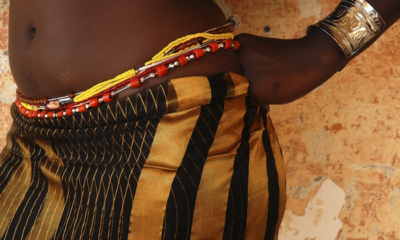
Toposa women are known for wearing heavy bead necklaces, sometimes stacked so high they almost reach their chin. These beads come in many colors and sizes, and are worn:
- Around the neck
- On the waist
- Around the arms and legs
Beads are not just for beauty, they are symbols of identity, maturity, and marital status.
“A Toposa woman’s beads speak for her, they tell her story, her age, and even her family’s wealth.”
2. Goatskin Wraps
Toposa Women wear skirts made from animal hides, usually goatskin. These wraps are cleaned, decorated, and softened using local materials. The clothing may seem simple, but it’s a powerful part of their identity.
In modern times, some women add colorful cloth wrappers or small fabric tops, especially during public ceremonies or travel.

3. Hair and Head Decoration
Hair is styled in braids or shaved into patterns, sometimes coated with clay or ash. Some women wear headbands made of beads or leather strips to match their outfits.
Art on the Skin
One of the most distinctive and sacred traditions among Toposa women is body scarification.
This is the process of creating raised scars on the skin, often on the:
- Chest
- Stomach
- Back
- Arms
The scars are made with small blades and clay, usually during important life stages such as:
- Coming of age
- Marriage
- Motherhood
To outsiders, scarification may seem painful, but to the Toposa, it is a mark of beauty, courage, and identity.
“To bear the scars is to carry the culture.”
Marriage and the Role of the Bride
In Toposa tradition, marriage is an important social and family event. It often includes:
- Bride price: Paid in cows by the groom’s family
- Traditional songs and dances performed by women
- A public celebration where the bride wears her best beads and scarifications
Toposa women usually marry young, and are taught from girlhood how to manage a household, care for children, and support their husbands.
Despite being in a patriarchal society, women have a strong voice in family and social matters, especially older women.
Ceremonies, Dances, and Songs
Toposa women are central to cultural celebrations. These include:
- Initiation rites: When girls enter womanhood
- Wedding dances: Performed with drumming and singing
- Harvest celebrations: Thanking the spirits for food and cattle
During these events, women wear their full bead regalia, paint their bodies with ash or ochre, and sing traditional songs passed down for generations.
The dancing is energetic with stamping, clapping, and rhythmic movement. It is not only beautiful to watch but also deeply spiritual.
Challenges Facing the Toposa Culture Today
Like many traditional societies in Africa, the Toposa face modern challenges:
- Climate change has made farming and herding harder
- Civil conflict in South Sudan has led to displacement and hardship
- Western education and media are changing the mindset of young people
- Some traditions like scarification are slowly fading due to health concerns and changing tastes
However, many Toposa women especially elders continue to preserve and teach the old ways.
Organizations and cultural programs are also working to help protect Toposa heritage while offering education and health support.
Why the Toposa Culture Is So Beautiful
The beauty of Toposa culture lies not just in the beads or the dances, but in:
- The strength and pride of the women
- Their connection to nature and cattle
- The way they pass on tradition through body, music, and memory
Despite modern pressures, the Toposa still hold on to their roots, and that in itself is a beautiful thing.
Did You Know?
- Toposa women sometimes wear up to 20 pounds of beads at once.
- The tribe has no written history, stories are passed down by word of mouth.
- The Toposa live in round mud huts with thatched roofs, usually built by the women.
- Cattle raiding is still practiced between neighboring tribes like the Turkana and Karamojong.
Conclusion
The women of the Toposa tribe are living testaments of cultural pride and beauty. From their beads and scarification to their songs and ceremonies, they carry the spirit of their people on their shoulders and skin.
In a world that is changing fast, cultures like the Toposa remind us of the power of tradition, identity, and resilience. They show that beauty is not always in fashion magazines — sometimes it is found in the dusty fields of South Sudan, in a dance circle, or in the quiet strength of a mother carrying water on her head and a baby on her back.
Related Article
African Tribes That Use Stilts || Culture and Traditions
African Beads: Celebrating Heritage, Strength, and Style