







Igbo Culture and Tradition
Igbo Customary Law and Illegitimacy: Remarkable Reason Children Born Outside Marriage Are Linked to Maternal Lineage in Igbo Tradition

“Igbo customary law and illegitimacy” explain how children born outside marriage are traditionally linked to maternal lineage in Igbo society. Learn about inheritance, paternity recognition, and how this customary law has evolved under modern Nigerian legal systems.
In many Igbo communities, questions about a child’s identity have never been just personal. They are tied to lineage, responsibility, and belonging in ways that influence how families are understood. Here, Igbo customary law and illegitimacy becomes more than a legal phrase. It becomes a lived reality that influences how children born outside marriage are received, placed, and raised within the family structure.
Traditionally, when a child is born outside marriage, the first line of acceptance is often not the father’s household but the mother’s lineage. The maternal family steps in, not as a backup option, but as the immediate structure that gives the child identity, protection, and social grounding. Over time, this has raised an important question – why does Igbo tradition often link such children to the mother’s family, even when the biological father is known?
The answer sits at the intersection of custom, kinship, and social order. In Igbo customary law and illegitimacy, legitimacy has never been only about biology. It is about recognition, cultural acceptance, and the formal ties created through marriage and family agreements. Without these, the maternal lineage becomes the default anchor.
But this is not a simple or unchanging rule. Across Igbo society, the practice carries layers of meaning, exceptions, and modern reinterpretations shaped by religion, colonial influence, and Nigerian constitutional law. What was once a clear customary arrangement is now part tradition, part legal debate, and part evolving family reality.
To understand it properly, we have to look beyond assumptions and into how Igbo customary law and illegitimacy actually define family, belonging, and inheritance, when marriage is absent or incomplete.
Understanding Igbo Customary Law and Illegitimacy in Igbo Tradition
To really understand Igbo customary law and illegitimacy, it helps to first slow down and look at how Igbo society organizes family life. In many Igbo communities, law is not only written rules. It is also tradition, memory, and long-standing practice passed through generations. These customs guide how people marry, inherit property, settle disputes, and most importantly, how children are placed within a family system.
Igbo customary law and illegitimacy is built around one central idea – belonging through lineage. Every person is expected to belong to a recognized family line, usually traced through the father, but also strongly connected to the mother’s family. This structure is what gives a person identity, rights, and responsibilities in the community.
When we talk about illegitimacy in Igbo tradition, we are not only referring to a moral label. It is more about how a child is socially recognized within the framework of marriage and family agreements. In traditional settings, a child is generally considered legitimate when born within a recognized marriage union where both families have formally accepted the relationship.
However, when a child is born outside such a union, Igbo customary law does not simply leave the child without identity. Instead, the system has a default arrangement. The child is often placed under the mother’s lineage, meaning, the mother’s family becomes the immediate structure responsible for raising, protecting, and integrating the child into society.
This practice is not based on rejection. It is based on structure. In traditional Igbo society, marriage is the legal bridge that connects a child to the father’s lineage. Without that bridge, the community relies on the maternal family as the secure and recognized point of belonging.
Illegitimacy in this context, therefore, does not erase identity. Rather, it determines which family structure holds primary responsibility at birth. The maternal family steps in to ensure the child is not socially displaced, while the question of paternal recognition remains open, depending on whether the biological father later acknowledges the child through customary processes.
This is why Igbo customary law and illegitimacy must be understood carefully. It is not a rigid system of exclusion. It is a traditional arrangement designed to maintain clarity in lineage while still providing a place for every child within the extended family network.
At the heart of it, Igbo tradition prioritizes order, responsibility, and clear family identity. And in cases where marriage is absent, the maternal lineage becomes the immediate and practical structure that ensures a child is fully grounded within society.
Why Children Born Outside Marriage Are Linked to Maternal Lineage
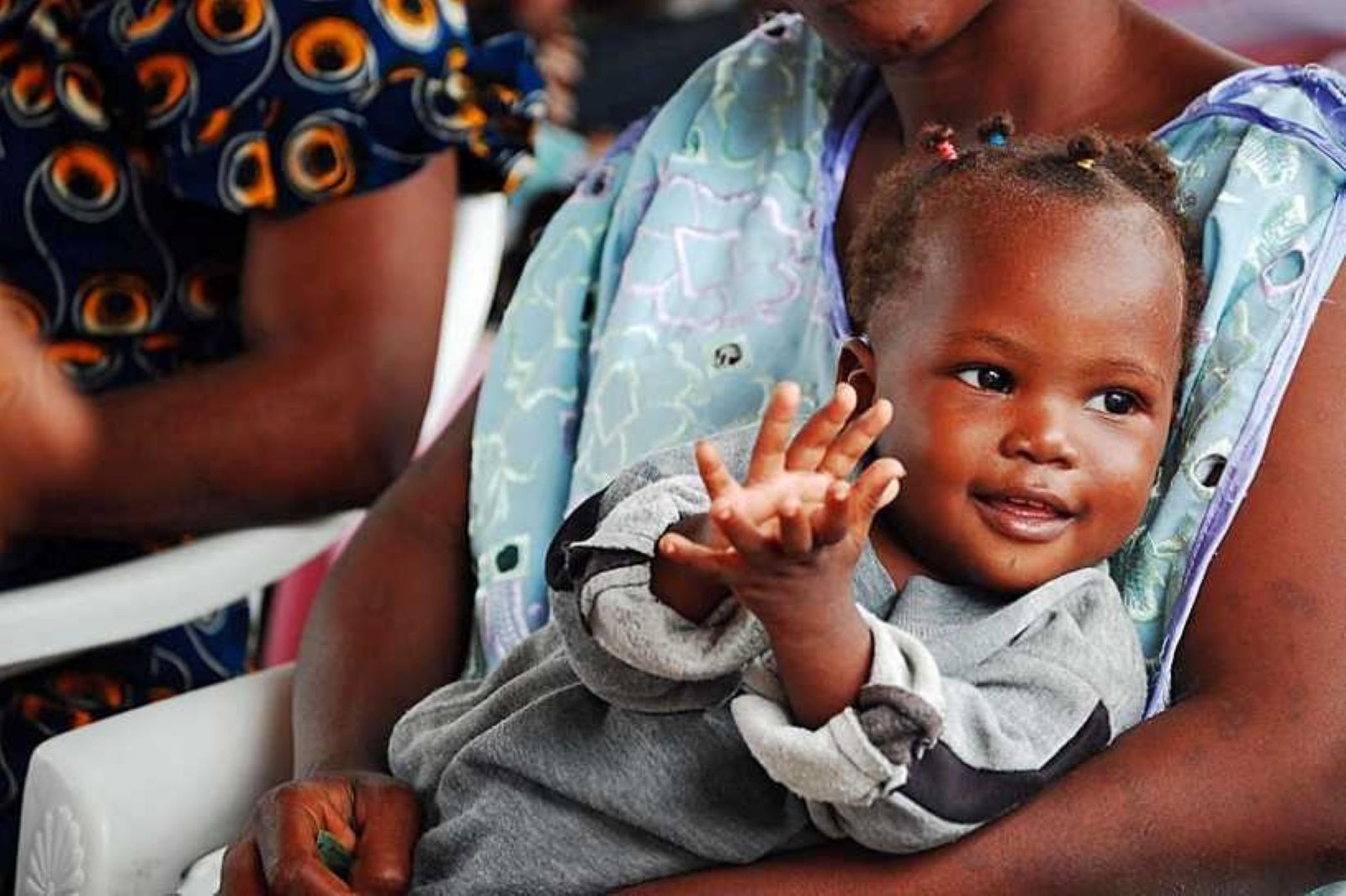
In Igbo society, the question of where a child belongs is never treated casually. It is tied to identity, inheritance, and the structure of family responsibility. This is why, within Igbo customary law and illegitimacy, children born outside marriage are traditionally linked to the maternal lineage when no formal marriage bond exists between the parents.
The first reason is the role of marriage in establishing paternity recognition. In many Igbo communities, marriage is not only a social event. It is a legal and cultural agreement between two families. It is through this agreement that a child is clearly integrated into the father’s lineage. When that structure is missing, there is no automatic pathway for the child to be fully absorbed into the father’s family system under customary law.
Because of this gap, the maternal family becomes the immediate and recognized structure for belonging. The child is not left without identity. Instead, the mother’s lineage steps in as the first and most stable point of responsibility.
Another important reason is family accountability and social order. Traditional Igbo society places strong emphasis on clarity in lineage. This clarity helps to prevent disputes over inheritance, land, and family roles. By linking a child born outside marriage to the mother’s family, the system ensures there is no confusion about responsibility at birth. The maternal family provides care, guidance, and social integration from the earliest stage of life.
There is also the question of security and protection of the child. In customary practice, every child must belong somewhere. The maternal lineage acts as a guaranteed safety net when the paternal side has not formally accepted responsibility. This ensures that the child is not socially abandoned or left outside recognized family structures.
It is also important to understand that this linkage is not always permanent. Under Igbo customary law and illegitimacy, the biological father still has the possibility of later recognition. If he acknowledges the child or completes customary rites, the child can be integrated into his lineage. However, until such steps are taken, the maternal family remains the primary point of identity.
In essence, linking children born outside marriage to the maternal lineage is not about exclusion. It is about maintaining order, ensuring responsibility, and making sure every child has a defined place within the community from birth.
Role of the Biological Father in Igbo Customary Law
Within Igbo customary law and illegitimacy, the biological father is not automatically excluded from the life or identity of a child born outside marriage. Instead, his role depends largely on recognition, responsibility, and the cultural steps taken to formalize the relationship between him, the child, and the child’s maternal family.
Traditionally, Igbo customary law and illegitimacy places strong emphasis on acknowledgment of paternity. A man who is biologically responsible for a child is expected to publicly accept that child, if he intends to be fully integrated into the child’s life under customary norms. This acknowledgment is not just a private statement. It often involves the presence or awareness of both families and serves as the first step toward legitimacy in the customary sense.
When a father acknowledges a child, he begins to establish a legal and social connection that can shift the child’s position from maternal lineage toward paternal lineage. However, this shift is not automatic. It is usually supported by other customary actions that confirm responsibility and family acceptance.
One of the most important steps is customary marriage with the child’s mother. In many Igbo communities, marriage is the strongest legal pathway that connects a child to the father’s family line. If the father later performs bride price rites or completes traditional marriage processes, the child may be formally integrated into his lineage. This integration affects not only identity but also inheritance rights and family membership.
In some cases, there is also the concept of customary legitimation rituals or settlements, depending on the specific community. These may involve meetings between families, symbolic acceptance, or other traditional agreements that confirm the father’s responsibility. While practices vary across Igbo regions, the central idea remains the same – legitimacy is built through recognition and cultural agreement, not biology alone.
If a biological father does not take these steps, his role remains limited under customary law. The child continues to be primarily associated with the maternal lineage where identity and daily family responsibility are already established. This does not mean the father is erased from existence. However, his legal and customary influence over inheritance and lineage rights may be restricted.
It is also important to note that Igbo customary law and illegitimacy is not rigid or uniform across all communities. Some areas may place more weight on acknowledgment alone, while others require full marriage rites before a child can be fully integrated into the father’s family structure.
In modern times, this traditional system is increasingly influenced by statutory law and court decisions in Nigeria which emphasize equality and the rights of children, regardless of birth circumstances.
However, within customary practice, the biological father still plays a key role in determining whether a child remains in maternal lineage or is formally brought into paternal lineage through recognition and cultural processes.
Inheritance Rights of Children Born Outside Marriage
In discussions around Igbo customary law and illegitimacy, inheritance is one of the most sensitive and closely contested areas. It sits at the intersection of tradition, family structure, and modern legal reform. To understand how inheritance works for children born outside marriage, it is important to first understand how Igbo customary law defines belonging and lineage.
Traditionally, inheritance in Igbo society is not only about biological connection. It is primarily about lineage membership. A person inherits from the family line they are officially recognized as belonging to. This means that the question of inheritance is directly tied to whether a child is accepted into the father’s or mother’s lineage under customary arrangements.
When a child is born outside marriage and has not been formally acknowledged by the father, customary practice in many Igbo communities places the child under the maternal lineage. In such cases, inheritance rights are generally drawn from the mother’s family rather than the father’s. The maternal uncles and extended family often become the immediate custodians of property, responsibility, and family belonging for the child.
This structure is rooted in the principle that inheritance follows recognized family membership, not just biological paternity. Under traditional Igbo systems, if a child is not integrated into the father’s lineage through marriage or acknowledgment, the father’s family may not automatically recognize inheritance rights from his estate.
However, this does not mean inheritance is completely closed. Igbo customary law and illegitimacy worldview allows for legitimation through acknowledgment or customary processes. If a biological father later recognizes the child, or if customary marriage is completed after birth, the child may be integrated into the paternal lineage. Once this integration is recognized by the family, inheritance rights can follow from the father’s side.
It is also important to note that practices vary across Igbo communities. Some areas place more emphasis on formal marriage rites, while others give more weight to acknowledgment and family consensus. This variation is one of the reasons why Igbo customary law and illegitimacy is not a fixed rule, instead, it is a flexible system shaped by local interpretation.
In modern Nigeria, inheritance rights are also influenced by statutory law and constitutional principles. Nigerian courts have increasingly challenged customs that deny children inheritance based solely on birth status. Judicial decisions have emphasized equality before the law and have, in some cases, invalidated discriminatory inheritance practices that conflict with constitutional rights.
This means that today, inheritance for children born outside marriage is no longer governed by customary law alone. Instead, it exists within a dual system where tradition and modern law interact. While customary practices still influence family decisions in many rural and cultural settings, court rulings now provide stronger protection for children, regardless of their birth circumstances.
In essence, under traditional Igbo customary law and illegitimacy principles, inheritance is closely tied to lineage recognition. Children born outside marriage are often linked to maternal inheritance structures unless the father formally acknowledges them. However, modern legal frameworks in Nigeria are steadily reshaping these boundaries toward greater inclusion and legal equality.
Cultural Logic Behind the Practice
To understand Igbo customary law and illegitimacy, it is not enough to only describe rules about lineage or inheritance. It is equally important to understand why those rules exist in the first place. Behind the practice of linking children born outside marriage to maternal lineage lies a cultural logic shaped by responsibility, order, and the way Igbo society organizes family life.
At the centre of Igbo social structure is the idea of clear belonging. Every child is expected to have a defined place within a family system. This is not just for identity purposes, it is also for practical community living. In traditional Igbo society, family identity determines who provides care, who speaks for the child in community matters, and who is responsible, if disputes arise.
One major reason for the maternal linkage system is certainty of responsibility at birth. In cases where there is no recognized marriage, the father’s family is not automatically bound by customary obligation. Rather than leaving the child in a state of uncertainty, Igbo tradition assigns immediate responsibility to the mother’s family. This ensures that the child has a stable home structure from the beginning.
Another important cultural reason is preservation of lineage clarity. Igbo society places strong importance on tracing ancestry without confusion. Lineage is tied to land ownership, inheritance, family titles, and even communal leadership roles. If children were placed in paternal families without formal recognition processes, it could create disputes over identity and inheritance rights. The maternal system helps to reduce these conflicts by providing a clear starting point.
There is also the principle of collective family responsibility. In Igbo culture, children are not raised only by parents. They are raised by extended families. When a child is born outside marriage, the maternal extended family, including uncles and grandparents, steps in to provide structure, guidance, and social belonging. This ensures that the child is not isolated or excluded from community life.
Another layer of this cultural logic is social stability and protection of the child’s dignity. Traditional systems are designed to prevent a child from being left in a vulnerable position due to adult decisions. By placing the child within the maternal lineage, the community guarantees that the child has recognized relatives who will act on their behalf.
At the same time, Igbo customary law and Illegitimacy system does not permanently close the door on the father. The system allows for later recognition and integration which shows that the practice is not about exclusion but about timing and formal responsibility. If the father later acknowledges the child or completes customary marriage rites, the child’s position can shift into the paternal lineage.
In essence, the cultural logic behind this practice is not random. It is rooted in a long-standing effort to balance three things, namely, clear family identity, protection of the child, and prevention of social disputes.
Within Igbo customary law and illegitimacy, the maternal lineage system serves as a structured way of ensuring that no child is left without belonging, even when marriage has not defined the parental relationship.
Influence of Christianity, Colonial Law, and Modern Society
The way Igbo customary law and illegitimacy is understood today has not remained the same over time. While traditional Igbo society had its own clear systems for determining lineage and family belonging, those systems have been significantly influenced by Christianity, colonial administration, and modern social change. Each of these forces introduced new ideas about marriage, legitimacy, and inheritance, gradually reshaping long-standing customs.
One of the earliest and most powerful influences came through Christianity. With missionary activity in Igboland, Christian marriage began to be presented as the primary and “proper” form of union between a man and a woman. Church marriage emphasized monogamy, formal vows, and legitimacy of children born within wedlock.
Over time, this shifted how many families viewed children born outside marriage. In some Christian-influenced communities, such children began to be socially stigmatized more than in traditional settings where lineage integration through the maternal family was already well established.
Christian teachings also strengthened the idea that children should ideally be born within marriage to ensure legitimacy, inheritance rights, and moral acceptance. This did not erase Igbo customary law and illegitimacy principles, but it added a new moral layer that influenced how families responded to non-marital births.
The second major influence came from colonial law and administration. British colonial rule introduced a formal legal system that operated alongside customary law. Colonial courts often attempted to define, classify, and regulate “native laws and customs,” including inheritance and legitimacy rules. This introduced written legal interpretations into what had previously been largely oral and community-based systems.
Colonial legal frameworks also emphasized documentation, formal marriage registration, and court-recognized paternity. This created a parallel system where customary practices had to interact with statutory law. Over time, this dual structure began to influence how legitimacy was viewed, especially in urban and administrative centres.
The third major influence is modern Nigerian society which continues to reshape traditional practices. Today, education, urbanization, and legal awareness have significantly changed family structures. Many Igbo families now live in nuclear arrangements rather than extended kinship compoundswhich affects how lineage systems operate in daily life.
Modern Nigerian constitutional law also plays a critical role. The 1999 Constitution guarantees equality before the law, and Nigerian courts have increasingly ruled against customs that discriminate based on birth status. This has affected inheritance practices tied to Igbo customary law and illegitimacy, especially in cases where children were previously excluded from property rights due to non-marital birth.
In addition, modern tools such as documentation and DNA testing have introduced new ways of establishing paternity. These developments reduce uncertainty in cases where customary recognition may not have occurred at birth.
Despite these changes, the principle of Igbo customary law and illegitimacy has not disappeared. Instead, it continues to exist alongside religious and statutory systems, adapting in different ways, depending on location, family belief systems, and exposure to modern institutions. In rural areas, traditional lineage practices may still carry strong influence, while in urban settings, legal and nuclear family structures are more dominant.
Essentially, Christianity introduced moral and religious framing around marriage and legitimacy. Colonial law introduced formal legal structures and documentation. Modern society introduced constitutional rights, education, and scientific methods of establishing paternity. Together, these forces have reshaped how the system of Igbo customary law and illegitimacy is understood today, thereby creating a complex blend of tradition and modern legal thought.
Modern Igbo Society and Changing Realities
In today’s Igbo society, the meaning and application of Igbo customary law and illegitimacy is no longer as fixed as it once was. What used to be guided almost entirely by lineage systems, family consensus, and customary expectations is now influenced by education, urban life, religion, and the formal legal system in Nigeria. The result is a changing reality where tradition and modern thinking often meet, and sometimes conflict.
One of the most visible changes is the way families now respond to children born outside marriage. In many urban and semi-urban communities, there is growing acceptance of children, regardless of the circumstances of birth. While traditional customs may still link such children to maternal lineage in the absence of formal recognition, many families today choose to prioritize care, emotional bonding, and responsibility over strict customary classifications.
This shift is largely influenced by modern education and exposure. Many Igbo parents today are more aware of constitutional rights and legal protections for children. As a result, there is a stronger tendency to include children in family life, regardless of whether customary marriage rites were completed at the time of birth. This does not mean practice of Igbo customary law and illegitimacy has disappeared. It is now often applied with more flexibility.
Another important change is the rise of formal legal processes in inheritance and paternity disputes. In the past, family elders and extended kin groups were the main authorities in deciding issues related to legitimacy and inheritance. Today, courts and legal documentation play a major role. Issues that were once settled within the family are now sometimes, taken to court, especially when property, land, or inheritance rights are involved.
Scientific advancements have also influenced modern practice. DNA testing, for example, has introduced a clearer way of establishing biological paternity. This has reduced uncertainty in situations where customary recognition may not have been made at birth. As a result, biological fathers can now be identified with greater certainty which can affect decisions around inheritance and family membership.
Despite these changes, traditional ideas connected to Igbo customary law and illegitimacy still exist in many communities. In some rural areas, lineage systems and customary expectations remain strong, especially where the elders continue to play a central role in family decisions. In such settings, the maternal lineage system may still be the first point of reference when a child is born outside marriage, particularly if no formal acknowledgment from the father exists.
However, even in these contexts, there is increasing awareness that customary practices must now operate alongside constitutional protections. Nigerian courts have made it clear in several rulings that inheritance rights cannot be denied purely based on gender or birth circumstances when such denial conflicts with constitutional principles of equality. This legal reality continues to influence how families interpret and apply tradition.
What is emerging today is a dual system. On one hand, there is respect for cultural heritage and customary processes that have guided Igbo society for generations. On the other hand, there is the growing influence of statutory law, human rights principles, and modern family structures. Families now often navigate both systems at the same time, choosing what aligns with their beliefs, circumstances, and legal realities.
Summarily, modern Igbo society is not abandoning tradition. It is adapting it. The interpretation of Igbo customary law and illegitimacy is gradually shifting from a strict lineage-based system to a more flexible approach influenced by law, education, and social change. This ongoing transition reflects a broader evolution in how family, identity, and belonging are understood in contemporary Igboland.
Legal Perspective in Nigeria Today
In modern Nigeria, the conversation around Igbo customary law and illegitimacy is no longer governed by tradition alone. It now exists within a broader legal system where customary practices must align with the Nigerian Constitution and judicial interpretations. This has significantly changed how issues of lineage, inheritance, and the rights of children born outside marriage are understood.
The starting point is the 1999 Constitution of the Federal Republic of Nigeria (as amended). The Constitution guarantees equality before the law and prohibits discrimination on the basis of birth, gender, or status. This principle has become the foundation for challenging customary practices that were previously accepted in some communities but are now considered inconsistent with constitutional rights.
In practical terms, this means that any customary rule that denies a child rights solely because they were born outside marriage can be questioned in court, if it conflicts with constitutional protections. Nigerian courts have increasingly taken the position that the welfare and rights of the child must be prioritized over restrictive interpretations of custom.
A key development in Nigerian case law is the judicial stance that customary law is valid, only if it is not repugnant to natural justice, equity, and good conscience. This long-standing legal test inherited from colonial-era jurisprudence and still applied today allows courts to review and sometimes, invalidate customary practices that are considered unfair or discriminatory.
In inheritance disputes, courts have also addressed situations related to Igbo customary law and illegitimacy, especially where children are excluded from property distribution due to birth circumstances. Judicial decisions have increasingly leaned toward protecting the rights of children to inherit from their biological parents where paternity is established, whether through acknowledgment, evidence, or court determination.
One important legal direction in Nigeria is that inheritance rights are not strictly dependent on marital legitimacy alone under constitutional interpretation. While customary law may still influence family arrangements, statutory law and court rulings can override customs that deny children access to inheritance without justifiable legal grounds.
At the same time, Nigerian law does not completely abolish customary systems. Instead, it recognizes them as part of the country’s legal pluralism. This means that customary law still operates, especially in family matters. But it must coexist with statutory law and cannot violate constitutional principles.
In cases involving paternity, Nigerian courts may also rely on modern forms of evidence, including documentation and scientific proof such as DNA testing. This has added a new layer to how Igbo customary law and illegitimacy is interpreted in legal settings, especially when determining inheritance rights or family responsibility.
It is also important to note that court decisions across Nigeria, including the Supreme Court have invalidated discriminatory customary practices in various contexts, particularly those that deny individuals inheritance rights based on gender or birth status. These rulings have influenced how families and customary authorities now approach inheritance disputes.
Overall, the legal perspective in Nigeria today is one of balance and oversight. While Igbo customary law continues to be recognized as a valid system of social organization, it must operate within the framework of the Constitution. This means that issues surrounding Igbo customary law and illegitimacy are no longer determined by tradition alone, but also by constitutional rights, judicial interpretation, and evolving standards of fairness and equality.
Why This Topic is Still Relevant
Even with modern laws, education, and changing family structures, the discussion around Igbo customary law and illegitimacy is still very relevant today. It is not just a historical topic or an academic debate. It continues to affect real families, inheritance decisions, and questions of identity across many Igbo communities.
One of the main reasons it is still relevant is because inheritance disputes are still common. In many families, disagreements arise over who is entitled to land, property, or family assets, especially when a child was born outside marriage or where paternity was not formally acknowledged. In such cases, people often turn to both customary expectations and modern legal systems which sometimes leads to conflict between tradition and court rulings.
Another reason is the issue of identity and belonging. For many individuals, especially children born outside marriage, questions about where they belong in the family structure can still carry emotional and social weight. Even when legal systems recognize their rights, cultural acceptance within the extended family may still take time or require negotiation. This shows that Igbo customary law and illegitimacy is not only a legal matter but also a deeply social and emotional one.
The topic also matters because of the ongoing interaction between customary law and constitutional law in Nigeria. Courts continue to review traditional practices to ensure they align with constitutional principles of equality and non-discrimination. This means that customary practices are still evolving under legal scrutiny, especially in cases involving inheritance, paternity, and family recognition.
In addition, there is a growing conversation around cultural preservation versus reform. Many people value Igbo traditions and see them as an important part of identity and heritage. At the same time, there is increasing awareness that some customary practices need to adapt to modern ideas of fairness and human rights. This tension keeps the subject active in legal, academic, and community discussions.
Urbanization and migration have also contributed to its relevance. As more Igbo families live in cities or outside their ancestral communities, traditional systems of lineage and family control are often applied in new contexts. This creates situations where customary expectations and modern lifestyles do not always align, thus making the topic even more practical in everyday life.
Finally, the issue remains important because it speaks to a broader question – how do societies balance tradition with change? The way Igbo communities handle legitimacy, lineage, and inheritance reflects a larger conversation about cultural identity in a rapidly changing world.
Ultimately, Igbo customary law and illegitimacy still matters today because it sits at the intersection of law, culture, identity, and family life. It continues to influence real decisions, shape legal debates, and affect how people understand belonging within both traditional and modern Nigerian society.
Conclusion …
The discussion around Igbo customary law and illegitimacy brings together history, culture, law, and lived family experiences in a way that is still very relevant today. Traditionally, Igbo society placed strong emphasis on lineage as the foundation of identity, responsibility, and inheritance. In that system, children born outside marriage were often linked to the maternal lineage because it provided an immediate, stable structure of belonging when no formal marital bond existed between the parents.
At the same time, Igbo customary law was never completely rigid. It allowed room for recognition, especially when a biological father acknowledged responsibility or completed customary processes that integrated the child into his lineage. This shows that legitimacy was not only about birth but also about acceptance and cultural agreement.
Over time, this traditional framework has been influenced by Christianity, colonial legal systems, and modern Nigerian constitutional law. These forces introduced new ideas about marriage, equality, documentation, and the rights of the child. As a result, Igbo customary law and illegitimacy today exists in a space where tradition and modern law often interact, and sometimes disagree.
What remains clear is that the subject is not just about rules. It is about people, families, and identity. It touches inheritance disputes, emotional belonging, and the question of how every child finds a place within the society. While legal systems now offer stronger protections regardless of birth status, customary practices still influence how many families understand lineage and responsibility.
At the end of the day, the conversation is not about choosing between tradition and modernity, it is about understanding how both continue to shape family life in contemporary Igboland.
References
- Uhuo, P. U. (2025). Child Ownership Under Igbo Customary Law: Resolving the Paternity Conundrum. Nigerian Journals Online https://nigerianjournalsonline.org/index.php/ABJ/article/view/702
- Erugo, S. I. (2010). Distribution of Intestate Property Under Igbo Customary Law. SSRN. https://papers.ssrn.com/sol3/papers.cfm?abstract_id=1518883
- Igbolekwu et al. (2022). Awareness and compliance with inheritance rights in Igboland. Journal of Human Rights and Social Work. https://www.researchgate.net/publication/361614087_Awareness_and_Compliance_with_Court_JudgmentConstitutional_Provisions_Legalizing_Female_Inheritance_Rights_Among_the_Igbo_Nigeria
- https://scholar.google.com/scholar?q=Igbo+customary+law+illegitimacy
- https://www.constituteproject.org/constitution/Nigeria_2011.pdf
You might want to check this out …