



Anambra News
Ụbụ River in Amịlịba, Otolo Nnewi, Anambra State || History, Myths, and Cultural Significance

When people think of Nnewi, they often imagine a busy industrial town known for its spare parts markets, factories, and fast-growing businesses. But hidden away in Amịlịba, a quiet part of Otolo, lies a natural treasure that surprises many visitors – the beautiful and sacred Ụbụ River, also called Ụbụ Achịta.
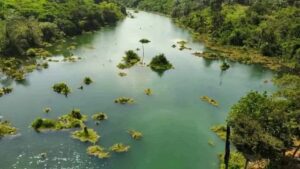
Ubu River, Nnewi Image Credit: Ubanized Media
This river is unlike most others you will see in Anambra State. Its water is a stunning shade of green, clear and peaceful, surrounded by nature. But Ụbụ River is not just a place of beauty, it is a sacred site with deep cultural meaning for the people of the area.
Location and Natural Beauty
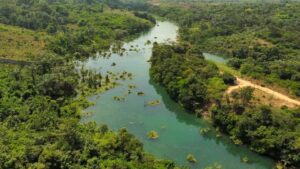
Ụbụ River flows through Amịlịba and Umuzu communities in Otolo, which is one of the four quarters of Nnewi town. The area around the river is quiet and green, with trees and plants that create a cool, calm environment. When you first see it, the bright green color of the water catches your eye immediately. The color comes from the natural minerals and plant life in the river, giving it a magical look.
Unlike many rivers that are muddy or filled with waste, Ụbụ River is clean and well-kept. The people of the community take great care to protect it. This is part of why the river remains such a beautiful and refreshing sight even in a busy, growing town like Nnewi.
Cultural and Spiritual Importance
For the people of Amịlịba and Umuzu, Ụbụ River is more than just a water body. It is a sacred place with strong spiritual importance. Many believe that the river has the power to answer prayers and grant requests if approached with respect.
There are long-standing traditions connected to the river. For example, fishing is not allowed. The fish in the river are considered sacred, and harming them is strictly forbidden. The same goes for the crocodiles that sometimes appear in its waters. Locals believe these crocodiles are messengers or protectors of the river’s spirit and it is said they do not attack or harm humans.
Rules and Customs
Because of its sacred status, there are strict rules about how people can behave at Ụbụ River. These customs have been passed down for generations:
- No fishing or hunting: All living creatures in the river are protected.
- No pollution: Visitors must keep the river clean and avoid throwing waste into it.
- Respect the space: Shouting, disrespectful behavior, or breaking the traditions is not allowed.
The community also has river guardians, local people who look after the site, guide visitors, and make sure traditions are followed. These guardians help protect the river from outsiders who may not understand its cultural value.
A Place of Calm and Reflection
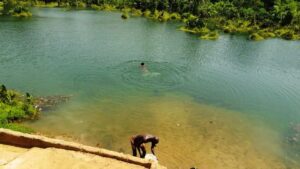
Many who visit Ụbụ River say they feel a deep sense of peace. The green water reflects the trees around it, the air is fresh, and the only sounds you hear are the birds, the wind, and the soft movement of water. For those who come to pray or think, it is a perfect environment to clear the mind.
Some visitors come alone to speak quietly to the river, believing that their thoughts and wishes will be heard. Others come in small groups, especially during certain traditional times of the year, to perform rituals or give thanks.
Stories and Beliefs
Like many sacred places in Igbo land, Ụbụ River is surrounded by stories passed down from elders. One common belief is that the river is protected by a spiritual goddess, who watches over the people and ensures the safety of those who respect her rules.
Another belief is that anyone who tries to harm the river by killing its sacred creatures or polluting its waters will face misfortune. These stories have helped preserve the site, as people fear the consequences of breaking its rules.
The Crocodiles of Ụbụ River
One of the most fascinating things about the river is the presence of crocodiles. In many other parts of the world, crocodiles are feared as dangerous predators. But in Ụbụ River, the crocodiles are said to live peacefully with people. They swim quietly in the water, sometimes coming close to visitors without attacking. Locals say this is because the crocodiles are not ordinary animals but spiritual beings connected to the goddess of the river.
A Hidden Tourist Attraction
Although Ụbụ River is well-known to the people of Otolo and the larger Nnewi area, it is still relatively unknown to outsiders. This makes it a kind of hidden gem for anyone who enjoys exploring natural and cultural sites.
Visitors often express surprise that such a beautiful and peaceful place exists in Nnewi, a town famous for its busy commercial life. It shows that Nnewi is more than just markets and industries – it also has natural wonders worth protecting and sharing.
Tourism Potential
With better promotion and management, Ụbụ River could become a top tourist attraction in Anambra State. Its natural beauty, combined with its spiritual and cultural importance, makes it unique. Eco-tourism activities like guided tours, cultural storytelling, and photography trips could help more people appreciate the river while also creating income for the local community.
However, tourism development would need to be handled carefully. The community’s customs and the river’s sacred nature must be respected. Any changes should aim to protect the environment and maintain the peace that makes the river special.
Challenges and Preservation
One of the biggest threats to rivers in Nigeria is pollution, often from nearby industries or careless visitors. So far, Ụbụ River has remained clean because of the community’s strong cultural protection. But as Nnewi grows, there is always a risk of environmental pressure.
The people of Amịlịba and Umuzu continue to guard their sacred river, teaching younger generations about its importance. Education is key, when people understand the value of a place, they are more likely to protect it.
Visiting Ụbụ River
If you plan to visit Ụbụ River, here are a few things to keep in mind:
- Ask for permission: Speak with community leaders or river guardians before entering.
- Follow the rules: Respect the customs, especially about not fishing or polluting.
- Be quiet and respectful: This is a sacred site, not just a picnic spot.
- Go with a guide: A local guide can explain the history, traditions, and meaning of what you see.
The best time to visit is during the dry season when the water is especially clear and the surrounding area is easy to walk through.
Why Ụbụ River Matters
In a fast-changing world, sacred natural sites like Ụbụ River remind us of the deep connection between people, nature, and culture. For the people of Amịlịba, the river is a symbol of their heritage. It carries the stories of their ancestors, the strength of their traditions, and the beauty of their land.
For visitors, it is a chance to step away from noise and speed, to breathe deeply, and to see how culture can protect nature in powerful ways.
Conclusion
Ụbụ River in Amịlịba, Otolo Nnewi is more than just water flowing through the land. It is a living part of the community’s history and spirituality. Its green waters hold stories, beliefs, and traditions that have survived for generations. Protected by strict customs and respected by the people, it remains one of Nnewi’s most beautiful secrets.
As Nnewi continues to grow, keeping places like Ụbụ River safe is not just about preserving the past – it is about protecting a source of peace, identity, and natural beauty for the future.
If you ever find yourself in Nnewi, take the time to visit Ụbụ River. Go with an open heart, listen to the quiet around you, and you might just feel the magic that has made this place sacred for centuries.
Watch a video of the river here
Frequently Asked Questions About Ụbụ River in Amịlịba, Otolo Nnewi
Q1: Where is Ụbụ River located?
A: Ụbụ River is in Amịlịba and Umuzu communities, Otolo, Nnewi North Local Government Area, Anambra State, Nigeria.
Q2: Why is the water of Ụbụ River green?
A: The river’s green color comes from natural minerals and plant life in the water, giving it a bright and unique appearance.
Q3: Is Ụbụ River a tourist attraction?
A: Yes, though still mostly known to locals, it is a hidden natural and cultural attraction in Nnewi.
Q4: Is fishing allowed in Ụbụ River?
A: No, fishing is not allowed. The fish are sacred and protected by local traditions.
Q5: Are there crocodiles in Ụbụ River?
A: Yes, there are crocodiles, but locals believe they are spiritual protectors and do not harm people.
Q6: Can anyone visit Ụbụ River?
A: Yes, but visitors should speak with community leaders or river guardians first and follow all rules.
Q7: What makes Ụbụ River special?
A: It combines natural beauty with deep spiritual and cultural significance, making it a unique part of Nnewi’s heritage.
Q8: When is the best time to visit Ụbụ River?
A: The dry season is best because the water is clearer and the surroundings are easier to access.
Read about Azumini Blue River || A Beautiful Tourist Destination in Abia State, Nigeria