





History and heritage
Uke Town, Anambra State: History, Culture and Community Life

Uke is a historic town in Idemili North Local Government Area of Anambra State, Nigeria. Discover its culture, leadership, festivals, notable people, landmarks, and strong community life.

Nestled in the heart of Anambra State, Uke is a town that quietly combines rich tradition with a spirit of community and progress. Known for its vibrant culture, strong sense of identity, and enduring festivals, the town has long been a place where history lives side by side with modern life.
From the palace of the Igwe which stands as a symbol of leadership and heritage, to bustling market areas where trade thrives, the town pulses with life and connection. Visitors and indigenes alike are drawn to Uke not just for its landmarks or events, but for the warmth of its people, the rhythm of its cultural celebrations, and the pride that radiates from every corner of the community.
This is a town that honours its past while steadily building for the future. It offers a glimpse into the heart of Igbo tradition and communal living in southeastern Nigeria.
Location and Geographical Setting

Uke is a charming town located in Idemili North Local Government Area of Anambra State, Nigeria. Situated in the southeastern region of the country, it forms part of the Anambra Central Senatorial Zone which makes it an integral community within the State. The town is strategically positioned near other well-known communities such as Abatete, Nkpor, Ogidi, and Onitsha which allows for easy access to commercial hubs, educational institutions, and healthcare facilities.
Geographically, Uke sits at an elevation of approximately 387 meters above sea level and provides a stable environment that is generally free from flooding challenges that affect some low-lying areas. The town operates on West Africa Time (UTC +1) which enables the alignment of its daily rhythm with the rest of southeastern Nigeria.
The location of Uke not only connects it to nearby towns and cities but also positions it as a community that balances the tranquility of small-town life with the accessibility of urban amenities. Roads linking Uke to neighbouring areas have become vital for trade, transport, and social interaction which reflects its role as both a residential and commercial point within Idemili North.
Historical Background of Uke
Uke is one of the longstanding towns in Idemili North Local Government Area of Anambra State with a history deeply rooted in Igbo culture and communal life. Like many southeastern Nigerian towns, the early history of Uke has been preserved largely through oral traditions which highlight its values, social organization, and connection to neighbouring communities.
What is verifiable is that Uke has long been recognized as a distinct town within the Idemili region and known for its organized village structure and communal leadership system. Over time, families and kindreds in Uke formed cohesive villages that later united to establish the town as it is known today. This organization laid the foundation for a stable and unified community where cultural norms, festivals, and governance systems could thrive.
The history of the town is closely intertwined with its traditional institutions, including the Igwe and council of elders which have guided the community through periods of growth, change, and modernization. While written records of its early origins are limited, its continuity, cultural richness, and participation in regional affairs reflect a community that values its heritage and collective memory.
Through generations, Uke has maintained its identity, balancing respect for tradition with gradual adoption of modern infrastructure, education, and healthcare initiatives. This combination of historical roots and forward-looking development makes Uke a town that honours its past, even as it embraces the future.
Traditional Governance and Leadership
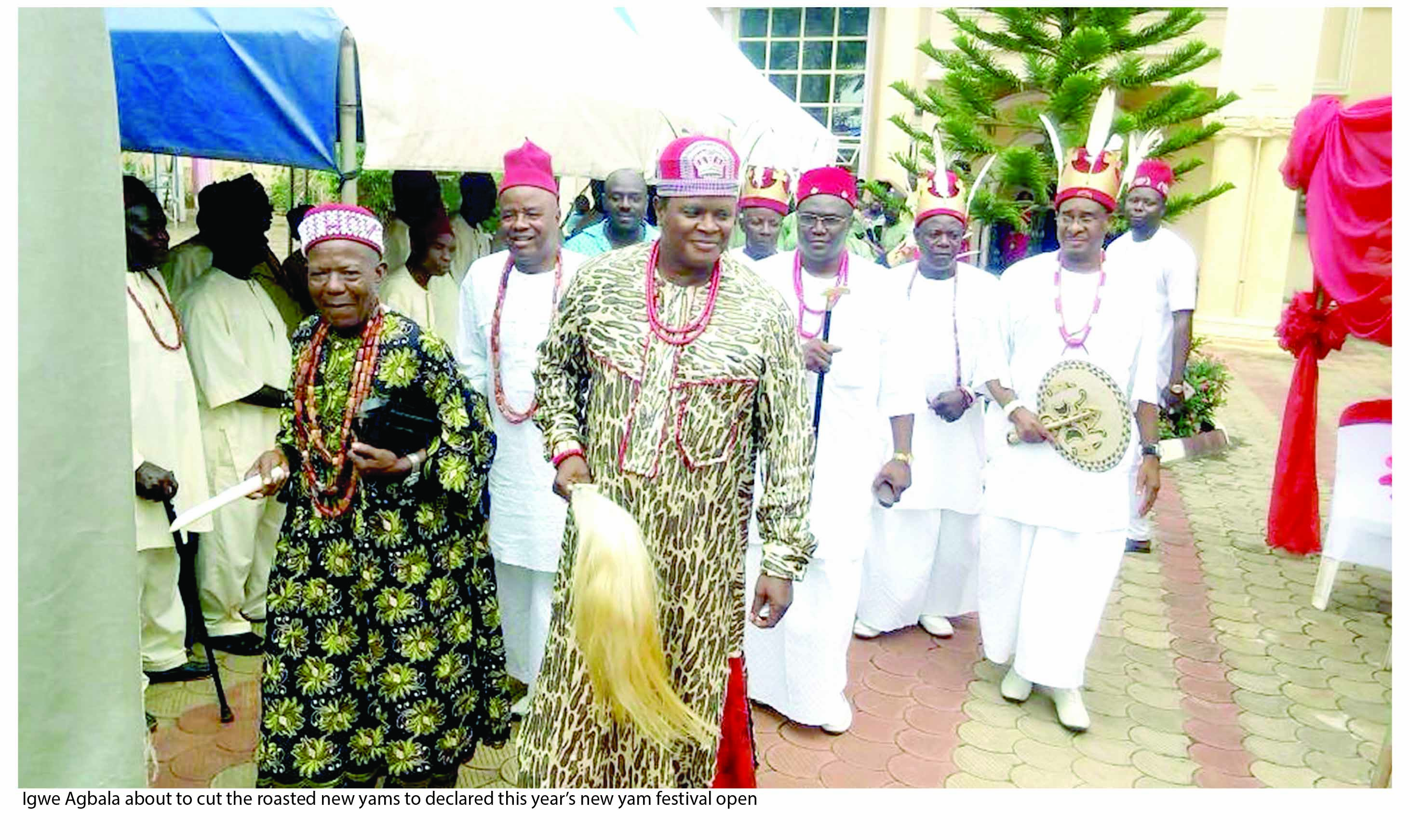
Leadership in Uke is deeply rooted in Igbo traditions that blend authority, culture, and community service. The town is headed by a traditional ruler known as the Igwe who serves as both the cultural and spiritual leader of the community. Unlike strictly hereditary monarchies, the Igwe of Uke is selected through a formal process when the throne becomes vacant. This ensures that the leadership reflects the consensus and interests of its residents.
The current Igwe of Uke is Sir Charles Chuma Agbala, also known as Igwe Oranyelu III. He is widely respected for preserving the customs, promoting unity, and supporting development initiatives within the town. The Igwe works alongside a council of elders and chiefs who advise on matters ranging from dispute resolution and cultural events to community projects and security.
Traditional leadership in Uke is not only symbolic but also practical. The Igwe and his council coordinate festivals such as the Ofala Festival and New Yam Festival, oversee ceremonies, and represent the town in regional affairs. Their authority also extends to guiding the community on ethical, social, and developmental issues, thus reflecting a system that balances cultural heritage with the needs of a modern community.
This governance structure ensures that Uke maintains its identity, fosters social cohesion, and encourages participation from community members in decisions that define its present and future.
Culture and Customs
Uke is deeply embedded in Igbo cultural traditions which inform the daily life, values, and social interactions of its people. Respect for elders, communal responsibility, and strong family ties form the foundation of its social structure. These values guide not only personal behaviour but also how the community approaches development, dispute resolution, and collective celebrations.
Cultural practices in Uke include naming ceremonies, marriage rites, and community gatherings, all of which follow well-established Igbo customs. Naming ceremonies, for example, are occasions where families introduce newborns to the community, seek blessings from elders, and celebrate the continuation of lineage. Traditional marriages involve family negotiations, communal participation, and celebrations that reflect its strong emphasis on unity and social bonds.
Festivals are central to Uke cultural identity. The Ofala Festival honours the Igwe and reinforces communal loyalty, while the New Yam Festival celebrates agricultural abundance and the hard work of farmers. Both festivals provide opportunities for storytelling, traditional music, dance, and masquerade performances that ensure that the younger generations remain connected to their heritage.
Even as modern life influences the town, Uke continues to balance tradition with contemporary practices. Schools, churches, and community organizations coexist alongside customary institutions, and these allow the residents to embrace education, healthcare, and civic engagement without losing their cultural roots.
Through these customs, Uke demonstrates how a town can preserve its identity, foster social cohesion, and celebrate its heritage while navigating the demands of the modern world.
Festivals and Cultural Life
Uke is a town where culture and tradition are celebrated with pride and enthusiasm. Festivals are at the heart of community life as they bring together residents, indigenes in the diaspora, and visitors to honour heritage, unity, and progress. These events provide a glimpse into its values, social cohesion, and vibrant way of life.
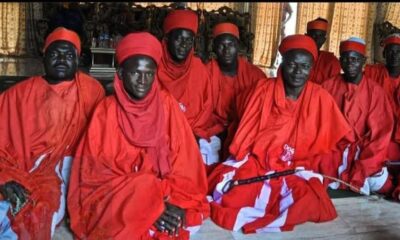
One of the most prominent traditional celebrations in Uke is the Ofala Festival. This festival honours the Igwe, currently Igwe Sir Charles Chuma Agbala (Igwe Oranyelu III), and serves as a public affirmation of leadership, culture, and communal pride. During Ofala, the Igwe appears in ceremonial attire, accompanied by his chiefs, elders, and cultural performers. The festival includes music, dance, and masquerade displays that provide an opportunity for the entire community to come together, celebrate their identity, and strengthen social bonds.
The New Yam Festival is another key cultural event in Uke. It marks the successful harvest of yams, a staple crop in Igbo culture and symbolizes gratitude to the land and the ancestors. Residents celebrate with feasting, traditional music, and communal activities. The festival encourages unity and gives the younger generations a chance to engage with customs and rituals that have been practiced for generations.
In addition to traditional festivals, Uke Day serves as a modern community celebration that emphasizes peace, development, and connection among indigenes both at home and abroad. Activities often include awarding outstanding community members, cultural exhibitions, and discussions on local development projects. Uke Day fosters a sense of pride and collective responsibility while showcasing the achievements of the town.
Through these festivals and cultural gatherings, Uke demonstrates that a community can honour its heritage while embracing contemporary life. The celebrations are not only expressions of joy but also platforms for reinforcing values, encouraging participation, and maintaining the unique cultural identity of the town.
Religion and Belief System
Uke is a town where religion plays an important role in shaping daily life, community values, and social interactions. Today, Christianity is the dominant religion, with churches serving not only as places of worship but also as centres for education, social support, and community engagement. Congregations often participate in activities like youth programmes, charity initiatives, and outreach services that reflect a strong sense of communal responsibility.
Despite the prevalence of Christianity, traditional Igbo beliefs also influence cultural practices, especially during festivals, naming ceremonies, and communal rites. Ancestral respect, reverence for elders, and the symbolic meaning of festivals such as the New Yam Festival and Ofala Festival reflect elements of these enduring traditions.
The coexistence of Christianity and cultural customs in Uke demonstrates how the town balances modern religious practices with long-standing cultural values. This blend allows residents to preserve their heritage, even as they engage with contemporary spiritual life, thus creating a community where faith, tradition, and daily living are deeply intertwined.
Economy and Livelihood
The economy of Uke is rooted in both agriculture and commerce which is a reflection of its traditional Igbo character. Farming remains a key livelihood, with residents cultivating staple crops such as yam, cassava, maize, and vegetables. Agriculture not only provides sustenance for local families but also supports trade in nearby towns and markets, forming an essential part of economic life.
Trade and small-scale businesses are equally significant. Local market spaces, e.g. Eke Uke market allow farmers, artisans, and traders to sell their products ranging from food items to household goods. These markets act as hubs of social interaction that connect the residents and foster a spirit of collaboration within the community.
Many families in Uke also benefit from remittances sent by indigenes living in other parts of Nigeria or abroad. Diaspora contributions have supported local infrastructure projects, healthcare initiatives, and community development programmes to further strengthen the economy fo the town.
Education and professional development have enabled some residents to pursue careers in business, civil service, and entrepreneurship. These activities complement traditional livelihoods and ensure that Uke maintains a balanced economy that blends agriculture, trade, and modern professions.
The economic resilience of the town is rooted in community cooperation, cultural values of hard work, and strong social networks. Together, these factors ensure that Uke continues to thrive as it creates opportunities for future growth and development.
Education and Social Development
Education holds a central place in the life of Uke. The town values learning as a pathway to personal growth, social mobility, and community progress. There are primary and secondary schools within and around Uke that provide children with foundational education, while some students attend institutions in neighbouring towns and cities to access broader academic opportunities.
Community leaders and families alike encourage young people to pursue education as a way to build skills and secure better futures. This emphasis on learning has helped to produce residents who excel in various professions, including business, civil service, and entrepreneurship, both within Nigeria and abroad.
Social development in Uke is closely tied to community engagement and collective initiatives. Local organizations like Uke Development Union and diaspora associations play active roles in improving infrastructure, healthcare, and social services. Their projects often include educational support programmes, scholarships, and youth mentorship initiatives that reflect a commitment to nurturing the next generation.
Through these combined efforts, Uke demonstrates that a community can preserve its cultural identity, even as it fosters education, social growth, and modern development. Its focus on learning and collective progress ensures that the residents are equipped to navigate both traditional life and contemporary opportunities.
Healthcare and Infrastructure

Healthcare and infrastructure are vital components of life in Uke. The town has made notable strides in recent years that balance traditional systems with modern facilities to meet the needs of its residents. One of the most significant developments is the Ultra-Modern Primary Healthcare Centre built by Uke Community Association in the United States and officially handed over to Anambra State Government.
This facility includes consultation rooms, maternity and child health units, laboratory services, wards, and solar-powered electricity and serves both Uke residents and neighbouring communities. It stands as a testament to the ability of the town to harness local and diaspora support for community development.
In addition to healthcare, road networks and access routes are important infrastructure elements in Uke. The town is connected to neighbouring communities like Nkpor, Ogidi, Abatete, and Onitsha, thus facilitating trade, commuting, and social interaction. Community leaders have actively advocated for improvements to these roads to support economic growth and ensure safer, smoother travel for the residents.
Other infrastructure such as schools, community halls, and religious centres also plays a critical role in the development of the town. Churches and schools are not only places of worship and learning but also hubs for social programmes, community meetings, and cultural events.
Through investment in healthcare, roads, education, and communal facilities, Uke continues to build a strong foundation for both current residents and future generations.
Community Life and Unity
Uke is widely recognized for its strong sense of community cohesion and collective responsibility. The town thrives on the values of mutual support, respect for elders, and collaboration among families and villages. These cultural principles shape not only daily interactions but also the organization of communal projects, festivals, and social initiatives.
Local organizations, e.g. Uke Development Union and diaspora associations play a central role in fostering unity. They coordinate development projects, cultural celebrations, and community outreach programmes that bring residents together. Examples include the construction of the Ultra-Modern Primary Healthcare Centre and the organization of Uke Day celebrations which unite both local residents and indigenes living abroad.
Festivals, market days, and communal events also reinforce bonds between residents. During these occasions, families and friends gather to celebrate achievements, share experiences, and support one another. This sense of togetherness ensures that the town remains resilient in the face of challenges and continues to maintain a peaceful and cooperative environment.
Through its emphasis on collaboration, shared responsibility, and cultural pride, Uke mirrors a town that can preserve tradition while fostering social harmony and collective progress. Community life here is not just about living side by side, it is about thriving together and building a future rooted in unity and mutual support.
Notable People from Uke Town
Uke has produced individuals who have made significant contributions in entertainment, culture, and community leadership and have brought recognition to the town both locally and nationally. These personalities reflect the talent, ambition, and community spirit that define the community. Among them are:
Jennifer Eliogu
Jennifer Eliogu is a celebrated Nollywood actress and singer who hails from Uke Town in Idemili North Local Government Area, Anambra State. She began her acting career in 1997 with her debut in the movie House on Fire and has since appeared in numerous Nigerian films. Beyond acting, Jennifer is also a musician who has released songs that have earned recognition in the Nigerian entertainment industry. Her achievements in both film and music have made her one of the most widely recognized indigenes of Uke.
Igwe Sir Charles Chuma Agbala (Igwe Oranyelu III)
The current traditional ruler of Uke, Igwe Sir Charles Chuma Agbala is a prominent figure in preserving the culture of the town, leading development initiatives, and promoting unity. He is the face of the community in both traditional and public affairs. His leadership ensures the continuity of the customs of the town.
Landmarks and Places of Interest in Uke
Uke is not only rich in culture and history but also features landmarks that reflect its heritage, community development, and daily life. These sites are central to social, cultural, and economic activities in the town. Landmarks and places of interest in the town include:
Igwe’s Palace
The palace of the Igwe of Uke is a major cultural and traditional landmark. It serves as the official residence of Igwe Sir Charles Chuma Agbala (Igwe Oranyelu III) and the administrative centre of traditional affairs. The palace is a focal point during cultural festivals, especially the Ofala Festival where it becomes a stage for music, dance, masquerades, and public celebrations. It symbolizes leadership, heritage, and the unity of the town.
Ultra-Modern Primary Healthcare Centre
A hallmark of Uke modern development, this healthcare facility was constructed by Uke Community Association in the USA and handed over to Anambra State Government. The centre includes consultation rooms, maternity units, laboratories, and wards, all powered by solar energy. It serves both Uke residents and neighbouring communities.
Community Event Grounds
Various communal spaces in Uke host festivals, Uke Day celebrations, and other social events. These grounds are important for fostering community spirit, celebrating achievements, and maintaining cultural traditions. They are also used for town meetings, award ceremonies, and social gatherings.
Local Markets
Uke market areas, e.g. Eke Uke are vibrant hubs for trade and social interaction. Farmers, traders, and artisans sell agricultural produce, household items, and locally made goods. These markets not only drive the local economy but also strengthen social connections among residents.
Churches and Religious Centres
Religious institutions in Uke are among the most visible landmarks. They provide spaces for worship, community support, and educational activities. Churches in the town often host youth programmes, charity events, and gatherings that reinforce social cohesion.
These landmarks showcase how the town balances tradition and modernity and offer its residents and visitors both cultural depth and functional infrastructure.
Challenges and Future Prospects
Like many communities in southeastern Nigeria, Uke faces a number of challenges that affect its growth and development. Infrastructure, for instance, requires continuous improvement. While roads connect the town to neighbouring areas, some routes need maintenance and expansion to support trade, commuting, and safe travel. Access to advanced healthcare and specialized education remains limited, despite the presence of the Ultra-Modern Primary Healthcare Centre and local schools.
Economic opportunities can also be enhanced. While farming, trade, and small-scale businesses sustain the town, more avenues for entrepreneurship, skill development, and youth employment would strengthen livelihoods. Additionally, as more residents migrate to urban centres or abroad, maintaining community cohesion and passing cultural heritage to younger generations becomes an ongoing focus.
Despite these challenges, Uke has promising prospects for the future. The town benefits from a strong sense of unity, active diaspora involvement, and committed community leadership. Projects such as healthcare development, educational support programmes, and cultural festivals demonstrate its ability to mobilize resources effectively.
Furthermore, its rich cultural heritage, combined with modern initiatives and strategic location near major towns like Onitsha and Awka positions it for continued growth. With sustained investment in infrastructure, education, and community-driven projects, Uke is well poised to preserve its traditions while embracing modernization. The future promises a town where heritage, development, and social cohesion thrive together.
In Conclusion …
Uke is a town that beautifully fuses tradition, culture, and modern development. From its structured governance under the Igwe and council of elders to vibrant festivals like the Ofala and New Yam Festival, the town demonstrates a strong commitment to preserving its heritage.
Community life in Uke is marked by unity, collaboration, and shared responsibility which is evident in initiatives such as the Ultra-Modern Primary Healthcare Centre and educational programmes supported by local organizations and diaspora associations.
Notable indigenes like Jennifer Eliogu showcase the talent and influence that Uke contributes to the wider Nigerian society, while landmarks like the Igwe’s Palace, local markets, and churches highlight its cultural and social landscape.
Despite facing challenges related to infrastructure, healthcare, and economic diversification, its resilient spirit, active community engagement, and strategic location provide a strong foundation for future growth.
Ultimately, Uke stands as a testament to how a town can honour its history and customs while embracing modern life, thus creating a community that values heritage, progress, and the well-being of its residents. It is a place where culture thrives, community bonds remain strong, and the future continues to hold promise for generations to come.
References
- https://en.wikipedia.org/wiki/Uke%2C_Nigeria
- https://en.wikipedia.org/wiki/Idemili_North
- https://www.vanguardngr.com/2018/01/anambra-community-celebrates-unity-peace-progress-uke-day-cultural-fiesta/
- https://tdpelmedia.com/uke-community-association-usa-builds-hands-over-ultra-modern-healthcare-centre-to-anambra-state-govt/
- https://anambrastate.gov.ng/uke-community-celebrates-new-yam-seeks-construction-of-igwe-ilekaeke-uke-okpokolo-vip-roads-to-decongest-gridlock/
- https://en.wikipedia.org/wiki/Jennifer_Eliogu
You might want to check this out …