African Culture and Traditions
Woman-to-Woman Marriage in Igbo Culture

Woman-to-woman marriage, in Igbo culture is a customary arrangement where a woman goes out to marry another woman who comes in to procreate in order to produce heirs that will ensure that the lineage continues. This explains how it works, why it exists, its legal and social implications and its modern relevance.

Among the Igbo people of southeastern Nigeria, culture is deeply rooted in the values of family, lineage and continuity. Every tradition, from marriage to inheritance reflects a people’s desire to preserve their name and legacy from one generation to the next. One of the most fascinating and often misunderstood practices that emerged from this cultural framework is the woman-to-woman marriage.
Unlike modern notions of gay marriage between two women for romantic or sexual reasons, woman-to-woman marriage in Igbo culture is a social and economic arrangement designed to ensure the continuity of a family line, particularly when there is no male heir. It represents the ingenuity of traditional Igbo society in addressing social challenges within the framework of custom and communal responsibility.
This practice which has been recorded in various Igbo communities such as Nnewi, Nsukka and Arochukwu, as well as among some other African ethnic groups allows a woman, who may be a wealthy widow, a woman of status, or a daughter of the family to marry another woman who would bear children on her behalf. The offspring from such a union are considered the legitimate children of the “female husband” who assumes full social and familial responsibilities similar to those of a man.
Far from being an anomaly, woman-to-woman marriage reflects the flexibility and pragmatism of Igbo customary law where social roles could adapt to meet family needs. It also highlights the traditional empowerment of women in a patriarchal society, showing how women used the same cultural norms that often limited them to secure their lineage, economic independence and social respect.
In this article, we will explore the origin, cultural logic, process, social meaning and modern relevance of woman-to-woman marriage in Igbo culture. We will also examine real-life examples, scholarly interpretations, and the changing perceptions of this unique institution in today’s society.
Meaning of Woman-to-Woman Marriage
Woman-to-woman marriage refers to a customary social arrangement in parts of Igboland in southeastern Nigeria in which one woman takes on the role of “husband” to another woman.
Despite the same-gender phrasing, this is not about sexual orientation or a romantic partnership in the modern sense. Instead it is a lineage and inheritance mechanism where the female husband pays the bride price, the wife bears children (usually fathered by a man chosen for the purpose), and those children are then socially and legally accepted into the female husband’s lineage.
In simpler terms, woman-to-woman marriage allows a woman to mimic the social role of a male husband so that her family lineage, property, and name will continue through the children born to her by her “wife”. In Igbo culture where male heirs and patrilineal inheritance are traditionally central, this is one way to avoid a family line dying out.
The term “female husband” is often used in anthropological literature. A classic summary states: “The Igbo have also institutionalized marriage options permitting ‘female husbands’ in woman-to-woman marriages, in special circumstances.”
Historical and Cultural Background of Woman-to-Woman Marriage
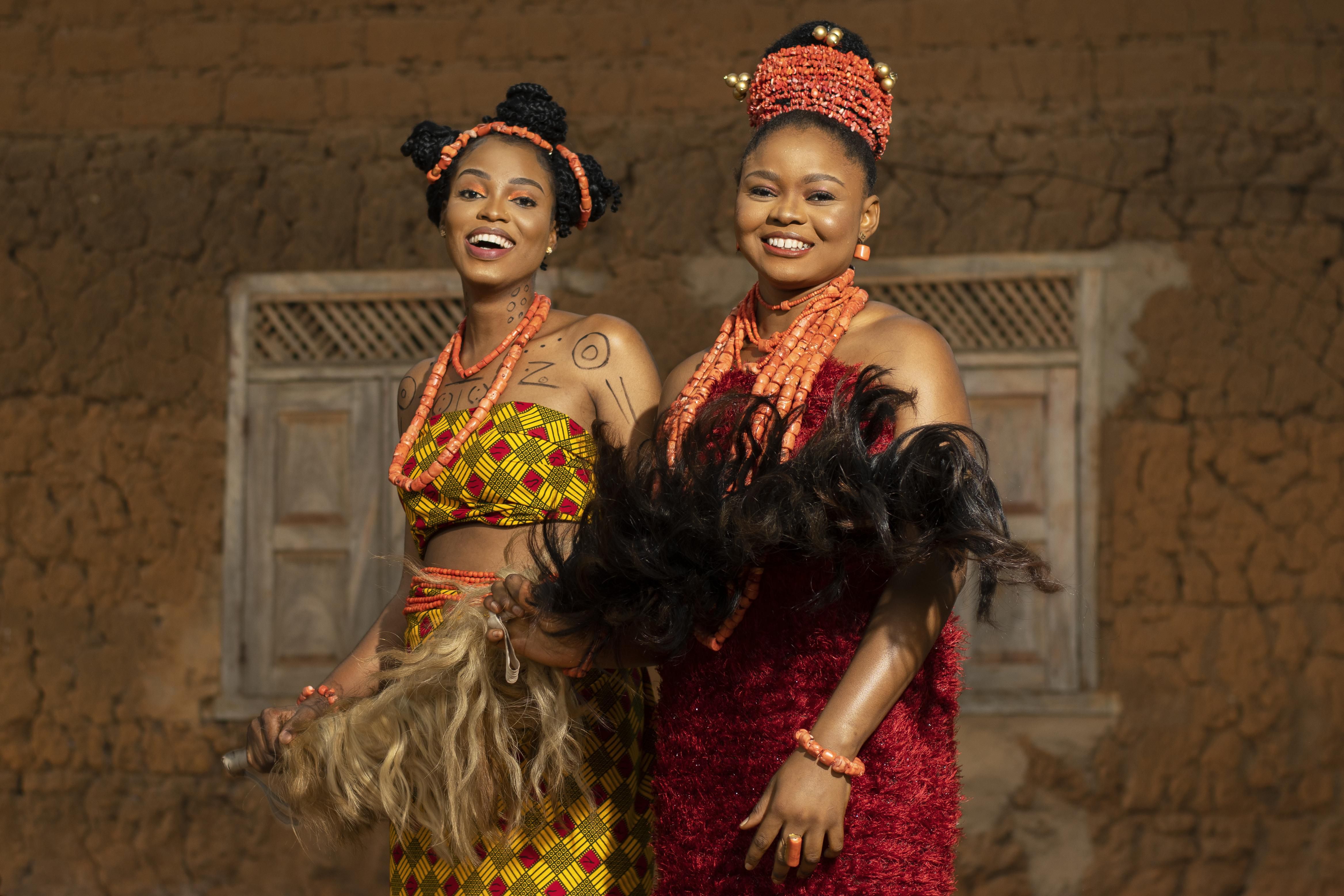
In many Igbo communities, family lineage, inheritance of land and property and the continuity of the family name depend on male children. When a family has no male child, or when a husband dies leaving no male heir, the family risks losing its name, land rights and social standing. Woman-to-woman marriage originated as a response to this pressure.
Woman-to-woman marriage is allowed where the family has no child or male child. The institution was not created to facilitate gay marriage. This type of marriage is simply an instrument for the preservation and extension of patriarchy and its tradition.
Another important driver of this marriage arrangement is property ownership and control. A woman who can act as a “female husband” may gain social authority, control property and ensure her estate continues within her chosen line. In a patriarchal system where men traditionally dominate inheritance and household authority, this arrangement allows women to secure their lineage and wealth.
Anthropologists and historians observe that social roles in pre-colonial African societies were more flexible than one might assume. The concept of gender roles being strictly male versus female did not always align with lived practice.
Woman-to-woman marriages show how roles could shift in order to meet social necessities such as producing heirs, securing family inheritance, or sustaining a household.
How Woman-to-Woman Marriage Works in Practice
Woman-to-woman marriage in Igbo culture follows a clear and respected traditional process that mirrors a regular marital union, except that the “husband” in this case is a woman. The custom is guided by Igbo customary law and rooted in the social need to preserve a family’s lineage.
The arrangement usually begins when a woman, often a widow or an older woman without male heirs decides to “marry” another woman. Her primary motivation is to ensure that children are born to continue her late husband’s name or her own family line. She takes on the role of a female husband, not for romantic reasons but for family continuity and inheritance purposes.
The process starts with the payment of bride price to the family of the younger woman, just as in traditional marriages involving men. The bride price establishes the legitimacy of the union and confers social recognition on the female husband. In many Igbo communities, this transaction is accompanied by traditional ceremonies, symbolic gifts and blessings from elders, making the marriage socially binding.
Once the marriage is formalized, the younger woman, often referred to as the wife is permitted to choose a male partner to impregnate her. The male partner may be selected by mutual agreement or with the female husband’s consent. Importantly, the biological father has no claim to the children born from this arrangement. By Igbo custom, these children belong to the female husband and bear her family name.
The female husband assumes full responsibility for the upbringing, welfare and inheritance rights of the children. She provides for the wife and her offspring, just as any husband would, ensuring they are recognized as legitimate members of her household. She may also take pride in being called “father” by the children, a title that reflects her elevated social status in the arrangement.
In some communities such as Nnewi, Arochukwu and Nsukka, the female husband gains full social privileges typically reserved for men. She can inherit property and even act as a family head. This new status is not a change in gender identity but rather a social role transformation granted by custom to protect family interests.
In essence, woman-to-woman marriage operates as both a family preservation mechanism and a form of female empowerment. It allows women to secure their lineage, maintain economic stability and occupy respected positions in their communities, all within the boundaries of accepted tradition.
Where the Practice Exists in Igboland
The practice of woman-to-woman marriage is not limited to one part of Igboland. It has been observed across several Igbo communities, especially where traditional customs and inheritance laws remain deeply respected. Although the intensity and frequency of the practice vary from place to place, the idea behind it, that is, the preservation of lineage and inheritance through socially sanctioned means remains the same.
In Nnewi, a town known for its strong lineage systems and entrepreneurial culture, woman-to-woman marriage has long been recognized as a legitimate traditional institution. Historical accounts and oral traditions reveal that wealthy widows or women without sons often married younger women to ensure that their late husbands’ names and inheritance did not fade away. The children born from such unions were regarded as full heirs of the female husband’s lineage.
Similarly, in Arochukwu, a community rich in Igbo heritage and history, the custom served as a means to maintain family continuity and social balance. Women who had attained wealth and influence could marry other women and sustain their family line, thereby preventing the redistribution of property or lineage extinction.
In Nsukka and surrounding areas of northern Igboland, the tradition also existed, though practiced quietly. It was considered a dignified way for widows and childless women to maintain their social standing while ensuring that their husband’s lineage remained active. Local oral histories confirm that such marriages were often respected by the community and conducted with all necessary customary rites.
Beyond these well-documented areas, traces of the practice have also been reported in Ngwa, Awgu, and Ohafia regions, among others. In each of these communities, the arrangement followed the same cultural logic. An adaptive social solution that empowered women to act within the accepted norms of Igbo society.
Though the practice has declined significantly in modern times due to changing family structures, Christianity and legal reforms, its historical presence across various parts of Igboland demonstrates the flexibility and pragmatism of Igbo tradition. It shows how the culture could creatively address issues of inheritance and family continuity while preserving social order and respect for women’s roles within the community.
Social and Gender Implications of Woman-to-Woman Marriage

The practice of woman-to-woman marriage in Igbo culture carries deep social and gender meanings that go far beyond its surface appearance. It challenges conventional notions of gender roles, redefines social power for women and reflects the flexibility of traditional Igbo society in addressing issues of inheritance, continuity and identity.
At the heart of the arrangement is social responsibility. In Igbo tradition, every family is expected to sustain its lineage and contribute to the community’s growth. When a man dies without a male heir, it is considered a serious issue because it threatens the continuity of his name and property. Woman-to-woman marriage provides a culturally acceptable solution to this problem, allowing women to step into roles normally reserved for men without upsetting the moral or social order of the community.
For the female husband, this role comes with both privilege and duty. She gains the authority to own property, make family decisions and represent her lineage in village matters. Her new status often elevates her to a position of respect similar to that of male elders. Yet, this recognition is not a claim to masculinity. It is a social elevation based on necessity and function. The female husband becomes a bridge between traditional expectations and the realities of family survival.
From a gender perspective, woman-to-woman marriage is a striking example of female agency and empowerment within a patriarchal system. In a society where inheritance and social leadership often follow male lines, the custom allowed women to take control of their destinies, secure their family’s wealth and preserve their names through legitimate cultural means. It gave women the power to make choices about lineage, family structure and property. These are areas traditionally dominated by men.
At the same time, the practice also reinforces the patrilineal foundation of Igbo society. Even though a woman could act as a husband, her primary role in the arrangement was still linked to ensuring male heirs for her family. This means the custom, while empowering, still operated within the boundaries of a patriarchal worldview where lineage continuity through male descendants remained the ultimate goal.
Socially, woman-to-woman marriage enjoyed wide acceptance within communities where it existed. The children born from such unions were never stigmatized. They were seen as legitimate heirs of the female husband’s lineage. The arrangement also promoted community stability, ensuring that widows and childless women were not left vulnerable or excluded. By assuming male roles, women could retain economic power, protect family property and command respect from both men and women.
In essence, woman-to-woman marriage in Igbo culture reveals a society capable of balancing tradition with adaptation. It shows that gender in Igbo cosmology is not merely biological but socially constructed, allowing roles to shift when family or lineage survival is at stake.
This flexibility gave women a unique form of authority and influence, making the practice one of the most intriguing examples of traditional gender dynamics in African societies.
Legal Perspectives, Recognition and Modern Challenges
In traditional Igbo society, woman-to-woman marriage was a legitimate and socially recognized institution. It was governed by customary law which carried the same weight as civil law within the community. Once the bride price was paid and the necessary rites performed, the marriage was seen as binding, and the children born from it were legally regarded by customary standards as belonging to the female husband’s lineage.
However, the arrival of colonial rule and Western legal systems in Nigeria brought significant changes to how such traditional practices were viewed. British colonial administrators and Christian missionaries often misunderstood or dismissed woman-to-woman marriage, seeing it through the lens of Western marriage ideals which emphasized romance and heterosexual union. As a result, the practice began to lose formal recognition under colonial and later postcolonial legal systems.
Today, under Nigerian statutory law, woman-to-woman marriage is not officially recognized. The Marriage Act recognizes only unions between a man and a woman. This means that while customary marriages, including woman-to-woman unions may still be acknowledged socially within certain communities, they carry no legal standing in the formal judicial system. Issues of inheritance, property ownership and parental rights arising from such arrangements can, therefore, become legally complicated.
Despite this, many customary courts and local councils in parts of Igboland continue to respect and uphold the traditional principles behind woman-to-woman marriage. In these settings, the custom remains valid because it aligns with the community’s values of lineage preservation and family responsibility. Some courts have even used customary precedents to decide inheritance disputes in favour of children born under woman-to-woman marriages, recognizing the cultural legitimacy of the practice even if statutory law does not.
Modern challenges also stem from social and religious transformations. The spread of Christianity and modern education has led many people to reject woman-to-woman marriage as outdated or morally questionable, largely due to misconceptions equating it with same-sex relationships. Yet, those who understand its cultural logic emphasize that it has nothing to do with sexual orientation and everything to do with family continuity and social duty.
Furthermore, urbanization and the rise of nuclear family structures have weakened the communal systems that once supported such marriages. Younger generations, especially in cities, often view lineage preservation differently, relying on wills, adoption or legal reforms rather than traditional marital arrangements.
In contemporary Igboland, therefore, woman-to-woman marriage stands at a crossroads where it is respected as heritage but challenged by modern realities. It remains a fascinating example of how indigenous institutions once provided solutions to complex social issues, even though today, they must coexist with formal laws that do not recognize them.
Ultimately, the legal and social debates surrounding woman-to-woman marriage reveal the broader tension between customary law and modern legislation in Nigeria. While statutory law may not validate the practice, the enduring respect it commands in certain communities underscores its historical relevance and the need for ongoing dialogue about the coexistence of tradition and modernity in Nigerian family life.
Benefits and Limitations of the Practice

Woman-to-woman marriage in Igbo culture served several important social, economic and familial purposes. It was not merely a symbolic tradition but a practical solution to challenges that could destabilize a family or lineage. At the same time, like many traditional systems, it had its own limitations and areas of contention, especially as society evolved.
One of the main advantages of woman-to-woman marriage was lineage preservation. In a culture where continuity of the family name and inheritance was crucial, the practice offered a dignified way to ensure that a man’s line did not end simply because he had no male heirs. By marrying another woman, a widow or childless woman could continue her husband’s name and family identity without violating social norms.
It also provided economic and social stability for widows and women without sons. Rather than being marginalized or forced to return to their father’s homes, women could establish themselves as heads of households. The role of a female husband came with authority, control over property and the ability to make family decisions which elevated her social standing and protected her from dependency or poverty.
The practice also reflected an early form of female empowerment within a patriarchal system. By taking on roles typically reserved for men, women could exercise influence in family and community matters. They could own property, represent their households in meetings and command respect from both men and women. In this sense, woman-to-woman marriage gave women a legitimate cultural pathway to leadership and independence.
Moreover, the custom contributed to social order and community harmony. It ensured that families without male heirs were not left without direction, preventing disputes over inheritance or property redistribution. The legitimacy given to children born from such unions also reduced the risk of family conflicts or stigmatization.
But then, despite its benefits, woman-to-woman marriage was not without challenges. One major limitation lies in its patriarchal foundation. Although it offered women a degree of power, that power was often tied to their ability to fulfill a male social role, specifically, the duty of continuing a man’s lineage. The ultimate goal remained the production of male heirs which reinforced rather than challenged the gender bias in inheritance and family succession.
Another challenge was the potential for conflict within such arrangements. Disagreements could arise between the female husband and the younger wife, especially over choice of partners, childbearing expectations or property issues. In cases where the female husband failed to provide financial support, the arrangement could collapse, leading to social tension or community intervention.
With modernization, woman-to-woman marriage also faces the problem of legal non-recognition. Under Nigerian statutory law, these unions have no legal standing. This creates difficulties in inheritance disputes, child custody issues or property claims, especially when families become urbanized and rely on formal legal systems rather than customary courts.
The decline of traditional authority and the spread of Christianity have further weakened the practice. Many now associate it with outdated customs or misunderstand it as a form of same-sex relationship which attracts social stigma in more conservative settings. Younger generations, influenced by modern values rarely consider it a viable solution to family continuity.
In summary, woman-to-woman marriage was a creative and functional institution that served specific cultural needs in Igbo society. It empowered women within the boundaries of custom, preserved family lines and promoted social harmony.
Yet, its dependence on traditional gender hierarchies and lack of recognition in modern law have limited its relevance today. Still, as a historical and cultural institution, it remains a powerful example of how Igbo society adapted social roles to maintain balance, continuity and respect within the family system.
Modern Relevance of Woman-to-Woman Marriage
In today’s Igbo society, woman-to-woman marriage has become increasingly rare. Yet, it continues to hold cultural, historical and symbolic relevance. While modernization, Christianity and legal reforms have transformed family structures and gender roles, the underlying values that inspired this practice, which are lineage preservation, social responsibility and women’s resilience remain deeply embedded in Igbo life.
Many elders and cultural scholars view woman-to-woman marriage as a reflection of Igbo pragmatism – the ability of the culture to adapt creatively to social problems. The practice shows that the Igbo people valued continuity and family legacy so highly that they devised a system to ensure it, even when traditional gender expectations made it difficult. In this way, woman-to-woman marriage stands as a reminder of the flexibility and inclusiveness of Igbo customary law.
Although it is no longer common, some rural communities still recognize the legitimacy of such unions under customary law. These marriages continue to serve practical purposes in certain cases, especially where widows wish to retain control of family property or preserve their late husband’s lineage. The arrangement remains culturally acceptable in those settings, though often conducted quietly and with less ceremony than in the past.
In the modern era, woman-to-woman marriage has also become a subject of academic interest and feminist interpretation. Scholars often highlight it as evidence that African societies, long before Western gender debates, already had systems that allowed women to hold power, own property and lead families within their own cultural frameworks. This challenges stereotypes that precolonial African societies were entirely rigid or male-dominated.
From a social standpoint, the idea behind woman-to-woman marriage continues to resonate in modern family adaptations. Today, widows and childless women may achieve similar goals through adoption, fostering or inheritance reforms that allow daughters to inherit property. While the methods have changed, the motivation, that is, to ensure family continuity and maintain social dignity remains much the same.
At the same time, the decline of traditional authority and the influence of Western legal systems mean that such marriages no longer enjoy formal recognition. Younger generations, especially those in urban areas tend to see the practice as outdated, partly due to religious beliefs and the misinterpretation of its intent.
Yet, in cultural discussions and heritage preservation circles, woman-to-woman marriage continues to be celebrated as part of the rich tapestry of Igbo tradition. A system that gave women power, agency and respect in ways that were both practical and progressive for its time.
In essence, while woman-to-woman marriage may no longer function as a common social institution, its legacy lives on. It remains a powerful symbol of women’s ingenuity and strength within Igbo culture, illustrating how tradition once provided a framework for addressing complex family and social issues.
As researchers, feminists and cultural custodians revisit these indigenous practices, woman-to-woman marriage continues to offer valuable lessons on gender roles, inheritance and the dynamic balance between tradition and modernity in African societies.
Understanding the Deeper Meanings
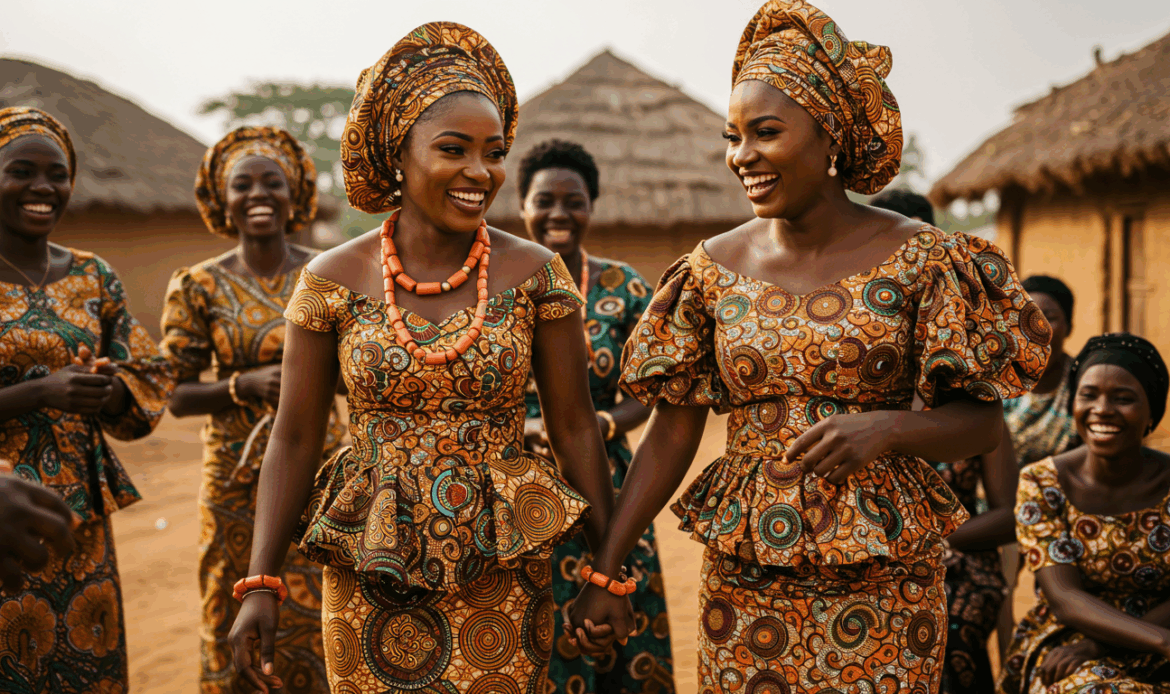
Beyond its surface structure, woman-to-woman marriage in Igboland carries profound social, cultural and symbolic meanings that reflect the values and worldview of the Igbo people. It was never a romantic or sexual arrangement but rather a strategic social institution built around the preservation of lineage, inheritance and family reputation.
At its core, the practice reveals how the Igbo conceived of kinship and continuity. For the Igbo, a person’s worth was tied not just to individual achievements but also to their contribution to the survival of the family name. Woman-to-woman marriage provided an alternative pathway for women, especially widows and those without male children to sustain their family’s lineage, protect ancestral land and ensure their place within the social structure.
Spiritually and symbolically, the practice also speaks to the balance of gender roles in traditional Igbo thought. Igbo cosmology recognizes both masculine and feminine energies as essential forces that coexist in every individual and in the community at large. By allowing a woman to assume the “male” social role of husband, the culture demonstrated its flexibility in assigning roles based on necessity, responsibility and capacity, not strictly on biological sex.
Also, woman-to-woman marriage highlights the agency and resilience of women in a patriarchal society. It gave women an avenue to acquire wealth, social standing and authority in a system that otherwise limited their public roles. Through it, women could make decisions, manage property and build families, proving that leadership and legacy were not exclusive to men.
On a deeper cultural level, the institution mirrors the Igbo people’s collective approach to problem-solving. Rather than allowing childlessness, widowhood or lineage extinction to create social disorder, the community devised a solution that upheld both tradition and fairness. This ingenuity reflects the Igbo belief that societal issues should be met with pragmatic, community-centered solutions.
Today, understanding these deeper meanings allows for a more nuanced appreciation of woman-to-woman marriage, not as a relic of the past, but as a symbol of cultural intelligence and social adaptability. It reminds us that traditional African societies possessed complex systems for managing family life, gender and inheritance long before external influences arrived.
In that sense, the practice stands as a testament to the wisdom, creativity and balance that define Igbo civilization.
In Conclusion…
Woman-to-woman marriage in Igbo culture stands as one of the most fascinating and misunderstood traditional institutions in African history. Far from being a romantic or unconventional relationship, it was a strategic cultural system built around the values of lineage preservation, inheritance and social stability. Through this practice, Igbo people demonstrated remarkable flexibility and intelligence in addressing social challenges that might have otherwise disrupted family and community life.
At its heart, woman-to-woman marriage reflected the resilience and agency of women in traditional society. It offered widows, wealthy women and those without male heirs a dignified path to sustain their lineage, retain their property and uphold their family’s name. In doing so, it expanded the boundaries of womanhood, proving that leadership, legacy and social authority were not the exclusive domain of men.
Though modernization, Christianity and evolving legal systems have largely pushed the practice into decline, its legacy remains powerful. It continues to inspire discussions about gender, identity and the role of women in cultural history. It also challenges modern assumptions about precolonial African societies, reminding us that traditional systems often contained layers of wisdom, pragmatism and fairness that are still relevant today.
Ultimately, woman-to-woman marriage in Igboland symbolizes the depth of Igbo thought and the ingenuity of African culture. It tells a story of how people, guided by community values and a sense of continuity, could craft solutions that balanced individual rights, family honour and collective survival.
In a modern world still grappling with issues of gender equality and inheritance, this age-old practice offers enduring lessons on adaptability, respect for tradition and the boundless strength of women within African society.
References
- https://www.jpanafrican.org/docs/vol5no1/5.1Female.pdf
- https://www.ikengajournal.com.ng/admin/img/paper/24_3-6.pdf
- https://rpublc.com/vol9-no1/woman-who-married-a-woman-igboland/
- https://www.euppublishing.com/doi/10.3366/ajicl.2024.0494
- https://gdoc.pub/doc/1yLgDHwcf6MiYU4dnWQYZju0o0_f8Hf47gLmmbv-UulE
You might want to check this out…