



Economy
10 Most Urbanized and Economically Active Cities in the South-East

Read this friendly, well-researched guide to the most urbanized and economically active cities in Nigeria’s South-East (Igboland). For each city you’ll find location, latest population estimates, main economic activities, key urban landmarks and what makes the city tick.

The South-East region of Nigeria is home to some of the most urbanized and economically active cities in the country. Known for their energy, creativity and entrepreneurial spirit, these cities form the heartbeat of Igboland. A region celebrated for its industry and resilience.
From the bustling commercial markets of Onitsha and Aba to the serene academic atmosphere of Nsukka and the rapidly developing streets of Abakaliki, the South-East tells a story of growth, adaptation and ambition.
Over the past few decades, urbanization has transformed these cities from traditional towns into thriving modern centres of trade, education, governance and innovation. They are not just places where people live, they are places where ideas are born, goods are made and progress is shaped daily.
This article takes you on a journey through the 10 most urbanized and economically active cities in the South-East, highlighting their locations, populations, key industries and major landmarks.
Each city brings something unique to the table, whether it’s the commercial energy of Onitsha, the manufacturing power of Nnewi, the educational influence of Nsukka or the administrative role of Awka and Umuahia.
Together, these most urbanized and economically active cities represent the future of southeastern Nigeria – a region blending deep tradition with modern growth and proving that the Igbo spirit of enterprise continues to drive Nigeria’s development story.
Criteria for Selection
To determine the most urbanized and economically active cities in the South-East, several key factors were carefully considered. The goal was to capture not just population size, but also the true measure of a city’s social, commercial and infrastructural vibrancy.
First, urbanization level played a major role, focusing on cities with modern infrastructure, planned layouts, transportation networks and a concentration of public amenities such as schools, hospitals and administrative offices.
Next was economic activity – cities that serve as major hubs for trade, manufacturing, services, or education. The vibrancy of local markets, industries and emerging business opportunities were all analyzed.
Population density and migration trends was also factored in. Cities that attract people from neighbouring towns and states for work, business or education clearly demonstrate higher urban appeal and economic potential.
Lastly, regional importance was considered. Some cities may not be the largest, but they hold strategic influence, either as state capitals, industrial powerhouses or academic centres.
By combining these factors, this list highlights the cities that best represent progress and productivity in southeastern Nigeria, that is, the ones truly shaping the region’s economic and social landscape.
1. Onitsha – Commercial powerhouse

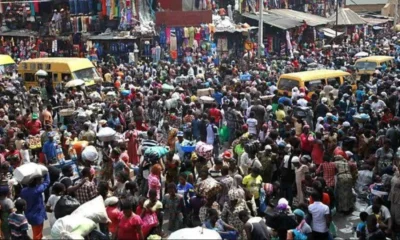
Onitsha stands tall among the most urbanized and economically active cities in southeastern Nigeria. Perched on the eastern bank of the River Niger, this vibrant city is a major commercial hub known for its relentless trade, bustling markets and strong entrepreneurial culture.
With a population running into millions and a daily influx of traders from across West Africa, Onitsha perfectly represents the spirit of business and urban growth that defines the South-East, hence it’s inclusion in the list of most urbanized and economically active cities in Igboland.
Location: On the east bank of the Niger River in Anambra State.
Population (recent estimate): ~1.7 million in the urban area (2024–2025 estimates). ‘
Major economic activities:
- Wholesale and retail trade (Onitsha Main Market is one of West Africa’s busiest trading hubs).
- Import and distribution of goods across Nigeria e.g. fabrics, electronics, household items, foodstuff.
- Transport and logistics due to the riverside and road links to the rest of the country.
Urban landmarks:
- Onitsha Main Market (huge market complex).
- Niger River bridges and waterfront transport nodes.
- Growing financial and logistics businesses that service the wider Southeast and neighboring states.
The mix of commerce, density and transport connections makes Onitsha the most obvious example of a highly urbanized, economically active city in the region.
2. Aba – Industrial and Craft Hub

Aba ranks high among the most urbanized and economically active cities in the South-East, celebrated for its ingenuity, craftsmanship and thriving small-scale industries.
Often called the “Japan of Africa,” the city is famous for its locally made goods. From shoes and clothing to leather products and machinery parts.
With its ever-busy markets and creative artisans, Aba remains a true symbol of Igbo enterprise and industrial resilience, making it a good fit into the list of the most urbanized and economically active cities in the southeast.
Location: Abia State.
Population (recent estimate): Metro/urban estimates range from ~1.2 million to 1.3 million (2024 – 2025 projections).
Major economic activities:
- Manufacturing and small-scale industry (leatherwork, shoes, textiles, metal works).
- Artisan clusters and markets that supply goods across Nigeria and West Africa.
- A major centre for informal and formal SMEs.
Urban landmarks:
- Ariaria International Market area (a sprawling industrial market for shoes and leather goods).
- Growing road and light industrial infrastructure.
- Aba’s strength is its dense network of manufacturers and craftsmen who keep goods flowing to markets nationwide.
3. Enugu – Administrative and Educational City
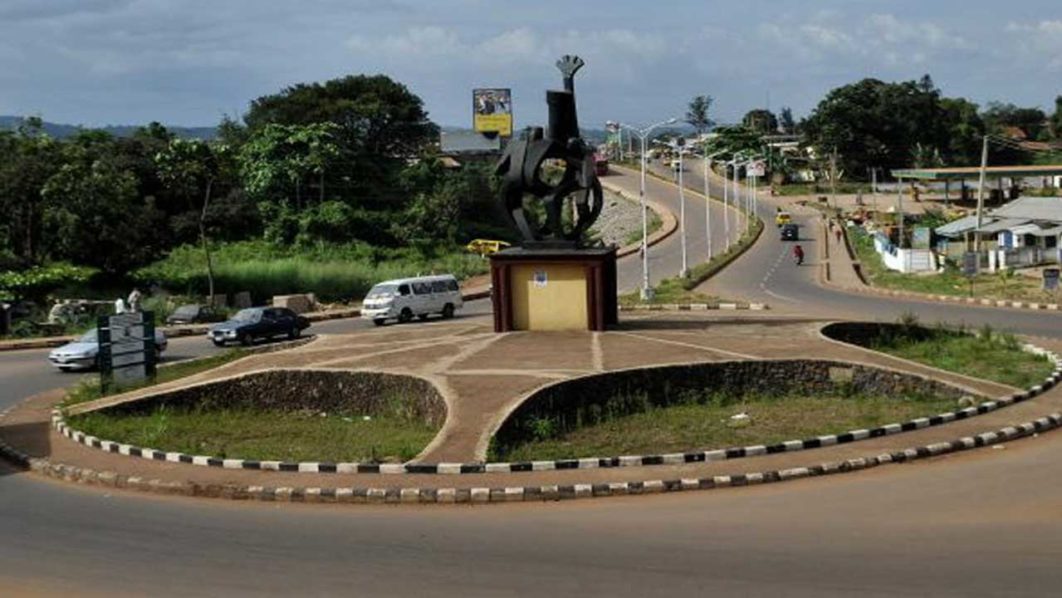
Enugu, fondly known as the Coal City or 042 is one of the most urbanized and economically active cities in southeastern Nigeria. Once the capital of the old Eastern Region, it remains a major centre for administration, education and culture.
With its organized layout, growing real estate sector and several higher institutions, Enugu blends modern urban life with historical charm, making it both a political hub and a beacon of learning in the South-East.
Location: Central South-East, capital of Enugu State.
Population (recent estimate): ~876,000–907,000 (2024 – 2025 city/metro estimates).
Major economic activities:
- Government and public administration (State capital).
- Education and healthcare (universities, teaching hospitals).
- Trade, services and a growing private sector (hotels, small manufacturing).
Urban landmarks & notes:
- Coal City heritage sites, main administrative buildings and university communities.
- The mix of civic institutions and private businesses gives Enugu steady economic activity beyond pure trading towns.
4. Owerri – Growing Service and Entertainment Centre
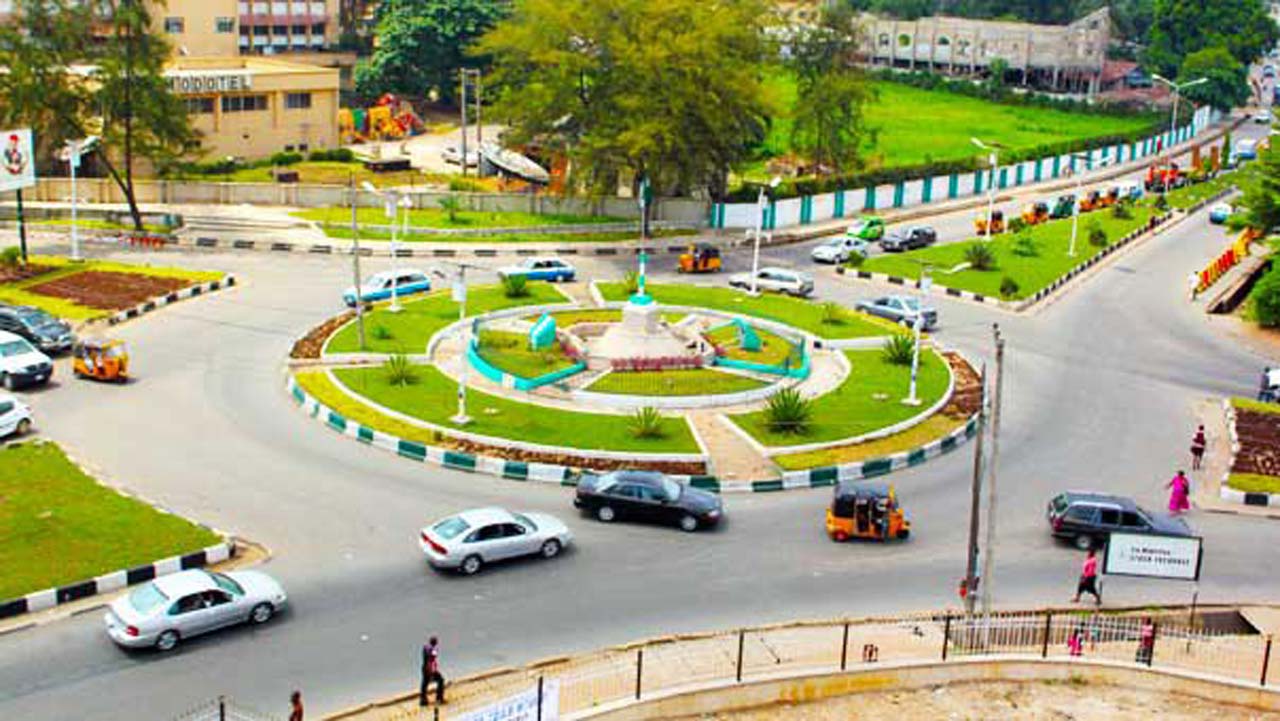
Owerri has evolved into one of the most urbanized and economically active cities in the South-East known for its lively atmosphere, hospitality industry and expanding service sector.
As the capital of Imo State, the city has an appreciable concentration of modern hotels, recreational spots and business centres that attract visitors from across Nigeria.
With its youthful energy and vibrant nightlife, Owerri is fast becoming the region’s go-to destination for leisure, events and urban lifestyle, and as such, qualifies to be among the most urbanized and economically active cities in the southeast.
Location: Capital of Imo State, south-central Igboland.
Population (recent estimate): Urban area estimates around 1.0–1.06 million (2024 – 2025 projections).
Major economic activities:
- Services (hotels, hospitality, entertainment).
- Government administration and commerce.
- Local retail, construction and small manufacturing.
Urban landmarks:
- Leisure and hospitality zones, modern estates and several higher institutions.
- Owerri is often viewed as a regional hub for nightlife, conferences and events which supports hospitality and small business growth.
5. Nnewi – Industrial Manufacturing Town

Nnewi City, Anambra State
Nnewi stands out as one of the most urbanized and economically active cities in the South-East, renowned for its strong industrial and manufacturing base.
Often referred to as the “Japan of Africa,” the city is home to numerous indigenous factories producing automobile parts, machinery and consumer goods.
Its thriving entrepreneurial culture and locally owned industries, plus a teaching hospital have made Nnewi a symbol of self-reliance, innovation and economic strength in Igboland, hence, its inclusion in the list of the most urbanized and economically active cities in Igboland.
Location: Southeast of Onitsha in Anambra State.
Population (recent estimate): Estimates vary. Many sources place Nnewi’s metro population above 1.0 million while some projections for 2024 – 2025 range around ~1.3 million.
Major economic activities:
- Manufacturing of auto parts, electrical goods, and other light engineering products.
- Home to many native manufacturing firms and spare-parts clusters.
- Trade networks that export parts and goods across Nigeria.
Urban landmarks:
- Dense industrial estates and family-owned factories.
- Reputation as an indigenous manufacturing hub, sometimes, called the industrial heart of the Southeast.
6. Awka – Administrative Growth Centre and University Town

Awka is one of the most urbanized and economically active cities in the South-East serving as both the administrative capital of Anambra State and a hub for education.
The city combines government institutions, bustling markets and growing real estate developments, while its proximity to universities and colleges adds a youthful and dynamic energy.
The blend of administration, commerce, and learning makes Awka a key driver of regional growth and a good fit among the most urbanized and economically active cities in the southeast.
Location: Anambra State capital, between Onitsha and Enugu.
Population (recent estimate): Local government and city-area figures vary. Several recent projections put combined Awka LGA population in the hundreds of thousands, with broader urban influence in the low millions across neighboring LGAs.
Major economic activities:
- Government services (state capital).
- Education (nearby universities and colleges) and commerce.
- Construction and growing real estate development.
Urban landmarks:
- Eke Awka market (busy city centre market).
- Rapid municipal expansion and road connections that link Awka to major trade corridors.
7. Umuahia – Agricultural and Market Centre
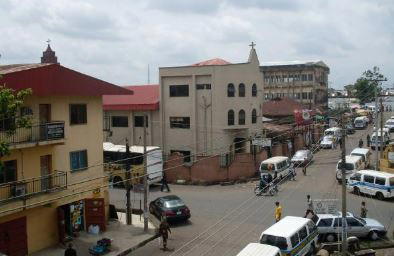
Umuahia is among the most urbanized and economically active cities in the South-East known for its thriving markets and agricultural trade.
As the capital of Abia State, the city serves as a hub for yam, cassava and palm produce, connecting farmers to buyers across the region.
With its growing infrastructure and vibrant local economy, Umuahia remains a key centre for commerce, trade and rural-urban interaction, and a must-include among the most urbanized and economically active cities in southeastern Nigeria.
Location: Abia State capital, between Aba and Enugu.
Population (recent estimate): Urban/metro estimates range near 900,000 – 990,000 in 2024 -2025 projections.
Major economic activities:
- Agriculture and agro-processing being a major market town for yams, cassava, palm products.
- Education and research (National Root Crops Research Institute nearby).
- Local industries (brewery, palm-oil processing, small manufacturing).
Urban landmarks:
- Transport nodes linking the town to Port Harcourt and Enugu.
Markets in Umuahia draw traders from surrounding states, supporting a lively urban economy.
8. Abakaliki – State Capital with Fast Growth

Abakaliki is one of the most urbanized and economically active cities in the South-East steadily transforming into a modern urban centre.
As the capital of Ebonyi State, the city has seen rapid growth in infrastructure, commerce and public services.
Its bustling markets, expanding road networks and emerging businesses reflect the city’s economic vibrancy, making Abakaliki a key player among the region’s most urbanized and economically active cities.
Location: Capital of Ebonyi State, southeast of Enugu.
Population (recent estimate): Urban/metro estimates around 660,000 – 723,000 (2024 – 2025 projections).
Major economic activities:
- Government administration (state capital).
- Agriculture (notably rice and yam belts) and agro-processing.
- Trade and construction as the city expands.
Urban landmarks:
- Abakaliki’s Azugwu Hill and the growing city centre.
The city has seen notable infrastructure development because it is a relatively new state capital with active investment.
9. Nsukka – Education and Research Hub
Nsukka is one of the most urbanized and economically active cities in the South-East largely driven by education and research.
Home to the prestigious University of Nigeria, Nsukka attracts students, academics and researchers from across the country, fueling a vibrant local economy.
The city’s educational institutions, supporting businesses and lively student communities make Nsukka a standout example of how learning, innovation and urban growth combine to create one of the South-East’s most urbanized and economically active cities.
Location: Northern Enugu State, home of the University of Nigeria, Nsukka (UNN).
Population (recent estimate): LGA/urban projections vary. Many estimates place Nsukka’s local government population in the hundreds of thousands (projected ~400k+ for the wider LGA by the early 2020s).
Major economic activities:
- Education and student-driven services (UNN is a very large university).
- Agriculture and trade (the town supports surrounding farming communities).
- Small industries and crafts that serve the university and local market.
Urban landmarks:
- University of Nigeria campus (major driver of local economy).
- Research centres and student housing that support many local businesses.
10. Okigwe – Strategic Transport and Agricultural Town

Okigwe is one of the most urbanized and economically active cities in the South-East known for its strategic location and thriving agricultural markets.
Serving as a key transit point between Enugu, Owerri and Umuahia, Okigwe supports the movement of goods and people across the region.
Its bustling markets, agricultural trade and growing urban infrastructure make it a vital centre of commerce and connectivity, truly reflecting the qualities of one of the urbanized and economically active cities in southeastern Nigeria.
Location: North-eastern Imo State, on routes between Enugu, Owerri and Umuahia.
Population (recent estimate): Local government area projections estimate Okigwe LGA population around 180 – 185k (2022 projections), and urban catchment areas give higher functional population counts.
Major economic activities:
- Transport and logistics. Cattle transit and market linkages.
- Agriculture and local trade markets.
- Education and small businesses.
Urban landmarks:
- Okigwe cattle market and railway line connections make it a transit and collection point for goods moving across the South-East and beyond.
Short Comparative Snapshot
To understand the dynamics of the most urbanized and economically active cities in the South-East, it helps to look at a quick comparison. Each city contributes uniquely to the region’s growth.
Some lead in trade and manufacturing, while others excel in administration, education, or services. This snapshot highlights how population, industry, markets and infrastructure come together to define the urban and economic vitality of these South-Eastern cities.
- Trade & markets: Onitsha and Aba lead as pure trade and manufacturing powerhouses.
- Industry & manufacturing: Nnewi and Aba remain the region’s industrial engines.
- Government & services: Enugu, Awka, Umuahia and Abakaliki host State government functions and public services that provide steady urban employment.
- Education & research: Nsukka (UNN) and parts of Enugu bring university-driven economies to their cities
In Conclusion…
The South-East of Nigeria is home to some of the most urbanized and economically active cities in the country, each contributing uniquely to the region’s growth and development. From the bustling trade hubs of Onitsha and Aba to the industrial powerhouse of Nnewi, the administrative centres of Enugu, Awka, and Umuahia, and the educational and research-driven city of Nsukka, these cities showcase the perfect blend of population density, commerce, infrastructure, and innovation.
Together, they reflect the vibrant economic spirit of Igboland – a region where entrepreneurship thrives and urban growth continues at an impressive pace.
Whether through trade, industry, education or services, these cities remain central to the South-East’s social and economic progress, cementing their status as the most urbanized and economically active cities in southeastern Nigeria.
Exploring these cities offers insight not only into their individual strengths but also into the collective force driving the region’s prosperity and influence across Nigeria and West Africa.
References
- https://en.wikipedia.org/wiki/Onitsha
- https://en.wikipedia.org/wiki/Enugu
- https://en.wikipedia.org/wiki/Owerri
- https://en.wikipedia.org/wiki/Nnewi
- https://en.wikipedia.org/wiki/Awka?
- https://en.wikipedia.org/wiki/Umuahia
- https://en.wikipedia.org/wiki/Abakaliki
- https://en.wikipedia.org/wiki/Nsukka
- https://en.wikipedia.org/wiki/Okigwe?utm_source=chatgpt.com
You might want to check this out…