
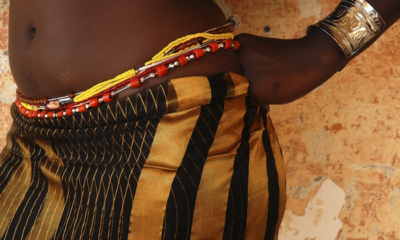

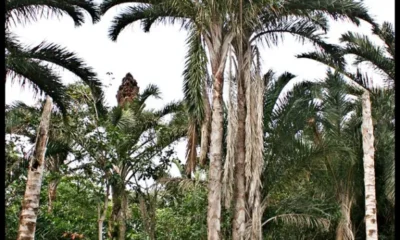



History and heritage
Nkanu: A Cultural Sub-Ethnic Igbo Region

Nkanu! A warm and proud Igbo settlement in Enugu State. Let’s explore the history, geography, communities, leadership, economy, markets, beliefs, festivals, food, landmarks, notable and other things about Nkanu.

Nkanu is one of the most culturally vibrant sub-ethnic Igbo communities in southeastern Nigeria known for its rich traditions, strong communal values and deep sense of identity.
Located in Enugu State, Nkanu represents a cluster of closely related towns and villages that share a common ancestry, dialect and customs. Its people are widely admired for their industrious spirit, hospitality and commitment to education and development.
Over the years, Nkanu has preserved its heritage while adapting to changes, making it a fascinating example of cultural continuity in a rapidly evolving society.
This article explores the history, geography, economy, leadership and colourful traditions of Nkanu people, shedding light on what makes their community truly unique within the larger Igbo nation.
A Brief History of Nkanu
The history of Nkanu is deeply rooted in the ancient civilization of Igbo people of southeastern Nigeria. Oral traditions, historical accounts and linguistic evidence trace the origin of the Nkanu people to the broader Waawa cultural group, a section of Igbo that occupies much of present-day Enugu State.
Like many Igbo sub-groups, Nkanu trace their ancestry to early settlers who migrated from the Udi Hills and surrounding highlands in search of fertile land, water sources and safety from conflicts and slave raids during pre-colonial times.
The word “Nkanu” is believed to have originated from a descriptive term that refers to the people’s rugged terrain and industrious nature. According to some oral accounts, Nkanu comes from “Ikanu,” meaning “strong” or “enduring,” a reflection of the people’s resilience and hardworking spirit. Others believe it might refer to the thick forests and farmlands that characterized the area before colonial contact.
Historically, Nkanu people lived in loosely organized village-republics, a political structure common among the Igbo. Each village or community governed itself through a council of elders, lineage heads, titled men and age grades. This decentralized system allowed for strong communal participation in decision-making, justice and social organization. Before the advent of British colonial rule, there was no centralized kingship. Leadership was earned through age, wisdom and service to the community.
The colonial era brought significant changes to Nkanu. With the creation of Enugu coal mines in the early 1900s, many Nkanu men worked as labourers, traders, and craftsmen in the growing colonial town of Enugu. The proximity of the area to Enugu City helped the area to become one of the earliest to experience Western education and Christianity in southeastern Nigeria. Missionaries established schools and churches across Nkanu land, introducing formal education while also transforming aspects of traditional religious life.
During the 1950s and 1960s, as Nigeria approached independence, Nkanu emerged as one of the most politically active and socially conscious groups in the Eastern Region. Prominent Nkanu sons and daughters played key roles in education, public administration and the movement for regional development. Nkanu community was later divided administratively into Nkanu East and Nkanu West Local Government Areas, both of which remain vital parts of Enugu State today.
Despite modern changes, the people of the area continue to cherish their ancestral roots and identity. Their customs, dialect and festivals remain strong symbols of their unity. Family lineage, village meetings and community solidarity are still central to life in Nkanu land, linking the past to the present and ensuring that the rich history of the people continues to inspire generations to come.
Location and Geography
Nkanu occupies a prominent place in the southeastern part of Nigeria within Enugu State, often described as the cultural heartland of the old Eastern Region. Geographically, Nkanu is made up of two major administrative areas – Nkanu East and Nkanu West Local Government Areas, with their headquarters at Amagunze and Agbani, respectively. Together, they form part of the Enugu cultural zone bordered by Enugu North and Enugu South LGAs to the north, Isi-Uzo to the east, Awgu to the west and Uzo Uwani to the northwest.
The landscape of Nkanu is a blend of rolling hills, fertile valleys and streams that flow gently through its many villages. The area is part of the Udi-Nsukka Plateau, a region known for its rich lateritic soil and scenic beauty.
This terrain gives the area a distinctive topography; hilly in some parts, with open lowlands that are ideal for agriculture. The famous Oji and Nyaba Rivers flow through the region, supporting farming, fishing and domestic activities.
Nkanu enjoys a tropical climate typical of southeastern Nigeria – rainy season (April to October) and dry season (November to March). The abundant rainfall makes the land very productive, supporting the cultivation of crops like yam, cassava, cocoyam, maize, vegetables and oil palm. The vegetation is largely derived savanna, a mix of forest and grassland which supports both crop farming and the rearing of small livestock.
The strategic location of Nkanu near Enugu City has greatly influenced its development. Many of the communities lie just a few kilometers from Enugu, the State capital, making them part of the fast-expanding urban belt of southeastern Nigeria. The area is well-connected by major roads, including the Enugu–Port Harcourt Expressway which passes through towns like Agbani and Ugbawka, linking Nkanu to other parts of the State and beyond.
Beyond its physical geography, Nkanu holds significant cultural geography. A symbolic landscape dotted with shrines, sacred forests, markets and ancestral meeting grounds that define community life.
The fertile soil, mild climate and natural beauty of the land have not only shaped the people’s economy but also their worldview and deep respect for the land that sustains them.
Communities that Make Up Nkanu

Nkanu is not a single town but a cluster of closely related Igbo communities bound by common ancestry, language and traditions. These communities form the cultural and social fabric of what is collectively known as Nkanu land.
Each town has its own unique history and customs. Yet, all share deep-rooted ties that reflect their shared heritage. Together, they make up one of the most historically significant and culturally vibrant regions in Enugu State.
Nkanu comprises of two administrative local government areas:
- Nkanu East: Amagunze (headquarters), Nomeh Unateze, Nara Unateze, Akpawfu, Ugbawka, Nkerefi, Mburubu, Owo, Ubahu, Amaechi Idodo, Ama Nkanu, Oruku, Ihuokpara and others.
- Nkanu West: Agbani (headquarters), Akpugo, Akegbe Ugwu, Obuoffia, Umueze, Obe, Amodu, Ozalla, Amurri and more. Agbani itself contains several villages and wards and serves as a centre for trade and education.
Traditional Leadership and Authority
Traditional leadership in Nkanu is built on a strong foundation of communal participation, respect for elders and ancestral customs. Like many other Igbo sub-ethnic groups, Nkanu people traditionally practiced a decentralized system of governance where authority was shared among family heads, councils of elders, titled men and age-grade associations rather than concentrated in a single ruler. This structure ensured that every village or community had a voice in decision-making and that leadership was based on wisdom, character and service to the people.
Before the advent of colonial rule, lineage heads (ndi isi ezi) and village elders (ndi ichie) played central roles in settling disputes, enforcing customary laws and preserving peace. Important communal matters were discussed in village assemblies or under sacred trees known as ọkwa where every adult male could contribute to deliberations. Spiritual authority was also significant as priests of local deities often advised leaders on issues of morality, justice and community welfare.
With the coming of British colonial administration in the early 20th century, the warrant chief system was introduced, marking a shift from purely traditional governance to a hybrid model that combined indigenous authority with colonial oversight. Some respected elders were appointed as warrant chiefs to represent their communities before colonial officers. Though controversial at the time, this system laid the groundwork for the modern chieftaincy institutions that exist today.
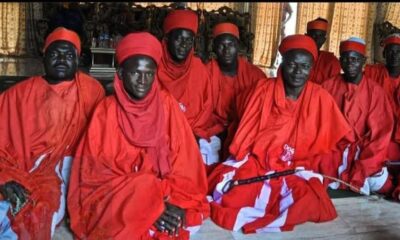
In contemporary Nkanu, many communities now have recognized traditional rulers, commonly addressed as Igwe, Eze, or Onyishi, depending on local preference. These traditional rulers serve as custodians of culture and symbols of unity, working alongside elected government officials to promote development and social harmony. They play vital roles in community mobilization, conflict resolution, and the preservation of Nkanu customs, festivals, and heritage.
Nkanu Traditional Rulers Council brings together traditional leaders from across Nkanu land to deliberate on cultural affairs, foster peace among communities and strengthen ties with the Enugu State government.
Despite modern political influences, traditional authority remains deeply respected in Nkanu. It continues to embody the people’s collective wisdom, moral values and enduring respect for ancestral order which together sustain the identity and cohesion of the people.
Economy and Resources
The economy of Nkanu area which covers the two Local Government Areas: Nkanu East and Nkanu West in Enugu State is largely agrarian with growing trade, education and service sectors. Agriculture, local commerce and natural advantages define its resource base and economic potential.
Farming remains the backbone of Nkanu economy. In Nkanu East LGA, main crops include cassava, yam, oil palm and vegetables. According to one local source,
“farming is an important aspect … with crops such as oil palm, cassava, yam, and vegetables grown in the area.”
In Nkanu West LGA, similar crops are highlighted: oil palm, cassava, yam, cocoyam. Trade in agricultural produce is also noted as flourishing.
Because of the fertile soil and favourable climate, many villages in he area are known as food-producing communities. For example, Mburubu in Nkanu East is described as “one of the food baskets of the State” with large output of palm oil produce, garri, cassava, yam and timber.
The State government’s agricultural policies are reaching into the area. In 2025, Enugu State government launched the “One Ward, One Smart Farm Estate” initiative. The pilot project is being executed in the Akpawfu community of Nkanu East LGA where hectares of farmland will be allocated for crop cultivation, exotic and economic crops and youth participation.
Also, a major project called the APPEALS Project (in collaboration with the World Bank) has been inaugurated in Nkanu East. It includes aggregation and cottage-processing centres in rice, cashew and poultry, aimed at supporting rural farmers and agro-entrepreneurs
These initiatives point to a shift from purely subsistence farming toward value-added production, processing and formalized agriculture in Nkanu.
In addition to farming, trade and services are important. Nkanu West LGA hosts hotels, banks, educational institutions and small industries in towns such as Agbani. The LGA is also popular for the cultivation. Trade also flourishes in the LGA with the area hosting several markets.
The presence of institutions, students and commerce means that parts of Nkanu are more than farming zones. They are linking to urban economies in Enugu State.
While Nkanu is not known for major mining like some other Nigerian regions, its land, climate and environment are resources in themselves. The derived savanna vegetation, good rainfall and fertile soil support agriculture. Timber, palm oil and local crafts such as weaving, basket making, carving also feature in the local economy, especially in rural villages.
The outlook for the economy is positive, if the transition from subsistence to commercial agriculture continues, and if infrastructure gaps are addressed. The Smart Farm Estate initiative and APPEALS Project are examples of new resource-based economic activity that could transform the area.
Value-chain development for crops like cassava, rice, palm produce and vegetables, plus improved market access and processing centres in Nkanu would raise incomes and reduce reliance on raw output. Research suggests that massive production of cassava and rice in Nkanu East and neighbouring areas could boost incomes, State revenue, employment and provide raw materials for agro-industries.
In summary, Nkanu economy and resources rest on fertile land, loyal farming communities, emerging agro-industry initiatives and trade. The challenge lies in converting potential into consistent performance through infrastructure, value-addition and community engagement.
Major Markets in Nkanu
Markets play a central role in the commercial and social life of the communities within the region. They serve as key points where farmers, traders and households gather to buy and sell staple goods, agricultural produce and everyday items. Here are some of the major market centres and their features:
Eke Agbani Market
Located in the town of Agbani, this market is widely recognized as the largest commercial centre in the West region. It originally followed the Igbo four-day market cycle but has grown into a near daily market, thanks to increased population, students and business activity.
Various reports indicate that on the “Eke” market day, many farmers from surrounding communities bring produce such as yam, cassava, cocoyam, palm oil and vegetables to sell.
A 2025 inspection by the local government chairman noted major infrastructure upgrades in the market area, including a modern abattoir, boreholes and improved sanitation facilities.
Research has been carried out on the quality of garri sold in this market, emphasising the importance of the market for both food supply and public health monitoring.
Because of its accessibility to students (thanks to nearby universities), its broad range of goods and its role as a collection point for produce, this market acts as a commercial hub for many surrounding villages.
Nomeh Unateze Market
In the eastern portion of the region, Nomeh Unateze community operates a major periodic market. According to community-sources, the “Eke” day in that town draws sellers and buyers from near and far, trading in palm oil, rice, garri and vegetables.
Although less documented than the Agbani market, this market plays an important role for local producers and traders in the East zone.
Other Periodic Village Markets
Many smaller villages and towns within the area maintain markets that operate on one of the Igbo four-day cycles: Eke, Orie, Afo or Nkwo. These markets are important locally and help to distribute produce, match buyers with sellers and maintain traditional rhythms of commerce.
Such markets are particularly useful for local farmers who bring vegetables, root crops, palm produce and small livestock to the nearest centre.
Deities, Totems, Traditional Beliefs and Religion
Nkanu communities live in a world shaped by layered beliefs. On one level many residents attend churches and observe Christian rituals. On another level the older beliefs remain alive in everyday life, village ceremonies and moral codes. Study finds that in the East and West areas of the region, the people view the land and their communities as sacred, not simply secular.
In the broader Igbo belief system these communities subscribe to, there is a recognition of a supreme being often called Chukwu or Chineke. Below this being are many lesser spiritual forces often linked to natural objects, ancestral spirits and community deities. For example, the earth goddess (Ala or Ani) is associated with fertility, land and morality.
In Nkanu, this means many families believe their ancestors continue in influence. Decisions around land, harvest, death and rites often involve remembering ancestors, giving respect to them, or seeking their favour. As one study states: “the tradition and religion … regulate the conduct and behaviour of the citizenry in order to maintain societal peace, harmony and co-existence.”
In specific communities, certain streams, forests or groves were and still are treated as sacred. For example, one paper notes that in Nara-Unateze (a town in Nkanu), there is a stream whose use is restricted because local belief holds the spirits of forefathers may be offended.
Priests or ritual specialists, often called dibia or eze muo act as intermediaries for the spiritual forces and community deities. When serious conflicts occur, such as land disputes or communal sins, they may be invoked to pronounce judgments or sanctions.
Trees, animals and certain objects often carry special significance. In Igbo land more widely, large trees like the silk-cotton tree (akpu) or iroko (oji) are believed to house spirits or act as meeting-points of the seen and unseen. In Nkanu villages too, similar beliefs persist. Certain trees or groves are off-limits for regular harvesting because they are linked to the ancestors or local deities.
Other symbolic items include the ofo staff of authority, communal shrines for deities and ancestral altars. These are physical markers of spiritual belief and social order.
Over the past century, Christianity has become dominant in the region. Yet, the older customs are not simply abandoned. Instead many families blend Christian faith with customary rites. Festive celebrations or funerals may include church services and prayers alongside offerings, honouring of ancestors and traditional libations. Academic work notes that traditions in the area sometimes act as bottlenecks for development because change may conflict with deeply held belief systems.
Some specific rules reflect local belief. In parts of the wider area, it is said that when a grandmother dies, her granddaughter must not eat the cooked food of the burial ceremony. Whether purely symbolic or literal, the rule shows how belief and everyday life intersect.
The result of all these is that spiritual worldviews continue to shape many aspects of life in Nkanu in these lines:
- Land is more than property. It is inherited, connected to ancestors and morally tied to stewardship.
- Social behaviour, especially towards the environment, neighbours, elders and traditions is shaped by belief in spiritual law and consequence.
- Festivals, age-grade meetings and town unions often begin with prayers or libations to spiritual protectors and ancestors.
This way, the spiritual dimension remains woven into the culture and daily rhythms of life.
Festivals and Cultural Life
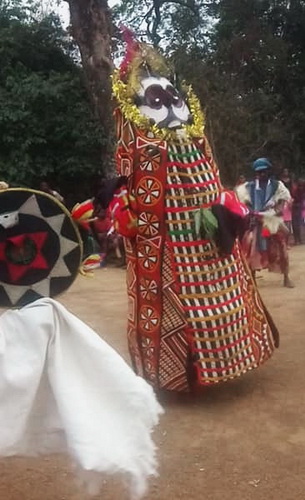
The cultural life of Nkanu people is rich and alive with festivals, masquerades and communal celebrations that blend heritage, harvest and social unity. These events mark key moments in the cycle of the year and the social life of the communities. Some of the festivals observed in Nkanu include:
New Yam Festival (Iri Ji / Oriri Ani)
The New Yam Festival, known locally as Iri Ji or Oriri Ani, is the most important agricultural celebration among the Nkanu people. It marks the end of the farming season and the beginning of the harvest, symbolizing gratitude to the earth and the gods for a bountiful yield.
During the festival, the first yams are offered to the ancestors and deities before anyone is allowed to eat the new crop. The event features feasting, music, masquerades, traditional dances, and reunions of family and friends, reflecting the Nkanu people’s deep respect for agriculture, community, and cultural heritage.
Masquerades and Cultural Masquerade Festivals
Masquerade performances (mmanwu) are a powerful part of the cultural fabric. They involve masked performers believed to embody ancestral spirits, moral agents or social satirists. One source notes that in the wider Nkanu area masquerades such as Igede, Ikpa, Okanga, Ubo and Ebe are common during festive and burial ceremonies.
In the town of Oruku in Nkanu East, the Ekpe Masquerade Festival takes place between November and February. The masquerade bears a small bell on its waist to alert people in its path.
These festivals mark times of social transition, entertainment, communal authority and preservation of tradition.
Annual Cultural Festivals and Town-Based Events
Many towns organize cultural festivals that bring together dances, music, speech and display of community pride. For example, the town of Akegbe Ugwu in Nkanu West held a Cultural Festival on January 2 each year.
In 2023, the event featured the State governor and notable guests, and served as a showcase of local tradition.
Through these events, the younger generation witness age-grade presentations, traditional dances, masquerade ensembles, and the reaffirmation of community membership and identity.
In essence, the cultural life of Nkanu community is anchored in harvest festivals, masquerade traditions and town cultural celebrations. These festivals are not just for spectacle but for social regulation, thanksgiving, and the performance of shared identity.
With continued attention to infrastructure, youth engagement and cultural heritage preservation, these celebrations can remain vibrant, relevant and beneficial for the community.
Town Unions and Community Organizations
Within the cultural region of Nkanu, local town unions and community bodies form vital links between the people, their traditional leaders and government institutions. These organizations help coordinate development, oversight, representation and social welfare in each town, village and autonomous community.
Town unions are grassroots civic associations typically organized at the town or autonomous-community level. They often consist of elected executive officers such as a President-General, Secretary, Treasurer and representatives from the different villages, age grades and women’s groups.
For instance, in the Nomeh-Unateze community in Nkanu East Local Government Area, the State Ministry of Local Government, Rural Development and Chieftaincy Affairs in October 2025 inaugurated a nine-member caretaker committee for the town union, charged with reviewing and amending the town union constitution and preparing for elections.
These bodies work hand-in-hand with the traditional ruler and the ward/village leadership. They mediate between the community and the government, raise funds, mobilize communal labour and help resolve disputes. One study conducted in Enugu State found that town unions act as feedback mechanism that relays to the government, the feelings and reactions of the grassroots and often take on infrastructure roles such as road rehabilitation and school building.
Key activities undertaken by these unions include:
- Community development projects: Town unions raise contributions from indigenes, diaspora members and local fundraising to build or renovate schools, clinics, community halls, and roads. Research shows that similar town union structures in Enugu State aided in constructing or refurbishing dozens of primary and secondary schools.
- Representation and advocacy: They bring communal concerns to government offices. For example, the Edeaniegu community in Ishi-Ozalla, Nkanu West publicly dissociated from a proposed town union election in January 2024, asking the State Ministry to address underlying grievances (inclusion, leadership rights) before proceeding.
- Coordination of age grades, women’s wings and youth bodies: Within the structure, there are women’s wings, often participating under the “August Meeting” tradition which gather annually to plan community projects, harmonize priorities and engage with broader town union leadership.
- Conflict resolution and order-keeping: Town unions support traditional institutions in maintaining peace, organizing meetings and managing community assets. For instance, in Akpugo (Nkanu West), the Enu-Agu autonomous community affirmed its support for both the traditional ruler and the town union executives in response to a protest, showing the union’s role in affirming legitimate leadership and presenting a unified community front. .
It is, therefore, safe to say that town unions and community organizations in this area are not just social clubs, they form a practical bridge between tradition, modern governance and grassroots mobilization, helping to shape the everyday life and future of the people.
Main Local Dishes and Cuisine
Food plays a central role in the daily life and hospitality of Nkanu people. Like most Igbo communities, their cuisine is rooted in local produce such as yam, cassava, cocoyam, vegetables, and palm oil. The most popular meal is fufu served with rich soups like Ofe Onugbu, Ofe Nsala, and Ofe egusi.
Other common dishes include Abacha (African salad), Okpa made from Bambara nut flour – a delicacy widely enjoyed across Enugu, and Achicha Ede.
Locally brewed palm wine known for its freshness and natural sweetness is the traditional drink served during festivals, meetings, and family gatherings.
These meals are not just for nourishment but also symbolize unity, hospitality and celebration in Nkanu households and community events.
Prominent sons and daughters
Over the years, Nkanu people have produced many distinguished individuals who have excelled in politics, business, public service, and other endeavours. Their achievements reflect the community’s strong values of education, hard work and leadership. Below are some of the notable sons and daughters whose contributions have brought pride and recognition to Nkanu land:
- Peter Ndubuisi Mbah: From Owo in the Nkanu East Local Government Area of Enugu State. He became Governor of Enugu State in May 2023 and is a lawyer, businessman and founder/CEO of Pinnacle Oil & Gas Ltd.
- Peace Uzoamaka Nnaji: From Nkanu East/Nkanu West federal constituency. She served in the Nigerian House of Representatives and was Commissioner for Gender Affairs & Social Development in Enugu State.
- Late John Ikechukwu Okafor (known as Mr Ibu): A veteran Nigerian actor and comedian who appeared in more than 200 films.
- Nnolim John Nnaji: Member of the Nigerian House of Representatives, previously Commissioner for Public Utilities in Enugu State.
These individuals illustrate how many from the region have made significant impacts in politics, business, entertainment and public service.
Landmarks and tourist attractions
Nkanu area is blessed with a variety of natural and cultural attractions that reflect both its rich heritage and scenic landscape. From sacred lakes to historic forests, these landmarks tell stories of tradition, spirituality and the deep connection between the people and their environment.
Here are several real and notable places of interest within the Nkanu cultural region of Enugu State:
- Ani Ozalla Lake (Ozalla, Nkanu West) – A natural lake and ancient shrine where local folklore says crocodiles regarded as goddesses appear when summoned by the priest.
- Ovu Lake (Akpawfu, Nkanu East) – Among the largest lakes in Enugu State, located in the town of Akpawfu, within the Nkanu East area.
- Ngwo Pine Forest & Cave/Waterfall (near Nkanu region) – Although technically just outside Nkanu, this attraction is close enough to be accessed by visitors staying in Nkanu towns.
Each location offers a mix of natural beauty, cultural significance or both, making them worthy stops for visitors exploring the region.
Scenic village roads, hills and farmland make the area an attractive place for visitors who enjoy quiet countryside walks, local markets and cultural shows. Community festivals are particularly rich moments for cultural tourism.
Challenges and Outlook
Like many rural areas, Nkanu faces practical challenges. Infrastructure gaps such as roads, irregular electricity and health facilities still affect daily life in some communities.
Market hygiene and food safety have been concerns in busy markets, prompting local studies and calls for improved standards.
Youth unemployment and limited industrial opportunities mean many young people move to cities for work.
Yet, there is strong cause for hope. Nkanu communities are active, organized and proud. Town unions and age grades keep social order and drive development projects. The area benefits from its closeness to Enugu city, giving access to schools, universities and business opportunities. Local festivals and markets build social capital that can support tourism and small business growth.
With targeted investment in roads, health and market facilities, Nkanu could strengthen local livelihoods and attract more visitors and investors.
In Conclusion…
Nkanu stands as one of the most culturally vibrant and historically rooted sub-ethnic communities within Igboland. Its people, spread across Nkanu East and Nkanu West Local Government Areas of Enugu State embody the true spirit of Igbo identity. They are resilient, industrious and deeply communal. From its rich traditions like the New Yam Festival and masquerade performances to its thriving local markets and active town unions, life in the area reflects a perfect balance between heritage and progress.
While the region faces challenges such as infrastructural gaps, youth unemployment and the erosion of traditional values, its prospects remain bright. The area continues to produce influential leaders, professionals and cultural ambassadors who drive development and preserve its legacy.
With greater investment in education, agriculture, tourism, and community development, Nkanu has the potential to become a model of sustainable rural progress in southeastern Nigeria.
In all, their story is one of continuity and renewal. A people deeply proud of their roots, united by shared history and steadily advancing toward a promising future.
References
- https://whathappenedt.blogspot.com/2014/06/history-of-nkanu-ogbuzuru-people-in.html
- https://en.wikipedia.org/wiki/Nkanu_East
- https://en.wikipedia.org/wiki/Nkanu_West
- https://gazettengr.com/tag/orie-mba-akpugo-market/
- https://www.researchgate.net/publication/337768351_MICROBIOLOGY_OF_GARRI_SOLD_IN_EKE-AGBANI_MARKET_OF_NKANU-WEST_LGA_ENUGU_STATE_NIGERIA
- https://rexclarkeadventures.com/tourist-attractions-in-enugu/
You might want to check this out…