



Igbo histories
Unsung Igbo Heroes of Pre-Colonial History: Leaders, Warriors, and Visionaries

Unsung Igbo heroes represent people that shaped pre-colonial Igbo society through leadership, justice, trade influence, cultural cohesion, and traditional institutions long before colonial rule. Explore their stories and legacy in clear and engaging detail.

Long before colonial rule arrived in southeastern Nigeria, Igbo communities were already defined by remarkable individuals and powerful institutions whose influence ran deep. They did not rule through palaces or empires. They governed with wisdom, defended their people, upheld justice, and preserved traditions that still define Igbo identity today.
Many of these figures remain largely absent from mainstream historical narratives, not because they lacked impact but because their stories were passed down through oral memory rather than colonial records.
The history of Unsung Igbo heroes is a history of quiet leadership and collective responsibility. It is found in respected title holders who upheld moral order, in spiritual authorities who settled disputes across vast regions, in women who led markets and mobilized communities, and in cultural ambassadors who spread shared values without force. These heroes shaped society through influence, integrity, and service rather than centralized power.
Understanding these pre-colonial Igbo heroes offers a fuller picture of how leadership functioned in a decentralized society. It challenges the idea that authority only existed through kingship and written law. Instead, it reveals a system built on consensus, spiritual legitimacy, and deep communal bonds. By revisiting their stories, we not only recover overlooked chapters of Igbo history but also reconnect with values that continue to guide Igbo communities today.
Understanding Leadership in Pre-Colonial Igbo Society
Leadership in pre-colonial Igbo society looked very different from the kingships and empires often highlighted in African history. There were no sprawling palaces or centralized authority controlling every town. Instead, leadership was shared, earned, and deeply tied to community respect. Decisions were made collectively, often through councils of elders, titled men, age-grade associations, and spiritual authorities.
The unsung Igbo heroes of this era were not always warriors or rulers in the traditional sense. Many were advisors, mediators, and moral leaders who shaped communities quietly but profoundly. The Eze Nri, for example held a unique position in Igboland. As a spiritual and ritual leader, he guided moral conduct, performed essential rites, and sent emissaries to maintain peace and unity across towns. His influence shows how pre-colonial Igbo leadership relied on integrity and cultural authority rather than force.
In addition, many communities had councils of elders and titled societies such as the Nze na Ozo which provided guidance, settled disputes, and reinforced shared values. Leaders in these roles were respected for their wisdom, honesty, and commitment to community welfare. Even without formal armies or centralized rule, these unsung Igbo heroes ensured that order, fairness, and cooperation thrived in their societies.
This system of leadership highlights a key feature of Igbo civilization which is, authority was earned, not inherited, and influence was built on service and moral responsibility. Understanding this framework is essential to appreciating how these unsung Igbo heroes shaped pre-colonial Igbo society, leaving a legacy that continues to influence community life today.
Women as Unsung Igbo Heroes in Pre-Colonial Igbo History
When we think of leadership in pre-colonial Igbo society, it is easy to imagine men holding all the authority. Yet, women played crucial roles as leaders, traders, community organizers, and cultural custodians. These unsung Igbo heroes ensured that society functioned smoothly, maintained economic networks, and protected social values long before colonial influence.
One of the most remarkable examples is the institution of the Omu, a female traditional leader recognized in communities like Onitsha and Ossomari. The Omu was responsible for coordinating women in trade, adjudicating disputes among women, and participating in decisions that affected the wider community. These women wielded influence not through force but through respect, organization, and moral authority.
Nwagboka, one of the last historically recognized Omus of Onitsha led women in collective action to defend their economic and social rights in the late 19th century. Her leadership demonstrated how women could mobilize communities, negotiate with male leaders, and impact the society. Women like her were often the backbone of the local economy that controlled markets, trade routes, and resources vital to their towns.
Beyond individual leaders, many women were part of organized networks and title systems that reinforced their authority. Groups such as the Iyom or Odu societies recognized women of integrity, courage, and service. These systems allowed women to act as moral guides, mediators, and advocates for social justice. They also preserved traditions and cultural practices that kept communities united.
The contributions of these unsung Igbo heroes were far-reaching. Women ensured that trade thrived, families were supported, and societal norms were respected. Their authority, though often overlooked by colonial historians, was essential to the stability and prosperity of pre-colonial Igbo society.
Recognizing their roles today helps us understand that leadership was not limited to men or formal political titles. Instead, it extended to anyone who contributed to the welfare, cohesion, and moral integrity of the community.
Unsung Igbo Heroes – Warriors and Community Protectors
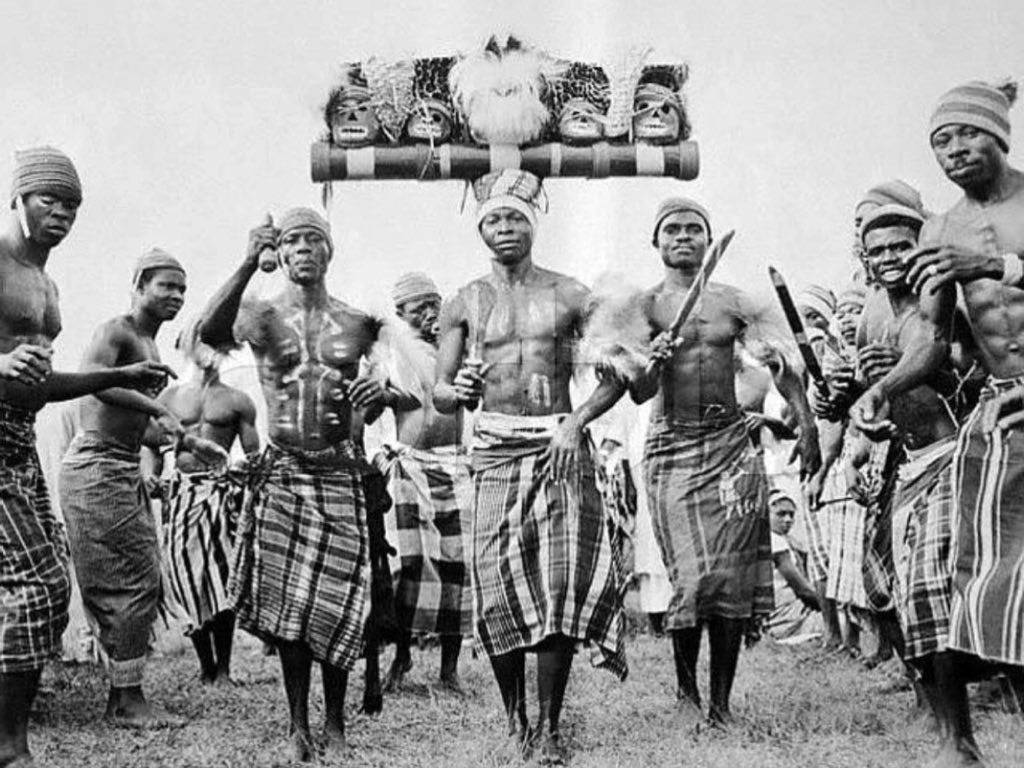
Pre-colonial Igbo society valued courage, strategy, and community defense. While leadership often focused on councils, elders, and spiritual authority, the safety of towns and villages depended on brave men and women who acted as warriors and protectors. These individuals were truly unsung Igbo heroes that defended their people against external threats and maintained local autonomy.
Communities like Ohafia and Abam are well-known for their warrior culture. In these towns, men trained rigorously and participated in organized defense groups. Oral histories recall their skill in both warfare and diplomacy, ensuring their communities remained independent and secure. Their courage was not for personal glory but for the survival and well-being of their people.
Warriors also played important roles in protecting trade routes and resources. Igbo communities were interconnected through markets, rivers, and paths, and maintaining these networks required vigilance. By defending towns and surrounding lands, these unsung Igbo heroes ensured that trade, agriculture, and daily life could continue without disruption.
Importantly, heroism in this context was not only about fighting. Many warriors served as community organizers and advisors during peacetime. They participated in rituals, helped to enforce community decisions, and guided the younger generations in moral and strategic lessons. Their presence reinforced both security and social cohesion which made them central figures in pre-colonial society.
Through bravery, discipline, and dedication, these warriors and protectors exemplified the values of courage, responsibility, and service. Although their names may not appear in written records, their impact resonates in oral histories, traditions, and the collective memory of Igbo communities. Recognizing these unsung Igbo heroes gives us a richer understanding of how decentralized societies could thrive, defend themselves, and maintain harmony.
Unsung Igbo Heroes – Spiritual and Judicial Authorities
In pre-colonial Igbo society, spiritual and judicial authorities held immense respect and influence. They were key to maintaining peace, enforcing justice, and guiding communities in moral and ethical matters. These figures, though often overlooked in written histories were among the most important unsung Igbo heroes of their time.
One of the most significant institutions was the Ibini Ukpabi oracle in Arochukwu. Often called the “Long Juju” by colonial records, this oracle served as both a spiritual and judicial authority. People from far and wide travelled to consult the oracle on disputes involving land, inheritance, trade conflicts, and allegations of wrongdoing. Its decisions were widely respected and rarely questioned.
Priests and custodians of the oracle were not merely spiritual leaders. They acted as mediators, judges, and advisors. Their influence extended beyond Arochukwu and affected communities across Igboland. By resolving disputes and enforcing moral codes, they prevented conflicts from escalating and ensured societal cohesion. These unsung Igbo heroes wielded authority not through force, but through spiritual legitimacy and moral guidance.
In addition to the Aro oracle, other spiritual figures served similar roles in different communities. Ritual leaders in the Nri kingdom for example, acted as emissaries who performed cleansing rites, mediated disputes, and reinforced cultural traditions. Their work preserved social harmony and connected decentralized communities through shared customs and beliefs.
What made these spiritual and judicial leaders remarkable was their combination of wisdom, integrity, and courage. They navigated complex community relationships, maintained justice, and upheld values that guided daily life. Even without formal armies or centralized political power, these unsung Igbo heroes were essential to the survival and prosperity of their societies.
By studying their roles today, we gain insight into how pre-colonial Igbo communities managed governance, conflict, and morality through structures that emphasized respect, consensus, and accountability rather than coercion. Their legacy reminds us that leadership can be both moral and practical, spiritual and societal.
Unsung Igbo Heroes – Cultural Ambassadors and Peacemakers
Not all heroes in pre-colonial Igbo society wielded weapons or held formal titles. Some shaped communities quietly, using diplomacy, ritual, and cultural guidance to keep peace and unity. These unsung Igbo heroes acted as cultural ambassadors and peacemakers ensuring that diverse communities lived in harmony despite their decentralized structures.
Nri Kingdom provides a powerful example. Rather than expanding through warfare, Nri people extended their influence through ritual authority and moral guidance. The Eze Nri and his emissaries travelled across towns performing cleansing rituals, mediating conflicts, and reinforcing shared customs. Their goal was not conquest. It was cohesion. By respecting local autonomy while promoting common values, they created networks of trust and mutual understanding that strengthened the Igbo society as a whole.
These emissaries were essential to maintaining unity among independent communities. They interpreted cultural norms, transmitted traditions, and settled disputes that might otherwise escalate into long-standing conflicts. Their work ensured that laws, customs, and moral codes were upheld consistently across wide areas, making them indispensable unsung Igbo heroes whose influence affected everyday life.
Even in smaller towns and villages, respected elders and ritual leaders served as peacemakers. They used negotiation, mediation, and storytelling to resolve disputes, prevent feuds, and foster understanding between families and neighboring communities. Through these efforts, they helped to maintain social order without the need for coercion or force.
Recognizing these cultural ambassadors highlights a broader understanding of leadership in pre-colonial Igbo society. Heroism was not limited to warriors or titled men; it included anyone who safeguarded the community, promoted justice, and strengthened cultural identity.
By valuing these unsung Igbo heroes, we gain a fuller picture of how cooperation, respect, and shared traditions formed a society that could thrive without centralized power.
Collective Heroes and Indigenous Institutions
In pre-colonial Igbo society, heroism was not always tied to a single person. Many of the most important unsung Igbo heroes were collective actors such as groups, councils, and institutions that defined governance, justice, and social cohesion. These systems ensured that communities thrived, even without kings or centralized states.
One of the most respected institutions was the Nze na Ozo society. Men who held these titles were seen as custodians of moral integrity and tradition. They mediated disputes, guided councils of elders, and advised on matters of community welfare. Their authority came not from force but from the respect they earned through honesty, service, and adherence to cultural values.
Age-grade associations known as Otu ogbo also played a crucial role. These groups organized communal labour, defense, festivals, and other social activities. By working together, age grades reinforced solidarity and ensured that responsibilities were shared fairly among members. The collective effort of these groups made them unsung heroes of pre-colonial Igbo life because their contributions were essential to everyday survival and long-term stability.
Village assemblies and councils of elders provided yet another layer of collective leadership. Decisions were made through discussion and consensus that reflected the Igbo principle that power belongs to the community. These councils included representatives of various families, age grades, and spiritual authorities. Their decisions were respected and enforced because the community recognized their fairness and wisdom.
These indigenous institutions highlight a key feature of Igbo society that heroism was not always about personal fame. Sometimes, the greatest unsung Igbo heroes were the people and structures that worked quietly to maintain order, justice, and cultural continuity. By understanding these collective systems, we see how decentralized societies could remain strong, cohesive, and resilient over generations.
Why Many Pre-Colonial Igbo Heroes Were Forgotten
Despite their immense contributions, many unsung Igbo heroes of pre-colonial society remain largely unknown today. Several factors contributed to their obscurity, and understanding these reasons helps us to appreciate the importance of preserving and sharing Igbo history.
First, much of Igbo history was transmitted orally rather than through written records. Stories of warriors, women leaders, spiritual custodians, and collective institutions were passed down through songs, proverbs, and communal memory. While oral tradition preserved knowledge for generations, it was vulnerable to disruption. Wars, migrations, and later colonial interventions often interrupted the continuity of these narratives.
Second, colonial historians tended to prioritize centralized kingdoms and empires which were easier to document and fit Western ideas of governance. Decentralized societies like the Igbo where leadership relied on councils, age grades, and moral authority rather than kings were often overlooked. As a result, many local heroes and institutions were left out of formal histories, even though they were central to the functioning of Igbo communities.
Gender also played a role in this historical neglect. Many women who led markets, organized communities, and acted as moral and social guides were ignored by colonial record-keepers. Figures such as the Omu of Onitsha or members of the Iyom and Odu societies wielded significant influence, but their contributions were rarely recorded in the archives.
Finally, the disruption of indigenous institutions during colonial rule further contributed to the erasure of these heroes. Traditional systems of governance, dispute resolution, and community organization were often replaced or undermined, leading to the gradual fading of collective memory.
Despite these challenges, the stories of unsung Igbo heroes survive in oral histories, cultural practices, and the ongoing efforts of scholars and community historians. Remembering them not only honours their legacy but also enriches our understanding of Igbo society and shows how communities thrived through collaboration, moral leadership, and shared responsibility.
Relevance of Unsung Igbo Heroes in Modern Igbo Society
The legacy of these unsung Igbo heroes continues to impact modern Igbo society in ways that are both subtle and profound. While many of their names are not widely known, the structures, values, and traditions they established still influence community life, leadership, and cultural identity today.
First, these heroes remind us that leadership is not only about formal authority or political titles. The moral guidance of elders, the influence of spiritual custodians, and the organizational skills of women leaders all offer lessons in service, integrity, and collective responsibility. Modern Igbo communities continue to draw on these principles in local governance, family systems, and communal projects.
Second, remembering these heroes fosters a sense of cultural pride and identity. In a rapidly changing world, understanding the contributions of pre-colonial leaders, warriors, and peacemakers helps the young Igbo generations to connect with their heritage. It shows that their ancestors built societies based on collaboration, fairness, and shared responsibility – values that remain relevant for today’s social and economic development.
Third, the institutions these heroes built, such as age-grade systems, title societies, and spiritual custodianships inspire contemporary approaches to community organization and conflict resolution. Even in modern towns and cities, traditional councils, community meetings, and local advocacy groups reflect the principles established by pre-colonial heroes.
Finally, studying the unsung Igbo heroes challenges the narrow portrayal of African history that focuses solely on colonial narratives. It restores balance, highlighting the achievements of decentralized societies, the influence of women, and the importance of moral and spiritual authority.
By recognizing and celebrating these heroes, modern Igbo society gains not only historical knowledge but also practical inspiration for leadership, civic engagement, and cultural preservation.
Understanding their legacy is a call to honour the past while applying its lessons today. The unsung Igbo heroes of pre-colonial times may not be household names, but their values, actions, and institutions continue to guide, inspire, and strengthen communities across Igboland.
In Conclusion …
The history of pre-colonial Igbo society is filled with remarkable stories of courage, wisdom, and service. From warriors and spiritual custodians to women leaders and collective institutions, the unsung Igbo heroes of this era influenced communities, preserved traditions, and ensured justice long before colonial systems arrived. Their influence was subtle, yet profound, rooted in respect, moral authority, and dedication to the common good.
Although many of these heroes were overlooked in written records, their legacy survives in oral histories, cultural practices, and the institutions that continue to guide Igbo communities today. Remembering them allows us to appreciate the richness and complexity of pre-colonial Igbo society. It also challenges us to value leadership, courage, and service in all its forms.
Honouring these unsung Igbo heroes is more than a historical exercise. It is a way to reconnect with the values, systems, and traditions that helped communities to thrive. By celebrating their contributions, we ensure that the lessons of pre-colonial Igbo society, namely, cooperation, integrity, and cultural pride are passed to future generations.
Through their stories, we learn that heroism is not always about fame or power. Sometimes, it is about dedication, service, and the quiet work of forming a community for the better. These unsung Igbo heroes remind us that every society thrives not only through visible rulers but also through the countless individuals and institutions that work tirelessly behind the scenes to keep it strong, just, and united.
References
- https://en.wikipedia.org/wiki/%C3%8Cfiku%C3%A1nim
- https://en.wikipedia.org/wiki/Nwagboka
- https://en.wikipedia.org/wiki/Aro_Confederacy
- https://en.wikipedia.org/wiki/Nze_na_Ozo
- https://umuigbo.com/title-taking-in-igboland/igbo-culture
- https://ozikoro.com/the-influence-of-nri-leadership-titles-and-cultural-heritage-in-igbo-land/
- https://www.iosrjournals.org/iosr-jhss/papers/Vol.%2025%20Issue6/Series-3/D2506032325.pdf
You might want to check this out …