





Igbo Culture and Tradition
Diọkpara in Igbo Culture: The Critical Role of the First Son in Leadership and Inheritance

Diokpara in Igbo culture refers to the first son of the family who holds leadership authority, inheritance rights, and family responsibility in traditional Igbo society. Learn his role, duties, and cultural significance.

In many Igbo families, leadership is not always announced with titles or ceremonies. It becomes clear in quiet moments. A father passes on, relatives gather, decisions need to be made, and without much debate, one person steps forward. The first son. The Diokpara.
The idea of the Diokpara in Igbo culture goes far beyond birth order. It is a role built on trust, expectation, and responsibility. From overseeing family matters to managing inheritance and representing the lineage, the Diokpara carries a weight that is both practical and deeply cultural. He is expected to lead, not by force but by duty.
For generations, this position has shaped how Igbo families organize themselves, settle disputes, and preserve continuity. Even today, as lifestyles change and legal systems evolve, the influence of the Diokpara remains visible in many homes.
Getting clear on the concept o Diokpara means looking beyond the surface. It means seeing how leadership, inheritance, and identity come together in one role that continues to define family structure in Igbo society.
Meaning of Diokpara in Igbo Culture
In Igbo culture, Diokpara simply refers to the first son of a family. However, the meaning goes deeper than simply being born first. It is a position that carries recognition, responsibility, and cultural weight.
The word itself is commonly expressed in different dialects as Okpara, Okpala, or Opara, yet they all point to the same idea. The Diokpara is not just the eldest male child. He is the one who is acknowledged as the next in line to assume his father’s role within the family.
In practical terms, the Diokpara becomes the representative of the family; the voice in family matters, and the custodian of family property and traditions.
This role becomes especially visible after the father’s death when the Diokpara steps into a leadership position within the household and extended family. However, recognition of this status is not only about age. It is also tied to acceptance by the family and, in some cases, the completion of important rites such as the father’s burial.
In Igbo thought, being Diokpara is less about privilege and more about duty. The position comes with expectations to guide, protect, and maintain unity within the family. It connects the past, through ancestral lineage, to the present and future of the household.
So, while he is the first son by birth, in Igbo culture he is, more importantly, the continuation of the father’s authority and responsibility within the family structure.
Historical Origins of the Diokpara Role

To understand the place of the Diokpara in Igbo culture, it helps to look at how traditional Igbo society was organized long before modern systems came into play. The role did not appear by chance. It grew out of a structured way of life where family, lineage, and continuity were central.
Igbo society has long been patrilineal, meaning identity, inheritance, and lineage are traced through the male line. At the foundation of this system was the family compound, often centered around the obi where the father served as the head. He was responsible for leadership, decision-making, and maintaining the family’s connection to its ancestry.
When the father died, that leadership could not be left vacant. There had to be a clear and accepted line of succession. This is where the Diokpara comes in.
Traditionally, the first son was positioned to take over this role, not just because of age but because he was seen as the closest extension of the father’s authority. This practice aligns with what scholars describe as primogeniture, a system where the first male child assumes leadership and inheritance rights within the family. Studies on Igbo customary law confirm that this pattern has been a consistent feature of inheritance and family governance in many Igbo communities.
Beyond inheritance, the role of the diokpara was tied to the survival of the lineage. In a society where extended families known as umunna formed the backbone of social organization, each household needed a stable representative. The first son filled that role. He stood in for the family in meetings, upheld decisions, and ensured that the family remained connected to the larger kinship network.
It is also important to note that much of this structure was preserved through oral tradition. Knowledge about roles like the Diokpara was passed down through observation, participation, and community life rather than formal written records. This is why there may be slight variations from one community to another, even though the core idea remains widely recognized.
In essence, the concept of the Diokpara developed as a practical and cultural solution. It ensured that leadership continued smoothly from one generation to the next, that family property was managed responsibly, and that the link between the living and their ancestors was maintained.
The Diokpara as the Head of the Family
In many Igbo families, leadership settles gradually, almost quietly, and then becomes clear to everyone involved. After the father’s death, attention turns to the Diokpara. From that point, he is no longer just a son. He becomes the head of the family.
This transition is both symbolic and practical. He steps into a role that carries both authorityand a steady stream of expectations. He is now the one people look to when decisions must be made, when disagreements arise, or when the family needs direction.
As head of the family, the Diokpara is expected to speak on behalf of the household in family and community matters, coordinate discussions among siblings and relatives, and guide decisions on issues such as land, marriage, and shared responsibilities.
He also assumes control of the obi, that is the ancestral home that represents the centre of family life. The obi is not just a physical structure. It holds cultural meaning. It is where meetings are held, where elders gather, and where the presence of past generations is acknowledged. By taking responsibility for the obi, the Diokpara takes on the role of preserving both space and memory.
In the wider family structure, especially within the umunna, he represents his immediate household. He attends meetings, contributes to discussions, and stands in place of his father. His voice carries weight, not because of personal power but because of the position he occupies.
However, this leadership is not meant to be absolute. The Diokpara is expected to consult elders, respect the views of other family members, and act in the interest of the group. His role is closer to that of a coordinator or guardian than a ruler.
In everyday terms, the Diokpara becomes the point where many family matters meet. When there is confusion, people turn to him. When there is conflict, he is expected to help to resolve it. When there are plans to be made, he is part of the process from start to finish.
Being head of the family, in this sense, is less about status and more about steady responsibility. The Diokpara carries the family forward by holding together its people, its property, and its place within the larger community.
Inheritance and the Principle of Primogeniture
When people talk about the Diokpara in Igbo culture, inheritance is often the first thing that comes to mind. It is one of the most visible parts of the role, and it is also one of the most misunderstood.
Traditionally, Igbo society follows a system known as primogeniture. In simple terms, this means that the first son, the Diokpara, succeeds his father in matters of property and family authority. This practice has been widely noted in studies of Igbo customary law and family structure.
At the centre of this inheritance system is the family home, often called the obi. The Diokpara usually takes control of this space after the father’s death. He may also oversee other family lands and assets. However, this does not mean he owns everything in a personal sense.
This is where an important distinction comes in.
In many Igbo communities, the Diokpara acts more as a custodian than an absolute owner. His role is to manage family property responsibly, ensure that siblings have access to what they need, and preserve assets for future generations.
Legal interpretations of Igbo customary law support this understanding. While the first son may inherit the father’s estate, this right is often subject to the interests and welfare of other family members. In practice, this means that the Diokpara is expected to act with fairness and restraint.
The system also reflects the structure of traditional Igbo life. Property, especially land, was not just an individual asset. It belonged to the family as a unit. The Diokpara, therefore, became the one entrusted to oversee it on behalf of everyone.
It is also worth noting that inheritance is not limited to material property. The Diokpara may inherit family responsibilities, social obligations, and cultural roles tied to leadership. In many cases, these non-material aspects carry even more weight than physical assets.
Over time, modern legal systems and changing social values have influenced how inheritance is handled. Some families now choose to share property more evenly among children. Court rulings in Nigeria have also challenged aspects of traditional inheritance, especially where they conflict with broader principles of fairness.
Even with these changes, the idea of the Diokpara as the primary successor still holds meaning in many homes. It continues to guide how families think about responsibility, continuity, and the proper management of shared resources.
So while primogeniture places the Diokpara at the centre of inheritance, it also places him under obligation. What he receives is tied closely to what he is expected to do for others.
Spiritual and Cultural Authority of the Diokpara

The role of the Diokpara in Igbo culture is not limited to leadership or inheritance. It also carries significant spiritual and cultural responsibilities that connect the family to its past, its ancestors, and its traditions. In Igbo society, he is seen as the bridge between the living and those who have gone before.
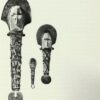
One of the most important symbols associated with the position is the Ofo. The Ofo is a sacred staff representing truth, justice, moral authority, and the link to the ancestors. Traditionally, the father’s Ofo is passed to the first son after key rites, including burial ceremonies, have been completed. Holding the Ofo signifies that he now carries the responsibility to uphold family values, settle disputes, and maintain fairness among siblings.
Beyond the Ofo, the Diokpara may also take part in libations, rituals, and cultural ceremonies. During ancestral worship or other family rites, he often leads prayers and offerings, and ensures that traditions are maintained correctly. His participation preserves the family’s spiritual continuity and honors the lineage.
In addition to spiritual duties, the Diokpara embodies moral authority within the family. Elders and other family members look to him for guidance, especially in disputes or decisions that affect the household. His actions are expected to reflect honesty, fairness, and respect for both living and ancestral ties.
Even in contemporary Igbo society, the spiritual and cultural authority of the Diokpara remains influential. While urbanization and modern lifestyles have changed family dynamics, many Igbo households still observe traditional practices where the first son leads rituals, manages sacred objects, and serves as the family’s moral compass.
In essence, the Diokpara is more than a manager of property or a spokesperson for the family. He is the guardian of cultural identity who carries forward the family’s heritage, values, and spiritual connection to the ancestors. His authority binds the past to the present with the aim of ensuring that traditions survive across generations.
Duties and Responsibilities of the First Son
The position of Diokpara in Igbo culture comes with clear expectations that go beyond leadership and inheritance. Being the first son is not about privilege or personal gain. It is a role defined by responsibility, service, and family continuity.
One of the primary duties of the Diokpara is caring for siblings. He is expected to support the younger brothers and sisters emotionally, financially when possible, and socially. In traditional Igbo households where resources and decisions are often shared, the first son acts as a guide who helps his siblingsto navigate family expectations and daily life.
Another central responsibility is supporting the parents, especially the mother, after the father has passed away. This includes ensuring her well-being, assisting with household needs, and helping her maintain her place within the extended family and community. In many homes, the first son becomes a buffer between the mother and potential disputes with other family members over property or inheritance.
The Diokpara also organizes and oversees important family ceremonies, particularly burial rites and annual ancestral observances. In these roles, he ensures that traditions are carried out properly in accordance with the customs of the lineage. This responsibility is closely tied to his spiritual and cultural authority.
Conflict resolution within the family is another key duty. When disagreements arise over property, marriage arrangements, or household decisions, the Diokpara is expected to mediate and guide discussions toward consensus. His voice carries weight because of his position and the recognition of his leadership by both the elders and siblings.
Finally, the first son acts as a guardian of family legacy. This involves maintaining records, protecting family property, and ensuring that the family’s reputation and values are upheld within the community. He represents the family in meetings with neighbours, kin, and local assemblies, and makes decisions that affect both his immediate household and the extended family network.
Ultimately, the duties of the Diokpara are broad and multifaceted. He balances care for family members, leadership responsibilities, spiritual obligations, and the preservation of tradition. His role demonstrates that being the first son in Igbo culture is as much about serving others as it is about inheritance or recognition.
The Diokpara and Igbo Social Structure
The role of the Diokpara in Igbo culture extends beyond the immediate family. It is deeply woven into the broader social structure of Igbo communities where family, lineage, and community life are closely connected.
Within the extended family system known as the umunna, he often acts as the representative of his household. The umunna is made up of all male descendants from a common ancestor, and it forms the foundation of social organization in Igbo society. In this structure, the Diokpara participates in family meetings, discusses collective decisions, and helps to mediate disputes among relatives.
In addition, the Diokpara interacts with community elders and titled men, and serves as a link between the family and local governance. His voice carries authority because it represents not just himself but the continuity and interests of his lineage. When matters involve property boundaries, community projects, or disputes with neighbouring families, he often speaks on behalf of his family.
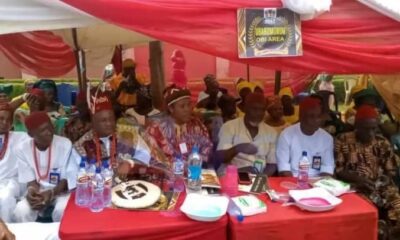
Some communities also observe formal recognition of first sons at a broader social level. Groups of Diokpara from different families may meet during assemblies to discuss matters affecting multiple households, ensuring that the voices of their respective lineages are heard. These gatherings strengthen social cohesion and help to preserve the authority of the institution.
His role in social structure also reinforces accountability. Since he is expected to maintain fairness and uphold family values, the community observes and evaluates his actions. Failure to act responsibly can diminish both his personal authority and the standing of his family within the community.
Essentially, the Diokpara is a key connector between family life and community organization. His responsibilities and leadership extend beyond the walls of the household. It influences how the family is perceived, how disputes are resolved, and how cultural norms are maintained. This makes the first son not only a leader at home but also a recognized figure in the social fabric of Igbo society.
Variations Across Igbo Communities
While the role of the Diokpara is widely recognized, it is important to understand that practices and expectations can vary across different Igbo communities. Igbo society is not uniform. Local customs, family structures, and historical circumstances informs how the first son’s responsibilities are carried out.
In Anambra State, for example, the Diokpara is often the primary custodian of the family obi and land. He is expected to perform all major rituals, lead family meetings, and manage property, while siblings usually defer to his decisions.
In Imo and Abia States, some communities practice a more shared approach where the Diokpara still holds leadership authority but certain duties, especially financial management or ceremonial responsibilities may be delegated among brothers. In these areas, cooperation among siblings is emphasized, and the first son often acts as the coordinator rather than the sole decision-maker.
In Enugu State and parts of Ebonyi, family dynamics can differ further. Some families recognize multiple first sons in households where twins or closely spaced births occur, thus creating a slightly more complex leadership structure. In such cases, the Diokpara may share responsibilities with his twin or nearest in age, depending on family consensus.
Urbanization and modernization also influence these variations. Families in cities or diaspora communities may adapt the traditional roles to fit modern lifestyles, legal systems, or educational realities. In some urban homes, property may be divided more equally among children, but the first son often still retains symbolic leadership, especially for cultural and ceremonial matters.
Despite these differences, the core principle of the Diokpara remains the same. He is recognized as the first son entrusted with responsibility, leadership, and the continuation of family tradition. The variations simply reflect how Igbo communities have adapted their customs to meet changing social and environmental conditions.
Getting acquainted with these nuances highlights that the Diokpara is not a rigid role. It is flexible, respected, and shaped by both local customs and the practical needs of each family.
Diokpara in Contemporary Igbo Society
The position of the Diokpara has endured for centuries. However, modern life has brought new challenges and adaptations. Urbanization, education, migration, and legal reforms have all influenced how families perceive and practice this traditional system.
In contemporary Igbo households, he often continues to serve as the first point of contact for family decisions, especially regarding property, ceremonies, and disputes. However, the dynamics have shifted. The younger generations are more likely to question traditional authority, and families living in cities may find that the first son cannot assume all responsibilities in the same way as in rural settings.
Inheritance practices have also evolved. While primogeniture remains culturally significant, many families now consider legal frameworks or shared arrangements to ensure fairness among all children. Modern courts in Nigeria have, sometimes, challenged strict first-son inheritance rights, particularly in cases where siblings seek equal access to property.
Despite these changes, the symbolic and cultural authority of the Diokpara remains strong. Even when property is shared, the first son is often consulted first for family meetings, rituals, and ancestral observances. In urban and diaspora communities, he may act as a cultural anchor who maintains traditions that connect younger family members to their roots.
Additionally, education and professional careers have expanded the scope of responsibilities for modern Diokpara. He may balance his leadership role with work, school, or relocation. But then, his duty to represent the family, preserve heritage, and maintain unity remains central.
In essence, the Diokpara continues to be a living institution in Igbo society. While modern realities have reshaped certain practices, the role still embodies leadership, responsibility, and the continuity of family and culture. It bridges the past and the present, and reminds families of their heritage while adapting to contemporary life.
Common Misunderstandings About the Diokpara
The position of Diokpara in Igbo culture is widely recognized. But there are several misconceptions that can distort understanding of the role. Many people outside, and sometimes, even within, Igbo communities assume the duties or privileges of the first son in ways that are not entirely accurate.
One common misconception is that the first son automatically owns all family property. In reality, the Diokpara often acts as a custodian rather than an absolute owner. He manages property, ensures fair use among siblings, and preserves assets for future generations. Ownership is collective in many families, and the first son is entrusted to maintain balance and responsibility.
Another misunderstanding is that being Diokpara is solely about receiving property. While inheritance is a visible aspect of the role, it is only part of a broader responsibility that includes leadership, cultural stewardship, and family guidance. The position carries spiritual, social, and moral duties that are as important as material inheritance.
Some believe that modernization has rendered the Diokpara irrelevant. While urbanization and legal reforms have changed certain practices, the role continues to hold cultural and social significance. Even in contemporary Igbo families, the first son is often consulted for decisions, rituals, and family representation. His influence may have evolved, but it remains present.
Although traditional practice emphasizes the first son, some communities allow flexibility. In certain families, responsibilities may be shared among siblings due to twins, close-aged siblings, or unique family arrangements. Leadership is not always exclusive, and the Diokpara may act as a coordinator rather than a sole authority.
Clarifying these misconceptions is important for appreciating the true essence of the Diokpara. His role is not about privilege or power alone, it is about responsibility, service, and preserving the family’s legacy and unity.
Challenges Facing the Diokpara Status Today
The status of the Diokpara has been central to family and community life for generations. But then, like many traditional institutions, it faces challenges in the modern era. Changes in society, law, and lifestyle have reshaped how the first son’s responsibilities are recognized and carried out.
Many Igbo families now live in cities or abroad, far from ancestral homes. This physical separation can make it difficult for the Diokpara to perform traditional duties, such as managing family land, leading ceremonies, or overseeing property. Urban lifestyles may also limit his ability to act as a daily guide or mediator within the household.
Nigerian statutory law and court rulings have influenced traditional inheritance practices. In some cases, the primogeniture system has been challenged, with courts ruling that all children have equal rights to family property. This has reduced the Diokpara’s exclusive control over inheritance and requires him to navigate legal as well as cultural expectations.
Education and professional careers have shifted family power dynamics. Younger siblings may question traditional authority, and women are increasingly involved in decision-making. While these changes reflect positive social progress, they can dilute the traditional authority of the Diokpara in some families.
Some families no longer fully understand the spiritual and cultural significance of the role of the first son. Rituals, ancestral observances, and the handling of sacred objects like the Ofo may be overlooked, thus weakening the cultural authority that the first son traditionally holds.
Even with the recognition of the first son, disputes over inheritance, land, or family leadership can arise. In the past, the authority of the Diokpara was rarely questioned. But today, disagreements sometimes, escalate to legal battles. This can strain family relationships and challenge the effectiveness of the institution.
Busy careers, education, and other commitments may make it harder for a Diokpara to actively participate in all family matters. This practical limitation can reduce his visibility and influence, though his symbolic role often remains.
Despite these challenges, the Diokpara position continues to adapt. Many first sons find ways to balance tradition with modern life in maintaining family unity, overseeing property, and preserving cultural rituals, even from a distance. The role may be evolving, but its main values of responsibility, leadership, and heritage remain intact.
In Conclusion …
The status of the Diokpara is more than a birthright. It is a position defined by responsibility, leadership, and the continuation of family and cultural heritage. From managing property and guiding siblings to preserving traditions and representing the family in the wider community, the first son carries a weight that blends the practical with the spiritual.
While modernization, urbanization, and legal changes have reshaped how the Diokpara performs his duties, the essence of the role remains strong. He continues to act as a custodian of family unity, a guardian of traditions, and a bridge between the past and future generations.
Learning about the concept of Diokpara is learning how leadership, inheritance, and cultural identity converge in Igbo society. It reminds us that family roles are not just about privilege or authority, they are about service, continuity, and the careful stewardship of values that bind generations together.
In a world that is rapidly changing, the Diokpara stands as a symbol of enduring responsibility which demonstrates how traditional institutions can adapt, survive, and remain relevant while preserving the heart of Igbo culture.
References
- https://okwuid.com/2024/06/22/the-importance-of-birth-order-in-igbo-society/
- https://dailytrust.com/ndiopara-the-igbo-club-of-the-first-born-sons/
- https://www.sfjesgs.com/index.php/SFJESGS/article/view/576
- https://independent.ng/igbo-customary-law-diokpa-entitled-inherit-subject-siblings-right/
- https://www.iiste.org/Journals/index.php/JLPG/article/viewFile/46189/47686
- https://en.wikipedia.org/wiki/Ogu_na_Ofo
You may want to check this out …