







Igbo Culture and Tradition
Akwu Ojukwu: The Powerful Igbo Knowledge Many People Still Don’t Have

Akwu Ojukwu is a powerful, yet little-known element in Igbo tradition. Discover its meaning, cultural significance, traditional uses, and why it is still a thing today.
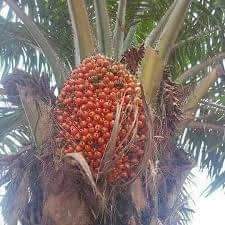
In many Igbo homes, the oil palm is part of everyday life. It shows up in food, in trade, and in family traditions. But every now and then, you hear the elders mention a particular kind of palm fruit with a different tone. Not louder. Just more careful. And the name is akwu ojukwu.
For many people today, akwu ojukwu is unfamiliar. It is not something you learn in school or come across in common books about Igbo culture. Yet, in traditional settings, it is known and spoken about with quiet certainty. It is often linked with protection, healing, and a deeper understanding of how nature works within the Igbo belief systems.
What makes the specie of the palm fruit interesting is not just what it is but how it has been preserved. Much of what is known about it in Igbo tradition has been passed down by word of mouth. It lives in conversations, in practices, and in the knowledge shared across generations.
This article takes a closer look at akwu ojukwu. It explains what it means, where it fits within the Igbo culture, and why many people still do not know about it today.
What Is Akwu Ojukwu?
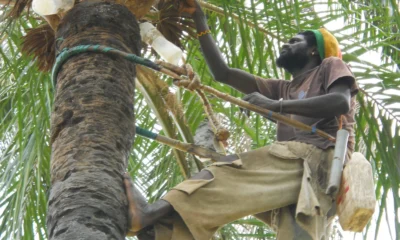
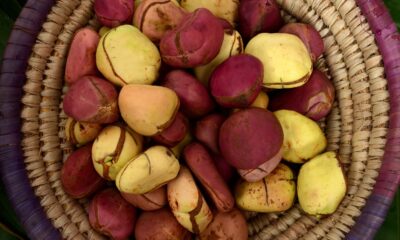
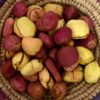
Basically, akwu ojukwu refers to a specific kind of palm fruit recognized within the Igbo traditional knowledge. To understand it clearly, it helps to start with the word akwu which simply means palm fruit from the oil palm tree. The oil palm tree is one of the most important plants in Igbo society. It provides food, oil, and materials used in daily life. From soups to local remedies, akwu is deeply woven into the rhythm of everyday living in Igbo families.
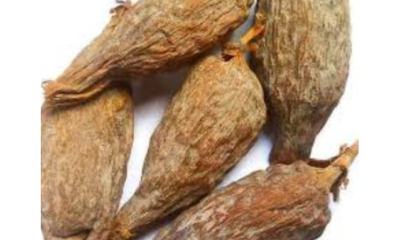
But akwu ojukwu is not just any palm fruit. In many Igbo communities, it is identified as a distinct type with unique qualities. People who are familiar with it often point to its appearance, its oil, or the way it behaves when processed. These differences are what set it apart from the more common varieties of palm fruit.
When people ask, what is akwu ojukwu, they are not only asking for a physical description. They are also asking about its place in Igbo tradition. In that context, akwu ojukwu is understood as more than a natural product. It carries meaning. It is associated with protection, strength, and in some cases, healing practices that have been passed down over time.
The second part of the name, ojukwu is often interpreted in ways that suggest intensity or force. While meanings can vary from one community to another, the term is sometimes, linked with ideas of resistance or defence. This connection helps to explain why akwu ojukwu is often mentioned in discussions about safety, spiritual awareness, and traditional remedies.
It is also important to say that the story of akwu ojukwu in Igbo tradition is largely preserved through oral history. There are very few formal or academic texts that describe it in detail. Most of what is known comes from the elders, local practitioners, and community knowledge. Because of this, descriptions may differ slightly, depending on location. But the core idea remains consistent.
In simple terms, akwu ojukwu is a special type of palm fruit known in Igbo culture for its distinct qualities and its connection to traditional beliefs. It sits at the intersection of nature and culture, where a common plant takes on a deeper role within the life of the people.
The Cultural Significance of the Palm Nut (Akwu) in Igbo Society

To fully understand akwu ojukwu, you have to start with akwu itself. In Igbo society, the oil palm is not just another tree growing in the background. It is part of daily life in a very real and practical way. From the food people eat to the way certain traditions are carried out, akwu holds a central place.
In many Igbo homes, palm fruit is a staple. It is processed into palm oil which is used in a wide range of local dishes. Meals like ofe akwu are not just about nourishment. They are delicacies tied to gatherings, celebrations, and shared moments. In this sense, akwu supports both physical life and social connection.
Beyond food, the oil palm tree is valued for how much it gives. Almost every part of it is useful. The fruit provides oil. The kernel can be processed for other domestic and medicinal purposes. The leaves are used for roofing or weaving. Even the trunk can serve as building material. This wide range of uses has earned the oil palm a reputation as one of the most valuable trees in Igbo land.
When people talk about akwu in Igbo society, they are also talking about culture. Palm oil, for example, is present in certain traditional rites and social customs. It can be used in ceremonies, in welcoming guests, or in symbolic acts that carry meaning within the community. These practices may vary from one place to another, but the presence of akwu remains consistent.
There is also a deeper layer to how the oil palm is understood. In traditional belief systems, natural elements are often seen as more than physical resources. They are part of a larger relationship between people, nature, and the unseen world. Within this worldview, akwu can take on symbolic meaning representing life, continuity, and provision.
This broader cultural importance is what gives context to akwu ojukwu. It is not an isolated concept. It grows out of an already strong relationship between the Igbo people and the oil palm tree. So, when a particular type like akwu ojukwu is set apart, it is because it is believed to carry qualities that go beyond the ordinary uses of palm fruit.
In simple terms, akwu is not just food or raw material in Igbo society. It is a part of identity, tradition, and everyday experience. And it is within this rich background that akwu ojukwu finds its meaning.
Akwu Ojukwu as a Symbol of Protection and Power
In many conversations about akwu ojukwu in Igbo tradition, one idea comes up again and again. It is not just about the fruit itself. It is about what it represents. Among those who are familiar with it, akwu ojukwu is often spoken of as a symbol of protection and quiet strength.
This understanding is rooted in how natural elements are viewed within the traditional Igbo belief systems. Plants, oils, and other materials are not always seen as ordinary. They are, sometimes, regarded as carriers of meaning, with roles that go beyond their physical use. Within this context, akwu ojukwu is believed to hold protective qualities.
When people ask what this peculiar palm nut does, the answers are usually careful and measured. In some communities, it is said to be used in situations where safety is a concern. It may be mentioned in relation to guarding against harm, whether physical or spiritual. There are also traditional accounts that link it with the ability to counter harmful substances or influences.
It is important to approach these ideas with clarity. These are beliefs passed down through oral tradition, not claims confirmed by modern science. Still, they remain meaningful within the communities where they are practiced. For many people, the value of akwu ojukwu lies in this shared understanding and the sense of assurance it provides.
The name itself adds another layer of meaning. The word ojukwu is sometimes, associated with force, intensity, or defence, depending on how it is interpreted locally. This connection helps to explain why akwu ojukwu is often linked with strength and resilience. It is not seen as something ordinary. It is regarded as something that stands firm.
There is also a quiet way in which this knowledge is handled. Unlike more visible cultural practices, akwu ojukwu is not always discussed openly or in detail. It is often shared within trusted circles, passed from the elders to the younger ones who are considered ready to understand its place.
Over time, as lifestyles have changed and new belief systems have taken hold, some of these ideas have been questioned or set aside. Yet, in many places, akwu ojukwu still holds its place. It is still remembered, not loudly but with a sense of respect.
In simple terms, akwu ojukwu is seen by many as more than a natural product. Within the Igbo tradition, it carries the idea of protection, strength, and a deeper connection to the way people understand the world around them.
Traditional Uses and Interpretations of Akwu Ojukwu

When people talk about akwu ojukwu in Igbo tradition, they are often referring to how it is used and what it represents in everyday life. Its meaning becomes clearer when you look at the different ways it has been applied over time. These uses are not always written down, but they are remembered, practiced, and passed on within communities.
It is important to note that most of these uses come from indigenous knowledge and oral tradition. They are based on long-standing beliefs and experiences, not modern clinical research. Still, they form a meaningful part of how akwu ojukwu is understood.
Medicinal Uses
In traditional settings, akwu ojukwu is sometimes linked with healing practices. Like other palm-based products, its oil may be used in local remedies prepared at home or by traditional practitioners.
There are accounts that connect it with relief for cough and mild respiratory discomfort; neutralizing charm/poison; support in managing convulsions in children within traditional care contexts; and its use as part of herbal mixtures for general wellness
Palm kernel oil, in a broader sense has been widely used across West Africa for skin care and minor health concerns. Within this wider practice, akwu ojukwu is often regarded as having a more specialized role.
At the same time, it is important to be clear. These uses are part of traditional medicine, and they are not a replacement for modern medical care. They reflect how communities have used available natural resources to meet their needs.
Spiritual and Ritual Uses
Beyond physical health, akwu ojukwu is also mentioned in relation to spiritual practices. In some Igbo communities, it is believed to be useful in situations that involve cleansing, protection, or maintaining balance.
In such contexts, akwu ojukwu may be included in traditional rites or cultural observance; used in personal or household practices aimed at protection; and referenced in discussions about guarding against unseen influences
These uses are part of a broader worldview where physical and spiritual life are closely connected. Natural items like oils, leaves, and roots are often seen as playing a role in maintaining that balance.
Again, these interpretations are based on belief systems that vary from one place to another. They are not uniform across all Igbo communities, but the general idea of akwu ojukwu having a deeper purpose remains consistent.
Symbolic Meaning
Beyond its practical uses, akwu ojukwu also carries symbolic meaning. This is one of the reasons it continues to be remembered, even where its physical use is less common. In many interpretations, it is associated with strength and resilience, protection and defence, and a sense of purity or careful preservation
The name itself contributes to this understanding. The idea linked to ojukwu often suggests intensity or force which aligns with how the fruit is viewed in cultural terms.
Because of this, akwu ojukwu is not always handled casually. It is sometimes approached with a level of respect that reflects its place in traditional thought.
A Living Knowledge System
What stands out about akwu ojukwu is how its meaning is carried. It is not fixed in a single written definition. Instead, it exists within a living knowledge system shaped by people, place, and experience.
Some communities may emphasize its medicinal value. Others may focus more on its symbolic or spiritual role. These differences do not cancel each other out. They show how cultural knowledge can adapt while still holding on to its core ideas.
In simple terms, the traditional uses and interpretations of akwu ojukwu reveal a layered understanding. It is seen as something that can serve practical needs, carry symbolic meaning, and connect people to a deeper cultural framework.
Oral Tradition vs Written Documentation
When exploring akwu ojukwu in Igbo tradition, one of the most important aspects to understand is how its knowledge has been preserved. Unlike concepts that are widely studied and documented in books or journals, akwu ojukwu exists primarily through oral tradition. This means its history, uses, and significance have been passed down by word of mouth, rather than written records.
In many Igbo communities, the elders and traditional practitioners are the custodians of this knowledge. They share it carefully with the younger ones, often through storytelling, demonstrations, or participation in cultural practices. This method of transmission ensures that akwu ojukwu is understood in context. Each lesson carries not just facts about the fruit or its uses, but also the social and spiritual values that accompany it.
The reliance on oral tradition also explains why information about akwu ojukwu may vary between different villages or families. Some may emphasize its medicinal applications, while others focus on its symbolic or spiritual significance. Despite these variations, the underlying respect for it remains a common thread.
Written documentation of akwu ojukwu is scarce. A few online sources, cultural blogs, and ethnobotanical studies mention it. But then, there is limited formal research or academic publication. This lack of written records does not diminish its importance. In fact, it highlights a broader reality about indigenous African knowledge systems which is the fact that much of what is valued and meaningful exists outside conventional scholarship.
Understanding the balance between oral tradition and written documentation helps readers to appreciate why akwu ojukwu may seem unfamiliar to outsiders. It also underscores the urgency of documenting such cultural knowledge, not to replace oral practice but to ensure that it survives for future generations.
As such, the story of akwu ojukwu becomes both a cultural lesson and a reminder of the richness contained in indigenous ways of knowing.
Misconceptions and Modern Skepticism
Even with its long-standing place in Igbo tradition, akwu ojukwu is not immune to misunderstanding. In modern times, many people outside traditional communities view it with skepticism. Some dismiss every meaning attached to it as superstition, while others question its relevance in a world dominated by science and technology.
One common misconception is that akwu ojukwu is just an ordinary palm fruit with no special properties. Outsiders may assume that any claims of protection, healing, or spiritual significance are exaggerations or folklore. This perspective often arises from the reliance on formal education and modern medicine which tend to prioritize empirical evidence over oral knowledge and cultural practices.
Another source of skepticism comes from changing lifestyles. As more Igbo people move to urban areas, traditional practices and knowledge are less visible. Children and younger adults may grow up without exposure to community elders who share stories about akwu ojukwu. Without this context, it is easy for its symbolic and cultural value to be overlooked or misunderstood.
Religious influence also plays a role. In areas where Christianity or Islam is dominant, some practices linked to akwu ojukwu may be viewed as incompatible with religious teachings. This can create a perception that its traditional uses are outdated or even inappropriate.
Despite these misconceptions, akwu ojukwu still holds meaning within many communities. Those who maintain traditional knowledge see it as a link to ancestral wisdom, a source of identity, and a symbol of protection. Modern skepticism does not erase its significance, rather, it highlights the gap between oral cultural knowledge and contemporary frameworks of understanding.
By exploring akwu ojukwu with respect for both perspectives, it becomes possible to appreciate its place in Igbo tradition while acknowledging the challenges of keeping indigenous knowledge alive in a rapidly changing world.
Akwu Ojukwu in Contemporary Times
Even as Igbo society changes, akwu ojukwu continues to hold a place in both rural and urban contexts. Today, it may not be as widely recognized as it once was, but its presence can still be found in cultural practices, family traditions, and discussions about heritage.
In rural communities where traditional life remains closely tied to natural resources, akwu ojukwu is still remembered and sometimes used in ceremonies, local remedies, or protective rituals. Elders pass down the knowledge carefully, with emphasis on its significance while ensuring that the younger people understand its role. This ongoing transmission helps to maintain a living connection to Igbo cultural history.
In urban areas, the knowledge of akwu ojukwu is often more symbolic. Many people may not use it physically, but they understand its cultural meaning and respect the traditions associated with it. For example, discussions about it may appear during storytelling, cultural festivals, or educational programmes aimed at preserving Igbo heritage.
There is also a renewed interest in documenting and sharing indigenous knowledge. Scholars, cultural enthusiasts, and bloggers are increasingly exploring elements like akwu ojukwu to ensure that such traditions are not lost. This modern attention helps to bridge the gap between oral tradition and written records, thereby allowing akwu ojukwu to reach a wider audience while it maintains its original significance.
Ultimately, akwu ojukwu in contemporary times represents both continuity and adaptation. It survives as a symbol of protection, power, and cultural identity, even as lifestyles change. Its story reveals how traditional knowledge can endure, and reminds us of the value in preserving what our ancestors cherished.
Why Akwu Ojukwu is Still a Thing Today
Even in the modern world, akwu ojukwu still holds meaning for the Igbo people. Its significance goes beyond its physical form as a palm fruit. It is a symbol of culture, identity, and connection to ancestral knowledge.
One reason it is still a thing toadya is cultural preservation. In a world where traditions are easily forgotten, akwu ojukwu represents a tangible link to the past. It carries stories, practices, and values that have been passed down for generations. Preserving knowledge about it helps to keep these traditions alive and ensures that the younger people understand the richness of the Igbo heritage.
Another reason is the value of indigenous knowledge. Akwu ojukwu reflects a deep understanding of nature, health, and community that has been refined over centuries. Even if modern science does not fully document its uses, the wisdom embedded in its traditional applications provides insight into sustainable living, natural remedies, and cultural resilience.
The fruit also serves as a symbol of identity and continuity. For many Igbo people, knowing about akwu ojukwu connects them to their roots. It is a reminder that not all knowledge comes from books or formal education. Some of the most meaningful understanding exists in stories, practices, and lived experiences.
Finally, documenting and understanding akwu ojukwu contributes to broader African narratives. Indigenous knowledge systems are often overlooked in global discussions about culture and science. Recognizing and valuing akwu ojukwu allows the Igbo people and African communities more generally to assert the importance of their traditions and maintain a sense of pride in their heritage.
Overall, akwu ojukwu still matters today because it preserves culture, conveys ancestral wisdom, strengthens identity, and asserts the value of indigenous knowledge in a changing world. It reminds us that even small, often overlooked elements of tradition can carry immense cultural weight.
In Conclusion …
Aside being a type of palm fruit, akwu ojukwu is a symbol of protection, strength, and cultural identity in Igbo tradition. Though largely preserved through oral knowledge rather than written records, its significance has endured across generations.
The story of akwu ojukwu highlights how traditional knowledge can survive alongside modernity. It shows that some of the most valuable cultural practices are not always visible or formally documented. They live in the wisdom shared by elders, the practices of communities, and the respect given to natural elements.
Today, akwu ojukwu continues to remind us of the importance of preserving indigenous knowledge. Its relevance is felt not only in rural villages where tradition is still practiced but also in urban settings where cultural awareness and identity are cherished. By understanding and documenting concepts like akwu ojukwu, we honour a heritage that is both ancient and enduring.
Ultimately, akwu ojukwu teaches that cultural significance is not always measured by books or studies. Sometimes, it is measured by the quiet but lasting respect for the wisdom passed down from one generation to the next.
References
- https://commons.wikimedia.org/wiki/File%3AAkw%E1%BB%A5_Ojukwu_palm_kernel.jpg
- https://olivernwokedi.wordpress.com/2021/01/26/about-akwu-ojukwu-red-palm-fruit/
- https://guardian.ng/life/ofe-akwu-bottom-pot-of-all-igbo-delicacies/
- https://www.belfordscorelines.com/2024/05/sacred-trees-and-plants-in-igboland.html
- https://igbocybershrine.com/wp-content/uploads/2019/01/leopards-of-the-magical-dawn-science-and-the-cosmological-foundations-of-igbo-culture.pdf
- https://www.belfordscorelines.com/2024/05/sacred-trees-and-plants-in-igboland.html
You might want to check this out …