


African Culture & Heritage
Igue Festival: The Ancient Benin Celebration That Honors Kings, Culture, and Community

Igue Festival is a timeless cultural celebration in the Benin Kingdom of Nigeria that honours kingship, community thanksgiving, ancient rituals, and spiritual renewal through sacred ceremonies, historic traditions, and joyful public festivities.

Igue Festival is a living tradition that pulses with history, gratitude, and the collective heartbeat of the Edo people. In the heart of Benin City, each year between December and January, streets hum with music, voices rise in prayer, and age‑old customs rise to life again. This ancient celebration honours kingship, unites families, and invites everyone to reflect on the blessings of the past and the hopes of tomorrow.
For centuries, the Igue Festival has stood as a testament to the cultural brilliance of the Benin Kingdom, one of the most storied civilizations in West Africa. It carries the echo of ancestral voices, palace rituals, sacred leaves, and community feasts.
Whether experienced within the inner courtyard of the Oba’s palace or in the laughter of a family gathering, Igue festival speaks to something deep within the human spirit. It is an expression of gratitude, identity, and belonging that connects generations and invites every participant into a shared journey of renewal and thanksgiving.
In this article, we will explore the origins of the Igue Festival, uncover its most meaningful rituals, and explain why it remains a vibrant celebration of culture, kingship, and community today. By understanding the rhythms of Igue, we can see how tradition continues to shape and enrich life in the Benin Kingdom and beyond.
Origins of the Igue Festival
The Igue Festival has deep roots in the history of the Benin Kingdom, one of West Africa’s most influential precolonial states. Its origins are traced back to the reign of Oba Ewuare I who ruled from 1440 to 1473. Historians agree that it was during his leadership that the festival became a structured celebration that blended spirituality, kingship, and community life.
The festival originally served as a time of thanksgiving and spiritual renewal for the Oba and the people. In Edo belief, the king is seen as the spiritual guardian of the kingdom who bridges the earthly world and the ancestors. Through Igue Festival, the Oba undergoes purification rituals that are believed to strengthen his ability to lead, protect, and bring prosperity to his subjects.
Some oral traditions suggest that Igue Festival predated Oba Ewuare’s reign as it reflected ancient Edo practices of celebrating the head which is considered the seat of destiny and personal power in Edo cosmology. The festival also became associated with marriage rites and family blessings, particularly with the symbolic Ewere leaf which is later central to the festival’s ceremonies.
Over time, the Igue Festival grew beyond palace walls to include the wider Edo community. It became a season of gratitude, celebration, and reaffirmation of cultural identity that links each generation to the history, values, and spiritual beliefs of the kingdom.
In essence, the origins of the Igue Festival reveal a tradition that is both deeply spiritual and profoundly communal, rooted in centuries of Edo history, anchored in kingship, and enriched by the shared life of the people of Benin.
Where and When It Is Celebrated

The Igue Festival is celebrated primarily in Benin City, the historical and cultural capital of the Benin Kingdom in Edo State, Nigeria. This city has been the heart of the kingdom for centuries and remains a vibrant hub where tradition, royalty, and community converge. The setting of the festival is not just a backdrop. It is central to the celebration. Palaces, shrines, streets, and community spaces all come alive with activity that echoes the rhythms of history and culture.
Igue festival usually takes place between December and early January to mark the transition from the old year to the new one. This timing gives it a dual role as it is both a spiritual cleansing for the Oba and the kingdom and a communal thanksgiving for the people. Families, chiefs, and community members use this season to honour the ancestors, seek blessings for prosperity, and celebrate life together.
During this period, certain cultural protocols are observed. For instance, burial rites and funerals are traditionally postponed to maintain the celebratory and spiritual tone of Igue Festival. The Oba’s palace becomes a centre of ritual activity with the chiefs and priests performing sacred ceremonies while the city itself fills with music, dance, and community gatherings.
The festival is not confined to Benin City alone. Edo indigenes living in other parts of Nigeria and abroad often travel back to participate or observe. Over the years, the celebration has drawn interest from tourists and cultural enthusiasts eager to witness the pageantry, rituals, and communal spirit that make Igue unique.
Simply put, the Igue Festival is anchored in Benin City but embraced by the wider Edo community, and its timing between December and January ensures that every celebration is both a personal and communal journey of thanksgiving, reflection, and renewal.
Structure of the Festival
The Igue Festival is not a single-day event. It is a season of interconnected ceremonies and rituals that together form a cycle of spiritual, cultural, and communal celebration. Each ritual has its own purpose, participants, and meaning all of which converge to honour kingship, express gratitude, and strengthen the bonds within the Edo community.
Opening Homage (Otue Ugierhoba)
The Igue festival often begins with homage paid to the Oba of Benin. The chiefs, palace officials, and selected community representatives gather in the palace courtyard to offer prayers, gifts, and formal respects. This opening ritual signals loyalty to the Oba and reinforces the spiritual connection between the king and his people.
Purification of the King (Igue Oba)
At the heart of the festival is the spiritual cleansing of the Oba. This private palace ritual is considered the most sacred part of Igue Festival. Through prayers, chants, and symbolic rites, the king is renewed in spiritual strength and leadership. Only designated priests and chiefs participate as discretion and sanctity in Edo tradition are of importance. This purification is believed to protect the kingdom, ensure prosperity, and renew the authority of the Oba.
Igue Ivbioba and Igue Edohia
Following the Oba’s purification, the focus shifts to the wider community. Families and citizens perform thanksgiving rituals for personal blessings and communal prosperity. These ceremonies involve prayers, offerings, and sometimes, short processions. They serve as a time for families to come together, honour the ancestors, and express gratitude for the year past.
Ewere Leaf Ceremony (Ugie Ewere)
The festival concludes with the Ewere Leaf Ceremony which is the most vibrant and publicly visible part of Igue. Young men and women gather sacred Ewere leaves believed to carry healing and protective powers from forests outside the city. These leaves are brought into Benin City during processions filled with singing, drumming, and dance. The leaves are then distributed among families and community members as symbols of blessing, peace, and renewal.
Public Festivities and Celebration
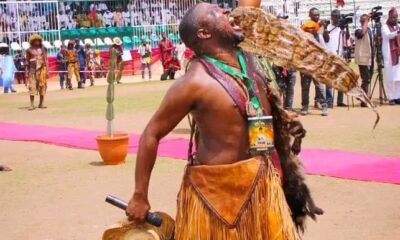
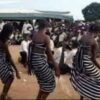
Throughout the Igue season, Benin City is alive with music, dance, and cultural displays. Traditional attire, especially coral beads and embroidered gowns are worn by chiefs, performers, and participants. Drumming rhythms fill the streets, accompanied by dances that have been passed down for generations. Community gatherings, feasts, and storytelling sessions add to the rich tapestry of the festival in a way that ensures everyone, young and old takes part in the cultural experience.
In essence, the structure of the Igue Festival moves from private palace rituals to public community celebrations. It combines spiritual purification, ancestral homage, thanksgiving, and joyous festivities as a reflection of both the sacred and social dimensions of Edo culture.
Major Ritual Elements of Igue Festival

The Igue Festival is rich in rituals that carry deep spiritual and cultural meaning. Each element of the festival reflects the values, beliefs, and history of the Benin Kingdom, and together, they create a tapestry of tradition that has lasted for centuries.
The Oba’s Role
At the centre of the Igue Festival is the Oba of Benin, the king of the kingdom. In Edo cosmology, the Oba is not just a political leader, he is also a spiritual intermediary between the people and their ancestors.
During Igue Festival, the Oba undergoes purification rituals to renew his spiritual strength. This ensures that he can continue to lead the kingdom, protect the community, and maintain harmony between the living and the spiritual realm. The king’s role in the festival symbolizes the unity of governance, culture, and spirituality.
Ewere Leaves
The Ewere leaf is perhaps the most iconic symbol of the Igue Festival. These leaves are considered sacred, and carry protective and healing properties. Traditionally, the Oba discovered their significance during times of personal and communal challenges. Today, the leaves are collected by young people, carried through colourful processions, and distributed to families across Benin City. They symbolize peace, blessing, and renewal, and their presence connects the community to age-old traditions.
Traditional Dress and Beads
Visual spectacle is central to Igue Festival. The chiefs, performers, and participants wear elaborate traditional attire, often adorned with coral beads, embroidered gowns, and ceremonial accessories. These outfits are not merely decorative, they signify rank, status, and connection to Edo heritage. The vivid colours and textures bring life to the festival, and make it both a spiritual and cultural celebration.
Music and Dance
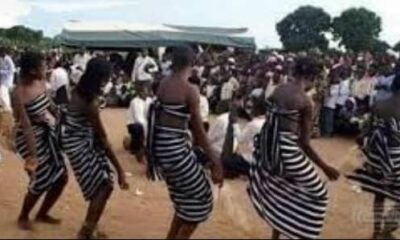
Drumming, chanting, and dance are essential to the energy of Igue Festival. Traditional rhythms guide processions, accompany rituals, and enhance communal gatherings. Dance movements often tell stories of the history of kingdom, heroic deeds of past rulers, and legends that have been passed down through generations. Music and dance turn Igue into an immersive experience that engages every sense and invites the community to participate actively.
Community Feasts and Gatherings
No celebration is complete without food and fellowship. Families and communities come together to share meals, offer prayers, and welcome friends and neighbours. Public gatherings create opportunities for storytelling, intergenerational learning, and the passing on of cultural knowledge. These moments emphasize gratitude, unity, and continuity within the Edo community.
Cultural Significance
The Igue Festival involves much more than a series of rituals. It is a living testament to the identity, heritage, and values of the Edo people. Every aspect of the festival carries meaning that connects the present generation to centuries of history and cultural wisdom.
Primarily, Igue Festival is a celebration of gratitude. Families, chiefs, and citizens use this season to give thanks for life, health, and prosperity. It is a time to acknowledge the past year’s challenges and blessings, and then seek guidance and favour for the year ahead. This practice reinforces a shared sense of purpose and mutual care within the Edo community.
The festival also strengthens social cohesion. During Igue, community members gather in the palace, streets, and homes to participate in rituals, feasts, and storytelling. The chiefs and elders play vital roles in guiding the younger ones by passing down knowledge about Edo history, spiritual beliefs, and cultural practices. Through this communal participation, traditions are preserved and transmitted to ensure that Edo heritage remains alive and meaningful.
Spiritually, Igue Festival highlights the relationship between the living, the Oba, and the ancestors. The Oba’s purification rituals remind the people of the king’s role as a mediator between the human and spiritual worlds. Ewere leaves, prayers, and offerings all emphasize the Edo belief in balance, protection, and harmony. This spiritual dimension enriches the festival, and gives it depth beyond celebration and spectacle.
Culturally, Igue Festival is a showcase of art, music, and performance. The vibrant attire, coral beads, rhythmic drumming, and traditional dances are expressions of Edo creativity and aesthetic sensibility. These artistic displays preserve traditional skills and inspire pride in the community’s cultural achievements.
Beyond the Edo community, Igue festival holds educational and heritage value. Scholars, tourists, and cultural enthusiasts observe the festival to learn about West African history, spirituality, and kingship. It offers insights into how traditional societies maintain social order, celebrate life, and transmit knowledge across generations.
Essentially, the cultural significance of the Igue Festival lies in its ability to unite the spiritual, social, and artistic dimensions of Edo life. It nurtures gratitude, teaches values, preserves history, and strengthens community bonds, thus making it a festival that resonates far beyond Benin City.
Modern Celebration and Community Life

Today, the Igue Festival thrives by blending ancient tradition with contemporary life in Benin City and across Edo State. While the sacred rituals in the palace remain deeply respected, the festival has grown into a vibrant cultural event that engages the broader community, including residents, visitors, and Edo descendants living elsewhere.
In modern celebrations, the Oba of Benin still performs the central purification and Ewere leaf rituals which are the spiritual heart of Igue Festival. These rituals are complemented by public festivities that include music, dance, colourful processions, and family gatherings. The streets are filled with drummers, dancers, and cultural performers while families host feasts that bring neighbours and friends together.
Igue festival has also adapted to contemporary media and tourism. News outlets, blogs, and social media platforms now share coverage of the Igue Festival as a way of offering insight into its rituals, costumes, and community celebrations. Visitors from other parts of Nigeria and abroad come to experience Edo culture firsthand, observe the ceremonies, and learn about the rich history of the Benin Kingdom.
Modern Igue Festival emphasizes community participation and education. Schools, cultural groups, and local organizations often host discussions or exhibitions on Edo history, the significance of the Oba, and the symbolism of the festival rituals. Children and young adults are encouraged to engage with the traditions as a way of ensuring that the knowledge and pride of Edo heritage are passed to the future generations.
Despite modernization, the core of Igue Festival remains spiritual and communal. People still honour the ancestors, give thanks for blessings, and pray for prosperity and protection. The combination of palace rituals, community celebrations, music, dance, and shared meals creates a festival that is both sacred and social, thereby bridging generations and connecting the past with the present.
In modern Edo society, the Igue Festival is not only a cultural event, it is also a reminder of identity, continuity, and the importance of maintaining heritage in a rapidly changing world. It demonstrates how tradition can thrive alongside modern life in fostering unity, pride, and cultural awareness.
Values and Lessons from Igue Festival
The Igue Festival is both a cultural celebration and a powerful teacher of values, ethics, and community principles. Every ritual, procession, and gathering carries lessons that resonate beyond Edo society, and offers insights into gratitude, unity, and human connection.
One of the clearest lessons of Igue Festival is gratitude. The festival calls both the Oba and the citizens to pause, reflect, and give thanks for the blessings of the past year. Families express appreciation for health, prosperity, and protection as prayers are offered for guidance in the year ahead. This practice of intentional gratitude strengthens relationships, nurtures humility, and cultivates a shared sense of well-being.
Igue festival also teaches community cohesion. By bringing together the chiefs, elders, families, and young people, it fosters intergenerational learning and social harmony. Through shared meals, processions, and rituals, the people of Benin are reminded of the importance of working together, respecting hierarchy, and supporting one another.
Spiritual awareness and respect for tradition are central to the festival. The purification rituals of the Oba, the use of Ewere leaves, and prayers to the ancestors emphasize the Edo belief in balance, protection, and divine guidance. These practices remind the participants that life is interconnected with the spiritual and ancestral world. This fosters mindfulness and moral reflection.
Additionally, Igue Festival promotes cultural pride and identity. The festival showcases Edo artistry, music, dance, and traditional attire, and in doing so, allows both young and older generations to connect with their heritage. Observing or participating in the festival nurtures respect for history and reinforces the importance of preserving culture in a modern world.
Finally, the Igue Festival demonstrates the power of continuity and resilience. Despite centuries of social change, colonial influence, and modernization, the festival remains relevant and vibrant. It teaches that traditions can endure when communities value, celebrate, and actively participate in their heritage.
Ultimately, the values and lessons of the Igue Festival extend beyond ceremonial acts. They offer guidance on gratitude, community, spirituality, cultural pride, and resilience. These are lessons that remain relevant not only for Edo people but for anyone seeking to live in harmony with family, society, and history.
In Conclusion …
The Igue Festival stands as one of the most remarkable cultural celebrations in Nigeria, a festival that honours kingship, community, and the enduring heritage of the Edo people. From the sacred purification of the Oba to the joyful processions of Ewere leaves, every ritual, song, and dance carries meaning that connects generations to a shared history and identity.
More than a spectacle, Igue Festival offers a lesson in gratitude, unity, and cultural pride. It reminds the Edo people, and all who witness it uof the importance of honoring the past, cherishing the present, and preparing for the future with intention and hope. Families, chiefs, and community members come together not only to celebrate but to strengthen bonds, teach values, and pass on traditions that have endured for centuries.
In modern times, Igue festival still evolves, even as it remains deeply rooted in its sacred origins. It bridges the spiritual, social, and cultural aspects of Edo life, and offer a vivid example of how tradition can thrive alongside contemporary society.
For visitors and locals alike, participating in or observing the Igue Festival is a chance to experience the richness of Edo culture, the wisdom of its rituals, and the warmth of a community united in celebration.
Ultimately, the Igue Festival represents more than an annual event. it is a living heritage, a story of continuity, and a symbol of the enduring spirit of the Benin Kingdom. It stands as a reminder that culture, when celebrated and respected, can inspire generations and keep history alive in the hearts of the people.
References
- https://en.wikipedia.org/wiki/Igue_festival
- https://www.primebusiness.africa/igue-festival-spiritual-heartbeat-of-the-benin-kingdom/
- https://ozikoro.com/the-igue-festival-history-rituals-and-meaning-in-the-benin-kingdom/
- https://www.edoheritage.com/2023/07/the-igue-festival.html
- https://akokoedonewspaper.com.ng/oba-of-benin-leads-ewere-rite-blesses-edo-and-nigeria-at-igue-festival/
- https://ebsu-jssh.com/index.php/EBSUJSSH/article/view/187
- https://guardian.ng/news/nigeria/metro/burial-rites-not-permitted-during-igue-festival-oba-of-benin-palace-warns-residents/
You may want to check this out …