





Festivals & Traditions
Ojiji Festival in Izzi, Ebonyi State: A Celebration of Culture, Unity, and Yam Harvest

Ojiji Festival celebrates the annual harvest of new yam with traditions, thanksgiving, community gatherings, rituals, and cultural expressions that unite the Izzi people of Ebony State.

Ojiji Festival in Izzi, Ebonyi State in southeastern Nigeria represents a moment when the heartbeat of a community rises in gratitude, tradition, and shared abundance. Every year, as the rainy season begins to ease and the new yam harvest arrives, families in Izzi pause their daily routines to celebrate a festival that honours the land, heritage, and connections that bind them together.
For the Izzi people, yams are a symbol of life, hard work, and hope. When the first yams are ready, the Ojiji Festival brings everyone home. The elders gather with the young ones at the village square. As the drums begin to play, prayers are offered, and the first ceremonial yams are eaten with reverence to mark a transition from scarcity to plenty.
Through this celebration of culture, unity, and yam harvest, Ojiji Festival invites visitors and community members alike to witness traditions passed down through generations. It is a story of gratitude, belonging, and the joy of shared harvest that echoes across Izzi land each year.
Overview of Izzi
Izzi is a vibrant and culturally rich community located in Ebonyi State, southeastern Nigeria. It is home to the Izzi people, a subgroup of the Igbo ethnic group, who have preserved a strong sense of identity, tradition, and communal living over generations. The area is known for its fertile lands, rolling hills, and abundant streams which make it ideal for agriculture, particularly yam cultivation, the central crop to the Ojiji Festival.
Izzi is a hub of culture, festivals, and traditional governance. The people are organized around villages led by the elders and community chiefs who guide social, spiritual, and cultural life. These leaders also play a key role in maintaining customs such as the Ojiji Festival to ensure that the rituals, values, and social functions continue to thrive.
The community places a strong emphasis on family, respect for elders, and communal cooperation. Children grow up learning traditional skills, local history, and social responsibilities through observation and participation in communal events. Markets in Izzi are lively centres of trade where agricultural produce, crafts, and local delicacies are exchanged with the aim of fostering both economic and social ties within the community.
Historically, Izzi has maintained a unique blend of traditional practices and modern influences. While contemporary education, technology, and infrastructure have reached the area, the people continue to uphold their cultural heritage. Festivals like Ojiji are living evidence of this balance where ancient customs coexist with modern community life.
In essence, Izzi is a place where culture, agriculture, and community converge. Its fertile lands produce not only yams and crops but also a strong sense of identity and continuity. The Ojiji Festival is a reflection of this spirit, a celebration that embodies the heart, history, and harmony of Izzi people.
Origins and Historical Background of Izzi Festival
Ojiji Festival has its roots deeply planted in the agricultural traditions of the Izzi people of Ebonyi State. For centuries, yams have been central to life in this part of Igboland as they serve not just as food but as a symbol of prosperity, resilience, and social status. The festival emerged as a way to honour this vital crop, celebrate a successful harvest, and express gratitude to the ancestors and spiritual forces believed to bless the land.
In Izzi culture, the first yams of the season were considered sacred. Eating them before the proper rituals was traditionally forbidden as it was believed to bring misfortune. The Ojiji Festival grew as a communal response to this practice. It became the designated time when the community could come together, give thanks, and officially partake in the new harvest.
The name festival, often referred to as “Ojiji Izhi Nnodo” reflects its deeper meaning. “Izhi” or “Izzi” refers to the people and their land while “Nnodo” signifies unity and togetherness. Through Ojiji, the Izzi people honour their forebears, celebrate their shared cultural identity, and mark a cycle of renewal that has persisted through generations.
Over time, Ojiji Festival evolved from a purely agricultural celebration into a cultural festival that embraces music, dance, communal feasts, and family reunions. Yet, at its heart, it remains a festival that celebrates life, sustenance, and gratitude. Every ritual, song, and dance performed during Ojiji carries the weight of history and the continuity of Izzi traditions.
Timing and Preparation
Ojiji Festival usually takes place between August and September, depending on the timing of the yam harvest in Izzi land. The exact date is carefully chosen by traditional leaders known as the Ishi-uke who consult the cultural calendar and observe signs from the land. The festival is a signal that the community is ready to celebrate life, abundance, and togetherness.
Preparation for Ojiji begins weeks in advance. Farmers carefully select the best yam tubers for the festival by setting aside the first and finest harvest for ceremonial purposes. These yams are considered sacred and are not eaten until the rituals are performed. The elders visit sacred sites to offer prayers and libations as a way of seeking blessings for the land, the people, and the coming season.
Communities also prepare physically for the festival. Paths to communal spaces are cleared, village squares are cleaned, and homes are made ready for visiting family members. Markets fill with fresh yams and other local produce to signal that the festival is near. Women prepare traditional dishes while sons-in-law and daughters-in-law arrange gifts for their in-laws with the aim of reinforcing family connections and respect.
In essence, preparation for Ojiji Festival is a communal act that combines practical agricultural readiness with spiritual observance and social courtesy. Every gesture, from the planting and harvesting of yams to cleaning compounds and preparing gifts contributes to a sense of anticipation and unity that defines this annual celebration. The meticulous preparation ensures that when the day arrives, the festival unfolds as a vibrant expression of Izzi culture, gratitude, and shared life.
Key Rituals and Ceremonial Practices

At the heart of the Ojiji Festival are its rituals and ceremonies which give the celebration meaning and depth. These practices are not only cultural markers but also acts of gratitude and community bonding that have been preserved for generations. Each ritual tells a story of the Izzi people, their connection to the land, and their respect for ancestry.
Ceremonial Eating of the First Yam (Iri Ji)
The most important ritual in Ojiji Festival is the Iri Ji, that is the ceremonial eating of the first yam. In Izzi tradition, the new yam is considered sacred, and no one is allowed to eat it before this ceremony. The festival begins with the elders roasting the first yams and offering prayers to thank the ancestors and the spiritual forces that safeguard the harvest. Only after this sacred act can the rest of the community partake.
This ritual marks a transition from scarcity to abundance. Families gather to witness and participate as a way of reinforcing respect for the elders and the customs they uphold. Children watch attentively, and learn the significance of patience, reverence, and gratitude.
Prayers, Libations, and Offerings
The elders and priests perform prayers and libations at sacred sites to honour the spiritual guardians of the land. Offerings such as goats, fowls, or other traditional items may be made to express gratitude and secure continued blessings. These spiritual acts are considered essential to ensure the well-being of both the community and the land.
Family and Social Rituals
Ojiji Festival is also a time for social bonding. Families visit each other to exchange yams and gifts. In-laws receive offerings from sons and daughters-in-laws. These exchanges cultivate family cohesion and social stability which are central to the Izzi worldview.
Community Celebrations
Alongside rituals, Ojiji festival includes communal singing, dancing, and storytelling. Drummers play traditional instruments such as the ogene and ekwe to create rhythms that invite everyone to join. Masquerades, sometimes, appear and perform dances and skits that connect the community with ancestral stories. These performances celebrate both the harvest and the cultural identity of the Izzi people.
Every step, from the ceremonial yam to communal dances carries meaning. Together, these rituals ensure that the Ojiji Festival is not just an event but an embodiment of Izzi heritage, gratitude, and shared life. The festival becomes a living story that teaches, entertains, and unites everyone in the community.
Role of Traditional Leadership and Community

Ojiji Festival is not just a celebration of harvest, it is also a community-led event that relies on the wisdom and guidance of traditional leaders. In Izzi land, the Ishi-uke and council of elders play a central role in ensuring the festival runs smoothly and that its cultural significance is preserved. They decide the festival date, oversee rituals, and guide the younger generations on proper observances.
These leaders act as custodians of tradition. They ensure that ceremonies like the Iri Ji are conducted correctly and that sacred practices are respected. Their presence is a reminder that the Ojiji Festival is a spiritual and social anchor for the Izzi people.
The community itself is equally important in making the festival meaningful. Everyone, from the elders to the youth has a role. Women prepare traditional dishes and organize family gatherings. Men assist with festival logistics such as preparing communal spaces and ensuring security. Children participate in dances and performances, and learn firsthand about their heritage. This collective participation strengthens the bonds that hold the community together.
Ojiji Festival also provides an opportunity for conflict resolution. Disputes between families or individuals are often addressed during this period to foster peace and reinforce a sense of unity. By the time the festival reaches its peak, the community has come together spiritually, socially, and emotionally, ready to celebrate the harvest as one.
As such, Ojiji Festival is a living example of how traditional leadership and community cooperation maintain social harmony, cultural continuity, and collective pride. It is a celebration where leadership meets participation, and where heritage is shared, preserved, and passed on to future generations.
Cultural Expressions During the Festival
Ojiji Festival is usually alive with colour, sound, and movement. This makes it a feast not just for the stomach but also for the senses. In Izzi land, culture is celebrated through music, dance, attire, and performance, all of which convey stories, values, and the joy of communal life.
Music and Dance
Drums, ogene bells, and the ekwe are central to the festival music. Their rhythms echo through villages, and invite everyone to participate. Songs recount historical events, honour the ancestors, or simply celebrate the harvest and the resilience of the community. Dancing is equally important. The young and the old join in, often in coordinated group dances that highlight Izzi traditions. These dances not only entertain but also transmit cultural knowledge in a lively, engaging way.
Attire and Masquerades
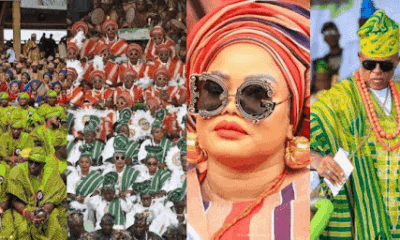
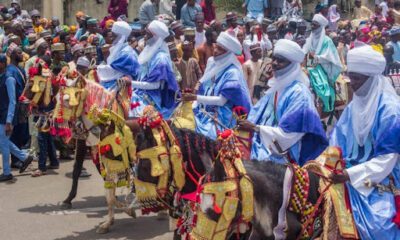
During Ojiji Festival, traditional attire is worn with pride. Women dress in brightly patterned wrappers and headscarves while men wear gowns, caps, and beads that signify status or family heritage. Masquerades appear in some communities, and perform dances and gestures that tell stories of the ancestors, morality, or heroic deeds. These performances are a visual reminder of the Izzi people’s connection to their history and spiritual world.
Food and Communal Sharing
Food is central to Ojiji festival, and yams take the spotlight. They are prepared in multiple ways – boiled, roasted, pounded, or mashed, and shared across families and neighbours. Traditional dishes accompany the yams to provide a taste of local culinary heritage. Sharing food strengthens relationships and reminds everyone that the festival is not just about individual enjoyment but collective celebration.
Storytelling and Oral Traditions
Storytelling is another key cultural expression. The elders recount tales of the past, moral lessons, and the origins of certain customs. This oral tradition ensures that the younger generations learn about their heritage in a lively, memorable way. These stories, combined with music, dance, and ritual create an immersive experience that celebrates Izzi identity and pride.
Through these cultural expressions, the Ojiji Festival transforms ordinary spaces into a living canvas of Izzi heritage. Every drumbeat, dance step, and shared meal contributes to a vibrant tapestry that honours the past, celebrates the present, and passes traditions to the future.
Social and Communal Significance
Ojiji Festival is a moment when the social fabric of the Izzi community comes alive. Families, friends, and neighbours gather to celebrate shared abundance, strengthen bonds, and renew their commitment to one another. The festival is a reminder that community is at the heart of Izzi life.
One of the most important social functions of the festival is the reunion of family members. Sons and daughters who have moved away for work or education return home. Relatives exchange greetings, gifts, and, most importantly, spend time together. These reunions strengthen family ties and ensure that connections between generations remain strong.
Ojiji festival also plays a key role in peacebuilding and reconciliation. Disputes between individuals or families are often addressed in this period to foster harmony and mutual understanding. Traditional leaders mediate conflicts and remind community members of shared values, thus ensuring that the festival is a time of unity rather than division.
Beyond family and local relations, Ojiji Festival enhances cultural identity and pride. It allows the community to celebrate what makes Izzi unique, that is, their rituals, music, dances, and culinary traditions. The festival becomes a showcase of heritage that reminds the participants and visitors alike that culture is a living and breathing thing, and is worth preserving.
Finally, the festival contributes to social cohesion. By bringing together people of all ages and social roles, it ensures that traditions are passed down, values are shared, and the sense of belonging is strengthened. Ojiji Festival reminds the Izzi people that their strength lies in unity, gratitude, and collective celebration.
Ojiji Festival in Contemporary Times
While Ojiji Festival is deeply rooted in tradition, it has also adapted to the modern world. Today, it honours the yam harvest and cultural heritage, and in addition embraces new influences that make it relevant for contemporary Izzi communities.
In recent years, the festival has attracted attention beyond Izzi land. Media coverage and social media posts allow people across Nigeria and even the diaspora to experience the celebration virtually. Videos of drumming, dancing, and ceremonial yam eating showcase its vibrancy, and inspire interest in Izzi culture and traditions.
Local leaders have also used the festival as a platform to promote unity and progress. Government officials and community advocates often attend as a way of highlighting the importance of preserving cultural heritage while supporting development initiatives. The festival has become a meeting point for dialogue, networking, and community building, thus bridging tradition with contemporary civic life.
For the younger generations, Ojiji Festival is both a celebration and an educational experience. Children and youths participate in dances, storytelling, and ritual preparations, and from there, learn firsthand about their history and values. Modern technologies like photography and video recording allow these moments to be preserved and shared, thereby ensuring that the essence of the festival continues to resonate, even as the society changes.
Despite these modern influences, the core of the festival remains unchanged. Ojiji Festival continues to celebrate the yam harvest, express gratitude, and bring the community together. It shows that cultural traditions can adapt without losing their meaning, and offers a bridge between the past and the present for the people of Izzi.
In Conclusion …
Ojiji Festival in Izzi, Ebonyi State is a celebration that unites culture, community, and gratitude. It is a festival where the yam harvest goes beyond food to becomes a symbol of life, abundance, and togetherness. From the ceremonial eating of the first yam to music, dance, and storytelling, every aspect of Ojiji reflects the values and traditions of the Izzi people.
Through its rituals, communal gatherings, and cultural expressions, the festival strengthens family ties, fosters unity, and preserves heritage. The elders, youth, and visitors alike participate in a living tradition that bridges generations by passing down lessons of respect, gratitude, and social harmony.
Even as modern influences define how the festival is experienced, its essence remains intact. Ojiji Festival continues to honour the land, the people, and their ancestors, and celebrate the harvest in ways that are joyful, meaningful, and unifying. For anyone interested in experiencing Nigerian culture, agricultural traditions, or communal heritage, Ojiji Festival offers a rich and authentic encounter with the heart of Izzi life.
Ojiji Festival is a reminder that cultural celebrations are not just events on a calendar. They are living stories, woven through ritual, music, dance, and shared meals. They keep communities connected, teach values, and preserve history. In Izzi land, Ojiji Festival does all this and more by creating a timeless celebration of life, unity, and gratitude.
References
- https://ozikoro.com/the-ojiji-izzi-nnodo-festival-of-izzi-a-sacred-celebration-of-yam-and-unity-in-ebonyi-state/
- https://saltnationnews.com.ng/new-yam-festival-in-izzi-ebonyi-state-ojiji-izhi-nnodo/
- https://www.ebonyitimesnews.com/2020/09/ojiji-2020-stakeholders-speak-on-izzi.html
- https://www.nationalpanelnews.com/2024/09/new-yam-festival-as-troupe-for.html
- https://progressivenews.ng/governor-nwifuru-celebrates-ojiji-festival-champions-unity-and-prosperity-in-ebonyi/
- https://www.doorstepreporters.com/2025/08/ojiji-festival-how-new-yam-unites-izzi.html
- https://guardian.ng/life/iwa-ji-the-new-yam-festival-in-igbo-land/
You might want to check this out …