






African Culture and Traditions
Masquerade Initiation (Ima Mmanwu) in Igboland: Origin, Meaning, Cultural Significance…

Masquerade Initiation (Ima Mmanwu) is a deep and living tradition in Igboland. Discover the origin, meaning, social and spiritual roles, types, gender rules, initiation rites, and how it has changed since Christianity arrived.

In many parts of Igboland, the rhythmic beat of drums and the echo of chants and songs often signal the presence of something sacred. It is not the regular cultural dance or celebration but a moment when the living meet the world of spirits. Masquerades! Mmanwu! The ancient spiritual mystery of Igbo people!
Behind this cultural experience is the ritual of Masquerade Initiation, known among Igbo people as Ima Mmanwu. It is a ritual that, supposedly, turns an ordinary person into a vessel for ancestral power and spiritual authority.
For generations, Masquerade Initiation has been one of the most respected and secretive traditions in Igbo society. To the casual observer, it may look like just a colourful performance of masked dancers, but to those within the culture, it represents connection, duty and identity. The masquerade is seen as both protector and messenger, guiding the moral and spiritual life of the community.
This article explores the world of Masquerade Initiation in Igboland. It traces its origin, meaning, purpose and the spiritual and social roles it plays.
It also looks at how the practice has evolved with time, especially, with the spread of Christianity and modern values. Through this exploration, we uncover why Ima Mmanwu remains one of the strongest symbols of Igbo cultural heritage and continuity.
Origin of Masquerades
We cannot be talking about masquerade initiation without first tracing the origin of masquerades in Igbo culture. The concept of masquerades in Igboland is deeply rooted in the spiritual and cultural history of the people. Long before the arrival of foreign religions and modern governance, Igbo people believed in a close relationship between the living, the ancestors and the spirit world. Masquerades, known as mmanwu emerged as visible representations of these unseen forces. They served as bridges between humans and spirits, giving physical form to the voices and presence of ancestral beings.
According to oral traditions, the practice began when early Igbo communities sought ways to honour their ancestors and communicate with them during important events such as harvests, burials and festivals. Over time, each community developed its own forms of masquerades, with distinct masks, costumes and rituals that reflected local beliefs and history. The masquerade, thus became a sacred institution passed down through generations, carrying the memory and authority of the ancestors.
Some of the oldest and most elaborate masquerades such as the Ijele trace their roots to ancient Igbo kingdoms in what is now Anambra and Enugu States. These grand displays combined artistry, spirituality and social order, showing the depth of creativity and discipline within Igbo culture.
Though the styles and performances differ from one community to another, the purpose has remained the same, and that is to represent the spirit world, maintain social harmony and remind the living of their bond with those who came before them.
The Cultural and Spiritual Meaning
The cultural and spiritual meaning of masquerade in Igboland goes far beyond its colourful appearance or dramatic performance. Masquerade represents the deep connection between the living and the spiritual world. The Igbo believe that life continues after death, and that the spirits of the ancestors remain active in guiding, protecting and correcting the living. Through masquerades, these ancestral spirits return to the physical world, speaking and acting through the initiated members of the community.
Every masquerade or mmanwu, carries a spiritual presence that commands respect. When a masker appears in public, people treat it not as a man in costume but as a sacred being. The songs, dances and symbols used during performances have spiritual meanings that communicate moral lessons, warnings and blessings.
This belief makes Masquerade Initiation a sacred duty rather than mere entertainment. It is through initiation that one learns the rituals, songs, and spiritual disciplines required to embody the spirit properly and respectfully.
Culturally, masquerades are central to Igbo identity. They represent creativity, unity and continuity. Masquerades perform during festivals, funerals and community gatherings, reminding the people of their shared values and heritage. They teach discipline, courage and respect for tradition.
Through Masquerade Initiation, young men gain not only spiritual insight but also social responsibility, learning what it means to belong to a community guided by both the visible and invisible worlds.
In essence, the masquerade is a living symbol of the Igbo worldview. One that sees no sharp boundary between the human and the spiritual. It expresses the community’s belief that every life is part of a larger circle that joins the ancestors, the living and those yet to be born.
Purpose of Masquerade Initiation
The purpose of Masquerade Initiation in Igboland is both spiritual and social. It serves as a sacred process through which individuals are introduced into the mysteries of the masquerade tradition and trained to uphold its values and responsibilities. The initiation known as Ima Mmanwu is not a mere formality but a transformative rite that prepares the initiate to serve as a vessel through which ancestral spirits can communicate with the living.
Spiritually, Masquerade Initiation strengthens the bond between humans and the spirit world. The Igbo believe that the ancestors watch over their descendants and intervene in community affairs through the masquerades. Those who undergo initiation are taught the songs, dances, rituals and secret knowledge required to invoke, honor, and represent these ancestral spirits with respect. Through this process, the initiate becomes part of a sacred lineage of custodians who preserve and transmit the spiritual wisdom of the ancestors.
Socially, the purpose of Masquerade Initiation extends to moral education and community order. Initiates learn discipline, loyalty, courage and respect for communal values. They also acquire a sense of responsibility to maintain peace, justice and unity within the society. In traditional Igbo communities, masquerades play roles in enforcing customs, resolving conflicts and promoting good behaviour. By participating in Masquerade Initiation, individuals are equipped to carry out these duties and uphold the moral fabric of the community.
In addition, the initiation promotes artistic and cultural continuity. It teaches skills in mask-making, costume design, music and performance, ensuring that these creative traditions are passed from one generation to the next. This way, Masquerade Initiation preserves not only the spiritual link between the living and the dead but also the cultural identity and heritage of Igbo people.
Spiritual and Social Roles of Masquerade Initiation

Both the spiritual and social roles of Masquerade Initiation in Igboland are deeply intertwined with the cultural and religious life of the people. Beyond being an art form or festive display, the masquerade (Mmanwu) serves as a sacred institution that embodies the invisible forces guiding the community. Those who undergo Masquerade Initiation (Ima Mmanwu) are entrusted with the duty of sustaining this spiritual and social balance.
Spiritually, Masquerade Initiation establishes a direct connection between the living and the ancestral spirits. The initiates act as intermediaries who channel the presence and power of the ancestors during rituals and festivals. Masquerades often appear in times of need – during planting seasons, harvests, funerals and community rites to bless, protect or purify the land. Through the initiation, members learn the sacred chants, taboos and rituals that sustain this divine link, ensuring that the community remains in sync with the spiritual realm.
On the social part, Masquerade Initiation reinforces community values, discipline, and order. Initiates are trained to uphold justice, respect authority and serve as moral guides within the village. Masquerades often play the role of peacekeepers, settling disputes and enforcing social norms in ways that command both fear and respect. They remind people of the unseen moral order that governs human behaviour.
Furthermore, the social roles of Masquerade Initiation extend to education and cultural preservation. Young initiates are taught the history, proverbs, songs and artistic expressions that define Igbo identity. Through performances, storytelling and public appearances, masquerades become living symbols of the people’s traditions, passing on values that strengthen unity and pride.
In essence, Masquerade Initiation in Igboland is a bridge between the sacred and the social. It is a powerful system through which spirituality, morality and culture converge to uphold the well-being and continuity of the community.
Types and Categories of Masquerades

Masquerades in Igboland are diverse as they reflect the cultural richness and variety of the different communities. Each masquerade carries a distinct identity, purpose and level of spiritual power. The types and categories of masquerades are often determined by their functions, appearance and the nature of their performance.
Broadly, masquerades can be divided into two major categories: spirit masquerades and entertainment masquerades. Spirit masquerades are considered sacred and are closely linked to ancestral worship and community rituals. They are usually restricted to initiated members who have undergone the Masquerade Initiation (Ima Mmanwu).
Such masquerades are believed to embody powerful spirits that protect the land, cleanse evil and deliver messages from the ancestors. They rarely perform publicly and are approached with deep reverence and caution.
Entertainment masquerades, on the other hand, focus on joy, humour and artistic display. They appear during festivals, ceremonies and communal celebrations to entertain the audience through dance, music and drama.
Although they may retain traces of spiritual symbolism, their primary role is to unite people and create a lively atmosphere. These types of masquerades often attract large crowds, especially, during cultural festivals.
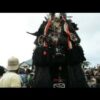
Within these broad categories, there are several well-known masquerade forms across Igboland. The Ijele masquerade, regarded as the king of masquerades is one of the most elaborate and revered, symbolizing prestige, unity and ancestral strength. Others include Agbogho Mmanwu, known for its beauty and grace; Okoroshi, often linked with purity and seasonal cleansing; and Odo or Ogwugwu which are associated with ancestral spirits that return periodically to visit the living.
Each masquerade type has its unique costumes, masks and rituals. Some are adorned with vibrant fabrics, raffia, or carved wooden faces while others use intricate body painting and symbolic objects. Their songs, dances and movements are also distinctive, reflecting the philosophy and identity of the community that owns them.
In all, the types and categories of masquerades show the depth of Igbo creativity and spirituality. While it is not a thing with entertainment masquerade, masquerade initiation is a serious business when it comes to spirit masquerades.
Whether sacred or entertaining, every masquerade holds a place in the collective life of the people. They serve as a mirror of their beliefs, values, and enduring connection to the spirit world.
Gender, Secrecy, and Age in Masquerade Initiation
The practice of Masquerade Initiation in Igboland is guided by strict cultural rules that define who can participate and how the knowledge is preserved. Three important factors, namely, gender, secrecy, and age shape the structure and continuity of this sacred tradition.
Gender plays a defining role in Masquerade Initiation. Traditionally, the masquerade institution is a male-dominated domain. Men are the ones initiated into the mysteries of Mmanwu, taking part in the secret rites, performances and spiritual practices. Women, though often excluded from direct participation, hold their own respected roles as singers, dancers and supporters during festivals.
In some Igbo communities, women are responsible for the preparation of costumes or the organization of events, but they are forbidden from witnessing the initiation itself or seeing the masquerade without its full costume. This restriction is not viewed as discrimination but as a way of preserving the sacredness and mystery surrounding the spirits that masquerades represent.
Secrecy is another core element of Masquerade Initiation. The rituals, symbols and teachings of the Mmanwu society are kept strictly confidential among initiated members. This secrecy ensures that the masquerade retains its spiritual power and mystery. The belief is that revealing these secrets to outsiders or uninitiated individuals would weaken the spiritual potency of the masquerade and offend the ancestral spirits. The hidden knowledge includes the making of masks, the preparation of sacred objects and the secret languages or songs used during rituals.
Age also determines eligibility and hierarchy within the masquerade system. Young men are usually initiated when they reach maturity, often during specific seasons or after proving their readiness to uphold community values. Older initiates occupy higher ranks. They serve as teachers and custodians of the tradition. This hierarchy creates a structured learning process where younger members are trained in discipline, responsibility and cultural wisdom under the guidance of elders.
Together, gender, secrecy, and age ensure that Masquerade Initiation remains an enduring ritual in Igboland. These elements protect its sacred knowledge, maintain respect for ancestral customs and preserve the spiritual authority that masquerades command within the community.
Initiation as Rite of Passage
In Igboland, Masquerade Initiation is more than a cultural practice. It is a sacred rite of passage that marks the transition from boyhood to manhood. This initiation is both symbolic and practical as it serves as a bridge between youthful innocence and adult responsibility within the community.
Traditionally, only those who have undergone Masquerade Initiation are considered mature enough to participate fully in community affairs. The initiation process involves a series of spiritual and physical tests designed to build discipline, courage and respect for tradition.
Young men are secluded in sacred groves or forest shrines where they are taught the secrets of the Mmanwu society e.g. its songs, symbols and taboos. During this period, they also learn important lessons about leadership, morality and community service.
The initiation experience often includes rituals of purification, symbolic rebirth and oaths of secrecy. These acts represent the death of the old self and the birth of a new identity that carries the wisdom and authority of the ancestors. Once initiated, a young man is recognized as a full member of the community, entitled to join in important decisions, protect the land and take part in sacred ceremonies.
Beyond the spiritual aspect, Masquerade Initiation fosters unity and mentorship among generations. Elders guide the initiates through the journey, reinforcing family and communal bonds. The event also strengthens social cohesion, as the entire community celebrates the growth of its youth into responsible men.
Essentially, Masquerade Initiation as a rite of passage shapes character and instills cultural pride. It teaches that adulthood in Igbo society is not just about age, but about the willingness to uphold values, safeguard tradition and live in harmony with both the living and the spirit world.
Learning the Craft
Learning the craft of masquerade is an essential part of Masquerade Initiation in Igboland. Beyond the spiritual rituals and oaths, initiates are trained in the practical and artistic skills that bring the Mmanwu to life. This training covers mask-making, costume design, drumming, dancing, singing and performance. These skills are passed down through generations within the masquerade society.
The process begins after the initiation rites, when new members are introduced to the elders who serve as teachers and custodians of the craft. Under their guidance, the initiates learn how to carve wooden masks, dye raffia and design costumes that reflect the identity of specific masquerades. Each element of the masquerade’s attire – colors, symbols and patterns carries meaning, and they all represent particular spirits or community values. The attention to detail ensures that the masquerade maintains both its spiritual power and cultural authenticity.
Music and dance are equally important in the learning process. Initiates are taught to understand the rhythm and movement of different masquerades as each has its own distinct tempo and dance pattern. Drummers, flutists and singers also play key roles, mastering traditional instruments and songs that summon and honour the spirits. The coordination between masquerade, musicians and audience reflects the unity and creativity of Igbo people.
Through this intensive training, initiates gain not just artistic skills but also a deep appreciation of discipline and teamwork. Learning the craft is therefore more than mastering the performance. It is a way of preserving identity, storytelling and spirituality. Every generation of initiated members ensures that the sacred art of masquerade continues to evolve while remaining true to its ancestral roots.
Secrecy, Power and Social Order in Masquerade Initiation

The strength and influence of Masquerade Initiation in Igboland lie in its deep sense of secrecy and the authority it commands within society. The masquerade is not just an art form or entertainment. More than that, it is a sacred institution that embodies spiritual power and enforces moral order among the people.
Secrecy is central to the Masquerade Initiation tradition. The hidden knowledge of the Mmanwu society is guarded closely by its members, and only the initiated are permitted to understand the mysteries behind the masks. This confidentiality is what gives the masquerade its awe and authority. To outsiders, the masquerade is seen as a spirit being rather than a human in disguise. The mystery surrounding its identity reinforces its sacred status and ensures that respect and fear coexist in equal measure.
The power of the masquerade is both spiritual and social. Spiritually, masquerades are believed to embody ancestral spirits that oversee the community, offering protection, blessings and judgment. They appear during festivals, funerals and cleansing ceremonies to maintain harmony between the living and the dead.
Socially, the masquerade serves as a symbol of justice and discipline. When conflicts arise, masquerades can act as enforcers of community laws, mediating disputes or punishing wrongdoing. Their presence reminds everyone that no one is above the ancestral laws that govern the land.
Through this blend of secrecy and authority, Masquerade Initiation upholds social order and moral balance. The fear of spiritual retribution and the respect commanded by masquerades keep individuals accountable for their actions. This system of moral and social control helped traditional Igbo societies maintain peace and unity long before the introduction of formal governance.
In essence, the secrecy and power of Masquerade Initiation are not meant to exclude, but to protect the sanctity of tradition and ensure that cultural values remain strong. It is this sacred balance that keeps the Mmanwu institution alive and respected across generations in Igboland.
Evolution of Masquerade Initiation in the Wake of Christianity
The arrival of Christianity in Igboland brought significant changes to traditional institutions, including the Masquerade institution. As Christian missionaries spread their faith across Igbo communities, many indigenous practices were labeled as pagan or idolatrous. Masquerade performances, which were once central to communal life, faced criticism for their association with ancestral worship and spiritual secrecy.
In response, many converts abandoned their participation in Mmanwu societies, leading to a gradual decline in the number of initiates in some areas. Churches discouraged involvement in masquerade activities, viewing them as incompatible with Christian teachings. Despite this resistance, the masquerade institution did not completely disappear. Instead, it adapted to new social and religious realities.
Over time, the Masquerade Initiation process evolved from being purely spiritual to including more cultural and artistic dimensions. Communities began to separate the religious aspects from the entertainment side of masquerades.
Today, many masquerades are performed during cultural festivals, tourism events and public celebrations where their focus is on preserving heritage rather than invoking ancestral spirits. In some towns, even Christians now participate in organizing masquerade festivals as expressions of cultural pride rather than religious devotion.
Moreover, the influence of modernization and education has brought a new awareness of the historical and artistic value of masquerades. Cultural preservationists and researchers now emphasize the need to protect these traditions as part of Igbo identity.
In many cases, Masquerade Initiation still continues quietly among traditionalists, who maintain the spiritual core of the practice while respecting the religious diversity of their communities.
Thus, the evolution of Masquerade Initiation in the wake of Christianity reflects resilience and adaptability. While its sacred meanings have been reinterpreted, Mmanwu remains a living symbol of Igbo culture. They bridge the past and the present, faith and heritage, in a way that continues to shape communal identity across generations.
In Conclusion…
Masquerade Initiation in Igboland remains one of the most profound expressions of African spirituality, identity and communal life. Rooted in ancestral reverence and guided by deep symbolism, it is a sacred institution that defines the moral, spiritual and social fabric of the Igbo people.
From the initiation rites that transform boys into men, to the intricate artistry of mask-making and dance, every aspect of Mmanwu carries lessons about discipline, respect, and belonging.
Though the spread of Christianity and modern influences has reshaped its form, the essence of Masquerade Initiation endures. It continues to connect the living with the unseen, reminding each generation that culture is not static but evolving. What was once practiced in forest shrines now also thrives in cultural festivals and heritage celebrations, proving that tradition can coexist with faith and modernity.
In preserving and studying Masquerade Initiation, we do more than honour a ritual. We safeguard a philosophy that teaches unity, humility and reverence for life’s mysteries. Mmanwu remains a timeless guardian of Igbo identity, echoing the voices of ancestors who remind their descendants that to forget one’s roots is to lose one’s direction.
Masquerade Initiation, therefore, stands as a living bridge between the physical and spiritual, the past and the future. A testament to the enduring power of culture in shaping who we are and who we aspire to be.
References
- https://en.wikipedia.org/wiki/Mmanwu
- https://hrcak.srce.hr/file/445008
- https://www.nigerianjournalsonline.com/index.php/ijaas/article/viewFile/1523/1499
- https://www.igwebuikeresearchinstitute.org/o_journals/amamihe_1748269682.pdf
- https://indianapublications.com/articles/IJHSS_3%282%29_92-97_6288e44c78dec3.03584375.pdf
- https://ich.unesco.org/en/state/nigeria-NG?info=elements-on-the-lists
- https://ich.unesco.org/en/RL/ijele-masquerade-00194
You might want to check this out…